
The Secret to Keeping Your Smile White While Wearing Braces
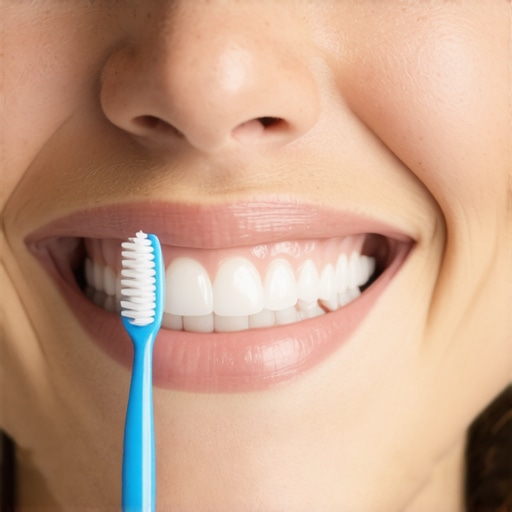
I vividly remember the moment I looked into the mirror and saw a dull, stained band across my braces. It was a lightbulb moment — my once-bright smile was fading, and I realized that maintaining whiteness with braces isn’t just about aesthetics; it’s about confidence and oral health. If you’ve ever experienced this, you’re not alone. Many people struggle with keeping their teeth radiant during orthodontic treatment, feeling frustrated by stains, discoloration, or dullness that seem to appear out of nowhere.
Why Maintaining White Teeth Matters When You Wear Braces
Wearing braces can challenge your ability to keep teeth looking their best. Food particles, plaque buildup, and the difficulty of thorough cleaning often lead to discolored spots or stains, especially around brackets and along the gum line. These issues aren’t merely cosmetic; they can signal underlying problems like decay or enamel erosion. Plus, a whiter smile boosts your self-esteem, making you more confident in social and professional settings. Think of it as your personal billboard — when your teeth are bright, your smile shines, and that warmth transmits to everyone around you.
Early on, I made the mistake of neglecting proper brushing routines, thinking that regular flossing alone would do the trick. It wasn’t until I turned to advice from experts and adopted specific whitening techniques that I saw real change. Did you know that habits like drinking coffee or soda can stain teeth even more when braces are involved? According to dental studies, restorative options like crowns can also help in shielding teeth from further staining, especially if your enamel has become sensitive or damaged. Learn more about how crowns can transform your smile at this guide.
So, how do you maintain that dazzling white smile during orthodontic treatment? That’s exactly what we’ll explore next. But first, have you faced persistent staining or discoloration while wearing braces? If so, stay tuned — there’s hope, and it starts with simple, effective steps you can take today to preserve your smile’s brilliance and health.
Master Your Oral Care Routine
Start with diligent brushing at least twice daily using a soft-bristled toothbrush and fluoride toothpaste. I recall the time I accidentally used an overly abrasive whitening paste, which caused sensitivity. Now, I stick to mild formulas proven safe for braces. Focus on cleaning around brackets and under wires by angling your brush in small circles, ensuring no plaque or food debris linger. Incorporate daily flossing with waxed floss or a floss threader designed for braces to remove embedded particles. Consistency here is your best defense against stains.
Incorporate Rinses and Specialized Products
Use an antibacterial rinse after brushing to reduce plaque and freshen breath. Consider a hydrogen peroxide-based rinse once a week, but only after consulting your dentist, as overuse can damage enamel. I learned this the hard way when I over-enthusiastically used a whitening rinse and experienced temporary sensitivity. For targeted stain removal, apply a whitening gel or strips recommended by your dentist, especially if you notice discoloration forming. Remember, products like whitening strips should be used cautiously during orthodontic treatment to avoid uneven results.
Adjust Your Drinking Habits
Limit acidic and staining drinks like coffee, tea, and soda, which can etch enamel and intensify staining. A simple change I made was swapping my morning coffee for herbal tea, which is less staining and less acidic. When consuming beverages, use a straw to bypass contact with teeth, reducing the chance of stains settling around brackets. Rinse with water afterward to wash away residual staining agents. This habit makes a noticeable difference over a few weeks.
Choose Foods Wisely to Prevent Stains
Eat a diet rich in crunchy fruits and vegetables—think apples, carrots, and celery—that naturally clean teeth and stimulate saliva production. Avoid deeply pigmented foods like berries, tomato sauces, and dark candies which leave residue. I recall enjoying a berry smoothie and later noticing faint stains near brackets. To combat this, I started pairing berries with a dairy or nut butter, which helped neutralize staining agents. Additionally, brushing after meals prevents pigments from settling and seeping into enamel or around brackets.
Regular Professional Cleanings and Expert Advice
Schedule cleanings every six months and inform your hygienist about your braces. Professional cleaning removes stubborn plaque and stains that daily brushing cannot address. When I first wore braces, I ignored my dental visits hoping to avoid extra trips; this was a mistake. Professionals use specialized tools to polish teeth and eliminate stains safely. Also, consider consulting your orthodontist or family dentist for personalized whitening options like crowns—these can be a reliable way to ensure a consistent, bright smile if discoloration persists despite routine care. See more about how crowns< a href='https://familydentistpro.com/transform-your-smile-how-crowns-boost-oral-health-confidence-at-815-am' target='_blank' rel='noopener noreferrer'>here.
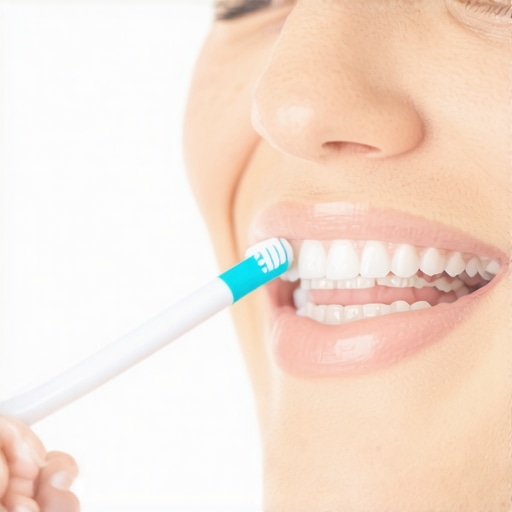
Visual guide to effective brushing techniques for braces, highlighting angles and brush strokes that reach around brackets.
While many believe they know the basics of maintaining a healthy smile, there’s often a deeper layer of misunderstanding that can impact your dental outcomes. For instance, a common myth about Invisalign treatment is that it’s a quick fix, but in reality, precision planning and patient compliance are essential for predictable results. Overlooking these nuances can lead to prolonged treatment times or undesired shifts, challenging the misconception that Invisalign is a one-size-fits-all solution. Additionally, many assume that family dentistry is merely routine care; however, it encompasses a comprehensive approach that considers all ages, preventive strategies, and personalized treatment plans, as highlighted in this overview. And when it comes to crowns, many don’t realize that selecting the right type—be it porcelain, gold, or zirconia—can significantly influence long-term durability and aesthetics. Misjudging this can result in frequent replacements or compromised appearance, emphasizing the importance of consulting experts, as discussed here. What’s equally pervasive is the misconception that all dental procedures are purely aesthetic; however, many restorative treatments like crowns play a vital role in preserving tooth structure and preventing further decay. Understanding these subtle intricacies can dramatically improve your dental health and confidence.
Have you ever fallen into this trap? Let me know in the comments.
Recognizing these overlooked nuances helps you make informed decisions and avoid common pitfalls. For example, opting for the cheapest crown option without considering material quality can lead to premature failure, which is why careful selection guided by a trusted dentist is crucial. Also, misconceptions about family dentistry’s scope might cause people to skip essential preventive visits, jeopardizing overall oral health. Moreover, being aware that orthodontic treatments like Invisalign require strict adherence to wear schedules can mean the difference between success and prolonged discomfort. These advanced insights stem from extensive clinical experience and contemporary research, such as the findings published in the medical journals. By deepening your understanding beyond surface-level myths, you position yourself to enjoy healthier, more resilient teeth well into the future.Maintaining your oral health over the long term requires more than just regular brushing and flossing; it demands the right tools and a strategic approach. Personally, I swear by electric toothbrushes like the Oral-B Genius X, which features oscillating-rotating technology proven to remove more plaque than manual brushes. Its smart brush tracking helps me visualize my coverage and ensures I don’t miss spots, especially around brackets during Invisalign treatment. When it comes to whitening, I prefer dental-grade whitening gels like Opalescence, which my dentist personally recommends for safe and effective stain removal without risking enamel damage. These gels are a step above over-the-counter strips because they provide stronger, more uniform results when used correctly. For monitoring and maintaining aligner hygiene, I use ultrasonic cleaners such as the Magnasonic Professional Ultrasonic Cleaner. This device uses high-frequency sound waves to eradicate bacteria and debris from Invisalign trays, which helps prevent discoloration and decay—an essential step for long-term Invisalign success. Software-wise, I rely on my dentist’s cloud-based treatment tracking portals that allow me to see my progress and receive personalized tips. Technology is rapidly advancing, and I predict that future trends will incorporate AI-driven oral health apps that analyze images of your teeth and recommend customized care routines, elevating the guidance from routine procedures to proactive, preventative strategies. To stay ahead, I recommend investing in a combination of high-quality tools and staying connected with your dental provider through digital platforms. How do I maintain consistent results with these tools over time? The key lies in routine and proper technique—regularly replacing your toothbrush every three months, ensuring your aligners are thoroughly cleaned, and following your dentist’s instructions for whitening treatments. Implementing these practices can dramatically extend the lifespan of your dental work and keep your smile shining bright. For example, I’ve learned that using my ultrasonic cleaner weekly prevents plaque buildup on Invisalign trays, thus preserving their clarity and fit while protecting my teeth. Don’t underestimate the power of combining the right equipment with a disciplined routine; it’s the secret to durable, healthy results. For more tailored advice, explore our comprehensive guide on crowns and other restorative options that fit your lifestyle and long-term goals, which can significantly boost your confidence and oral health. Remember, investing in top-tier tools now pays dividends in your smile’s durability and appearance in the future. Try integrating an ultrasonic cleaner into your routine today—your teeth will thank you for it! 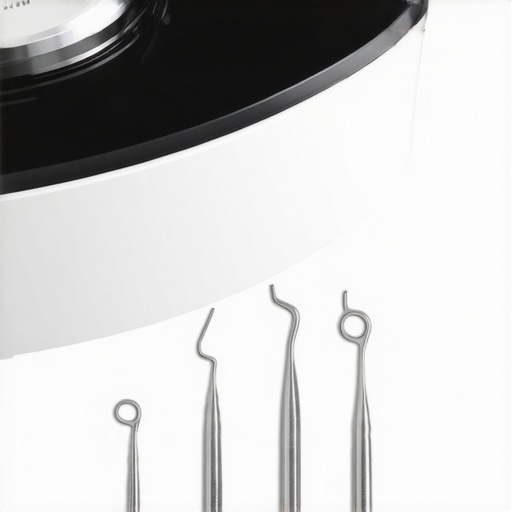
Lessons That Changed My Approach to Dental Care
One lightbulb moment was realizing that consistent, gentle brushing beats harsh practices; I learned to focus on thorough, careful cleaning rather than aggressive scrubbing, preserving my enamel and avoiding sensitivity.
Skipping routine professional cleanings was a costly mistake. Regular visits aren’t just about catch-up; they’re about preventing stains and catching issues early, saving time and money in the long run.
I discovered that modern crowns are more than just cosmetic fixes; they protect weakened teeth and can prevent costly future procedures. Educating myself about materials like zirconia helped me choose durable, natural-looking options.
Tools That Elevated My Smile Maintenance Game
The Electric Toothbrush revolutionized my daily routine; its oscillating action removes more plaque, especially around braces and crowns, ensuring my smile stays bright longer.
Ultrasonic Cleaners for aligners became a game-changer, removing bacteria and debris effectively, preventing discoloration, and extending the lifespan of my Invisalign trays.
High-quality whitening gels like Opalescence have been my secret weapon against stains, providing safe, predictable whitening results when used under professional guidance.
Embrace Your Bright Future
Your journey to a radiant smile begins today. Small, consistent actions during your orthodontic or restorative treatments will lead to confidence that lasts a lifetime. Remember, your smile is a powerful tool—cherish it and keep it shining!
What’s your biggest challenge in maintaining your dental health? Share your experience below—I’d love to hear your story and help you find solutions!