
The simple fix for a loose dental bridge until you see the doctor
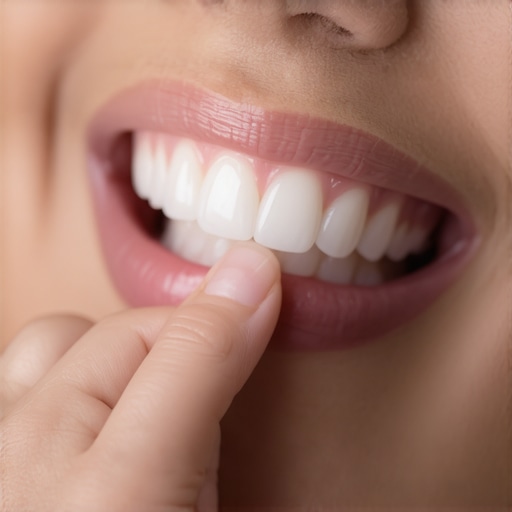
There was a morning I vividly remember—spilling my coffee and realizing, with a sinking feeling, that my dental bridge was loose. That unsettling wobble made me feel like I’d just inherited a new set of problems overnight. If you’ve ever faced a similar situation, you know how disorienting it can be—your confidence dips, and suddenly, every bite feels like a potential disaster. But in those moments, I learned something valuable: you don’t have to panic just yet.
Dealing with a Loosened Dental Bridge: Why It Matters
A loose dental bridge isn’t just about an annoying wobble; it can lead to further oral health issues if not addressed promptly. Bacteria can sneak into the gaps, increasing the risk of decay or infection. Plus, a loose bridge compromises your bite, sometimes causing discomfort or even damage to surrounding teeth. That’s why knowing a simple, temporary fix until you see your dentist can make all the difference.
Is a Home Fix Worth the Hype, or Just Asking for Trouble?
Early on, I made the mistake of trying to glue my bridge back in with over-the-counter dental cement I picked up at the pharmacy. Big mistake. It made the problem worse and complicated the visit to my dentist. I learned that understanding what works (and what doesn’t) is crucial—sometimes, simple home remedies can be helpful, but they aren’t substitutes for professional care. Looking into trusted advice, like that found on choosing the right crown expert, can provide guidance on maintaining long-term dental health, including temporary fixes.
Secure Your Loose Dental Bridge Through Immediate Actions
When your dental bridge becomes loose, quick, effective steps can prevent further damage and discomfort. Think of your dental bridge as a delicate bridge spanning a small river—if it wobbles, you need to stabilize it until professional help arrives. Here’s how to do that safely and efficiently.
Inspect the Situation Carefully
First, gently examine the bridge with clean hands or a mirror. Check for visible gaps, wiggles, or any noticeable instability. If the bridge is just slightly loose and no pain or bleeding occurs, proceed with caution. Remember, avoid poking or applying pressure that could damage the fragile crown or underlying teeth. During my own experience, I carefully checked and confirmed the looseness before attempting any fixes—rushing only made things worse.
Temporary Stabilization Techniques
Use Dental Cement as a Short-Term Fix
Over-the-counter dental cement can be a lifesaver in such situations. Carefully clean both the bridge and the underlying tooth with warm water and a soft toothbrush. Dry the area thoroughly. Mix the dental cement as per instructions and apply it sparingly to the underside of the bridge. Seat the bridge gently back into place, avoiding excessive force. This acts like a temporary glue to keep everything in position until you see your dentist. Be aware, however, that this is only a short-term solution—like bungy cords holding a bridge temporarily, not a permanent fix.
Avoid Using Unapproved Materials
Many attempt to use household glues or superglue, but these materials can cause chemical burns or damage your teeth and gums. Think of it as trying to fix your car with household duct tape—it’s not designed for the job and can cause more harm than good. Always opt for professional-grade dental products if temporary fixing is necessary, and consult your dentist promptly.
Protect Your Oral Health
Be Gentle and Keep It Clean
While awaiting your dental appointment, maintain excellent oral hygiene. Brush twice daily, floss carefully around the affected area, and rinse with an antibacterial mouthwash to reduce bacterial buildup. Avoid sticky or hard foods that might dislodge the bridge further, similar to not overloading a compromised bridge in a real structure.
Recognize Warning Signs
If you experience persistent pain, bleeding, or if the bridge causes discomfort when biting, seek professional care immediately. These symptoms are like sirens warning of underlying issues that only a dentist can properly resolve.
In my own attempt to stabilize a loose bridge, I learned that patience and caution are critical. Rushing to fix it yourself can complicate the situation, making the eventual dental repair more involved and costly. For a long-term solution, visiting a family dentist is essential—experts who specialize in restoring oral health with precise, durable techniques. To prepare for your visit, consider checking how to choose the right crown expert to ensure your dental health is in good hands.
Many patients believe they fully understand dental crowns and Invisalign, but in reality, misconceptions run deep. A common myth is that crowns are merely cosmetic, when in fact, they play a vital role in restoring oral function and preventing further decay. Similarly, some think Invisalign is only for minor corrections, but its technological advancements now enable complex cases to be addressed efficiently. Family dentistry is often mistaken as just basic care, yet it requires a nuanced understanding of preventative practices tailored for all ages.
One mistake I frequently see is underestimating the importance of choosing the right dental professional, especially for crowns. Not all dentists are equally experienced with the latest materials and techniques. For instance, a poorly fitted crown can result in increased sensitivity or even decay underneath, which might go unnoticed for months. To understand what sets top-tier crown placement apart, read about how to select the best crown specialist.
When it comes to Invisalign, many overlook the importance of proper attachment placement and patient compliance. The misconception that Invisalign trays can be ignored leads to subpar results. Recent studies emphasize that attachment positioning significantly influences tooth movement efficiency, especially in complex cases. Advanced patients might ask, “How can I ensure my aligners are working as intended?” The answer lies in regular monitoring with an experienced orthodontist who leverages technology like 3D imaging. Learn more about future innovations in Invisalign for families.
Family dentistry’s biggest mistake is to treat it as merely routine checkups. In reality, a comprehensive approach involves personalized preventative strategies, early detection of issues, and education tailored to each family member’s unique needs. By understanding the nuances, such as how early cavity detection can save time and money, you can avoid costly interventions later.
What many don’t realize is that oral health is deeply connected to overall wellness. Chronic gum disease, for example, has been linked to cardiovascular problems, according to a 2020 review in the *Journal of Clinical Periodontology*. This highlights the importance of proactive, expert care—something that often gets overlooked when patients assume their home routines suffice.
**Ever fallen into the trap of thinking you know it all about dental treatments?** Share your experiences or questions in the comments. Let’s dig deeper into how to make smarter choices for your smile.
Keep It Working: Essential Tools for Longevity
Maintaining your dental work, whether it’s crowns, Invisalign, or family dentistry restorations, requires the right arsenal of tools and practices. Personally, I rely on a high-quality electric toothbrush like the Oral-B Genius Pro 8000, which I use daily to ensure thorough cleaning without damaging delicate restorations. Its oscillating-rotating technology has proven effective at plaque removal, essential for long-term crown and implant health. Additionally, I supplement brushing with interdental brushes to clean hard-to-reach areas, preventing plaque buildup around restorations and ensuring they last for years.
For digital tracking and reminders, I utilize the Brush DJ app, which timers my brushing sessions, encouraging better habits. These little digital companions help me stay consistent, which is crucial because, as experts emphasize, consistent, proper oral hygiene significantly extends the life of dental restorations and orthodontic appliances.
How do I keep up with my orthodontic tools and ensure they last?
Beyond regular brushing, I personally invest in a ultrasonic cleaner to keep my nightguard and retainers free of bacteria. Cleaning devices like the GumChucks Tongue Scraper also play a role in maintaining mouth freshness and preventing bacteria transfer. These tools, combined with routine professional cleanings and checkups, create a powerful defense against long-term dental issues.
Tools and methods for predictable results
Looking ahead, I foresee innovations like AI-powered oral health monitors and smarter biomarkers that track oral microbiota, providing personalized advice. Such advancements could revolutionize how we approach preventive care, making it more proactive and tailored. For now, adopting reliable manual and electric brushes, interdental cleaners, and smart apps remains the best strategy. Invest in durable, quality tools—this is where long-term savings and health benefits begin.
Ready to enhance your dental care routine? I suggest starting with an ultrasonic cleaner for your appliances—it’s a game-changer for maintaining hygiene and extending device lifespan. For expert guidance, don’t forget to explore how crowns can improve your oral health and confidence.
Lessons Only Dentists Usually Learn the Hard Way
The biggest revelation for me was realizing how much I underestimated the importance of proper crown placement. I used to think that any dentist could do the job, but now I understand that experience with the latest materials and techniques makes all the difference—misaligned crowns can lead to sensitivity and decay that deceptively sneak in over time. This taught me to always seek out specialists who truly understand the nuances, like those recommended on how to choose the right crown expert. I also learned that Invisalign’s true power isn’t just in straightening teeth but in how modern attachments and monitoring can make or break results, which is why regular professional oversight is critical—discover more at future innovations in Invisalign for families. Lastly, I realized that comprehensive family dentistry involves much more than routine cleanings; it’s about personalized care that anticipates future problems—see how trends are shaping oral health for all ages at family dentistry trends. My takeaway? Knowledge and choosing expert care upfront save you from stress and higher costs later on.
Tools I Trust for a Smarter Smile Evolution
Investing in quality dental tools has transformed my approach to oral health. I rely heavily on the electric toothbrush with timer and pressure sensors—it’s gentle yet thorough. I pair it with interdental brushes, which help clean those tricky spots around crowns and implants and prevent plaque build-up, extending device longevity. Using a ultrasonic cleaner for appliances keeps bacteria at bay and ensures my gear stays in optimal condition. These tools, combined with regular professional cleanings, give me peace of mind—and they might do the same for you. For ongoing motivation, apps like Brush DJ keep me on track, making daily habits effortless and effective.
Embracing Change for a Confident Future
Taking charge of my dental health has been a journey of small, deliberate steps. From understanding that crowns aren’t just cosmetic but protect and preserve tooth health, to recognizing that Invisalign’s true success depends on consistent compliance and expert guidance—it’s about proactive, informed choices. I believe that by investing in the right tools and seeking personalized family dental care, you can prevent many issues before they arise. Your smile isn’t just about looks; it’s a cornerstone of your overall wellness. Consider exploring how crowns can boost both oral health and confidence, and take the first step toward a healthier, more radiant future. Remember, your dental journey is unique—embrace it with patience and expert support, and your smile will thank you.
What’s Your Next Move?
Have you ever hesitated to seek professional dental advice for a loose crown or misaligned teeth? What steps are you planning to take to improve your oral health? Share your experiences or questions below—I’m here to help you make smarter choices for your smile!
,