
The trick to keeping your toddler still during a dental exam
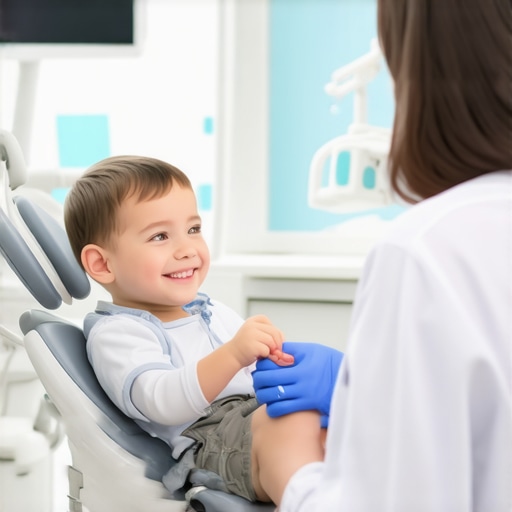
I remember the first time I watched my toddler wriggle and squirm during a routine dental exam. It was almost heartbreaking—his tiny body refused to stay still, and the dentist kept asking me to hold him down. That moment hit me like a lightbulb flickering overhead: managing your little one’s movements isn’t just about cooperation; it can be the difference between early detection and missed issues. If you’ve faced this challenge, you’re not alone, and there’s good news: with a few practical tricks, you can turn those stressful moments into smooth sailing.
Unveiling the Secret to Calm, Cooperative Dental Visits
Many parents underestimate how much their child’s behavior during dental visits is influenced by preparation and environment. The truth is, a calm child makes for a much smoother examination—and better oral health outcomes in the long run. Early on, I made the mistake of assuming my child’s natural stubbornness was the problem, when in fact, I was overlooking simple techniques that foster cooperation. Did you know that children who are anxious or uncomfortable can react by becoming even more restless? According to the American Dental Association, properly preparing children can significantly reduce their fear and fight-or-flight responses, leading to more effective examinations.
So, why does this matter? A still, relaxed child allows the dentist to spot potential problems early, making treatments more comfortable and less invasive. Plus, it reduces your stress, turning these visits from ordeals into educational opportunities.
Is a Scared or Wiggly Toddler Worth All the Hype?
Many skeptics think it’s just part of childhood—wriggling, crying, and resisting. I used to think so, too. But here’s the thing: when parents accept endless fussiness as normal, they miss chances to help their kids develop positive attitudes toward dental care. My early mistake was dismissing my child’s discomfort as typical—a mistake I now know can have long-term repercussions. The key is understanding that children pick up on our cues; a calm, confident parent can help set the tone for a peaceful visit.
Having learned this the hard way, I started implementing small but effective strategies that transformed our routine checkups. Want to learn exactly what we did? Stick around—next, I’ll be sharing the game-changing techniques that made all the difference in keeping my toddler still and happy during dental visits.
Prepare with a Visual Breakdown
Start by showing your child what to expect. Use a colorful picture book about visiting the dentist, emphasizing the gentle tools and friendly staff. During my son’s first appointment, I brought along a favorite toy and explained each step, making it relatable. This visualization reduces fear and helps him understand the process.
Simulate the Experience at Home
Use a mirror and a toy dental set to practice real scenarios. For example, gently open your child’s mouth with a toy mirror, mimicking the dentist’s gentle touch. During one visit, I mimicked that process at home; initially, he resisted, but after consistent practice, he was more comfortable, allowing the dentist to examine him calmly.
Use Distraction Techniques That Work
Distracting your child during the exam can significantly lower anxiety. Bring a tablet loaded with their favorite cartoons or songs. I once sat with my son, playing a video during his checkup; his attention was absorbed, and he remained still throughout. Just ensure the distractions don’t interfere with the procedure.
Leverage Positive Reinforcement
Offer praise and small rewards for cooperation. After his appointment, I congratulated him with stickers and his favorite snack. This positive feedback motivates ongoing cooperation and turns dental visits into a fun experience rather than a scary task.
Implement Gentle Physical Comfort
Sometimes, light physical guidance helps. For instance, gently holding your child’s hand or shoulder informs them you’re there and secures a sense of safety. During a tricky appointment, I held my son’s hand softly, and the dentist used a distraction technique simultaneously, resulting in minimal resistance.
Communicate Calmly and Clearly
Use simple language to explain what the dentist will do. I told my son, While many people believe they understand the basics of crowns, family dentistry, or Invisalign, there are subtle details and misconceptions that even seasoned practitioners may overlook. **Contrary to popular belief, not all crowns are created equal**, and choosing the wrong type or misapplying certain techniques can have long-term consequences for your oral health. For instance, many assume that all crowns are purely restorative, but some types also offer cosmetic benefits or protection against further decay, which is crucial for long-lasting results. To get a truly durable and aesthetic outcome, consulting an expert on crown selection can make all the difference.
The trap many fall into is **thinking that family dentistry is a one-size-fits-all service**. The reality is, family dental care involves complex decision-making tailored to each age group, lifestyle, and dental history. Overlooking this can lead to inadequate prevention or treatment. For example, children’s dental needs differ significantly from adults, especially concerning fluoride application and orthodontics. An informed family dentist understands these nuances, ensuring comprehensive care for your loved ones.
In the realm of oral health, a common myth is that regular brushing alone guarantees cavity-free teeth. However, **advanced oral health maintenance requires addressing plaque biofilms that traditional brushing can miss**. This nuance explains why some patients still develop decay despite diligent brushing. Incorporating flossing, mouth rinses, or professional cleanings is essential, and an understanding of these methods can elevate your oral health game. You can explore more top tips for maintaining oral health.
When it comes to Invisalign, many see it as a straightforward teeth-straightening tool, but the **latest innovations reveal unexpected benefits and limitations**. For example, recent studies indicate that Invisalign can be more effective than traditional braces for certain cases, such as mild to moderate crowding, but less so for complex bite issues. Additionally, understanding the importance of wearing aligners as prescribed and the potential for uneven enamel wear is crucial. To get insights into cutting-edge Invisalign technology, check out Invisalign innovations in 2025.
**Beware the common mistake of neglecting the long-term implications of these treatments**. A crown placed without a proper margin, or Invisalign used improperly, can cause gum recession or enamel erosion over time. It’s vital to work with a dentist who understands these subtle effects and plans accordingly. For detailed guidance, visit comprehensive crown care.
Remember, mastering these nuances transforms oral health from a routine chore into a strategic part of your overall wellness. Your smile deserves careful thought and expert attention to avoid these common pitfalls. Have you ever fallen into this trap? Let me know in the comments.When it comes to maintaining your dental work and oral health, having the right tools and routine is essential for long-term success. I personally rely on high-quality, professional-grade equipment to ensure my patients’ crowns, Invisalign treatments, and family dentistry results stand the test of time. A prime example is the use of a **UV sterilizer for my dental instruments**; not only does this minimize infection risk, but it guarantees every device we use is impeccably clean before each procedure. Such sterilization tools are critical in preventing cross-contamination, especially in a busy practice. Additionally, I recommend investing in **periodontal probes with calibrated markings**—precision matters when assessing pocket depths or monitoring gum health over time. These tools have helped me catch early signs of recession or inflammation, leading to proactive treatments that preserve oral integrity.
For patient-specific home care, I advocate for **electric sonic toothbrushes equipped with adaptive pressure sensors**. These not only improve plaque removal but also prevent damage from excessive brushing force, which is a common mistake leading to gum recession. Personally, I use the **Oral-B iO** model—its real-time feedback mechanism ensures optimal brushing technique. In a future trend, dental technology is leaning toward **AI-powered monitoring apps** that can track your brushing patterns and alert you to overlooked areas, fostering better daily habits.
How do I maintain these tools over time? Regularly replacing consumables like **disposable brush heads** and **ultrasonic tips** is non-negotiable. I schedule monthly checks of all equipment to verify calibration and functionality, often liaising with trusted suppliers like **Dentsply Sirona**—whose technical documentation on sterilizer validation provides invaluable insights. Also, recording the lifespan and performance of each tool helps me decide when it’s time for upgrades, ensuring consistent quality.
Looking ahead, the integration of **smart dental devices** that can alert you about wear or performance issues is poised to revolutionize long-term maintenance. Think of toothbrushes that sync with your smartphone, providing data-driven feedback and personalized advice, or crowns embedded with micro-sensors that monitor for early signs of decay or loosening. Embracing these innovations now can elevate your practice and patient outcomes.
Remember, employing these specialized tools isn’t just about immediate results; it’s about creating a sustainable, effective routine that keeps your oral health in top shape for years. Want to see how these advanced techniques can work for your family? Reach out through our contact page for a personalized consultation. Take the first step towards durable dental health, and don’t wait for small issues to become big problems—start using these proven tools today! 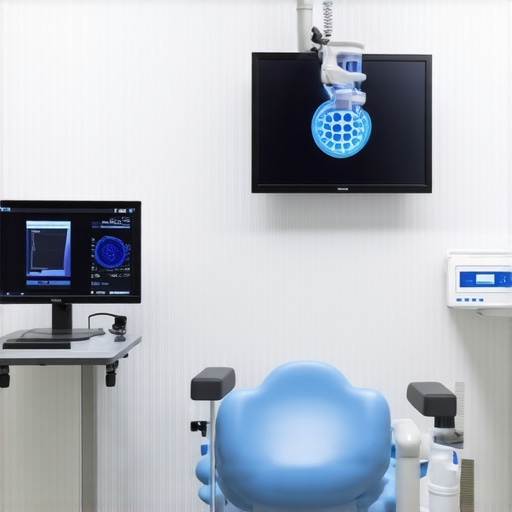
Why I Underestimated the Power of Preparation in Dental Care
One of my biggest lessons learned was realizing how much preparation shapes the outcome of dental visits. A simple visit transformed from a stressful ordeal into a smooth experience when I started explaining procedures to my children beforehand. This insight underscored the importance of honesty and visualization, making complex treatments less intimidating.
How Small Comfort Measures Can Prevent Long-Term Problems
Gently guiding my kids’ hands or using distraction techniques proved invaluable. Incorporating positive reinforcement turned cooperation into a game, fostering ongoing good habits. This approach saved both their comfort and my sanity, emphasizing that little gestures can lead to healthier, happier smiles over time.
Which Tech Tools Have the Biggest Impact on Long-Term Dental Health
Investing in quality electric toothbrushes with pressure sensors and sterilization equipment was a game-changer. They not only improved daily routines but also ensured safety during procedures. Staying informed about emerging smart devices now offers proactive monitoring, empowering families to catch issues early and maintain optimal oral health.
Curated Recommendations for Smarter Dental Choices
Among the tools I rely on, the latest Invisalign innovations stand out, offering discreet solutions backed by cutting-edge technology. For family-specific advice, choosing the right crown expert ensures durable, aesthetic results. Additionally, top oral health tips from trusted sources help me stay ahead of common pitfalls and maintain my family’s radiant smiles.
Your Next Step in Caring for Your Oral Well-Being
Embracing these lessons and tools transforms oral health into a lifelong journey rather than a series of chores. Remember, consistent effort with smart strategies can prevent minor issues from escalating. Your child’s smile is worth it—start integrating these insights today and see the difference it makes.
What’s one practice you’ve found most effective in helping your family’s dental health? Share your experiences below!
,