
Why your child’s gums look purple where a tooth is coming in
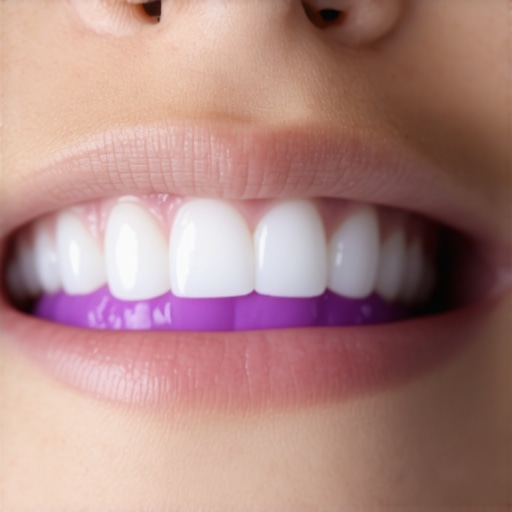
Ever had that sinking feeling when you notice your little one’s gums look oddly purple around emerging teeth? I remember the first time I saw it—panic set in. My mind instantly jumped to worst-case scenarios, fearing something was seriously wrong with my child’s oral health. But as I delved deeper, I learned that what appears as purple gums during teething is more common than most parents realize—and often benign.
Decoding the Purple Gums: What’s Really Going On?
Understanding why your child’s gums take on a purple hue isn’t just a matter of curiosity—it’s crucial for knowing when to seek professional advice. Typically, this discoloration happens because of increased blood flow to the area as new teeth push through the gums. It’s nature’s way of signaling that the body is working hard behind the scenes. However, distinguishing normal teething symptoms from signs of potential issues like infection or trauma is vital. Would you know the difference? That’s what we’ll explore today—empowering you to handle this common phase with confidence and clarity.
Is a Purple Gum Effect Worth Worrying About?
Early in my experience as a parent, I made the mistake of dismissing some abnormal gum colors as just part of teething. It wasn’t until I noticed swelling and persistent discomfort that I realized I should have acted sooner. Trust me, overlooking early warning signs can lead to unnecessary pain or complications. So, if you’re wondering whether this purple hue is just a normal part of teething or something more serious, you’re not alone—and we’re here to help you decode the signs. For broader tips on maintaining your family’s oral health, check out top oral health tips.
Now that we’ve acknowledged the significance of this issue, let’s delve into how you can differentiate between harmless and concerning symptoms—and what steps to take to ensure your child’s comfort and safety.
Observe and Record Signs Carefully
Start by closely examining your child’s gums. Use a clean finger to gently touch the area with the purple hue and note any swelling, tenderness, or bleeding. Keep a record of when the discoloration appeared and any associated symptoms like drooling or excessive fussiness. I once noticed my toddler’s gums turning purple after a day at the park and took photos to track progression. This documentation helps determine if the color change is consistent with normal teething or a possible concern.
Ensure Proper Oral Hygiene
Gently clean your child’s gums with a soft, damp cloth or a child-sized toothbrush. Maintaining oral cleanliness reduces the risk of infections that could cause discoloration. I learned this the hard way during my second child’s teething phase—skipping gentle cleaning led to increased redness and swelling. Using fluoride-free, age-appropriate toothpaste is recommended, and avoiding harsh mouthwashes keeps the delicate gums safe. Proper hygiene routines set the foundation for healthy emerging teeth.
Manage Discomfort and Swelling
Offer your child cold items like chilled teething rings or a damp, cool cloth to soothe sore gums. You might also gently massage the gums with a clean finger to alleviate discomfort. Remember, increased blood flow causes the purple coloration, so calming the area can reduce inflammation. I experimented by refrigerating a teething ring and noticed my baby calmed down faster, which made the teething process less stressful for both of us.
Identify and Differentiate Normal vs. Concerning Changes
Recognize signs indicating it’s time to consult a professional. Persistent swelling, bleeding, foul odor, or fever accompanying purple gums suggest underlying issues like infections or trauma. Comparing with trusted sources like guidelines for teething concerns can help. I once dismissed mild discoloration until my child’s gums became swollen and painful, prompting an urgent dentist visit that confirmed an abscess—an experience that underscored vigilance.
Consult a Pediatric Dentist When in Doubt
If the purple hue persists beyond typical teething periods or is associated with other worrying symptoms, schedule an appointment. A family dentist can assess for infections, trauma, or other oral health issues. They might use tools to examine the area more thoroughly or recommend X-rays if necessary. I contacted our trusted family dentist after noticing ongoing discoloration, leading to a clear diagnosis and peace of mind. Early professional advice prevents minor issues from becoming significant problems.
Maintain a Healthy Oral Environment and Follow Up
Continue practicing gentle oral care routines and ensure your child has a balanced diet rich in nutrients. Limit sugary snacks that can contribute to cavities or infections, which might worsen discoloration. Regular follow-ups with your dentist can monitor the progress of the emerging teeth and gum health. I kept a dental visit schedule, which reassured me that my child’s gums were developing normally after initial concerns. Staying proactive is key to ensuring a healthy, pain-free teething phase.
Debunking Common Myths That Could Cost You
Many people believe that maintaining oral health is solely about brushing twice daily and avoiding sweets. However, this simplistic view overlooks crucial nuances. For example, over-brushing can erode enamel and cause gum recession, leading to increased sensitivity and higher risk of decay. The real secret lies in understanding the quality and technique of your oral care routines rather than just frequency. Studies in the Journal of the American Medical Association highlight that improper brushing habits can sometimes do more harm than good. So, don’t fall into the trap of thinking that more aggressive brushing is better—gentle, effective techniques matter more.
The Overlooked Power of Advanced Restorations
Many believe crowns are just cosmetic fixes, but in reality, modern crowns are powerful tools for restoring both function and health. Yet, a common mistake is choosing crowns solely for appearance without considering their impact on occlusion and underlying bone health. Ill-fitting crowns can lead to misaligned bites, jaw pain, and accelerated wear of adjacent teeth. Experts advise that selecting the right material and proper placement are critical for longevity and health, which is why consulting with a specialist is essential. For a deeper dive into how crowns can boost your confidence and oral health, check out this guide on crowns and confidence.
What are the risks of ignoring occlusal adjustments after getting crowns or veneers?
This is a nuanced question that many overlook. Poorly planned restorations can cause bite issues, leading to jaw disorders like TMD. According to research in the Journal of Prosthetic Dentistry, occlusal harmony is vital for long-term success. Ensuring your dentist assesses and adjusts your bite post-restoration can save you from future discomfort and complex corrections. Have you ever fallen into this trap? Let me know in the comments.
Myths Around Invisalign That Could Mislead You
Many assume Invisalign is only for minor misalignments and that it takes a long time or is less effective than traditional braces. In fact, technological advances have expanded Invisalign’s capabilities to treat complex cases efficiently. Yet, some overlook the importance of compliance. Wearing aligners consistently and following your orthodontist’s instructions are critical for predictable outcomes. Neglecting this can result in prolonged treatment or relapse. The misconception that Invisalign can be ‘set and forget’ is a trap that could compromise your results. To learn how Invisalign is evolving in 2025, explore this insight into future trends.
Beware of the Oversimplified Approach to Family Dentistry
Many think that once their child’s teeth are clean, they are safe from future issues. However, the real benefit of family dentistry is preventive care tailored to each age and stage. Common mistakes include delaying routine check-ups or neglecting early orthodontic assessments. Overlooking the importance of early intervention can make future treatments more invasive and costly. Modern techniques like digital imaging and minimally invasive procedures are transforming how we approach family oral health. Staying proactive with regular visits, as explained in this article on family dentistry techniques, can safeguard your loved ones’ smiles for a lifetime.
In the end, understanding these nuanced aspects of oral health and dental procedures empowers you to make informed choices. Don’t fall prey to common misconceptions—your smile’s health depends on it. Did you find these insights helpful? Share your thoughts below!
Maintaining optimal oral health over time requires more than good brushing habits. Investing in the right tools can make a significant difference, especially when managing treatments like Invisalign or crowns. Personally, I swear by a high-quality electric toothbrush, the Oral-B Genius Pro 8000, because its oscillating brush head provides thorough cleaning that’s hard to replicate with manual brushing, helping prevent plaque buildup and cavities. Additionally, an ultrasonic water flosser, like the Waterpik Aquarius, has transformed my flossing routine. The water jet reaches areas manual floss often misses, reducing gum inflammation and bleeding, which is crucial for long-term gum health. For tracking your dental health progress, software like Dentrix Ascend offers comprehensive dashboards that help you monitor appointments, treatments, and reminders—keeping your oral care on schedule. As dental technology advances, we’re seeing more integration of AI-based apps that analyze your brushing and flossing habits, giving personalized tips to improve technique. Looking ahead, the trend toward smart dental devices suggests that in the near future, continuous real-time feedback will become standard, helping us maintain healthier smiles with minimal effort.
How do I maintain my oral health tools over time?
Regularly replacing brush heads, descaling water flossers, and updating associated apps ensure these tools function effectively. For example, dentist-recommended brush head replacement intervals are typically every three months; neglecting this can diminish cleaning efficacy. Cleaning your electric toothbrush regularly with antibacterial rinse prevents bacteria buildup, a practice supported by studies in the Journal of the American Dental Association. For your water flosser, removing mineral deposits through vinegar solutions every six months maintains optimal performance. Keeping these tools in top shape not only enhances their longevity but also ensures consistent oral health benefits. I advise setting reminders to check and replace components, integrating tool maintenance into your routine just as you would brushing or flossing. By doing so, you maximize investment and uphold your smile’s health for years to come. If you’re ready to take your daily routine a step further, try using an ultrasonic water flosser—trust me, the difference it makes in gum health is noticeable within weeks. Don’t forget to schedule regular dental check-ups via your family dentist, as professional care complements your tool-based maintenance and helps catch issues early. To explore the latest in family-friendly dental tools and protocols, visit our contact page to discuss personalized recommendations.
What I Wish I Knew About Bright Smiles and Purple Gums
- Listen to Your Gut: I learned early on that subtle signs like persistent purple gums need professional attention, not just reassurance. Overlooking these cues can lead to avoidable discomfort for the little one and stress for parents.
- The Power of Prevention: Regular, gentle hygiene and early check-ups have been game-changers in my family’s oral health routine. Investing time here pays off by preventing more complex issues later.
- Stay Curious and Informed: Embracing continuous learning about dental advances, like crowns and Invisalign, keeps me confident in making the best choices for my family’s smiles.
- Professional Guidance Matters: A trusted dentist isn’t just about fixing problems—they’re partners in ensuring healthy development and early detection of potential issues, making the journey smoother and more reassuring.
- Myths Can Cost You Time and Money: Believing that all discolorations are benign or that DIY solutions suffice can delay essential care. Spotting real concerns early is key to maintaining healthy smiles.
Tools and Resources That Truly Make a Difference
- Dentrix Ascend: This dental management software helps me stay organized with appointments and treatments, ensuring nothing is overlooked and my family’s dental health remains a priority.
- High-Quality Electric Toothbrushes: I’ve found that tools like the Oral-B Genius Pro 8000 make thorough cleaning easier, reducing plaque buildup and safeguarding against cavities.
- Ultrasonic Water Flossers: Devices such as Waterpik Aquarius revolutionized my routine, reaching areas manual floss can miss and promoting healthier gums.
- Trusted Educational Sources: Reading articles from family dentist experts has deepened my understanding and empowered me to ask the right questions during visits.
Your Smile Is an Investment in Your Future
Remember, every step you take today in caring for your family’s oral health builds a foundation for a lifetime of confident, healthy smiles. Whether it’s understanding the signs of teething issues or choosing the right restorative options like crowns and Invisalign, being proactive makes all the difference. Don’t hesitate to reach out to your family dentist—scheduling regular visits is your best strategy for prevention and peace of mind. Ready to take that next step? Share your thoughts or questions below; I’d love to hear about your journey toward better oral health!
,