
The difference between a normal mouth sore and something serious
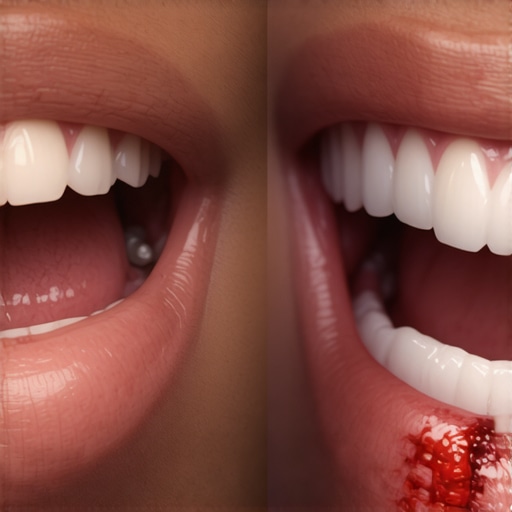
One evening, as I was winding down at home, I bit into an apple and felt a sharp sting in my mouth. At first, I thought it was just a minor irritation, maybe from that spicy dinner I had the night before. But as the days went on, that pain turned into a persistent sore that refused to heal. It was a moment of realization—something I had ignored could be more than just a simple mouth sore.
Why differentiating between a normal mouth sore and something serious can save your smile
This experience taught me the hard way how crucial it is to recognize when a mouth sore is a sign of something more serious. Many folks brush off these pains, assuming they’re just minor inconveniences. But trust me, some mouth sores can be harbingers of more significant health issues if left unchecked. Early detection not only preserves your oral health but could also save you from more invasive treatments down the line.
Could that tiny ulcer be hiding a bigger problem?
It turns out that not all mouth sores are created equal. While many resolve within a week or two, some linger or worsen. According to a study published by the American Dental Association, persistent oral ulcers can sometimes be early symptoms of oral cancers or other systemic conditions (source). So, how do you tell the difference? That’s exactly what we’ll explore next. Before my own experience, I used to think that a mouth sore was just a minor hiccup — a quick fix with toothpaste or mouthwash. But I learned the hard way that ignoring persistent symptoms can lead to bigger problems. For instance, I made the mistake of delaying a dental consultation, which could have been avoided by recognizing the signs early.
If you’ve ever wondered whether that nagging pain or persistent sore in your mouth needs professional attention, you’re not alone. Many people face the same uncertainty. The good news is, with some simple guidelines, you can learn to distinguish between harmless irritations and signs of serious issues.
Stay with me as I walk you through how to spot the warning signs and when to seek professional help. We’ll also discuss practical steps to evaluate your symptoms and how to prepare for that crucial dental visit. Because, ultimately, catching problems early keeps your smile healthy and confident.
Identify Persistent Symptoms Quickly to Avoid Complications
When you notice a mouth sore that lasts longer than two weeks or worsens over time, it’s time to take action. I once ignored a persistent ulcer for three weeks, thinking it would heal on its own, but it turned out to be an early sign of oral cancer. To prevent this, actively monitor your sores: if they don’t improve within a week or two, schedule a dental consultation without delay. Use a diary to track symptoms, noting changes in size, color, or pain levels—this documentation can help your dentist make an accurate diagnosis.
Examine the Sore’s Characteristics for Clues
Look for Unusual Features
Severe pain, irregular borders, or a sore that has a raised or white/red appearance are red flags. For example, during my own check-up, I noticed a sore with a jagged edge that didn’t look like a typical ulcer. I photographed it and presented it during my visit, which helped my dentist determine it was a benign lesion that needed monitoring, not immediate treatment. Always compare your sore to common ulcers: harmless ones usually heal within a week, while anomalies merit prompt professional assessment.
Assess the Location and Impact
Notice where the sore appears—inside your cheek, on your tongue, or under your gums—and their effect on eating or speaking. In my case, a sore on my tongue made eating uncomfortable, prompting me to seek help. Remember, sores in certain areas, such as the floor of the mouth or the back of the throat, warrant urgent attention because of higher cancer risks. If discomfort hinders your daily activities or worsens despite home care, don’t delay contacting your dentist.
Perform Basic At-Home Checks with Caution
While self-assessment is helpful, avoid invasive probing or irritating the sore further. Use a clean mirror and gentle touch to observe the sore’s size and color. I used a flashlight and a tongue depressor to get a better view, making notes of any bleeding or crusting. If the sore exhibits bleeding, persists beyond three weeks, or starts to bleed when touched, schedule an appointment immediately. Never attempt to diagnose or treat complex oral issues without professional guidance.
Know When to Seek Professional Help Immediately
If your sore is accompanied by other symptoms—such as weight loss, difficulty swallowing, or ear pain—schedule a visit without hesitation. I once experienced a sore with persistent numbness and was promptly referred for a biopsy, which confirmed the early stage of oral cancer. Early intervention is critical: contact your dentist through this link if you notice any suspicious signs. Don’t wait for the sore to worsen; timely professional evaluation can be life-saving.
Learn About Your Oral Health Routine
Maintaining good oral hygiene reduces the risk of persistent sores. Brush twice daily, floss regularly, and use a mouthwash recommended by your dentist. Consider visiting a family dentist who specializes in comprehensive care—modern techniques like crowns and Invisalign are part of this approach, but prevention remains key. For more insight on how to keep your smile healthy, visit this page. Regular check-ups ensure any abnormalities are caught early, saving you discomfort and costly treatments later.
By implementing these steps—monitoring symptoms diligently, understanding the signs, and acting promptly—you take control of your oral health. Remember, when in doubt, professional evaluation is the safest course. Don’t let unnoticed mouth sores compromise your overall well-being.
Many people grow up listening to simplified advice about dental care, but the reality is much more nuanced than commonly believed. For instance, a widespread myth is that tightening braces or Invisalign trays will accelerate treatment, but in fact, over-tightening can cause tissue damage and lead to longer treatment times. Modern orthodontic techniques emphasize controlled, gentle adjustments, making consistency and patience the true keys to success (see Invisalign vs. Braces comparison). As an expert, I can tell you that understanding these subtle differences can dramatically improve your outcomes.
How can misunderstanding the role of crowns lead to costly mistakes?
One of the most overlooked aspects is the choice of crown material. Many people think all crowns serve the same purpose, but different materials—porcelain, zirconia, metal—each have unique properties influencing durability, aesthetics, and compatibility with surrounding tissue. For example, choosing a porcelain-fused-to-metal crown without proper expertise can result in issues like metal showing at the gumline or increased wear on adjacent teeth. Properly selecting and placing crowns isn’t just about restoring a tooth—it’s about maintaining not just the current smile but future oral health (more on crowns’ benefits). Don’t assume that a crown is a one-size-fits-all solution; be sure to consult a specialist who can recommend the best material for your specific needs.
Additionally, many people miss the importance of precise preparation. A common mistake is undervaluing the importance of adequate tooth reduction, which can lead to issues like crown misfit, discomfort, or premature failure. Advanced techniques like digital impressions and CAD/CAM technology improve precision, but only if your dentist is experienced in utilizing them (see how crowns transform smiles). Staying informed allows you to avoid the trap of inexpensive, poorly fitted crowns that might save money upfront but cause issues down the line.
Is focusing solely on aesthetics holding you back from better oral health choices?
Many patients believe that achieving a Hollywood smile should be their primary goal. While aesthetics are important, neglecting the functional aspects—like proper bite alignment or gum health—can cause long-term problems. For example, opting for veneers without addressing underlying occlusion issues may lead to uneven wear, tooth sensitivity, or even TMJ disorders. My experience shows that a holistic approach combining health and beauty yields the most sustainable results. When considering solutions such as Invisalign or crowns, it’s vital to prioritize how the treatment affects your overall oral function, not just appearance (comparing Invisalign and braces).
Another often-missed nuance is the significance of routine maintenance and follow-up. Even the best procedures need regular check-ins to ensure ongoing success. Dentistry isn’t a one-and-done deal; it’s a partnership. Failure to maintain crowns, aligners, or other restorations can lead to secondary issues like decay or gum disease, undermining the initial investment. Hence, understanding the detailed nuances and avoiding common pitfalls empower you to make informed decisions about your dental health.
So, next time you hear a piece of conventional wisdom about family dentistry or orthodontics, pause and ask: Is there more to it? Deepening your understanding helps you advocate effectively for your health. My advice is to stay curious, ask questions, and seek expert opinions—your smile will thank you. Have you ever fallen into this trap? Let me know in the comments.
Keep Your Smile Working with the Right Tools
Maintaining excellent oral health requires more than just regular brushing and flossing. Investing in high-quality, effective tools ensures your efforts yield long-term results. Personally, I rely on a combination of professional-grade equipment and modern software to monitor and enhance my family’s dental health. For instance, digital toothbrushes equipped with timers and pressure sensors, like the Philips Sonicare DiamondClean, help prevent over-brushing and ensure thorough plaque removal while protecting delicate enamel.
Another game-changer is using an interdental brush, specifically designed to clean between teeth where floss might miss stubborn plaque. I prefer the TePe Interdental Brush because of its ergonomic handle and variety of sizes, enabling me to customize cleaning around crowns, bridges, and orthodontics effectively. These tools are particularly vital when caring for restorations like crowns, which demand gentle but comprehensive cleaning to prolong their lifespan.
Leveraging Technology for Better Outcomes
In addition to manual tools, I recommend adopting oral health tracking apps such as MyTeeth. These apps help you log daily brushing habits, monitor areas you tend to neglect, and set reminders for dental visits. As technology advances, the integration of AI-powered toothbrushes with real-time feedback is becoming more accessible. Devices like the Oral-B Genius X analyze your brushing patterns and encourage more comprehensive cleaning sessions—an effortless way to maintain consistent long-term care.
Furthermore, digital imaging software plays a critical role during restorative procedures. When planning crowns or Invisalign treatments, I always emphasize the importance of 3D scanning tools such as the iTero Element. These systems create precise digital impressions, reducing discomfort and improving the fit and durability of restorations such as crowns or aligners. By utilizing such technology, dental professionals can predict and plan for sustainable, functional, and aesthetic outcomes that stand the test of time.
How do I maintain these tools over time?
Proper maintenance is key to ensuring your tools stay effective. For example, replace toothbrush heads every three months, and regularly sterilize interdental brushes and retainers. Digital devices should be kept updated with the latest firmware to harness new features and security improvements. Personally, I keep a dedicated sterilizing tray in my bathroom to keep all reusable tools sanitized and ready for use. Planning routine maintenance ensures your equipment continues performing optimally, saving you money and preventing issues like bacterial build-up or device malfunction.
Looking ahead, the future of family oral health appears intertwined with smart technology, enabling us to catch problems early and maintain results longer. Innovations such as app-connected crowns, which monitor local pH or detect early signs of decay, are on the horizon and promise to redefine preventive dentistry.
By using trusted tools and embracing technological advances, you give your family the best chance of enjoying a healthy, confident smile for years to come. I encourage you to try upgrading at least one aspect of your current routine—perhaps starting with an AI-enhanced toothbrush or scheduling a digital scan for your next crown. Small improvements can make a big difference in your ongoing dental journey.
Interested in exploring more about crowns and restorations? Check out this detailed guide to discover how modern techniques can transform your smile and confidence over time.
Lessons No One Told Me About Family Dentistry
- Realizing that some oral issues silently warn you about systemic health problems made me change my daily habits and prioritize regular check-ups, even when I feel fine.
- Understanding the subtle differences in crown materials taught me to insist on tailored solutions rather than settling for one-size-fits-all treatments, ensuring durability and aesthetics.
- Seeing how technology, like digital impressions and AI-driven toothbrushes, empowers patients gave me confidence to participate actively in my family’s oral health journey, rather than being a passive recipient of care.
- Learning that aesthetics should never compromise function reminded me to seek comprehensive plans—aligning beauty with long-term health for sustainable smiles.
- Finally, grasping the importance of routine maintenance after procedures, such as crowns or Invisalign, underscored that ongoing care prevents costly surprises and preserves results for years.
Tools and Resources That Elevated My Family’s Smile Game
I’ve come to rely on innovative tools like the Philips Sonicare DiamondClean for effective brushing, and TePe Interdental Brushes to keep those tricky spaces clean—both trusted because they deliver consistent results and have made oral care easier. Books like this guide on crowns shifted my perspective on restorative options—helping me choose materials and techniques that truly benefit my family. Utilizing apps like MyTeeth keeps us accountable and aware of daily habits, turning routine hygiene into an engaging activity. And digital imaging like the iTero system reassures me that our restorations fit perfectly, avoiding future problems while reducing discomfort. These tools have transformed dental care from daunting to empowering, letting me advocate confidently for my loved ones’ smiles.
Embrace the Change and Keep Smiling Brightly
Your journey towards healthier family smiles is a continuous adventure. By applying these lessons and leveraging trusted tools, you can stay ahead of problems and enjoy the confidence that comes with knowing you’re taking proactive steps. Remember, in family dentistry and oral health, the power of knowledge combined with the right actions creates lifelong benefits. So, why not start today? Your family’s smiling faces will thank you for it.
Have you discovered any game-changing tips or tools for your family’s dental care? Share your insights below—I’d love to hear your stories!
,