
The Truth About DIY Teeth Whitening and Permanent Enamel Damage
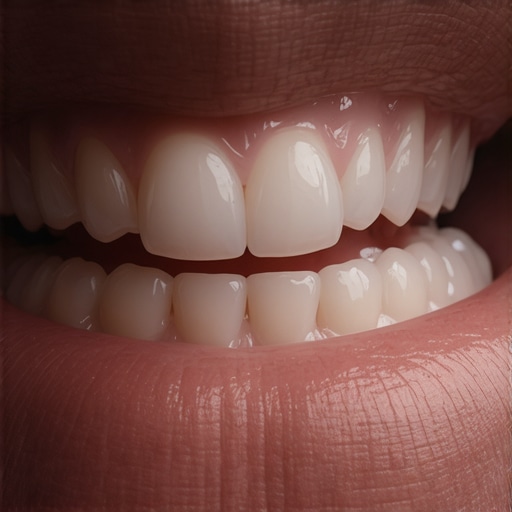
Ever found yourself gazing in the mirror, eager to brighten that smile, only to realize that your quick fix might have done more harm than good? I remember a time when I was desperate to whiten my teeth at home, convinced that a DIY kit from the local store could give me the dazzling results I dreamed of. But shortly after, I noticed a dull ache whenever I sipped hot coffee or icy water. That was my lightbulb moment—realizing that in my rush to achieve a Hollywood smile, I had unknowingly jeopardized my enamel.
Why DIY Teeth Whitening Can Be Tricky—and Risky
Suddenly, what seemed like a simple, cost-effective solution turned into a road I didn’t want to go down. Many people don’t realize that the enamel, the protective outer layer of your teeth, is incredibly sensitive. Over-the-counter whitening products often contain potent bleaching agents that, when misused or overused, can strip away this vital shield. My early mistake? Rushing into DIY whitening without understanding the active ingredients or the signs I should stop. This oversight left me with increased sensitivity and a weakened surface that could lead to permanent damage. Did you know that enamel erosion is irreversible? Once gone, it can’t be regenerated, making prevention and cautious treatment essential. For more comprehensive tips on maintaining your oral health, check out [top oral health tips](https://familydentistpro.com/top-oral-health-tips-for-your-familys-bright-smiles).
Is All That Brightening Hype Worth It?
Many advertise quick fixes and miracle results, but are they truly safe? I want to share candidly that my overconfidence almost cost me my dental health. For years, I believed I could handle whitening on my own until I realized I was risking permanent enamel damage. This experience taught me a crucial lesson: knowing when to seek professional advice is key to avoiding irreversible harm. Do you ever feel that urge to DIY brighten your smile, only to wonder if it’s truly safe? You’re not alone, and there are better, safer ways to achieve that confident glow. Ready to learn what it takes to whiten teeth without risking your health? Let’s dive into the myths and facts—starting with the real risks involved and how to avoid them.
Keep Your Teeth Clean Daily
Start with a consistent routine of brushing twice a day using a fluoride toothpaste. Use an electric toothbrush if possible, as it offers more thorough cleaning, similar to how a power washer cleans stubborn grime. I once struggled to clean my back molars, but switching to an electric brush and detailing each surface made a noticeable difference in plaque removal. Remember to replace your brush every three months to maintain effectiveness.
Master Proper Flossing Techniques
Flossing is like weaving a safety net between your teeth, catching debris that brushing misses. I once neglected flossing, which led to early gum inflammation. After learning the correct method—gently hugging each side of the tooth and going beneath the gum line—I saw improvements. Regular flossing prevents decay and gum disease, but it needs to be done correctly to be effective. Practice daily, making it a non-negotiable part of your oral hygiene.
Incorporate Mouthwash Wisely
Using an antiseptic mouthwash can help reduce bacteria and freshen breath. Think of mouthwash as the final rinse that reaches areas brushing and flossing might miss. I used to skip this step, but after discovering its benefits, especially in areas prone to plaque buildup, I included it in my routine. Choose a mouthwash with fluoride to strengthen enamel and use it after brushing for maximum benefit.
Limit Sugary and Acidic Foods
Sugar feeds cavity-causing bacteria, and acids erode enamel—imagine acids as tiny sandblasters wearing down a castle’s walls. I noticed my teeth’s surface becoming more sensitive after indulging in frequent candies and soda. Swapping these for healthier options like crunchy fruits and vegetables provides essential minerals and stimulates saliva production, which naturally neutralizes acids. Moderation is key; avoid snacking constantly to give your teeth a fighting chance.
Schedule Regular Dental Checkups
Seeing your dentist twice a year is like sending your vehicle in for regular maintenance. Professional cleanings remove tartar and detect issues early. I once ignored a small cavity, which later required extensive treatment. During visits, ask about options like [Invisalign](https://familydentistpro.com/how-invisalign-transforms-family-dentistry-in-2025) or crowns that can preserve your natural teeth and keep your smile vibrant. Consistent checkups prevent small problems from escalating, saving you discomfort and money.
Consider Smile Restorations When Needed
Sometimes, repairing damaged teeth requires advanced options like [crowns](https://familydentistpro.com/the-ultimate-guide-to-crowns-for-a-healthier-smile). Think of crowns as custom helmets that protect and restore strength. I had a chipped tooth that I initially ignored; after a consultation, a crown was placed to improve function and aesthetics. Properly fitted restorations also help maintain your bite, preventing further wear or pain. Discuss with your dentist if your smile might benefit from such solutions.
Embrace Lifestyle Changes for Oral Health
Reducing habits like smoking or excessive alcohol consumption makes a significant difference. These habits are like corrosive agents attacking your teeth and gums. I quit smoking after noticing a yellowing of my teeth, which also improved my overall health. Maintain hydration and a balanced diet rich in calcium and phosphates to support enamel health. Small daily choices create a big impact over time.
Stay Informed About Your Dental Options
Educate yourself with resources like [family dentistry trends](https://familydentistpro.com/family-dentistry-trends-improving-oral-health-for-all-ages) and [common myths about Invisalign](https://familydentistpro.com/invisalign-myths-debunked-what-you-need-to-know-today). Being proactive and knowledgeable ensures you make informed decisions about treatments like [dental bonding](https://familydentistpro.com/the-difference-between-dental-bonding-and-porcelain-veneers) or implants, tailored to your unique needs. Consulting experts regularly helps keep your smile healthy and vibrant.While many patients approach treatments like Invisalign or crowns with high expectations, misconceptions often lead to disappointment or even health risks. For instance, a widespread myth is that aligners or restorations are permanent solutions without needing ongoing care. In reality, these treatments require diligent maintenance, and neglect can negate their benefits or cause complications.
Is Invisalign Just About Straightening Teeth, or Does It Do More?
Many assume Invisalign purely straightens teeth, but its nuances—such as affecting bite and jaw alignment—are often overlooked. In fact, leading experts highlight that proper patient selection and compliance are crucial; otherwise, treatment may not only be ineffective but also cause bite issues or root resorption. Studies suggest that untreated malocclusions linked with improper orthodontic plans can worsen over time, emphasizing the need for precise planning and professional guidance. For comprehensive insights, explore how Invisalign is transforming family dentistry.
Another common mistake is believing that crowns are invincible. People often think once a crown is placed, it’s ‘set and forget.’ However, improper oral hygiene around crowns can lead to secondary decay, gum disease, or crown failure. For example, plaque accumulation at the margins can cause decay underneath, which is a serious yet often neglected risk. Regular checkups are essential to monitor crown integrity, and understanding the difference between various crown materials can influence durability. Learn more about the key factors that make crowns last longer.
In family dentistry, a trap many fall into is neglecting preventive care, assuming it’s only necessary when problems arise. This reactive approach often leads to advanced decay or gum disease that could have been prevented with routine cleanings and early interventions. Embracing a proactive mindset not only preserves oral health but also reduces long-term costs. According to recent research, regular dental visits can detect issues before symptoms appear, crucial in children’s developing teeth and elderly patients. Consider integrating this knowledge into your routine, as outlined in top oral health tips for your family’s bright smiles.
Why do these misconceptions persist? A factor is the overwhelming amount of conflicting information online, often led by marketing rather than science. It’s vital to rely on expert advice and evidence-based practices. For example, many believe that at-home whitening is entirely safe without understanding the risks of over-bleaching or enamel erosion—an irreversible process. According to the American Dental Association, consulting with a professional ensures safe, effective, and tailored treatments. Never hesitate to ask your dentist about concerns or misconceptions—that’s how optimal results are achieved. Interested in learning more? Visit myth-busting about Invisalign or check out other trusted resources. Have you ever fallen into this trap? Let me know in the comments.Maintaining a healthy, radiant smile over the long term requires more than just good habits—it demands the right tools and consistent routines. As a family dentist with years of experience, I’ve honed in on specific equipment and methods that truly make a difference in my practice and personal routine. These investments ensure that treatments like Invisalign and crowns sustain their benefits and that your oral health remains optimal. One essential tool I swear by is a high-quality electric toothbrush, such as the Oral-B Genius X. Its oscillating-rotating technology, combined with smart features that monitor your brushing habits, provides a thorough clean that manual brushes simply can’t match, effectively reducing plaque buildup and preventing decay around restorations. For detailed brushing, I prefer models with a pressure sensor to prevent overbrushing, which can damage gums and enamel. Regular, precise brushing is foundational, and investing in the right device makes this effortless and effective. 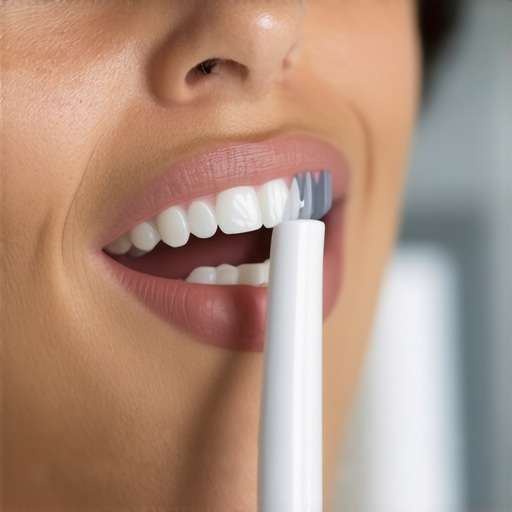 Predicted advancements in oral hygiene tools will likely incorporate AI-powered sensors that analyze your brushing patterns in real-time, offering personalized feedback to optimize technique. These innovations will help patients maintain their smile’s integrity longer, especially when managing complex treatments like implant restorations or orthodontics. How do I maintain these tools over time? I recommend replacing brush heads every three months and keeping electronic devices in a dry, clean environment. Regularly updating your equipment ensures optimal performance and hygiene, preventing bacterial buildup and maximizing efficacy. Additionally, I advocate pairing your routine with professional plaque removal sessions at least twice a year. These cleanings, combined with effective home tools, help sustain the results of treatments like crowns and Invisalign, reducing the risk of secondary issues like gum recession or decay. To keep your tools functioning well, check for firmware updates on electric devices, and clean sonic toothbrush heads with mild soap and warm water daily. Remember, the quality of your tools directly impacts your oral health, making the investment worth every penny. For those who want a deeper dive into maintaining restorations and appliances, I recommend exploring why crowns are a game-changer in restorative dentistry. Over time, proper maintenance of your tools combined with routine professional care will ensure your smile remains bright and healthy for years to come. Want to elevate your oral care routine? Try adopting a smart electric toothbrush with real-time feedback in your daily regimen and see how it transforms your results. Remember, a well-maintained toolkit is your first line of defense against dental issues and will help preserve the investments you’ve made in treatments like veneers, crowns, or Invisalign.
Over the years, I’ve learned that maintaining a healthy, radiant smile isn’t just about quick fixes—it’s about understanding your unique journey and making informed choices. One of my most eye-opening lessons was realizing that tools like Invisalign and dental crowns are powerful allies, but only when used correctly and consistently. The real magic happens when you blend professional guidance with personalized daily habits, turning dental care from a chore into a rewarding ritual. Remember, your smile is a reflection of your whole well-being, and investing in it today ensures confidence and comfort tomorrow.
Lessons Hidden in My Smile Journey
- Patience is Key: Rushing to perfect my smile led to setbacks like sensitivity and damage. Embracing a steady, expert-led approach made all the difference.
- Knowledge Empowers: Understanding treatments like crowns and Invisalign helped me ask better questions and make smarter decisions. Trusting reputable sources and professionals is invaluable.
- Prevention Saves Cost and Comfort: Regular checkups caught issues early, proving that proactive care is the smartest investment for your smile’s longevity.
- Personalized Routine Matters: Tailoring daily habits—like using a quality electric toothbrush and mindful eating—preserves the results of professional treatments and enhances overall health.
- Every Smile Tells a Story: Every detail, from the shine of teeth to the health of gums, reflects lifestyle choices. Small improvements can have profound impacts over time.
Tools I Trust for Ongoing Smile Success
- Electric Toothbrushes with Smart Features: I recommend models like the Oral-B Genius X for thorough cleaning and real-time feedback, which helps maintain restorations and prevent issues.
- Educational Resources from Experts: Websites like Family Dentist Pro provide up-to-date, science-backed insights that empower you to stay ahead of potential problems.
- Professional Dental Checkup Guides: Regular visits are vital. Resources outlining what to expect and questions to ask help maximize the benefits of your appointments.
- Healthy Diet Plans: Meal plans emphasizing minerals and low acidity support your enamel and the longevity of restorations like crowns and veneers.
Believe in Your Bright Future
Your journey to a confident, healthy smile is uniquely yours. Every step you take today—be it maintaining good habits, seeking professional advice, or exploring new treatments—builds a foundation for a lifetime of happiness. Don’t hesitate to embrace the tools and knowledge that empower your oral health, and remember, every great smile starts with a decision to care. Ready to unlock your best smile? Keep learning, stay proactive, and let your confidence shine through every moment.
What’s the one dental habit you’re excited to improve today? Let me know below!