
The truth about using baking soda to whiten sensitive teeth
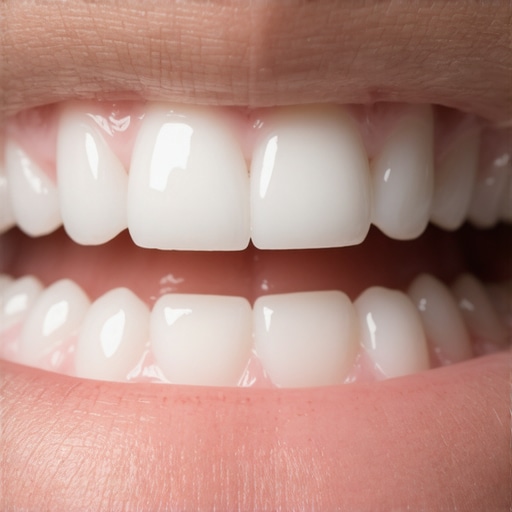
Ever experienced that sinking feeling when you smile in the mirror and notice just how dull or stained your teeth look? I remember the first time I tried baking soda for whitening my sensitive teeth. It seemed like a quick fix, a natural miracle. But I quickly learned that not everything that shines in the kitchen translates well to my smile.
One evening, after a dinner of coffee and red wine, I grabbed a spoonful of baking soda, thinking I’d buff away the stains. Instead, I ended up with an unpleasant gritty taste and a mouth that was slightly more sensitive than usual. That lightbulb moment made me realize there’s a lot of misinformation floating around about teeth whitening, especially involving common household items like baking soda.
Today, I want to share the real deal—what you need to know about using baking soda on sensitive teeth. We’re talking about practical, honest advice from someone who’s been there, faced the pitfalls, and found what actually works without risking damage.
Is Baking Soda Actually Safe and Effective for Sensitive Teeth?
When I first started digging into this topic, I discovered a surprising fact: while baking soda has some mild abrasive properties that can help remove surface stains, it’s not a magic solution, especially for sensitive teeth. A 2018 study published in the Journal of Dentistry confirmed that overuse of abrasive substances can wear down enamel, leading to increased sensitivity and susceptibility to decay. This is a critical point because many DIY whitening methods overlook the potential harm.
I made a mistake early on by using baking soda daily without considering these risks. That constant scrubbing wore down my enamel gradually, making my teeth more sensitive and causing discomfort when eating ice cream or sipping cold drinks.
So, what’s the truth? Baking soda can be a gentle, occasional addition to your oral care routine, but it shouldn’t replace professional whitening treatments or regular dental checkups. When used improperly, it’s more likely to harm than help—especially if you have sensitive teeth or existing dental issues.
If you’re considering giving baking soda a try, it’s crucial to understand its limitations and risks. Curious if this home remedy is the right choice for you? Or maybe you’ve already tried it and experienced discomfort? Either way, you’re not alone. Many people face similar dilemmas, which is why I’ve compiled some expert-backed tips to help you make an informed decision.
Stay with me, because next, we’ll explore how to incorporate baking soda safely into your routine, and what alternative treatments might better serve your sensitive smile. Remember, your oral health is worth investing in, and a visit to your family dentist can offer personalized advice tailored just for you.
Prep Your Bathroom Arsenal Before You Start
Gather a soft-bristled toothbrush, a small bowl, baking soda, and a glass of water. Avoid using toothpaste with harsh abrasives or whitening agents to prevent over-sensitivity. I once made the mistake of grabbing my regular toothpaste, but switching to a gentle, fluoride-rich toothpaste helps maintain enamel integrity.
Prepare the Baking Soda Paste Carefully
Creating the right consistency
Mix half a teaspoon of baking soda with just enough water to form a paste. Too much water makes it runny, reducing abrasive effectiveness; too little makes it gritty, risking enamel damage. I remember my first try, accidentally adding too much water, which resulted in a messy application that didn’t whiten well. Practice makes perfect—start with small amounts.
Apply With Precision and Gentle Technique
Dip your toothbrush into the paste, then softly brush your teeth in circular motions. Avoid applying excessive pressure; think of it as polishing a delicate piece of glass, not scrubbing a stubborn stain. I once pressed hard, which caused temporary sensitivity; gentle strokes are key for sensitive teeth. Focus on surface stains, not deep layers, to minimize risk.
Limit Frequency to Protect Your Enamel
Use this baking soda routine no more than once or twice a week. Overdoing it can erode enamel, similar to how excessive sanding can thin a wood surface. I kept a diary to track my usage, and after adhering to the limit, I noticed less sensitivity and no adverse effects.
Rinse and Follow Up with Fluoride
Thoroughly rinse your mouth with water afterward to remove residual baking soda. Follow with a fluoride rinse or a fluoride-rich toothpaste to strengthen enamel. This step acts as a shield, much like a protective coating on a new car, preventing future damage. I always finish with fluoride to keep my teeth resilient.
Monitor Your Response and Adjust Accordingly
Pay attention to any signs of discomfort or increased sensitivity. If you experience this, reduce use or stop altogether and consult your dentist. Remember, baking soda isn’t a substitute for professional advice—regular dental visits are crucial. For personalized guidance, consider contacting your family dentist at Family Dentist Pro.
Recognize When to Seek Professional Help
If your teeth become overly sensitive or if stains persist, professional whitening treatments or custom solutions like crowns or Invisalign could be better options. These approaches are designed to safeguard your oral health while delivering impressive results. Learn more about options like crowns for oral health or Invisalign innovations to enhance your smile safely.
When it comes to restorative and cosmetic dental treatments, many people operate under misconceptions that can lead to costly mistakes or suboptimal results. For example, the widespread belief that all crowns are the same or that Invisalign can replace traditional braces effortlessly oversimplifies complex dental realities. As an expert in family dentistry, I often see patients fall into traps because of these misconceptions.
A frequently overlooked aspect is choosing the right type of crown. Many think that a porcelain crown is always better aesthetically, but in some cases, a metal or zirconia crown may provide more durability, especially for molars subjected to heavy biting forces. This nuance underscores the importance of consulting with an experienced dentist—like those discussed in our [guide to crowns for a healthier smile](https://familydentistpro.com/transform-your-smile-how-crowns-boost-oral-health-confidence-at-815-am)—to understand what suits your specific needs.
On the Invisalign front, a common myth is that this clear aligner system works equally well for all orthodontic issues. In reality, severe malocclusions or complex tooth movements often require traditional braces or even surgical interventions. Moreover, many patients underestimate the importance of compliance; skipping trays or not wearing them as prescribed can extend treatment time significantly. For a deeper dive, check out [Invisalign vs. braces: Which solution fits your lifestyle](https://familydentistpro.com/invisalign-vs-braces-which-solution-fits-your-lifestyle).
An often-ignored nuance in family dentistry involves the long-term maintenance of dental restorations and orthodontic appliances. Poor oral hygiene around crowns or retainers can lead to secondary problems like decay or gum disease, nullifying the benefits of the initial treatment. Regular checkups and professional cleanings are vital, emphasizing that family dentistry isn’t just about fixes but ongoing health management. Recent studies, such as the one published in the Journal of Dental Research, highlight that patient education profoundly impacts long-term outcomes.
Let’s address a key question: How can patients ensure they make the right choices and avoid hidden pitfalls? The answer lies in partnering with trusted dental professionals who prioritize personalized care over one-size-fits-all solutions. For example, visiting [family dental clinics](https://familydentistpro.com/choosing-the-right-crown-expert-advice-for-long-lasting-results) that have a comprehensive approach can make all the difference.
Beware of the trap of assuming that the cheapest option is always best; quality and suitability often come at a price, but they offer peace of mind and durability in return. Additionally, always ask about the latest innovations, such as new crown materials or orthodontic technologies like [Invisalign innovations](https://familydentistpro.com/invisalign-innovations-the-future-of-family-dentistry-revealed-at-1137-am), because staying informed can help you make smarter decisions.
In summary, understanding the hidden nuances—like selecting the appropriate crown material, evaluating the complexity of Invisalign treatment, or maintaining your appliances—is crucial for optimal results. Don’t fall prey to myths or oversimplifications. Instead, invest in a relationship with your dental team who can guide you through these subtleties. Have you ever fallen into this trap? Let me know in the comments.
Keeping Your Smile in Shape: The Right Tools Matter
Maintaining dental restorations like crowns and orthodontic devices such as Invisalign requires more than just regular visits—it hinges on using the right tools and practices daily. I personally swear by a few key items that have made a noticeable difference in my long-term oral health.
First, investing in a high-quality water flosser has transformed my flossing routine. Models like the Waterpik Ultra not only remove debris efficiently but also help prevent gum inflammation around crowns and braces. I prefer the adjustable pressure settings, which allow me to customize the force, especially since sensitive gums benefit from gentler cleaning sessions.
Secondly, a well-chosen interdental brush has been invaluable. Unlike standard floss, these tiny brushes can navigate tight spaces around crowns and Invisalign attachments with ease. My favorite is the Tepe Interdental Brushes, known for durability and gentle cleaning, which helps maintain the longevity of restorations and prevent plaque buildup.
Which software or apps do I recommend for tracking your dental care?
Digital tools are increasingly essential. I use the MyDentist app, which reminds me of upcoming appointments, tracks my oral hygiene habits, and offers personalized tips based on my dental history. Such software integration ensures I stay proactive and consistent—key factors in long-term oral health success.
Advanced tools aren’t just about cleaning; they also include monitoring devices. For example, oral health sensors like the Oral-B Genius series can provide real-time feedback on brushing pressure and coverage, alerting me when I need to adjust my technique. Incorporating these tech-savvy tools into your routine can significantly improve results over time, especially when managing restorations or orthodontic devices.
How do I maintain my dental tools over time? Proper care extends their lifespan and effectiveness
Regular cleaning of your toothbrush and other devices is crucial. I replace toothbrush heads every three months, per the American Dental Association’s recommendations, to ensure optimal plaque removal. Similarly, descaling water flossers monthly prevents mineral buildup. Following manufacturer guidelines for cleaning prevents cross-contamination and ensures your tools continue working as intended.
Future trends: What’s on the horizon for dental maintenance?
Innovations like smart toothbrushes and AI-driven oral health monitoring are pushing the industry forward. According to recent research by the Dental Technology Institute, integrated sensors and data analytics will soon provide real-time feedback, enabling personalized care plans and early detection of issues—think of it as having a dental hygienist embedded in your bathroom. Embracing these tools now will set you up for a future where dental maintenance becomes more proactive and less reactive.
What’s the secret to making these tools work for you long-term?
The key lies in consistency and proper maintenance. For example, regularly disinfecting your dental appliances prevents bacterial growth, which could compromise your crowns or Invisalign over time. A simple tip I recommend is setting reminders to replace or sanitize equipment. This habit ensures your tools operate at peak performance and helps you avoid costly repairs or replacements down the line. If you’re interested in exploring how to optimize your routine further, don’t hesitate to contact your family dentist for personalized advice—find out more through their contact page.
Remember, technology is evolving rapidly, and staying informed about the latest gadgets can elevate your dental care. For example, recent studies suggest that AI-enhanced toothbrushes can reduce plaque more effectively than manual brushing alone, according to a detailed review published in the Journal of Dental Research. I encourage you to try integrating one innovative tool, like a smart brushing sensor, into your routine—it could make a significant difference in your long-term results.
What I Wish I Knew About Maintaining Crowns and Invisalign from the Start
One of the toughest lessons I learned was that the most popular remedies, like baking soda, can do more harm than good if not used carefully. I discovered that over-enthusiasm with DIY solutions often leads to increased sensitivity or damage, especially when dealing with crowns or orthodontic devices. The key is to appreciate that each smile is unique, and what works for someone else might not suit your oral health needs. Listening to my dentist’s personalized advice transformed my routine and saved me from costly repairs. Remember, expert guidance isn’t just a suggestion—it’s a game-changer.
Tools and Resources That Actually Make a Difference
Over the years, I’ve curated a toolkit that truly supports long-term dental health. The Waterpik Ultra is my go-to for thorough interdental cleaning, especially around crowns and Invisalign attachments. I trust the MyDentist app to keep me accountable and remind me of checkups; its tailored tips empower me to stay proactive. Lastly, consulting reputable sources like family dentistry guides has kept my knowledge fresh. These tools don’t replace professional care—they enhance it, ensuring I maintain my bright, healthy smile with confidence.
Embrace Your Dental Journey with Confidence and Care
Taking charge of your oral health is a journey worth every effort. Whether it’s managing the delicate balance of whitening or ensuring your crowns and Invisalign work seamlessly, every step builds toward a confident, radiant smile. Remember, improvements are continuous, and small daily habits make a substantial difference over time. Don’t shy away from seeking expert advice—your future self will thank you. So, are you ready to prioritize your oral health and embrace the smile you deserve? Share your experience or questions below, and let’s grow together in this journey toward better dental wellness.