
The truth about using baking soda to whiten your smile
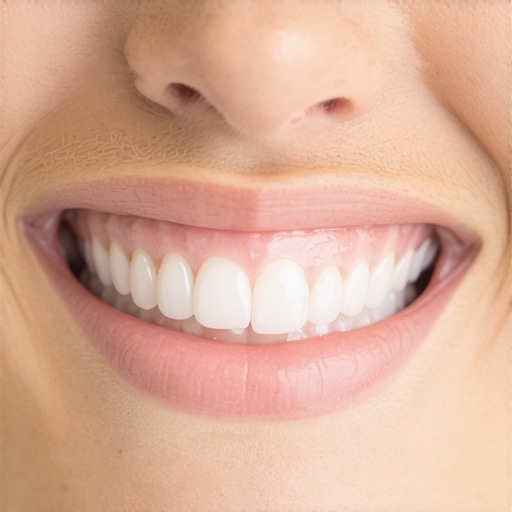
You know that feeling when you’re about to smile in a group photo, and suddenly, you hesitate? Maybe it’s because of stubborn stains or a dull, yellowish hue that just won’t go away, no matter how many whitening strips you try. I remember the first time I resorted to baking soda, thinking it was a cheap and natural solution. Big mistake! I ended up with irritated gums and no noticeable difference in my smile. That lightbulb moment made me dig deep into what really works, and I want to share that journey with you.
Is Baking Soda Safe and Effective for Whitening Teeth?
Many of us have heard that baking soda is a miracle worker for teeth whitening—an inexpensive, natural remedy that you can mix into your regular brushing routine. But the question is, is it truly worth the hype? My early attempts involved just sprinkling baking soda on my toothbrush, unaware of its potential to harm if misused. Turns out, overuse or aggressive scrubbing can wear down enamel, leading to increased sensitivity and even damage, which is the last thing anyone wants.
According to the American Dental Association, baking soda can help remove surface stains and freshen your breath when used properly, but it shouldn’t replace regular toothpaste or professional treatments. Instead, it can be a supplementary tool, used cautiously. My mistake was thinking more was better—didn’t realize that abrasive formulas can grind down your enamel over time, exposing nerve endings and causing discomfort.
If you’ve ever felt a burning sensation after brushing, that’s a sign to slow down. Regularly misusing baking soda can cause long-term damage rather than the bright smile you’re after. Want to learn safer, proven methods for whitening? There’s a lot more to it than just scooping up kitchen ingredients. To see what actually works and how to avoid pitfalls, check out some of the latest advice from trusted sources like this comprehensive guide on [dental crowns and whitening](https://familydentistpro.com/the-ultimate-guide-to-crowns-for-a-healthier-smile). We’re going to delve into the real solutions and help you achieve that radiant, healthy smile without risking your oral health.
Ready to uncover effective, safe whitening tips? Let’s get started!
Master Your Daily Oral Hygiene Routine
Start by brushing twice daily with a fluoride toothpaste. Use a soft-bristled brush held at a 45-degree angle to your gums. Consistent gentle brushing removes plaque without damaging enamel. Once, I struggled with aggressive scrubbing, which caused sensitivity, until I learned to adopt this gentle technique.
Incorporate Proper Flossing Practices
Floss daily to clean between teeth where brushes can’t reach. Use gentle sawing motions, not jerking, to avoid inflaming gums. I once missed flossing for days and noticed increased gum bleeding, so I set a reminder to floss every evening—this made a tangible difference in my oral health.
Introduce Whitening Tools Safely
Choose whitening products approved by dental professionals. Options include whitening strips, gels, or professional treatments. For instance, during my last visit, my dentist applied a custom whitening tray, which yielded better results and minimized sensitivity compared to over-the-counter methods. Check out professional whitening solutions for effective results.
Address Structural Dental Issues with Restorative Options
If you have damaged teeth or extensive staining, consider crowns or veneers. Crowns can restore function and appearance, acting like a shield for weakened teeth. I once had a chipped tooth restored with a crown; the process involved preparing the tooth, taking molds, and cementing the crown—results that looked natural and boosted my confidence. Learn more about crowns here.
Explore Orthodontic Solutions for Alignment
If misaligned teeth affect your smile and confidence, options like Invisalign or braces can straighten teeth discreetly. My brother used Invisalign, and it was barely noticeable—just a clear tray replacing metal brackets. Discover which solution fits your lifestyle here. Remember, proper alignment not only enhances aesthetics but also improves oral health by easier cleaning and reducing plaque buildup.
Prioritize Regular Dental Visits
Schedule check-ups every six months. Professional cleanings remove tartar and uncover hidden issues early. During one visit, my dentist identified early signs of gum disease and treated it before it worsened. Think of these visits as routine maintenance for your car; neglect leads to bigger problems down the road.
Select the Right Experts for Long-Lasting Results
Work with qualified dental professionals who understand your unique needs. Whether it’s restorative work or cosmetic enhancements, the right expert ensures durability and safety. Look for reviews or ask for recommendations—it’s worth investing time to find a dentist skilled in crowns or Invisalign. For advice on choosing the best practitioner, check this guide.
Beyond the Surface: What Many Dentists Don’t Tell You About Crowns
While crowns are a highly effective restorative option, a prevalent misunderstanding is believing they are a one-size-fits-all solution. Many assume that any crown will last forever, but the material choice and preparation technique greatly influence durability. For example, porcelain crowns are aesthetically pleasing but can be brittle if not properly designed. Conversely, porcelain-fused-to-metal crowns offer strength but may show a dark line at the gum line over time. Understanding these nuances allows for tailored treatment plans, ensuring longevity and satisfaction. A crucial mistake is ignoring the importance of choosing an experienced specialist; the right expert can make a difference between a crown that lasts 10 years versus one that fails prematurely. Dive into the details with our comprehensive guide on crowns.
Debunking Myths About Oral Hygiene Practices
One common myth is that brushing harder removes more plaque. In reality, aggressive brushing can erode enamel and cause gum recession, leading to increased sensitivity and decay risk. Gentle, circular motions are more effective and safer. Additionally, many believe that mouthwash replaces brushing and flossing; however, mouthwash is a supplemental tool, not a substitute for mechanical cleaning. Overuse of rinses with alcohol can dry out tissues and impair healing, so choosing the right product and using it sparingly makes a significant difference. Remember, consistent, proper technique beats quick fixes every time. For more insights, check out our top tips for family oral health.
Invisalign and Braces: Which Choice Is Truly Better?
Many assume Invisalign is always the superior option because of its discreet appearance. While Invisalign offers convenience and nearly invisible treatment, it’s not suitable for complex cases requiring significant tooth movement. What many overlook is that improper wear—like forgetting to change trays regularly—can delay results or cause relapse. Additionally, advanced features like attachments and refinements demand precise adherence and professional supervision. Choosing between Invisalign and traditional braces hinges on individual needs, which only a seasoned orthodontist can evaluate. To make an informed decision, review this comparison of orthodontic options. Never underestimate the importance of proper guidance for optimal outcomes.
What advanced mistakes do patients often make during Invisalign treatment that compromise results?
One of the most overlooked errors is not maintaining strict compliance with tray wear time, often leading to incomplete or poorly aligned results. Additionally, neglecting regular check-ups can cause minor issues to escalate unnoticed, undermining the entire treatment. It’s critical to follow your dentist’s instructions meticulously and to report any discomfort or misfit immediately. Recent studies suggest that patient compliance is directly linked to treatment success and duration, emphasizing the importance of professional guidance at each stage (source).
Family Dentistry: The Hidden Value of Preventive Care
Contrary to the misconception that routine visits are only necessary when problems arise, regular check-ups are foundational to maintaining oral health over a lifetime. Many overlook the early signs of issues like gum disease or decay, which are often painless initially. By catching these problems early, preventive measures can be less invasive and less costly. The real secret is integrating family-friendly technologies and personalized care plans that adapt as your child’s teeth develop. This proactive approach fosters healthier habits and fewer surprises down the line. Discover more about the latest innovations in family dentistry.
Have you ever fallen into this trap of misconceptions? Let me know in the comments, and share your experiences or questions!
Maintaining your oral health over the long term requires not just good habits but also the right tools and routine checks. I personally swear by investing in high-quality, dentist-recommended equipment that ensures thorough cleaning and durability. One such tool I rely on is the Philips Sonicare FlexCare toothbrush. Its sonic technology vibrations effectively dislodge plaque in hard-to-reach areas, something my manual brush struggled with. The smooth, pulsating bristles minimize gum irritation while providing a consistent clean, saving me from frequent dental visits. Additionally, I incorporate a water flosser like the Waterpik WP-660, which uses targeted water jets to clean interdental spaces—particularly beneficial after meals when food particles linger. Its adjustable pressure settings let me customize my cleaning without damaging sensitive gums, making daily flossing more comfortable and effective.
How do I maintain my dental tools over time? Keep Your Equipment in Prime Condition
Regularly replacing toothbrush heads every three months prevents bacteria buildup and maintains cleaning efficiency. For electric brushes, I clean the brush base weekly with a soft cloth and ensure the charging port remains dry to prevent corrosion. The water flosser reservoirs are emptied and dried after each use to inhibit mold growth. For higher-end tools like professional whitening trays, I follow the manufacturer’s cleaning instructions meticulously, usually rinsing with water and storing in a dry, ventilated area. Proper maintenance extends the lifespan of these devices, ensuring consistent performance and optimal oral health benefits.
Looking Ahead: The Future of Dental Maintenance Tools
Advancements like AI-driven toothbrushes are on the horizon, promising real-time feedback on brushing habits and coverage. Imagine a device that can detect plaque build-up or early signs of gum disease and alert you instantly. Such innovations are captivating and could revolutionize routine dental care by making it more proactive and personalized. As I anticipate these developments, I encourage you to incorporate current proven tools—like a sonic toothbrush and a water flosser—to enhance your daily routine. Want to step up your oral hygiene game? Try upgrading to an electric brush with additional features or a precision water flosser today. For detailed guidance on selecting the best tools, check out our recommendations for maintaining dental restorations.
The Unexpected Truth About DIY Whitening and Family Dental Care
One of the most eye-opening lessons I discovered is that quick-fix solutions like over-the-counter whitening products or misusing baking soda can actually harm your teeth more than they help. Personal experience taught me that patience, professional guidance, and a comprehensive approach are key to maintaining a radiant smile and healthy gums. I realize now that trusting experts and investing in the right tools—like a quality electric toothbrush—offers lasting results and peace of mind.
My Go-To Tools and Trusted Resources for Long-Term Oral Health
Over time, I’ve come to rely on tools such as the Philips Sonicare FlexCare toothbrush and Waterpik Water Flosser for effective daily cleaning. For trustworthy advice, I turn to reputable sites like comprehensive guides on crowns and comparative resources on orthodontic options. These sources help me make informed choices tailored to my unique dental needs, ensuring I enjoy the benefits of modern dental innovations while avoiding common pitfalls.
Let Your Smile Inspire Your Next Step
Understanding what truly works in dental care empowers you to adopt habits and tools that can transform your confidence and well-being. Taking ownership of your oral health journey, with the guidance of top-tier resources and expert advice, makes all the difference. Don’t wait for problems to escalate—start investing in your smile today and experience the difference it can make in your overall happiness and health.
Have you ever struggled with knowing which dental treatments are right for you? Share your experiences or questions below—I’d love to hear your story and help you navigate your path to a brighter, healthier smile.
.