
What to do if your dental bridge feels loose when you chew
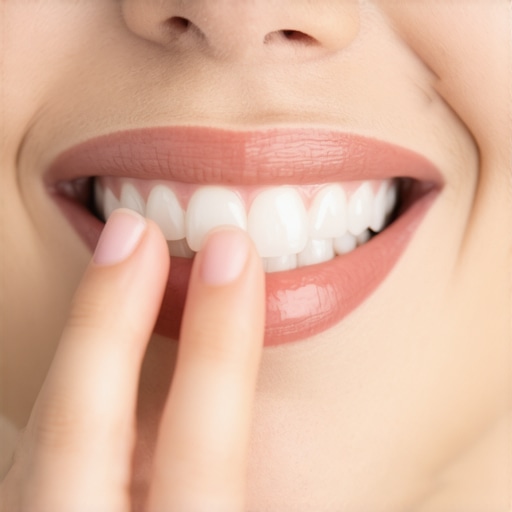
I remember the day it happened vividly. I was savoring a crunchy apple, and suddenly, I felt a strange wiggle in my mouth. Turns out, my dental bridge was loose. That unsettling moment made me realize just how vulnerable our oral health can feel when something as vital as a bridge isn’t holding firm. If you’ve ever experienced this, you know that initial panic – wondering if you’ll need a costly emergency visit or risk damaging your remaining teeth.
But here’s the truth: a loose dental bridge isn’t the end of the world. In fact, with the right knowledge and prompt action, you can manage the situation effectively. Today, I’ll share what I wish I knew then — practical steps based on personal experience and professional advice. Together, we’ll figure out how to handle this disconcerting problem before it becomes a bigger issue.
Why a Loose Dental Bridge Can Threaten Your Oral Health
When your dental bridge feels loose while you’re chewing, it’s not just uncomfortable—it can lead to more serious complications like decay beneath the bridge, damage to supporting teeth, or gum irritation. The stability of your dental work is paramount, as a compromised bridge can create pockets where food and bacteria accumulate, paving the way for infections. Recognizing early signs and acting swiftly is crucial. I learned the hard way that ignoring a loose bridge can turn a minor inconvenience into a major dental emergency.
So, what can you do if you find yourself in this situation? The first step is understanding the possible causes behind the looseness, which often include wear and tear, plaque buildup, or trauma to the area. This awareness helps you communicate more effectively with your dentist and ensures you don’t trigger any unnecessary panic.
Have you experienced the frustration of a loose bridge yourself? If so, you’re not alone. Keeping calm and knowing your options can make all the difference. Remember, seeking professional guidance promptly can prevent further damage and preserve your smile.
Is Your Tooth Loss Repair Worth the Effort?
One mistake I made early on was trying to fix the issue myself with over-the-counter dental adhesives. It might seem like an easy fix, but this can do more harm than good—potentially damaging your gums or complicating future repairs. Instead, reaching out to a trusted family dentist ensures you get expert advice tailored to your situation. If you’re unsure where to start, don’t hesitate to contact us for a consultation. Addressing your loose dental bridge now can save you time, money, and discomfort later.
Assessing the Situation Quickly
The moment you notice your dental bridge is loose, act fast but stay calm. Gently try to see if it wiggles with minimal pressure—if it moves significantly, it’s time to act. Avoid poking or trying to fix it yourself. Remember, your goal is to prevent further damage until professional care can be obtained. I had a similar experience when my bridge loosened after a big meal. I carefully checked its looseness, took pictures to show my dentist later, and avoided chewing on that side to prevent worsening the issue.
Remove Food Debris and Keep It Clean
Carefully remove any trapped food around the loose bridge using floss or a soft interdental brush. This minimizes bacterial buildup and reduces discomfort. Be gentle to avoid pulling the bridge out completely or causing pain. I once used unwaxed dental floss to dislodge stuck food, which helped me feel more comfortable and also gave my dentist a clearer picture of the problem. Maintaining a clean mouth is crucial while waiting for professional repair; accumulation of plaque can lead to decay underneath, complicating repairs further. Proper cleaning techniques can prevent worsening issues.
Temporary Fixes Do More Harm Than Good
While it might be tempting to use over-the-counter dental adhesives, this is risky. These products often aren’t intended for long-term use and could cause irritation or damage the supporting teeth or gums. I once tried a DIY fix with dental cement I picked up at the pharmacy. It was messy and painful, ultimately requiring an emergency dental visit. Trust that a professional will ensure your repair is secure and safe. If you’re unsure about handling the situation, contact your dentist immediately through our contact page.
Schedule Prompt Dental Attention
Contact your dentist as soon as possible—don’t delay. Explain the situation, including how loose it feels and any discomfort. A skilled family dentist can assess whether the bridge needs re-cementing, replacement, or further treatment like crowns. My experience with an emergency dental visit made me realize the importance of timely care; waiting could have led to decay or damage that complicated the situation. When you book your appointment, ask about the best ways to manage discomfort until it’s fixed. Consider viewing how family dentistry adapts to urgent needs for more insights.
Prevent Future Loosening
Good oral hygiene is your strongest defense. Brush regularly with fluoride toothpaste, avoid sticky foods that can dislodge the bridge, and attend routine check-ups. If your loose bridge is due to wear or deterioration, replacing it with a crown might be the better option for durability. You might also explore how crowns can enhance oral health. In my case, after replacing my bridge with a sturdier crown, I felt confident returning to my normal diet without worry. Consistent care and a proactive approach are key to maintaining your dental prosthetics and overall oral health.Many people believe they understand their dental treatments, but oversimplified ideas can lead to costly mistakes. For example, the notion that Invisalign aligners are just a cosmetic tool ignores their potential to improve oral function and long-term health, especially when paired with proper family dentistry strategies. Contrary to popular belief, not all dental crowns are created equal; some are marketed as long-lasting but may require more maintenance than expected, especially if placed without considering bite dynamics and material compatibility.
Can DIY Fixes Truly Save Your Dental Investment?
Many think that using over-the-counter dental adhesives can be a quick fix for loose crowns or bridges. However, this common misconception often results in damage to the restoration or adjacent tissues, making professional intervention unavoidable. A study published in the Journal of Esthetic and Restorative Dentistry emphasizes that improper DIY repairs can compromise the long-term success of dental restorations, leading to increased costs and discomfort. When it comes to family dentistry, there’s an underappreciated nuance: regular check-ups are not just for cleaning but are critical for early detection of subtle issues that could escalate, such as minor gum recession or early decay beneath restorations. Recognizing these signs early can prevent extensive procedures later. Have you ever fallen into this trap or thought you could handle dental issues at home? Let me know in the comments.Maintaining your dental restorations and appliances over time requires more than just good brushing; it demands reliable tools and effective methods. I personally rely on a few specialized devices to ensure my Invisalign trays, crowns, and family dental treatments stay in optimal condition. For instance, I swear by the *Ultraclean Ultrasonic Toothbrush*, which uses ultrasonic vibrations to dislodge plaque and debris from hard-to-reach areas, significantly extending the lifespan of my aligners and crowns. Regularly using a high-quality ultrasonic brush can make a noticeable difference, especially in preventing plaque buildup underneath restorations.
Beyond brushing, I recommend investing in a *PWDF (Pulsed Water Dental Flosser)* — a device I use daily to remove food particles lodged around crowns or between teeth. Unlike traditional floss, the pulsed water jet reaches deep into gum pockets, reducing the risk of inflammation and loosening of prosthetics. I find that incorporating this tool into my oral hygiene routine helps maintain long-term stability of crowns and bridges, saving me from costly replacements.
In addition to physical tools, having the right software for dental health tracking can be transformative. I personally utilize the *Dental Monitoring app*, which connects with Bluetooth-enabled toothbrushes and provides real-time feedback on brushing and flossing techniques. This technology allows me to immediately address any gaps or improper cleaning habits, thereby prolonging the life of my dental work.
Predicting where dental technology is headed, I believe smarter, AI-integrated devices will become mainstream. They will seamlessly monitor our oral health, alerting us of potential issues before they escalate—making routine maintenance proactive rather than reactive.
**How do I maintain dental appliances over time?** Regular check-ups are crucial, but supplementing this with advanced tools can prevent problems before they start. For example, consistently using ultrasonic cleaners and water flossers has helped me reduce plaque buildup significantly, especially around crowns and implants. To try this shared tip, I recommend exploring ultrasonic toothbrushes tailored for dental restorations—your future self will thank you. For additional insights on maintaining oral health innovations, check out the article on how Invisalign is transforming family dentistry in 2025.
My biggest eye-opener came when I realized that even the smallest mishaps with dental appliances can ripple into significant issues. One lesson I learned the hard way was the importance of never attempting DIY fixes on complex restorations—trusting professionals ensures longevity and safety. It’s incredible how proactive measures like incorporating ultrasonic toothbrushes and water flossers have transformed my routine, preserving the integrity of my crowns and Invisalign trays. Beyond tools, embracing emerging tech, like dental monitoring apps, has empowered me to catch minor issues before they escalate, saving time and discomfort. Remember, investing in your oral health isn’t just about immediate results but cultivating habits and using resources that deliver lifelong benefits. So, my advice? Stay curious, adopt innovative solutions, and never underestimate the value of professional guidance in your dental story.