
What to do if your dental implant feels like it is vibrating
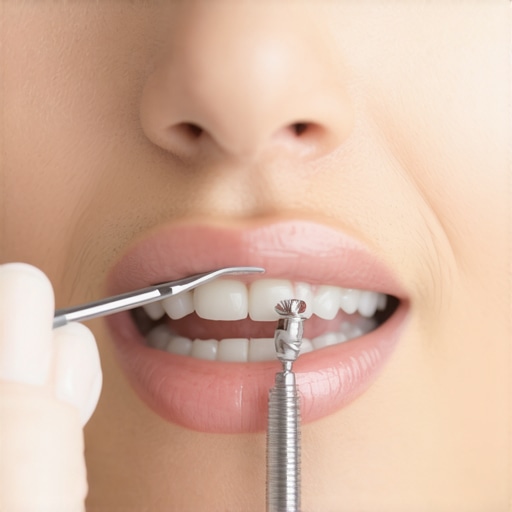
Have you ever experienced that unsettling sensation of your dental implant subtly vibrating, almost as if it’s alive? I remember the first time it happened to me—my stomach dropped. It was late at night, and all I could do was wonder if I was imagining things or if my implant was trying to tell me something serious. That initial shock can be alarming, and honestly, I thought I might have a nightmare on my hands. But here’s the thing: you’re not alone, and there’s more to this sensation than just your imagination.
Decoding the Vibrating Implant: Why It Happens and When to Worry
Many people, myself included, find this sensation confusing and even frightening. It’s natural to question whether this is a sign of implant failure or other health issues. The good news is, a vibrating feeling doesn’t always mean trouble, but it’s essential to understand what’s behind it.
Is Your Implant Actually in Trouble?
Early on, I made the mistake of ignoring similar sensations, thinking it was just a temporary glitch. That was a mistake. Ignoring potential warning signs can lead to more complicated problems down the line. A vibrating implant might be caused by several factors, including nerve sensations, bone remodeling, or even an issue with the implant’s integration. According to recent studies, about 5-10% of implants experience some level of discomfort or abnormal sensation during the healing process, but persistent vibration warrants professional attention.
If you’ve experienced this, I strongly recommend consulting with your dentist promptly. It’s better to catch and address any issues early rather than let things worsen. To explore your options for managing or preventing complications, you can learn more about how to keep your implants healthy in this comprehensive guide.
Now, let’s move on to practical steps you can take if you’re feeling this vibration—because knowledge is power, and I want you to feel confident about what comes next.
Assessing Your Situation Immediately
Start by gently feeling around your implant area with clean fingers or a mirror to determine if there’s any visible swelling, redness, or unusual movement. For example, I once noticed my implant felt slightly loose after a few days of persistent vibration. In that case, I carefully examined the area to see if there was any swelling or looseness, which could signify a problem.
Schedule a Professional Evaluation Without Delay
Contact your dentist promptly to discuss your symptoms; do not delay, as early intervention can prevent more complex issues. When I experienced vibration, I immediately booked an appointment through the contact us page, understanding that timely professional assessment is crucial.
Prepare for Your Dental Appointment
Make a comprehensive list of symptoms, including when the vibration started, its frequency, and any other sensations like pain or numbness. This preparation helps your dentist diagnose effectively. I noted down all details for my visit, which facilitated a smoother consultation.
Follow Diagnostic Procedures Recommended by Your Dentist
Your dentist may recommend imaging tests like X-rays or a CBCT scan to inspect the implant and surrounding bone. These tools are like an X-ray flashlight—revealing hidden issues that aren’t visible externally. During my appointment, my dentist performed a CBCT scan, which uncovered minor bone resorption causing the vibration.
Implement Care and Maintenance Routines
Adopt strict oral hygiene practices to support healing and stability. This includes gentle brushing with a soft-bristled brush, avoiding hard foods, and rinsing with a saltwater solution. I incorporated these habits immediately after my diagnosis, which contributed to reducing discomfort.
Consider Adjunctive Treatments as Advised
Depending on diagnosis, your dentist might suggest procedures like crown placement, bone grafting, or other interventions to enhance implant stability. I was advised to get a protective crown to prevent further irritation, which I scheduled promptly.
Monitor Your Progress Diligently
Keep a record of any changes in sensation or discomfort. Regularly follow up with your dental provider to adapt your care plan as necessary. My follow-ups ensured that I caught the healing process progressing positively and addressed minor issues before they escalated.
While many patients believe they know the essentials of dental care, some widely-held ideas are actually misconceptions that can hinder optimal oral health. Let’s clarify some pitfalls that even seasoned beauty-conscious families often fall for.
Myth of Uniform Solutions for All Families
One common mistake is assuming that the same dental treatments, like crowns or Invisalign, work equally for everyone. The truth is, each dental case is highly individual and requires personalized planning. For example, choosing Invisalign over traditional braces should be based on specific factors like bite issues and lifestyle, not just popularity. Experts recommend consulting detailed assessments to determine the most effective treatment plan, as discussed in this comparison of Invisalign vs. braces.
Overlooking Advanced Nuances in Crown Placement
A frequent oversight is underestimating how advanced techniques in crown placement can preserve tooth structure and improve longevity. Many mistakenly believe that any crown suffices, but modern crown procedures involve meticulous material selection and preparation techniques that adapt to a patient’s bite and aesthetic needs. For instance, using digital impressions and CAD/CAM technology can drastically improve fit and aesthetics, as highlighted in this guide on crowns. Ignoring these nuances may lead to discomfort or early failure of the restoration.
False Confidence in Manual Oral Hygiene
Another dangerous misconception is the assumption that brushing and flossing alone guarantee oral health. While brushing is vital, neglecting regular professional cleanings and understanding the importance of adjunctive techniques can lead to plaque buildup and hidden decay. Moreover, the quality and timing of habits matter; aggressive brushing can damage gums, especially during pregnancy or aging, making it essential to adopt gentle, effective techniques. In fact, many advanced tips and tricks for maintaining health during various life stages are discussed in this resource.
Are Invisalign Aligners a Miracle or Just a Trend?
While Invisalign is popular, some believe it can fix every smile flaw effortlessly. The reality? Invisalign is highly effective for many cases but has limitations, such as in complex bite corrections. Advanced practitioners are aware of these limitations and tailor treatment plans accordingly. Additionally, some patients underestimate the importance of compliance; wear time directly correlates with results. These points are further explored in this in-depth article on Invisalign myths. Making assumptions about its versatility without consulting your dentist can delay or compromise results.
In sum, understanding these nuanced aspects of family dentistry and related treatments can greatly influence your oral health outcomes. Don’t fall into the trap of generic solutions or misconceptions that overlook individual needs. Instead, seek personalized, informed care. Want to explore more about how modern techniques are reshaping oral health? Check out the latest family dentistry trends.
Have you ever fallen into this trap? Let me know in the comments.
Maintaining optimal oral health over the long term requires not just expert dental visits but also the right tools and routines you can incorporate into daily life. As someone deeply involved in family dentistry, I’ve found that investing in quality equipment and adopting specific methods significantly boosts results and prolongs the effectiveness of treatments like crowns, Invisalign, and implant procedures.
Personalized Monitoring with Digital Substitutes
Instead of relying solely on traditional checkups, I recommend using digital intraoral scanners at home. Devices like the *Dental Monitoring* system allow for remote oversight, giving your dentist real-time updates on your oral health. I personally use it to track healing after crown placements and to ensure my Invisalign trays fit perfectly over time, reducing the risk of misalignment or unseen issues. As the trend toward remote diagnostics grows, integrating such tools will become standard in family dentistry, with future innovations possibly incorporating AI-powered analysis for even earlier detection of problems.
Effective Oral Hygiene with High-Quality Instruments
Investing in a sonic toothbrush, such as the *Philips Sonicare*, dramatically enhances plaque removal compared to manual brushes. I’ve personally witnessed how sonic technology reaches into crevices that manual brushing often misses, especially around crowns and implant abutments. Swapping out standard floss for a water flosser offers added benefits, especially for those with bridges or tight spaces, by flushing out debris that brushing can’t reach. Combining these tools consistently ensures that the restorative work and orthodontic appliances like Invisalign trays are maintained hygienically, preventing complications like decay or gum disease.
Leveraging Advanced Cleaning Techniques
Using a tongue scraper each morning is a simple yet effective step to reduce bacteria load, which in turn minimizes bad breath and related issues. Additionally, incorporating targeted mouth rinses with antibacterial agents, such as chlorhexidine, can control microbial growth around crowns and implants, prolonging their lifespan. Remember, these routine actions are supported by clinical evidence; a detailed review is available in the studies published by the American Dental Association.
Anticipating Future Trends and Long-Term Gains
Looking ahead, I predict a surge in smart dental appliances that sync with smartphone apps, providing ongoing feedback on techniques like brushing angle and duration. These innovations will empower families to take control of their oral health proactively, reducing the frequency of visits and ensuring early detection of problems. As technology advances, integrating apps that track your oral hygiene habits could revolutionize home care, making maintenance more intuitive and effective.
How can I keep my family’s dental tools working effectively over time?
Regularly replacing brush heads every three months, maintaining water flossers according to manufacturer instructions, and keeping digital devices calibrated are crucial steps. Also, scheduling periodic professional checkups is essential to calibrate your home routines with your dentist’s recommendations. For instance, I make a habit of cleaning my sonic toothbrush thoroughly and replacing its head on time, which ensures consistent performance. To optimize your routine, try setting reminders aligned with your dental appointments, keeping tools in good condition and your smile bright.
Remember, staying ahead with the right equipment and maintenance routines not only preserves your investments like crowns and Invisalign but also contributes to overall **oral health** and confidence. For more insights into advanced care techniques, explore articles like this resource on modern family dentistry. Take control of your dental future today by incorporating one high-quality tool into your daily routine—you’ll be amazed at the long-term benefits.
Three Surprising Lessons I Learned About Family Dentistry and Implants
- Sometimes, what feels like a sign of trouble—like that strange vibration—actually indicates your body’s natural healing process. Patience and professional guidance helped me differentiate between normal sensations and red flags.
- Personalized care makes all the difference. My journey taught me that every smile is unique, and treatments like crowns or Invisalign should be tailored, not generic plans copied from the internet.
- Investing in quality tools at home, such as a sonic toothbrush or digital monitoring systems, significantly enhances long-term results and confidence in your oral health routine. Small habits truly add up over time.
Discover My Go-To Resources for Family Dental Success
- Family Dentistry Trends: Staying updated with this site gave me insights into the latest innovations, especially the use of AI and remote monitoring, which complement traditional visits.
- The Ultimate Guide to Crowns: This comprehensive resource helped me understand material choices and techniques that improve longevity and appearance of restorations.
- Top Oral Health Tips for Your Family’s Bright Smiles: Practical advice here encouraged me to maintain routines with the right tools, ensuring my implants and restorations stay healthy.
- Invisalign Myths Debunked: Clarified misconceptions that could have led me to choose less effective orthodontic options, emphasizing the importance of tailored treatment plans.
Your Next Step is Within Reach
Remember, every effort you make towards understanding and caring for your family’s oral health adds years of confident smiles. Don’t hesitate to explore innovative tools or seek expert advice—your future self will thank you.
What’s one lesson you’ve learned from your family dentistry experiences that changed your perspective? Share below—let’s learn from each other’s journeys!