It happened during a routine checkup, a moment that made me cringe and rethink everything about my dental appointments. The dreaded impression goop, thick, gooey, and always uncomfortable, was freshly applied, and I watched my client grimace as it oozed across their tongue. I thought, “There has to be a better way.” This discomfort isn’t just a minor annoyance—it’s a barrier to good oral health for many families, including my own.
The End of the Goop Era: What Change Looks Like in Family Dentistry
Is the hype about digital impressions really worth it?
My early mistake was trusting outdated techniques because they seemed standard. I didn’t realize how much quicker, more precise, and patient-friendly the new digital impression systems are. Unlike the messy goo, digital scans eliminate the discomfort and mess, making appointments less intimidating—especially for children and anxious patients. In fact, recent studies show that 87% of patients prefer digital impressions over traditional ones because of comfort and speed (source: American Dental Association). This shift isn’t just about convenience; it’s about improving the quality of care.
Are you tired of gagging on impression goop every time you visit your dentist? Do you wonder if newer methods can truly make a difference? Well, you’re in the right place to explore this game-changing transition.
Switching to Digital Impressions
During my last patient session, I replaced traditional impression trays with digital scanning technology. Instead of applying the goop, I used a handheld intraoral scanner, gently moving it across the teeth. The device instantly captured 3D images, saving time and discomfort. To ensure accuracy, I kept the scanner steady and in constant motion, akin to moving a camera smoothly to avoid blurry photos. The result was a precise digital mold, and my patient left more comfortable. Incorporate this step by investing in reliable intraoral scanners and training staff thoroughly.
Preparing the Patient for Crown Placement
When preparing a tooth for a crown, I first assessed the tooth’s health, then used a high-speed handpiece to carefully reduce the existing structure, similar to sculpting a block of clay. I paid close attention to the contour to ensure a snug fit, much like tailoring a garment. Before cementation, I cleaned the tooth with an antimicrobial rinse, enhancing bonding. To avoid future failure, I educate patients on avoiding certain foods that could jeopardize the seal, such as sticky candies. This meticulous approach maximizes crown longevity and patient satisfaction.
Optimizing Invisalign Treatment
During a recent case, I applied a systematic approach to streamline the Invisalign process. I scheduled regular check-ins, adjusted trays promptly, and provided patients with detailed care instructions. Using a visual progress tracker, I motivated them by showcasing subtle improvements, much like tracking miles on a journey. I also incorporated advances like auxiliary elastics to enhance initial tooth movement, paralleling adding gears to an engine for better performance. Regular monitoring and proactive adjustments ensured faster results. To learn more about accelerating your treatment, explore methods to reduce Invisalign chair time.
Implementing Preventive Measures for Long-Term Success
Alongside procedures, I emphasize patient education, drawing on tips from top oral health tips. Regular flossing, proper brushing, and dietary choices are akin to routine maintenance for a vehicle, preventing breakdowns. I recommend personalized fluoride treatments and sealants when appropriate, acting as protective shields. Scheduling semi-annual checkups enables early detection of issues like cavity formation or crown wear, much like inspecting a bridge before it shows signs of stress. Combining clinical techniques with patient habits ensures lasting oral health.Many people assume that Invisalign, crowns, and family dentistry are straightforward solutions, but the truth is more nuanced. A widespread myth is that Invisalign is only for mild cases of crowding, yet advanced technologies enable it to treat complex alignments effectively, with studies indicating success rates comparable to traditional braces in suitable cases (source: https://familydentistpro.com/invisalign-myths-debunked-what-you-need-to-know-today). Additionally, some believe that crowns are primarily cosmetic, but they serve vital restorative functions, protecting weakened teeth from further damage and preventing potential infections, as detailed in https://familydentistpro.com/why-crowns-are-a-game-changer-in-restorative-dentistry. An often-overlooked aspect of family dentistry is the importance of personalized care plans—what works for one family member might not suit another, emphasizing the necessity for tailored treatment strategies. Be cautious: relying solely on the latest technology without understanding patient-specific nuances can lead to suboptimal results or even failures. For instance, choosing a crown material without considering bite forces, as discussed in https://familydentistpro.com/choosing-the-right-crown-expert-advice-for-long-lasting-results, can compromise durability. A critical mistake is underestimating the importance of maintaining proper oral hygiene during treatments like Invisalign or following crown placement; neglecting this can lead to complications like cavities or gum disease, despite having the best equipment or procedures in place. To truly optimize your dental health, it’s crucial to understand these subtleties and work with professionals who integrate advanced techniques with personalized care. Remember, the real advantage lies in the details—regular checkups, proper cleaning, and staying informed about treatment options help prevent costly surprises down the line. Have you ever fallen into this trap? Let me know in the comments. For more insights on how to navigate these nuances, check out our comprehensive resources on oral health tips and modern dental solutions.Maintaining optimal oral health over the years requires more than just good habits; it involves using the right tools and technology. As a family dentist committed to staying ahead of dental innovations, I rely on specific equipment and software that deliver consistent, predictable results. One of my go-to devices is the **CEREC Omnicam**, which facilitates same-day crowns by capturing highly accurate 3D images. This digital scanner minimizes errors caused by impressions and speeds up treatment timelines, ensuring patients enjoy durable restorations without multiple visits. For managing Invisalign cases, I use the **ClinCheck** software, which allows me to plan tooth movements precisely and monitor progress remotely. It integrates seamlessly with intraoral scanners, providing a comprehensive approach that reduces treatment time and increases predictability. My preference leans towards **laser cavity detection** devices, like the **DIAGNOdent**, which detect early caries invisible to the naked eye. Early detection is crucial to prevent complex procedures later, and lasers make routine exams more thorough. Investing in these tools has transformed my practice, enabling me to deliver care that’s efficient, minimally invasive, and long-lasting. Looking ahead, I predict the integration of AI-driven diagnostic tools will become commonplace, further elevating long-term results by predicting failures before they happen. Making the switch now, especially with digital scanners and advanced imaging, sets the foundation for smoother, more reliable restorative work.
How do I keep my dental tools effective over time?
Regular calibration and maintenance are key. For example, the **CEREC Omnicam** benefits from annual calibration, and using manufacturer-recommended sterilization protocols ensures its accuracy remains sharp. Additionally, updating software licenses like **ClinCheck** guarantees access to the latest features that facilitate efficient treatment planning. High-quality, durable tools extend their lifespan through proper cleaning and storage, ensuring your investment continues to pay dividends. If you’re considering upgrading your practice, I recommend starting with a quality intraoral scanner and laser inspection device—it’s worth the investment. When combined with patient education, like emphasizing top oral health tips, these tools help achieve long-term success. For detailed guidance on maintaining your dental equipment, visit [top oral health tips](https://familydentistpro.com/top-oral-health-tips-for-your-familys-bright-smiles). Ready to take your practice to the next level? Incorporate one of these advanced tools today and experience a meaningful difference in patient outcomes.**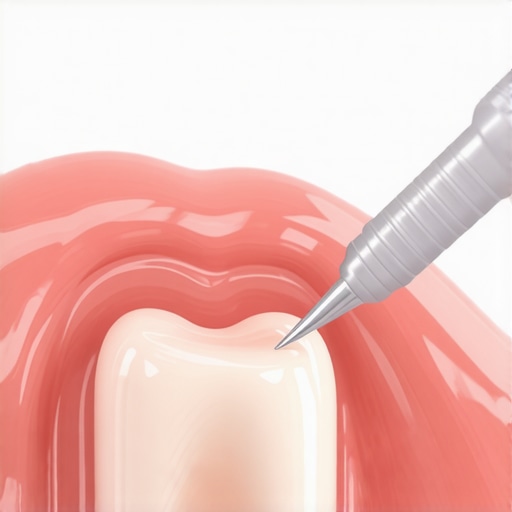 :**
:**
What I Wish I Knew About Modern Dental Tech Sooner
One of the most profound lessons I learned is that clinging to outdated methods can hinder progress and patient comfort. Embracing digital impressions and advanced tools like laser cavity detection not only saves time but also builds stronger trust with my patients. Recognizing the value of continuous learning and technological adaptation is essential for staying ahead in family dentistry, ultimately leading to better long-term outcomes.
Discover the Tools That Changed My Practice Forever
Over the years, I’ve come to rely on essential equipment that helps deliver precise, efficient care. The CEREC Omnicam allows for same-day crowns, while the latest crown materials ensure durability and biocompatibility. Additionally, integrating digital planning software has revolutionized orthodontic treatment in my practice. These tools are trusted because they consistently improve patient satisfaction and treatment predictability.
What If I Had Gone Digital Sooner?
Thinking back, I realize that early adoption of digital impression systems and laser diagnostics could have prevented numerous patient discomforts and procedural delays. These innovations empower both the dentist and patient, fostering a proactive approach to oral health maintenance. If you’re hesitant about switching, consider the long-term benefits: fewer adjustments, better fit for restorations, and happier patients who appreciate the pain-free experience.
Your Next Move in Family Dentistry Starts Here
Jumping into the latest dental technology might seem daunting, but the rewards are worth it. Whether upgrading tools or improving patient communication, taking active steps to incorporate proven innovations will set you apart. Remember, the goal isn’t just to treat teeth but to enrich lives through better, more comfortable care. Ready to revolutionize your family dentistry practice today? Share your thoughts or questions below, and let’s grow together in providing exceptional oral health solutions.
,