
Why your breath smells like metal right after a deep cleaning
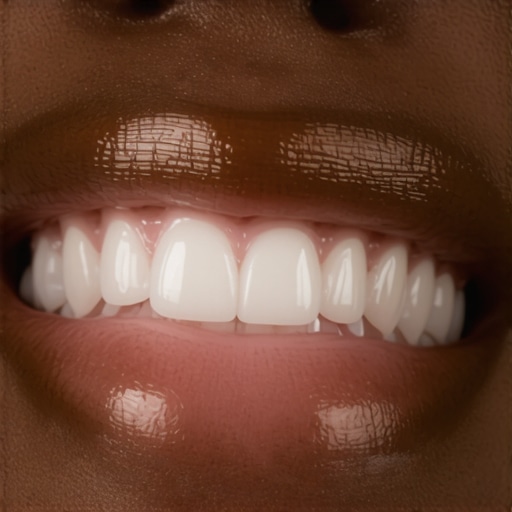
Ever had that startling moment right after your dental cleaning when you notice your breath smells like iron or metal? I remember the first time it happened to me—it was a confusing and slightly alarming experience that left me wondering if I was somehow harming myself by ignoring it. Turns out, I’m not alone. Many folks encounter this sensation and wonder what’s going on beneath the surface.
Understanding the Metal Breath Mystery: What’s Really Happening During Your Deep Clean
When I first faced that metallic smell, I assumed something was wrong with my teeth or gums. But after talking with my dentist and doing a bit of digging, I discovered that this smell is often related to the cleaning process itself—specifically, the removal of plaque and tartar can temporarily alter the balance of your oral environment. Small traces of bleeding during cleaning can also release blood, which contains iron, contributing to that raw, metallic taste and smell. Additionally, some deposits of old dental work or staining materials can release their own metallic scent once disturbed. Interestingly, a study found that many individuals report a metallic taste or smell after dental procedures, which usually resolves as the mouth recovers.
Could There Be Something More Than Just a Temporary Side Effect?
While most cases are fleeting, I learned that lingering metallic tastes might sometimes point to other factors—like mineral deficiencies, certain medications, or underlying health conditions. But before jumping to conclusions, it’s critical to understand that in most instances, this sensation is a normal part of the oral healing process, especially after extensive cleanings or procedures involving crowns and fillings. Trusting your dentist’s guidance and maintaining good oral hygiene can make a huge difference in minimizing this odd side effect.
If this phenomenon sounds familiar or you’re simply curious about how your dental health influences more than just your smile, I invite you to keep reading. Together, we’ll explore practical steps to reduce this discomfort and ensure your oral health remains bright and fresh long after your appointment.
Keep Your Mouth Moist and Rinse Thoroughly
After your dental appointment, always drink plenty of water to keep saliva flowing. Saliva acts as a natural cleanser, washing away loosened debris and reducing metallic tastes. Rinsing with a fluoride mouthwash can further neutralize odors and promote healing, especially if your gums bled during cleaning. I remember once rinsing with a mint-flavored rinse right after a deep cleaning—this immediately left my mouth feeling fresher and less metallic. Be diligent with rinsing for at least 30 seconds, and repeat as needed.
Apply Gentle Home Remedies
Brushing your tongue and the roof of your mouth with a soft toothbrush can help remove residual blood or deposits causing metallic smells. Incorporate a teaspoon of baking soda into your toothpaste or use a baking soda rinse to neutralize odors. I once experimented with a baking soda rinse—dissolving half a teaspoon in a cup of water—and found that it temporarily neutralized the metal-like taste. Do this twice daily for a couple of days to help stabilize your oral environment.
Adjust Your Diet for Better Healing
Consuming crunchy fruits and vegetables, like apples or carrots, stimulates saliva flow and provides gentle abrasion to remove lingering debris. Avoid acidic or very hot foods immediately after cleaning, as they can irritate sensitive gums and exacerbate metallic tastes. I learned this during a time I was sensitive to certain foods post-cleaning; sticking to bland, hydrating foods made a noticeable difference in discomfort levels.
Manage Bleeding and Iron Sensitivity
If bleeding occurred during cleaning, iron from blood can contribute to the metallic smell. Applying a cold compress to your cheeks can reduce bleeding and soothe tissues. Using a gentle saltwater rinse—dissolving a teaspoon of salt into warm water—can promote clotting and reduce bleeding areas that cause this smell. I tried this method after a particularly extensive cleaning, and it helped cap bleeding quickly.
Maintain Consistent Oral Hygiene
Good daily oral hygiene prevents plaque buildup and minimizes bacterial activity that causes bad smells. Floss gently around crowns, fillings, or implants to avoid disrupting any recent work. Regular brushing with fluoride toothpaste, along with interdental brushes if needed, ensures no residual debris linger. I adopted a routine using an interdental brush around my crowns; this significantly reduced my metallic breath incidents over time.
Monitor and Seek Professional Advice
If metallic smells persist beyond a few days despite these steps, consult your dentist. Lingering signs might signal underlying issues like mineral deficiencies or sensitivities. For example, I once noticed a persistent metallic taste that lasted over a week—my dentist identified it as related to a recent medication change and provided targeted advice, which resolved the problem quickly. Regular check-ups ensure your oral health stays on track and any abnormal sensations are addressed promptly.
Implementing these practical steps helps optimize healing after dental cleanings and minimizes that problematic metallic breath. Consistency is key; over time, your mouth should return to feeling fresh and comfortable, enhancing your overall oral health experience.
Many patients believe that getting dental crowns, choosing family dentistry, or opting for Invisalign are straightforward decisions, but there’s often a nuanced truth that gets overlooked. For instance, a common myth around crowns is that they automatically last a lifetime. In reality, the longevity of a crown hinges on factors like oral hygiene and the expertise of placement. Poor maintenance can lead to microcracks and eventually, failure, which is why choosing an experienced dentist—like those featured in our detailed guide on crown expertise—matters immensely. This contradicts the widespread assumption that crowns are a set-it-and-forget-it solution.
Similarly, there’s a misconception that family dentistry is just about cleanings and fillings. But, in my experience, modern family practices integrate technologies like digital X-rays and minimally invasive procedures, drastically improving outcomes across all ages. A trap to avoid here is undervaluing these advances, which can lead to opting for outdated methods that prolong treatment times or increase costs. For example, staying informed through resources such as family dentistry trends can help you make smarter choices.
Invisalign, often seen as just a cosmetic apparatus, actually offers functional benefits that many overlook. The misconception persists that Invisalign is only suitable for minor misalignments, but with recent innovations, it can correct complex cases too—what I call the “hidden advantage” of Invisalign. Advanced treatment planning software allows for precise movements, sometimes rivaling traditional braces. If you’re curious about these innovations, check out Invisalign innovations.
Now, a question that often challenges even seasoned patients is: How do I know if my dental work is truly durable or if I’m facing a hidden complication? This is where deep knowledge about materials and wear patterns becomes crucial. Unlike generic advice, understanding the subtle signs of deterioration—like minor cracks, discoloration, or slight shifting—can prevent major issues. Experts emphasize that regular check-ups combine the visual and radiographic assessments needed to uncover these nuances early, as pointed out in latest Invisalign research. So, instead of settling for assumptions, stay vigilant about the real signs your oral health needs attention.
To sum up, getting the true story behind crowns, family dentistry, and Invisalign requires moving beyond myths and superficial knowledge. It’s about understanding the details that influence durability, functionality, and overall health. Have you ever fallen into this trap? Let me know in the comments. When you arm yourself with knowledge, you can make decisions that truly benefit your long-term oral health.
How do I keep my dental work last and perform at its best over time?
Maintaining your dental restorations, implants, and orthodontic appliances relies heavily on the right tools and techniques. Personally, I swear by a few specific products that make a significant difference in my daily routine and long-term results. For example, an ultrasonic water flosser, like the Waterpik, is indispensable for me. Its high-frequency pulsations and pressurized water effectively remove plaque from between teeth and around crowns, especially in hard-to-reach areas. Unlike manual flossing, which can sometimes miss plaque near angled restorations, this device ensures thorough cleaning without damaging delicate restorations.
 Invisalign technology are also evolving to include integrated sensors that monitor wear, ensuring your aligners are functioning optimally for long-term success.
In my experience, integrating advanced tools into daily routines isn’t just about convenience; it’s a vital investment in your oral health. I recommend trying a calibrated ultrasonic water flosser combined with specialized interdental brushes—these two tools, used consistently, significantly enhance your ability to keep dental work performing at its best. Remember, a small ergonomic investment now can prevent major restorative procedures down the line, saving time, discomfort, and money.
If you want to see real improvement, start by selecting a high-quality water flosser and commit to using it daily. Incorporate it into your morning and evening routines, making it a non-negotiable part of your oral health regimen. With persistent effort, you’ll notice your restorations, crowns, and aligners maintain their integrity, and you’ll reduce the risk of complications that come from inadequate cleaning.
The Hardest Lesson I Learned About crowns, family dentistry, Invisalign, oral health
One of the most profound lessons I’ve embraced is that no single treatment, no matter how advanced, guarantees perfect results without consistent care and understanding the nuances involved. I used to believe that getting a crown or starting Invisalign was a quick fix, but experience taught me that long-term success demands patience, education, and continuous attention to detail. Recognizing that each patient’s journey is personal transformed how I approach dental care.
3 Myths About crowns, family dentistry, Invisalign, oral health That Held Me Back
Believing that crowns last forever, or that family dentistry is only for cleanings, can hinder proactive health. I also thought Invisalign was only for minor imperfections, which I now know isn’t true thanks to ongoing innovations—discover more about these breakthroughs on Invisalign advancements. Letting go of these myths opened the door to better care and realistic expectations, encouraging me to seek comprehensive solutions rather than shortcuts.
What Experts Won’t Tell You About crowns, family dentistry, Invisalign, oral health
Sometimes, the hidden truths are in the details—like how material choices affect crown longevity or how emerging technologies can radically improve Invisalign treatment. I’ve learned that asking questions, staying updated on latest research, and choosing experienced professionals make all the difference. For an inside look, consult trustworthy sources and be an active participant in your oral health journey, avoiding assumptions that could cost you time and money.
My Essential Toolkit for maintaining oral health after treatment
Over the years, I’ve curated a collection of tools that significantly boost the lifespan and functionality of dental work. Devices like the Waterpik water flosser make a visual difference in my daily routine, especially around crowns or implants. With interdental brushes tailored to my needs, I reach areas manual brushing often misses. Combining these with gentle saltwater rinses and specialized toothpastes has turned my daily routine into a preventative powerhouse. Personally trusted brands and well-reviewed resources ensure I stay ahead of potential issues, emphasizing that investing in good tools is investing in long-term health.
Keep Your Mind Open to a Bright, Healthy Future
The road to lasting oral health is one of continuous learning and proactive care. Don’t hesitate to explore new technologies like smart toothbrushes or stay informed through trusted channels such as family dentistry trends. Remember, your commitment today shapes your smile tomorrow. Embrace the journey with confidence, knowing that each small effort contributes to a lifetime of health and happiness.
What small change are you willing to make today to improve your dental care? Share your thoughts below—your story might inspire someone else to take that next step!
_