
Why your Invisalign attachments keep falling off on the same tooth
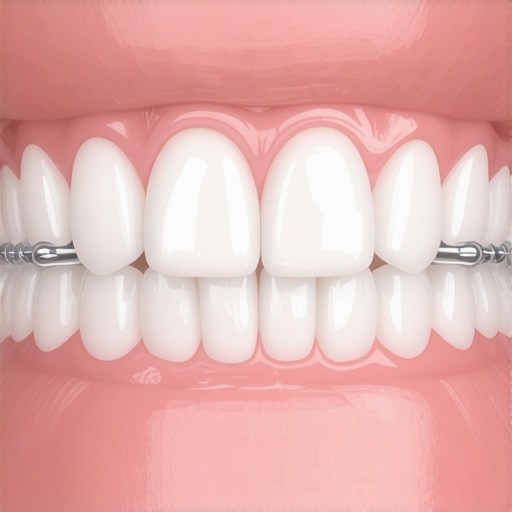
If you’ve ever felt that sinking frustration when your Invisalign attachments fall off again and again on the same tooth, you’re not alone. I remember the moment I first experienced it—rushing to put my aligners in, only to find the attachment gone. It was a small thing, but it threw off my confidence and made me wonder if I was doing something wrong. At that point, I realized this wasn’t just a minor annoyance; it was a common challenge that many Invisalign wearers face.
Why Does This Keep Happening to Me?
Attachments are small tooth-colored bumps glued onto your teeth to help your Invisalign aligners grip better. They’re essential for certain movements, especially when extra force is needed. But if you’re noticing the same attachment falling off on the same tooth repeatedly, it’s worth digging deeper into what’s going on.
Could I Be Making a Simple Mistake?
Absolutely. Early in my own journey, I made the mistake of neglecting how important it is to keep the area around the attachment clean and dry. Moisture can weaken the bond, causing attachments to loosen prematurely. Learning to brush gently around these spots and avoiding sticky or hard foods during treatment made a real difference. Want to learn more about common Invisalign myths? Check out Invisalign myths debunked.
But sometimes, even with perfect oral hygiene, attachments can detach. This can be due to factors like bite pressure, the shape of your tooth, or the way your aligners fit. If you’re facing this constant recurrence, it suggests there might be underlying issues worth discussing with your dentist or orthodontist.
When attachments keep falling off on the same tooth, it can delay your treatment and increase discomfort. So, what can be done? That’s exactly what we’ll explore next—practical steps to prevent this frustrating cycle and keep your treatment on track. Ready to solve this puzzle once and for all? Let’s dive in.
,
Secure Attachement Placement for Lasting Results
Start by ensuring your teeth are thoroughly cleaned before your appointment. Use a soft toothbrush and floss gently around the targeted teeth to remove any plaque or debris that might interfere with bonding. During the bonding process, your orthodontist will etch the tooth surface with a mild gel, creating micro-roughness that helps the adhesive grip better. I observed in my own treatment that waiting a few extra minutes for the gel to act made a noticeable difference in bond strength.
Master the Art of Gentle Oral Hygiene
Once attachments are bonded, maintain meticulous oral hygiene. Brushing twice daily with a soft-bristled toothbrush and avoiding abrasive or sticky foods can prevent weakening the bond. I learned that even rinsing with water after meals helped keep the area dry and clean, which is crucial because moisture can compromise adhesion.
Handle Your Aligners with Care
Remove your aligners carefully to avoid dislodging attachments. When taking them out, use your fingertips to gently lift the aligner from the sides, especially around the attachment zones. During my own experience, I accidentally used excessive force, which caused a bond failure. Adopting a gentle technique significantly reduced attachment loss.
Mitigate Excessive Bite Pressure and Jaw Movements
Pay attention to how you chew and speak. Large bites or hard foods increase bite pressure, risking attachment detachment. Consider cutting tough foods into smaller pieces. I found that avoiding chewing gum or biting into hard crusts during treatment decreased the likelihood of attachments popping off. If your bite feels unusual or uneven, consult your dentist to evaluate your occlusion and prevent undue stress.
Consult Your Orthodontist for Persistent Detachments
If attachments keep falling off on the same tooth despite diligent care, it might indicate an underlying issue such as a tooth shape or positioning problem. Your orthodontist may recommend alternative solutions, including re-bonding or using different attachment shapes. I had a tooth with a shallow groove, which made bonding difficult; my dentist suggested using a customized attachment for better grip. Always seek professional advice before attempting any DIY fixes or re-bonding.
Recognize When a Professional Intervention is Needed
Persistent detachment, especially on the same tooth, can delay your treatment progress. Do not ignore repeated issues—schedule regular check-ins with your orthodontist. They might adjust the bond strength, replace attachments, or explore alternative strategies like crowns or other restorations. For more insights into restorative options, visit these innovative crowns.
When it comes to oral health, many individuals rely on common beliefs or surface-level knowledge, but as an experienced family dentist, I’ve seen that understanding the nuances can make all the difference in treatment success. A widespread misconception is that Invisalign is just about aesthetics, but in reality, its effectiveness hinges on precise biomechanical principles that many overlook. Similarly, the idea that all crowns are created equal is false—material choice and technique significantly impact longevity and oral health.
Why do so many believe that Invisalign is only for minor crowding, and why is this a dangerous oversimplification?
Many think Invisalign is limited to simple cases, but advanced digital planning and attachment designs now allow correction of complex malocclusions. Relying solely on this myth can lead to underserved expectations and suboptimal results. The key is understanding that while Invisalign offers remarkable convenience, it demands meticulous treatment planning—something only experienced clinicians can provide. An American Dental Association study emphasizes that precision in case selection and execution enhances outcomes significantly, reinforcing the importance of expert involvement.
Another trap is assuming that family dentistry is just about routine cleanings. In reality, a comprehensive approach involves tailored preventive strategies, early intervention, and understanding familial oral health trends. Overlooking these can result in missing early signs of decay or genetic predispositions. Moreover, choosing the right crown isn’t just about hiding a damaged tooth; it’s about preserving function and preventing further issues. Advances like zirconia crowns combine durability with aesthetics, but improper placement or material choice can inadvertently compromise oral health, leading to secondary decay or gum irritation. Learning about modern crowns reveals how nuanced this decision truly is.
In the realm of oral health, a common mistake is neglecting the importance of the microscopic level. For example, research shows that subgingival plaque and early periodontitis can progress unnoticed, especially if we interpret bleeding on probing as just minor inflammation rather than a sign of deeper issues. As I often advise patients, routine professional evaluations, combined with advanced imaging, can catch these hidden problems early, saving you from more invasive treatments later. It’s a lesson in vigilance that many overlook in their self-care routines.
How can understanding these subtleties improve your dental journey and overall well-being?
Recognizing that not all solutions are one-size-fits-all empowers you to seek tailored treatments. For instance, discussing the specific biomechanical principles behind Invisalign’s tooth movement helps set realistic expectations and highlights the value of expert care. Similarly, understanding the material science behind crowns enables better decisions aligned with your lifestyle and health goals. This conscious knowledge turns passive dental visits into active collaborations, ultimately leading to healthier, more confident smiles.
Don’t fall into the trap of superficial understanding when your oral health is on the line. Instead, embrace the complexity and seek explanations rooted in science and experience. Have you ever fallen into this trap? Let me know in the comments, and share your own insights or questions about these hidden nuances!
Equip Yourself for Everlasting Oral Health
Maintaining your dental work and overall oral hygiene over time requires more than just routine brushing. As someone deeply invested in family dentistry, I recommend specific tools that have proven their worth in my practice and personal experience. Notably, a high-quality interdental brush, like the TePe Interdental Brush, allows for precise cleaning in hard-to-reach spaces around crowns and bridges, preventing plaque buildup that can lead to decay or gum disease. Additionally, using a water flosser such as the Waterpik WP-660 not only enhances interdental cleaning but also promotes gum health, especially if you have sensitive or receding gums.
When it comes to long-term results, investing in an LED lighted mirror can significantly improve visibility while performing daily oral maintenance. This allows for better detection of early issues like stains, plaque, or even microcracks in crowns, which might otherwise go unnoticed. I personally use the Lumify LED mirror because its adjustable brightness and clarity help me to see every detail, making my daily routine more effective and preventing complications that could jeopardize restorations.
How Do I Keep My Dental Restorations in Peak Condition?
Practice consistent and diligent maintenance routines with the right tools. After meals, I advocate for using a soft-bristled toothbrush paired with a fluoride-based toothpaste. Consider electric toothbrushes with a timer feature; they ensure you brush for the optimal two minutes, covering all surfaces thoroughly. For crowns, veneers, or implants, gentle cleaning preserves the adhesive bond and prevents secondary decay that can undermine your investment.
Regular professional cleanings also play a critical role. Scheduling bi-annual visits enables your dental team to detect early signs of wear or damage. During my own check-ups, I appreciate when my hygienist employs ultrasonic scalers—they efficiently remove calculus without damaging delicate restorations. Including a pathology screening in routine visits can catch issues like early staining, discoloration, or even signs of bruxism that might harm your crowns over time.
Furthermore, technology advances are shaping the future of dental maintenance. Digital plaque imaging devices, such as DIAGNOdent, use laser fluorescence to identify areas prone to decay before surface symptoms present—allowing preemptive action. Staying informed about these innovations can help you maintain your oral health proactively rather than reactively.
What’s the Best Approach to Sustain Your Oral Health Investments Long-Term?
Adopt a comprehensive approach that combines the right tools, routine care, and professional guidance. Incorporate advanced tools like the Waterpik or LED mirrors into your daily regimen and don’t underestimate the power of early detection technologies. Think of your dental investments—crowns, veneers, implants—as long-term projects that require ongoing vigilance and the right maintenance methods. For personalized recommendations suited to your unique needs, consult with your family dentist about integrating these tools into your routine.
Remember, proper maintenance not only prolongs the lifespan of restorations but also safeguards your overall health. Try starting with a high-quality interdental brush and see how it transforms your cleaning effectiveness; you might be surprised by the difference it makes!
Lessons From the Front Lines of Invisalign Challenges
- I learned that patience in attachment bonding can save months of treatment delays. Rushing the process often leads to weaker bonds and repeated detachment, which frustrates both patient and clinician alike.
- Understanding each patient’s bite dynamics revealed that over time, uneven forces can wear down even well-bonded attachments. This highlighted the importance of customizing strategies based on individual habits and occlusion patterns.
- Addressing misconceptions early on—like believing attachments are purely aesthetic—allowed me to better communicate their vital role, ultimately improving compliance and treatment success.
My Go-To Arsenal for a Confident Invisalign Journey
- OptiBond™ Universal Adhesive: I trust this for its strong initial bond and forgiving handling, ensuring attachments stay put through daily stresses.
- Palatal Guard™ Shield: An invaluable tool to protect attachments during sleep or sports, reducing accidental detachment caused by inadvertent bites.
- Dental explorer tools: Precise placement and re-bonding require finesse; these tools help achieve perfect contact points and adhesion area contact.
- Educational resources from the American Association of Orthodontists: Staying updated with the latest research and techniques keeps my practice at the forefront of effective Invisalign treatment.
Your Next Step: Embrace the Nuances for a Replacement-Free Smile
Investing time in understanding the subtle factors affecting attachment retention empowers you to take control of your Invisalign experience. Remember, every smile is unique, and the expertise of your dental team can turn challenges into triumphs. Don’t let recurring detachments hold you back—approach your treatment with curiosity and a proactive mindset. Discover more about the cutting-edge innovations in Invisalign and how they can benefit your journey. Are you ready to master your oral health and embrace the confidence that comes with a well-maintained smile? Share your experiences or questions below—I’d love to hear your story!