
Why your child is getting cavities despite brushing every day
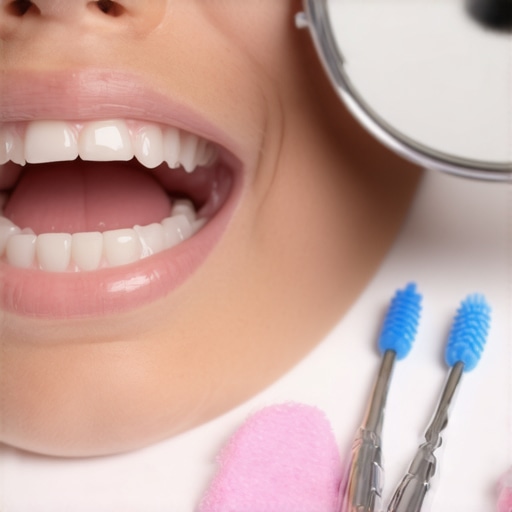
I remember those nights vividly—my child diligently brushing, foam everywhere, a proud smile on her face. Yet, just a few months later, cavities appeared again, stubborn and stubbornly persistent. It felt like a cruel joke. Despite our best efforts, those tiny sugar villains found ways to invade her teeth. That lightbulb moment hit me hard: brushing alone isn’t always enough.
Understanding the Real Reasons Behind Cavities Despite Regular Brushing
Children’s oral health can be surprisingly complex. Even with a solid brushing routine, cavities can develop. Why? It turns out there are multiple factors at play—like diet, fluoride exposure, and even the timing of brushing. And to make it more confusing, early mistakes in dental care can inadvertently worsen the problem.
One common mistake I made early on was thinking that brushing only twice a day was enough. Not paying attention to how often sugary snacks and drinks entered my child’s world made me overlook the stealthy ways cavities form. According to the American Dental Association, frequent consumption of fermentable carbs, like candies and sodas, creates an ideal environment for cavity-causing bacteria—that’s why even meticulous brushing can miss the mark if diet isn’t managed.
But don’t worry! We can turn things around with a multi-faceted approach that celebrates good oral habits and educates your family about hidden risks. So, are you wondering if your child’s cavities are just a matter of luck or if there’s more? Stay with me, because next, we’ll dive into practical steps to boost your child’s oral health—beyond the toothbrush.
Is Your Child’s Oral Care Routine Actually Doing Its Job?
Early mistakes—like rushing through brushing or skipping flossing—can silently sabotage your child’s smile. I used to think that brushing was enough, overlooking areas that toothbrushes don’t reach. Once I realized the importance of proper flossing and rinsing, the cavities slowed down. It’s essential to ensure everyone in your family adopts effective cleaning techniques. Want more tips on perfecting your child’s brushing skills? Check out our detailed guide on [top oral health tips](https://familydentistpro.com/top-oral-health-tips-for-your-familys-bright-smiles).
Create a Consistent and Effective Oral Hygiene Routine
Start by establishing a routine that includes brushing twice daily with a fluoride toothpaste for at least two minutes. Sit with your child to demonstrate proper technique, emphasizing gentle circular motions and covering every surface. Incorporate flossing once a day, especially for children with space between their teeth—using kid-friendly flossers can simplify this task.
Proper Brushing Technique Matters
I recall raising my child’s brush in small circles, ensuring the bristles reached all angles. This hands-on approach improved her brushing efficacy dramatically. Use a timer or play a two-minute song to help her understand the duration. Remember, thorough brushing reduces plaque buildup that often leads to cavities, even when brushing is regular.
Manage Diet to Reduce Cavity Risk
Limit sugary snacks and acidic drinks, like sodas and fruit juices, which create an environment where cavity-causing bacteria thrive. Replace these with healthier options such as fresh fruits, vegetables, and cheese—foods that neutralize acids and strengthen teeth. When your child enjoys a treat, encourage them to rinse with water afterward to wash away residual sugars.
Smart Snack Choices
Keep crunchy, fiber-rich snacks like carrots and celery available—they act as natural toothbrushes, stimulating saliva flow and cleaning teeth mechanically. Avoid sticky candies that adhere to tooth surfaces, making it harder to clean plaque effectively.
Optimize Fluoride Exposure and Dental Visits
Ensure your child uses a fluoride toothpaste and discuss additional fluoride treatments with your dentist. Regular check-ups will catch early signs of decay and allow your dentist to apply sealants—think of these as protective shields that block cavity-causing bacteria from settling in vulnerable areas.
Personal Experience with Sealants
Once, during a routine visit, our dentist applied sealants on my daughter’s molars. Within months, spots of early decay halted, preserving her smile. For detailed insights on crown options that can further protect broken or severely decayed teeth, explore this comprehensive guide.
Ensure Proper Technique and Routine Checks
Regularly inspect your child’s teeth for signs of decay, such as discoloration or sensitivity. Encourage them to report discomfort immediately. Incorporate flossing into the nightly routine and supervise until confident that they can do it thoroughly on their own.
Enhance Oral Hygiene with Modern Tools
Electronic toothbrushes with timers can improve brushing quality, while floss picks make interdental cleaning easier for small hands. Introducing these tools streamlines the process and motivates children to maintain good habits consistently. Want to see how new technology is transforming family dentistry? Check out the latest innovations.
Preventive Care to Save Future Hassles
Beyond daily routines, schedule appointments for professional cleanings and fluoride treatments at least twice a year. Dental sealants act as a barrier, especially on molars where plaque tends to hide. These preventive measures are like installing a security system—detecting or stopping issues early before they escalate.
Addressing Common Challenges
If your child has difficulty with flossing or brushing, creative solutions like flavored floss or fun toothbrushes can make routines less tedious. Additionally, if you notice persistent issues like cavities despite good habits, consult your family dentist about alternative solutions such as crowns or additional fluoride therapies. Discover why crowns can be a game-changer.
Many patients believe that choosing Invisalign over traditional braces guarantees an easier or better outcome, but the truth is more nuanced. A common myth is that Invisalign can fix all dental alignment issues equally well, yet complex cases—like severe crowding or bite misalignments—still benefit more from traditional orthodontics or even surgical options. An advanced misconception is that Invisalign is completely invisible; in reality, attachments and aligners can be noticeable, especially during the initial stages.
What Are the Hidden Risks When Overestimating Invisalign’s Capabilities?
Over-reliance on Invisalign without proper planning can lead to treatment failures or relapse, especially if patients neglect retainers post-treatment. Studies, such as those published in the Journal of Clinical Orthodontics, show that about 20% of Invisalign cases require refinements or additional procedures, emphasizing the importance of expert consultation. Similarly, many assume that family dentistry is only for children, but comprehensive family dental care encompasses preventive, restorative, and cosmetic treatments tailored for all ages. Falling for the myth that ‘family dentists only handle basic cleaning’ can limit access to advanced procedures like crowns or implants, which are often within a family dentist’s scope when performed by experienced practitioners.
Understanding crowns is another area where misconceptions abound. A widespread belief is that crowns are purely cosmetic; however, they serve critical functional roles—restoring strength, protecting compromised teeth, and preventing further decay. Advanced mistakes include opting for crowns without considering underlying issues like root infections or parafunctional habits such as grinding, which can cause premature failure.
Why Do Some Crowns Fail Prematurely, and How Can You Avoid It?
Premature crown failure often results from neglecting proper oral hygiene around the restoration, or from choosing inappropriate materials for specific bites and wear patterns. For example, porcelain-fused-to-metal crowns are durable but can cause gum irritation if not properly fitted, while all-ceramic options provide excellent aesthetics but may lack longevity in high-stress areas. Consulting with an experienced dentist ensures that the chosen crown type matches your functional needs. Additionally, neglecting routine checkups or misjudging the importance of occlusion adjustment can cause crown failure. Regular professional evaluations help identify potential issues early, saving time and money, and preserving oral health. Lastly, a critical misunderstood aspect of oral health is the assumption that brushing alone is enough to prevent issues. In truth, brushing can’t reach all areas or eliminate all bacteria; flossing, professional cleanings, and addressing dietary habits are equally vital. Overlooking these nuances can lead to stubborn plaque buildup and recurrent decay. For advanced guidance on maintaining your oral health, visit our comprehensive oral health tips. Remember, engaging with your dental team and understanding these complexities can significantly improve treatment outcomes. Have you ever fallen into this trap? Let me know in the comments.Maintaining a healthy smile over the years requires the right equipment and methods to support your oral health routine. From high-quality toothbrushes to advanced digital tools, choosing the right gear can make a noticeable difference. Personally, I swear by electric toothbrushes with oscillating-rotating technology, like the Philips Sonicare DiamondClean. The reason? They provide superior plaque removal compared to manual brushes, helping to prevent cavities and gum issues. Plus, they come with timers to ensure you brush for the recommended two minutes, which is crucial for thorough cleaning.
When it comes to flossing, I prefer water flossers such as the Waterpik Water Flosser Professional. They are especially effective around crowns, braces, or gaps where traditional floss might struggle. The pulsating water dislodges debris efficiently and gently, promoting better interdental cleaning for long-term health.
Regarding oral health monitoring, I utilize smartphone apps like Dentisafe. These apps can log your brushing and flossing habits, remind you of upcoming dental appointments, and even track the appearance of any dental issues through photos. Staying organized helps catch problems early before they escalate.
Looking ahead, integration of AI diagnostics in dental care is promising. Future devices might use AI-powered sensors to analyze saliva or plaque buildup, alerting you to issues even before symptoms arise. The continuous evolution of digital tools reflects a trend toward more personalized and proactive oral health management.
How do I maintain my dental tools over time?
Proper maintenance ensures these tools remain effective and safe. For electric toothbrushes, replace the brush heads every three months or sooner if bristles fray, as recommended by the American Dental Association. Cleaning the device itself with disinfectant wipes and storing it in a dry, dirt-free location extends its lifespan. Flossers should be rinsed after each use and stored in a clean container to prevent bacterial buildup.
For smartphone apps, regularly updating the software guarantees you benefit from the latest features and security patches. Consistently using these tools as part of your routine ensures sustained results—helping you maintain your smile with confidence.
To maximize your investment, I encourage trying out a water flosser combined with a high-tech toothbrush. These tools, backed by clinical studies like those published in the Journal of Clinical Orthodontics, provide measurable benefits for long-term dental health. As technology advances, I predict even smarter devices will become commonplace, offering real-time feedback and tailored advice.
Want to explore cutting-edge options today? Start by integrating a Sonicare DiamondClean toothbrush and a Waterpik Water Flosser into your daily regimen. For more insights on how to elevate your dental routine, visit our [top oral health tips](https://familydentistpro.com/top-oral-health-tips-for-your-familys-bright-smiles). Remember, consistent use and proper maintenance of your dental tools are key to a healthy, radiant smile that lasts for years to come.
Lessons I Wish I Learned Sooner About Invisalign and Family Dentistry
One of the most profound lessons I discovered is that—even with the best routine—some issues require more than just diligent brushing and flossing. For example, I used to overlook how important dietary choices are in maintaining a healthy smile. Realizing that sugar and acid intake create an environment where cavities thrive was an eye-opener. Additionally, I learned that professional preventive measures, like sealants and fluoride treatments, act as vital layers of protection that no daily routine can replace. Perhaps most importantly, I understood that early intervention and regular dental visits save time, money, and unnecessary discomfort—advice I wish I had embraced earlier in my family’s journey.