
The exact moment you should replace your manual toothbrush
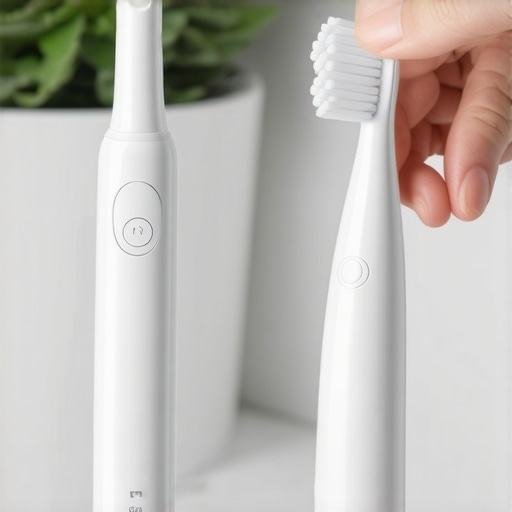
Have you ever gone to brush your teeth only to notice that your manual toothbrush looks sad—frayed bristles, bent tips, and a dull-looking head—and wondered, “Is it time to toss this thing?” I used to ignore these signs, convincing myself that as long as I was brushing, everything was fine. But one morning, after a particularly rough brush, I tasted something off. That was my lightbulb moment—realizing I had been brushing with a toothbrush that was past its prime, unknowingly compromising my oral health.
Why the Right Time to Say Goodbye to Your Toothbrush Matters
In my journey toward better oral hygiene, I discovered that replacing my toothbrush at the right moment could make a significant difference. It’s not just about keeping your bathroom counter clutter-free; it’s about maintaining a healthy mouth, preventing cavities, and avoiding gum disease. A worn-out toothbrush can harbor bacteria and become less effective at cleaning, leaving plaque behind and potentially undoing the efforts of your daily brushing routine. Believe it or not, the American Dental Association recommends swapping out your toothbrush every three to four months, or sooner if the bristles become frayed—an easy guideline that can truly boost your oral health.
Is Waiting Too Long Really Dangerous?
There’s a common concern among many that replacing a toothbrush may be unnecessary or too frequent. I used to think that brushing with a slightly tattered brush wouldn’t affect much—until I read that bacteria can build up on old toothbrushes, which could lead to infections or exacerbate existing oral conditions. A study published in the Journal of Periodontology confirmed that bacteria like Staphylococcus species can survive on toothbrush bristles, especially if stored improperly. This made me realize that delaying a replacement isn’t just about aesthetics but about safeguarding my health.
Have you ever kept a toothbrush for too long, thinking it was okay? It’s a common mistake, and understanding the signs can save you from future dental troubles. I’ll share some practical tips on how to recognize when it’s time to let go of your trusty old toothbrush—spoiler: it’s more often than you think—and how to replace it in a way that makes a real difference.
So, let’s dive into the hows and whens of toothbrush replacement, ensuring your brushing routine is as effective as possible and contributing to a smile that stays bright and healthy for years to come.
Spotting the Perfect Time to Replace Your Toothbrush
Consistently check your toothbrush for frayed bristles, which resemble a worn-out paintbrush. When the bristles fan out or bend, it’s signaling that it’s time for a new one. I remember when my toothbrush’s bristles looked like a wild bush—frayed and uneven. Replacing it immediately improved my brushing efficiency overnight, ensuring dirt and plaque were more effectively swept away. This simple visual check can prevent bacteria buildup and maintain oral hygiene at its best.
Choosing the Right Toothbrush and Storage
Select the Best Brush for Your Needs
Opt for a toothbrush with soft bristles—think of it as gently sweeping a dusty surface rather than scrubbing it harshly. For those with sensitive gums or after specific procedures like crown placement, softer brushes are vital. Consider electric toothbrushes for a more consistent clean—these mimic professional cleaning techniques and can reach difficult spots more effectively. Remember, a good toothbrush is an investment in your smile’s future.
Ensure Proper Storage and Hygiene
After brushing, rinse your toothbrush thoroughly under tap water to remove residual toothpaste and debris. Store it upright in a holder where it can air dry; avoid enclosed containers that foster bacteria growth. When traveling, use a dedicated case that allows airflow, like the one discussed in this guide. Keeping your toothbrush dry and clean prevents bacteria proliferation, much like how a well-maintained garden flourishes—clean tools foster healthy growth.
Recognizing When It’s Time to Toss Your Toothbrush
Beyond visual clues, consider the age of your toothbrush—most experts recommend replacing it every three to four months. If you’ve recently been sick, it’s wise to change it sooner to prevent reinfection. I once kept my toothbrush after a cold, thinking it was fine, only to notice lingering bad breath afterward. Replacing it cleared out residual bacteria and refreshed my oral health. Remember, a toothbrush can harbor bacteria like E. coli and staphylococcus, comparable to high-touch surfaces like gym equipment—best to keep them clean and replaced regularly.
Integrate Proper Brushing Techniques for Maximum Effectiveness
Use gentle circular motions—imagine buffing a fine piece of furniture—to clean teeth thoroughly without damaging gums. Spend at least two minutes brushing, dividing your mouth into quadrants to ensure all areas are covered. I set a stopwatch on my phone to keep track, which kept me honest and efficient. Strive to reach difficult spots near the gum line and behind molars, where plaque often hides. Proper technique, combined with a fresh toothbrush, transforms your routine into a powerful health practice.
Complement Brushing with Additional Oral Hygiene Practices
Floss daily after brushing—think of floss as a specialized tool that reaches the nooks and crannies brushes can’t access. Incorporate mouthwash as an extra step to reduce bacteria and freshen breath. For specialized needs like crowns or Invisalign, consult your dentist for tailored advice, such as using specific rinse formulas to prevent decay around restorations. These steps, when combined, create a comprehensive defense against cavities and gum disease, akin to a well-coordinated team working towards a common goal of a healthier smile.
Regular Dental Checkups and Professional Cleanings
Schedule visits with your family dentist at least twice a year to catch issues early. During these appointments, professionals utilize tools that reach beyond your routine—much like a mechanic diagnosing a car’s hidden problems. They may recommend treatments like crowns or Invisalign if necessary. To learn more about how these procedures can enhance your oral health, visit this article. Staying proactive with regular visits ensures that your home care efforts remain effective, turning your routine into a lifelong investment in your smile.Many people believe they understand their oral health thoroughly, but beneath the surface lie misconceptions that can hamper long-term dental well-being.
A prevalent myth is that if your teeth look clean and you feel no pain, your oral health is perfect. However, subtle issues like early enamel erosion or hidden decay often go unnoticed by the untrained eye. For example, many assume that dental crowns are solely for aesthetics, but they play a vital role in restoring function and protecting weakened teeth—a detail highlighted in this comprehensive guide.
An advanced misconception revolves around Invisalign’s suitability—some believe it’s only for minor misalignments; in reality, recent studies and expert insights suggest that Invisalign can effectively correct a broader range of bite and alignment issues, especially with technological advancements. This shifts the traditional view that braces are the only option for complex cases.
Another mistake many make is delaying family dental visits, assuming they can ‘wait until something hurts.’ Preventive care is crucial; routine checkups can catch issues before they escalate into costly or painful problems, aligning with modern family dentistry techniques that emphasize early intervention here.
Let’s dig deeper into these nuances. For instance, a significant trap is thinking that dental restorations like crowns are permanent fixes. In fact, crowns require maintenance and may need replacement after several years—many overlook this and skip routine checkups, risking further complications. Similarly, some believe Invisalign trays need only be worn occasionally, but consistent usage is essential for desired results.
An often-overlooked nuance is the importance of proper material selection for restorations. Not all crowns or veneers are equal; using subpar materials can lead to discoloration or structural failure, which underscores the need to consult experienced professionals for long-lasting solutions.
Experts also warn against the assumption that family dentists perform all dental procedures equally well—specialized treatments like crowns or complex orthodontics benefit from choosing clinicians with focused expertise. For example, when considering a crown, it’s vital to select an experienced crown specialist, as discussed in this article.
Do you think you’ve been misled about any aspect of your oral health? Recognize the myths and stay proactive. Remember, a well-informed approach empowers better decisions and healthier smiles. Have you ever fallen into this trap? Let me know in the comments.
Maintaining the longevity and functionality of dental restorations like crowns, Invisalign aligners, or family dentistry solutions requires more than just good brushing habits. It involves the right tools, consistent care routines, and leveraging modern technology to ensure your smile remains healthy and confident. Over the years, I’ve tested various products and methods, and I want to share the tools I personally trust and how they help me keep everything working smoothly.
Invest in a High-Quality Electric Toothbrush
I swear by my ADA-approved electric toothbrush because it delivers consistent, gentle, and thorough cleaning. Unlike manual brushes, electric models like the Philips Sonicare DiamondClean provide superior plaque removal, especially around crowns and other restorations, where manual brushing might miss hidden debris. The sonic vibrations reach deeper into gum pockets, helping prevent decay around vulnerable areas. Plus, many come with timers, ensuring you brush for the recommended two minutes, which is crucial for long-term success.
Use Specialized Interdental Cleaners
Dental floss is good, but I prefer water flossers such as Waterpik models, especially when maintaining Invisalign trays or around dental bridges. They effectively clean hard-to-reach spots, minimize gum irritation, and reduce plaque accumulation without damaging sensitive tissues. Regular use helps prevent complications like gum disease or decay near crowns, which can be costly and troublesome to fix later. Consider the Waterpik Ultra for its adjustable pressure settings, allowing you to customize your cleaning experience.
Employ an Oral Irrigator for Maintenance
For ongoing maintenance, especially post-crown placement or orthodontic work, I recommend an oral irrigator. It’s excellent for flushing out food debris around appliances and ensuring that bacteria don’t settle into hard-to-reach areas. Using an irrigator daily can extend the lifespan of restorations, making dental work last longer and perform better.
Maintain Your Tools with Proper Storage
Proper storage of your brushes and tools plays a vital role. I always keep my toothbrush upright in a holder that allows air drying, preventing bacterial buildup. When traveling, I use a case that promotes airflow, which you can learn about in this guide. Cleanliness is key to preventing reinfection or contamination that could compromise crowns or other dental work.
Routine Dental Checkups and Technology
While at home tools are essential, professional cleanings and examinations are irreplaceable. Modern dental practices use advanced scanners and 3D imaging—mentioned in this article—which help detect issues early, like crown leaks or cracks, before they become painful or expensive. Implementing these tools into your routine ensures your restorations stay functional and aesthetically pleasing for years to come.
By investing in these specific tools and practices, you’re setting yourself up for successful long-term results. I suggest trying out an electric toothbrush paired with interdental water flossers—I found this combo significantly reduces plaque and keeps my crowns and Invisalign trays in perfect condition. Remember, proactive maintenance today saves you trouble down the road, so start integrating these tools into your oral hygiene routine now and enjoy a healthier, more confident smile.
,
What I Wish Someone Told Me About Maintaining a Smile
- I learned the hard way that neglecting small signs like frayed bristles can lead to bigger problems—being attentive to these details can save you time and money.
- Realizing that your toothbrush’s age and condition directly impact your oral health encouraged me to develop a routine of regular replacements, which vastly improved my cleaning results.
- Understanding the bacterial risks associated with old toothbrushes made me more committed to proper storage and hygiene practices, protecting my crowns and overall wellbeing.
- Seeing that modern tools like electric toothbrushes and water flossers make a noticeable difference motivated me to invest in quality devices—these small upgrades paid off in comfort and confidence.
- Fostering a proactive mindset about dental care, including regular checkups, has empowered me to maintain my restorations and prevent complications before they happen.
My Secret Arsenal for a Bright Smile
- Philips Sonicare DiamondClean: An electric toothbrush I trust daily for its gentle yet thorough cleaning, especially around crowns and veneers.
- Waterpik Ultra: A water flosser that reaches tricky spots and complements my routine perfectly, offering peace of mind with Invisalign trays and dental bridges.
- Travel toothbrush cases with airflow design: Ensuring my tools stay dry and bacteria-free, whether at home or on the go.
- Routine professional cleanings: Regular visits with my dentist, who uses advanced imaging to spot issues early, helping my restorations last longer—more info here.
Your Future Starts with Small Changes Today
Every choice you make—be it upgrading your toothbrush, adopting new tools, or scheduling regular checkups—can profoundly influence your long-term oral health. By embracing these insights, you’re actively investing in a future where your smile remains vibrant and healthy. Remember, the journey to optimal dental wellness is built on consistent, informed actions. So, what small step will you take today to improve your oral care routine? Share your plans below—I’d love to hear from you!