
Why your child’s adult teeth look yellow compared to baby teeth
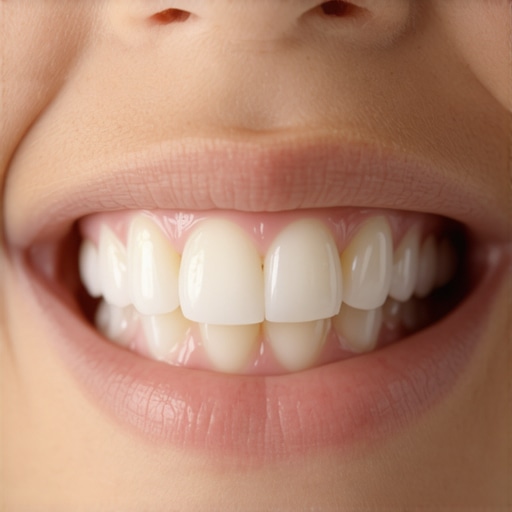
I’ll never forget that moment in the bathroom mirror, staring at my child’s reflection. His tiny baby teeth gleaming white, perfectly innocent-looking. Then, I noticed his adult teeth emerging behind them, and suddenly, they looked yellow—dull, almost stained. It hit me hard: Why do these new teeth look so much darker than the sweet, bright smiles we took for granted?
Making Sense of the Color Gap: What’s Really Happening
Understanding why your child’s adult teeth are often more yellow than their baby teeth can be confusing. Baby teeth are small, have thinner enamel, and are naturally whiter, making them appear brighter. Adult teeth, however, develop thicker and more mineralized enamel. Sometimes, this enamel is less shiny and can appear yellowish, especially if there’s underlying dentin showing through. A surprising fact is that about 85% of people have some degree of enamel translucency, which can influence tooth color (Source: American Dental Association).
Early on, I made the mistake of assuming that discoloration meant poor hygiene or staining from foods and drinks. While those factors contribute, they aren’t the whole story. Genetics, diet, and even early exposure to certain medications can affect enamel development and coloration. Recognizing this was a turning point in how I approached my child’s oral health. I learned that understanding the natural differences in teeth can help us avoid unnecessary worries and focus on effective, realistic solutions.
But Is It Something to Worry About?
It’s common for parents to feel anxious when they notice their child’s teeth aren’t as bright as expected. The fear of cavities, staining, or more serious dental issues can be overwhelming. I remember asking myself, “Should I be concerned about this color difference?” Early in my journey, I also fell into the trap of trying unproven remedies, thinking whitening products or special pastes would fix the problem. That’s actually a mistake because these options might not be suitable for developing teeth or could even cause damage if used improperly.
Educating myself about the facts helped me distinguish between normal developmental variations and issues that require dental attention. Trusting a qualified family dentist, who can assess and recommend tailored strategies, is always the safer bet. For instance, knowing that crowns and veneers have their own advantages in restoring aesthetic and functional concerns can be reassuring. If you’re curious about how to choose the right solutions for your child’s smile, I recommend reading this insightful guide on crowns versus veneers.
Now that we’ve covered what causes the color difference and what it means, let’s explore practical steps to help improve your child’s dental health and appearance without unnecessary stress or treatment missteps.
Identify the Roots of Discoloration
Start by observing your child’s teeth closely, noting any patterns or differences. In my case, I noticed the new adult teeth were darker near the gumline, which is common due to thicker enamel and dentin exposure. Remember, genetics and diet play roles—so avoid jumping to conclusions based solely on color. Use a flashlight to examine their teeth after meals, and document any changes to discuss with your dentist.
Schedule a Professional Dental Evaluation
Book an appointment with a qualified family dentist who understands developmental differences in children’s teeth. During the visit, ask specific questions about discoloration, enamel health, and potential treatments. A thorough exam might include X-rays to assess dentin thickness or other structural factors. Trust me, a professional opinion prevents unnecessary treatments and sets realistic expectations.
Prioritize Preventive Oral Care
Implement a routine of twice-daily brushing with fluoride toothpaste and daily flossing. Use a soft-bristled brush suitable for your child’s age. Incorporate mouthwash appropriate for children if recommended. This consistent care reduces staining and decay, maintaining overall dental health. I once learned that neglecting routine care can lead to staining from plaque accumulation, exacerbating natural discoloration.
Adopt Nutritional Strategies for Enamel Strength
Ensure a balanced diet rich in calcium and vitamin D, supporting enamel mineralization. Limit sugary drinks, which can cause staining and decay. Replace fruit juices with water or milk. This change is akin to strengthening the foundation before applying cosmetic improvements—it ensures durability and health from within.
Utilize Proper Cleaning Techniques
Encourage your child to rinse thoroughly after meals to wash away staining substances. Use an age-appropriate toothbrush and teach proper brushing angles. For stubborn stains, consider professional cleaning during dental visits instead of over-the-counter whitening products, which may harm developing teeth. I once tried a cheap whitening paste on my child’s teeth, which caused sensitivity—lessons learned!
Explore Restorative Options if Necessary
If discoloration persists or is linked to structural issues, discuss restorative solutions such as crowns or veneers. Crowns can fully cover affected teeth, restoring natural color and function, much like a protective cap. For detailed guidance, check out expert advice on crowns. Remember, these interventions should be tailored to child’s age and development stage, avoiding unnecessary procedures.
Incorporate Invisalign for Alignment and Aesthetics
If crooked teeth or spacing issues are involved, consider Invisalign. These clear aligners are a discreet solution that can improve both function and appearance. Think of Invisalign as a gentle, invisible makeover—much easier to wear than traditional braces. To understand if this suits your family, explore which orthodontic approach fits your lifestyle.
Maintain Long-Term Support and Monitoring
Schedule regular check-ups to monitor growth and address emerging issues early. Use these visits to reinforce good habits, spot potential problems, and adjust treatments if needed. Remember, consistent professional care is the key to ensuring your child’s smile remains healthy and bright over time.
Many people assume that all dental treatments are straightforward solutions that fit every individual perfectly. However, what most don’t realize is that these options often come with nuances that, if misunderstood, can lead to suboptimal results or even complications. For example, Invisalign isn’t just about having invisible braces; its success heavily depends on proper cases selection and patient compliance. Overlooking these factors can result in prolonged treatment times or relapse post-therapy, as emphasized by experts in orthodontics (see here).
One common myth is that crowns are a quick fix for aesthetic concerns. In reality, the type of crown—whether porcelain-fused-to-metal or full ceramic—should be carefully chosen based on the tooth’s location, function, and your long-term oral health goals. Using a one-size-fits-all approach may lead to issues like gum irritation or color mismatch. For a comprehensive understanding, check out this guide on crown selection. Many believe that family dentistry is just basic check-ups, but seasoned practitioners understand the importance of integrating advanced techniques like digital scanning or minimally invasive procedures, which can drastically improve outcomes and patient experiences (see more).
Are All Dental Issues Created Equal or Do Nuances Matter?
Absolutely, and here’s why: a subtle variation in the type of enamel or early signs of gum recession can influence your treatment plan significantly. Failing to recognize these details may lead to ineffective solutions or even harm. For example, aggressive whitening treatments on sensitive enamel can cause irreversible damage, emphasizing why personalized assessments are vital—something many overlook in the age of DIY remedies. Learning to recognize these subtleties is crucial; a professional’s eye and experience make a difference. Trusting a qualified dentist who uses modern diagnostics, like 3D imaging, ensures tailored, effective care (explore the future of family dentistry here).
In essence, understanding these nuanced aspects is not about complicating decisions—it’s about making informed, long-lasting choices. By recognizing that treatments need customization based on individual anatomy and circumstances, you avoid the trap of superficial fixes and instead focus on sustainable oral health. Remember, as experts in the field highlight, personalized care is the cornerstone of successful dental interventions (learn more about personalized family dentistry). Have you ever fallen into this trap? Let me know in the comments.
Maintaining the health and aesthetics of your teeth over time requires a combination of the right tools, consistent habits, and staying informed about evolving techniques. As a dental professional, I emphasize the importance of investing in quality equipment and adopting methods that are both effective and gentle on your oral tissues.
Why Quality Teeth Cleaning Instruments Matter
Using a high-quality, ergonomic toothbrush with soft bristles ensures thorough cleaning without damaging enamel or irritating gums. I personally recommend electric toothbrushes like the Oral-B Genius X, which features multiple brushing modes and real-time feedback. This technology helps me ensure I’m vigorously yet gently cleaning every surface of my teeth, especially around crowns or veneers where plaque can accumulate unnoticed. Manual brushes can be effective if they have the proper design and bristle arrangement, but electric models tend to provide more consistent results over time.
Embracing Advanced Oral Hygiene Technology
Water flossers, such as the Waterpik Aquarius, provide superior debris removal, especially around orthodontic appliances like Invisalign trays. Their pulsating jets effectively dislodge plaque and food particles, reducing the risk of staining and decay. I incorporate water flossers into my routine because they are easy to use and gentle, making daily oral hygiene a more inviting task for the whole family. Plus, their adjustable pressure settings allow customization for sensitive gums or post-procedure care.
Digital Monitoring: Staying One Step Ahead
Smart toothbrushes equipped with Bluetooth, like the Colgate Hum, sync with smartphone apps to track brushing habits, duration, and pressure. This data helps me identify areas I might be neglecting and ensures I maintain consistent coverage. For parents, these tools are invaluable in teaching children proper techniques and establishing lifelong habits. Additionally, apps that remind you to replace your toothbrush every three months keep your tools effective and reduce bacterial buildup.
The Future Is Bright: Trends in Long-Term Dental Maintenance
Emerging technologies like AI-powered oral health apps and 3D-printed custom guides are shaping a future where personalized, preventive care becomes the norm. These innovations allow dentists to plan treatments more precisely and provide patients with tailored maintenance routines. As these tools become more affordable, I predict a shift towards more proactive and minimally invasive approaches, reducing the need for extensive restorative procedures down the line.
How do I keep my dental work performing well over time?
Regular check-ups are essential for monitoring restorations such as crowns or veneers. During these visits, your dentist can assess margins and adjust if necessary, preventing issues like food trapping or gum irritation. Using proven products like high-quality fluoride rinses and avoiding abrasive whitening agents helps preserve your restorations and natural teeth. Additionally, maintaining good habits—including proper brushing, flossing, and dietary choices—maximizes longevity. Consider scheduling professional cleanings every six months, or more frequently if recommended, to remove stubborn plaque and tartar. For additional insights on extending the lifespan of crowns, see this comprehensive guide.
Remember, investing in the right tools now will save you time, money, and discomfort in the future. Don’t hesitate to incorporate advanced devices like smart toothbrushes or water flossers into your routine—these small upgrades can make a significant difference in your long-term oral health. Take the initiative today: try out a water flosser or sync your toothbrush with your phone and experience the benefits firsthand.
Throughout this journey, one lesson stood out: dental health isn’t just about appearances—it’s about understanding your unique oral landscape. Investing time in personalized assessments and embracing innovative tools can transform your family’s dental routine from routine to remarkable. Remember, the most beautiful smiles are built on knowledge, patience, and tailored care that respects your child’s individual needs.
The Soft Spot That Changed My Approach to Family Dentistry
Realizing that each smile tells a different story was an eye-opener. I learned that what looks like a simple discoloration could be an indication of structural differences or developmental nuances. This insight taught me to be more observant and proactive, advocating for comprehensive evaluations over quick fixes. As professionals, we know that understanding these subtle nuances can make all the difference in long-term oral health.
Your Next Step in Achieving Smiles That Last a Lifetime
Equip yourself with the right resources and trusted experts who prioritize personalized, minimally invasive treatments. Explore this guide on crowns for restorative options or consider consulting with specialists who utilize the latest Invisalign techniques. Doing so ensures your child’s smile is not only bright but resilient against time’s wear and tear.
Embrace the Power of Informed Dental Choices
Empowered with knowledge, you can navigate the complex world of dental treatments confidently. Remember, the key to sustained oral health lies in customized care that respects your family’s unique needs. So, take proactive steps today—schedule regular check-ups, explore advanced hygiene tools like smart toothbrushes, and stay informed about emerging trends that can safeguard your smiles for years to come.
Insider Wisdom: Lessons I Really Had to Learn
- One-size-fits-all solutions rarely cut it—personalization is everything. I’ve seen cases where standard whitening or quick fixes did more harm than good because they ignored individual enamel sensitivities.
- Don’t underestimate the value of expert guidance. Trusting qualified family dentists who use modern diagnostics ensures safe, effective, and sustainable results.
- Technology is your friend—use it wisely. Tools like digital scans and AI-monitoring can detect issues early and tailor treatments precisely, saving discomfort and expense down the line.
- Prevention is the best cure. Simple habits like regular brushing with quality instruments and proper diet uphold not just aesthetics but long-term health.
- Knowledge empowers confident decisions. Understanding the natural differences in teeth prevents unnecessary worries and promotes realistic expectations.
My Toolbox for Better Dental Care
- High-quality electric toothbrushes like the Oral-B Genius X help maintain thorough cleaning, especially around restorations or orthodontics.
- Water flossers such as Waterpik Aquarius excel at debris removal, reducing plaque buildup and staining.
- Smart toothbrushes with Bluetooth connectivity, like Colgate Hum, motivate better habits through real-time feedback.
- Guides and expert articles from reputable sources, including specialists in crowns and Invisalign, inform smarter choices for your family.
- Staying connected with modern family dentistry trends through credible blogs enhances preventive and restorative strategies.
Ignite Your Journey to Confident Smiles
Every family deserves a vibrant, healthy smile that stands the test of time. Take the initiative today—schedule that dental check-up, upgrade your hygiene routine, or seek advice from experienced professionals. Remember, your proactive steps today lay the foundation for brighter, healthier smiles tomorrow. Are you ready to make your family’s dental health a priority? Let me know in the comments below.
,