
Why your dental bridge traps food and how to stop it
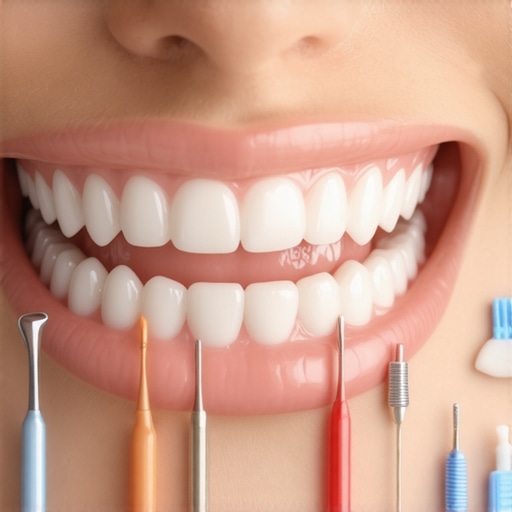
I remember the moment it hit me—taking a sip of coffee and feeling that tiny, sharp pinch in my gum. I looked in the mirror and saw a small piece of food stubbornly lodged near my dental bridge, turning what should have been a simple morning routine into a frustrating game of whack-a-mole. It wasn’t just about the discomfort; it was a wake-up call about how dental bridges, despite their many benefits, can sometimes act like sneaky food traps that make oral hygiene tricky.
Understanding Why Food Gets Stuck Under Your Dental Bridge
Dental bridges are incredible restorations that can transform your smile and restore function after tooth loss. However, they also create tiny crevices where food particles love to hide. Think of your bridge as a sturdy pathway connecting two healthy teeth, but with small gaps at the sides—these are prime spots for trapped debris. Over time, this not only causes bad breath and discomfort but can also lead to decay if not properly managed. A common mistake early on is neglecting to clean thoroughly beneath the bridge, assuming regular brushing suffices. But in reality, plaque and food can settle deep in those spots, practically inviting bacteria to set up shop.
Research shows that improper cleaning around dental restorations increases the risk of gum disease and implant failure. For instance, a study published by the American Dental Association highlights that meticulous flossing and interdental cleaning significantly reduce secondary caries and periodontal issues around fixed dental prostheses.
Have you ever faced the irritation of bits of food constantly getting stuck after eating? If yes, you’re not alone. Many people underestimate just how much debris can hide beneath a seemingly secure bridge, especially if they aren’t brushing and flossing properly. Early in my own journey, I made the mistake of ignoring this issue, thinking regular brushing was enough. It wasn’t. Now, I know that targeted cleaning techniques and special tools are essential.
This realization prompted me to explore solutions that could make everyday oral hygiene easier and more effective. So, in the sections ahead, I’ll share practical tips that help prevent food trapping and keep your smile healthy and fresh. Ready to reclaim your confidence? Let’s get started.
Use Proper Flossing Tools for Deep Cleaning
Start with unwaxed, pre-cut floss or a specialized floss threader. I once struggled with regular floss slipping out, causing frustration, but switching to a floss threader made all the difference. Slide the floss gently underneath the bridge towards the gumline, hugging the side of each tooth to dislodge trapped bits.
Adopt Interdental Cleaners for Scrubbing
Interdental brushes or picks are game changers. I recommend using a small, tapered brush, similar to a tiny bottle brush, to reach areas too tight for floss. After my last cleaning session, I noticed significantly less debris after consistently integrating interdental brushes—especially near the pontic (the fake tooth part of your bridge).
Master the Art of Proper Angling
Position the floss or brush at a 45-degree angle to your gumline. This angle helps dislodge stubborn food particles lodged deep in the crevices. I once tried to clean without adjusting the angle, which only scratched my gums and missed debris. Learning this technique upgraded my oral hygiene routine.
Rinse with an Antiseptic Mouthwash
Use a mouthwash containing chlorhexidine or essential oils to reduce bacteria and rinse away loosened debris. After mechanically cleaning, a thorough rinse ensures residual food and plaque are washed out, leaving your mouth feeling fresh. I found that a good rinse complements physical cleaning perfectly.
Incorporate Water Flossers for Final Touches
Water flossers, like Hydro Floss, utilize pressurized streams to remove debris from hard-to-reach areas. I added one to my routine and was amazed at how it cleared residues missed by floss or brushes. Aim the stream directly at the gumline and under the bridge for optimal results.
Establish a Routine to Prevent Food Traps
Consistency is key. Schedule daily cleaning at night, focusing on those tricky spots. Remember, neglecting this allows food particles to harden into plaque, risking decay or gum disease. Incorporating these steps transformed my dental health and prevented discomfort.
Explore Professional Cleaning Tools and Advice
If you find the process overwhelming, visit your family dentist for tailored tools and techniques. They might recommend ultrasonically cleaning devices or special dental picks. Plus, regular checkups ensure your bridge remains in top condition. I visited my dentist after a month of diligent cleaning, and they confirmed my efforts were paying off. Want to learn more about maintaining dental restorations? Check out why crowns are a game-changer.
Many people believe that brushing once a day and avoiding sweets are enough for optimal oral health, but this oversimplification ignores critical nuances. For instance, some assume that dental crowns and Invisalign are purely cosmetic, neglecting their functional benefits and the advanced techniques behind their success. Misunderstanding these aspects can lead to overlooked issues or improper care, which might compromise long-term results.
One prevalent myth is that all dental crowns are the same; in reality, choosing the right material and understanding the nuances can extend the longevity of your restoration. Similarly, many think Invisalign is only for mild orthodontic cases, but with technological advancements, it now treats complex issues, as discussed in [this detailed overview](https://familydentistpro.com/how-invisalign-transforms-family-dentistry-in-2025).
Another common trap is believing that family dentistry is just routine cleaning, but it actually encompasses comprehensive care tailored for all ages—including preventive strategies that can detect early signs of decay or even oral cancer. Ignoring these can result in more invasive procedures later.
From an expert perspective, one of the most overlooked aspects is the importance of personalized treatment plans. Not every Invisalign aligner or crown fits all; understanding subtle differences in bite alignment, enamel strength, and gum health informs better choices. For example, selecting between crowns vs veneers depends heavily on the specific condition of your teeth, as elaborated in [this comparison](https://familydentistpro.com/crowns-vs-veneers-which-is-better-for-your-smile-cure-at-429-pm).
Beware of the ‘one-size-fits-all’ mentality—what works for someone else might not suit your unique oral anatomy, risking failure or complications. A study published in the Journal of Prosthodontics emphasizes that custom-fit crowns and tailored orthodontic solutions yield significantly better functional and aesthetic outcomes. Don’t fall into the trap of neglecting these nuances—your long-term dental health depends on them.
Have you ever fallen into this trap? Let me know in the comments. Recognizing these common misconceptions can empower you to seek more informed and effective dental care, ensuring lasting health and confidence.Maintaining your oral health, especially after treatments like crowns or Invisalign, requires the right tools and a proactive approach. I swear by specific equipment that has transformed my daily routine. For example, I use a Waterpik Ultra Water Flosser because it provides a gentle yet thorough clean, especially under dental bridges where food tends to hide. Its pressurized water jets dislodge debris from hard-to-reach spots, making routine maintenance effortless and highly effective.
Another indispensable tool I recommend is the Philips Sonicare DiamondClean smart toothbrush. Its sonic technology not only removes plaque more efficiently than manual brushes but also adapts to your brushing habits through connected app feedback. This personalized approach ensures every corner of your mouth gets the attention it needs, prolonging the life of your crowns and veneers.
For those concerned about long-term results, I advise integrating interdental brushes alongside flossing. The GUM Soft Pick Advanced brush fits snugly between teeth and beneath bridges, scrubbing away plaque without damaging delicate gums. Combining these tools with regular professional checkups helps prevent issues before they develop, saving you both time and money. Moreover, I’ve found that scheduling cleaning appointments every six months, as suggested in [Family Dentist Pro’s family dentistry secrets](https://familydentistpro.com/family-dentistry-secrets-maintaining-oral-health-with-modern-techniques-at-254-pm), complements your daily efforts perfectly.
Looking ahead, the trend is moving toward smart dental devices that sync with your smartphone, offering real-time feedback and tailored advice. This innovation aims to make at-home care as precise as professional cleanings, a game-changer for busy families and individuals committed to their oral health.
How do I maintain my dental tools and ensure they stay effective over time?
Proper maintenance of your dental tools is crucial. Rinse water flossers after each use and replace tips every three to six months as recommended by the manufacturer. For electric toothbrushes, change the brush head at least every three months to prevent bacteria buildup and maintain optimal cleaning efficiency. Storing tools in a dry, clean environment further prolongs their lifespan. Regularly inspecting tools for wear and tear ensures they continue functioning effectively, which is especially important for preserving the integrity of crowns and Invisalign aligners. Investing in quality tools and maintaining them properly not only safeguards your investment but also significantly enhances your long-term oral health, helping you enjoy a brighter, healthier smile for years to come.
The Hardest Lesson I Learned About Oral Care, Crowns, Invisalign, and Family Dentistry
One of the biggest realizations I had was that even the best dental treatments can be undermined by neglecting everyday habits. I used to think that getting a crown or Invisalign meant I could relax my routine, but I discovered that consistent, personalized care is the secret to long-term success. Skipping daily flossing or ignoring signs of food trapping can undo months of work, reminding me that dental health is an ongoing journey rather than a one-time fix.
3 Myths About Oral Health, Crowns, Invisalign, and Family Dentistry That Held Me Back
Believing that all crowns are the same or that Invisalign is only for minor orthodontic issues almost kept me from exploring better options. I thought that routine checkups weren’t necessary unless I had a problem, which isn’t true. These misconceptions delayed my understanding of tailored treatments and advanced preventive strategies. The truth is, choosing the right solution and maintaining it with expert advice can drastically improve your smile’s longevity and appearance.
What Experts Won’t Tell You About Oral Care and Restorations
Many professionals emphasize regular brushing, but the deeper secret is the importance of targeted cleaning tools—like interdental brushes and water flossers—and professional checkups. These are game changers. I’ve learned that personalized advice, backed by modern technology, can make your routine more effective and prevent costly issues down the line. Seeking expert guidance and staying informed helps you make smarter decisions for your smile’s health and beauty.
Resources That Transformed How I Approach Dental Health
My go-to tools include the Waterpik Ultra Water Flosser for precision cleaning, which I trust because it reaches tricky spots around crowns and bridges. I also rely on the Philips Sonicare DiamondClean toothbrush for comprehensive plaque removal, knowing it’s gentle yet effective. For a holistic approach, I read family dentistry blogs like [Family Dentist Pro’s family dentistry secrets](https://familydentistpro.com/family-dentistry-secrets-maintaining-oral-health-with-modern-techniques-at-254-pm), which provide the latest tips and techniques. These resources keep me motivated and informed, empowering me to take charge of my dental journey.
Your Turn to Shine: Embrace Smiles That Last
Every smile tells a story, and with the right knowledge and tools, yours can be a testament to health, confidence, and happiness. Remember, maintaining a beautiful smile is a continuous effort—armed with insider wisdom, effective resources, and a positive attitude, you can keep your oral health at its best for years to come. Don’t wait for problems to arise; start today and see the difference proactive care makes.
Have you ever struggled with cleaning hard-to-reach areas around crowns or Invisalign aligners? Share your experiences below—I’d love to hear your tips and challenges!