
Why your teeth feel loose during the second month of Invisalign
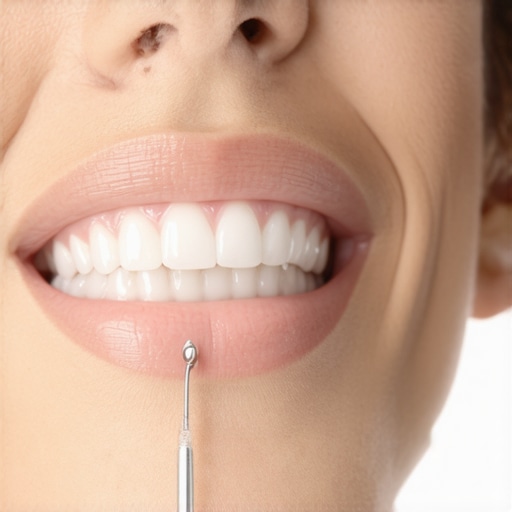
It was a typical Tuesday morning when I caught my reflection and noticed something I never expected: my teeth felt a little wobbly. As someone dedicated to maintaining oral health, I was puzzled. My Invisalign treatment was progressing smoothly, or so I thought. Suddenly, I questioned if this sensation was normal or a sign I should panic.
Feeling Those Loosening Teeth: Is It Just Part of the Process?
If you’re undergoing Invisalign, chances are you’ve experienced or will experience this strange sensation at some point, particularly around the second month. Believe me, I understand how unsettling it can be. That loose feeling might make you wonder if your treatment is going off track or worse, damaging your teeth. But here’s the truth: it’s often a normal phase in orthodontic movement. When your aligners apply gentle pressure, your teeth respond by slightly loosening as they begin to shift into their new positions. This process is part of how Invisalign works, and it’s a sign that your teeth are responding correctly.
Not many realize that during tooth realignment, some degree of mobility occurs temporarily. According to dental research, the periodontal ligament, which holds your teeth in place, stretches and adapts during orthodontic adjustments. This is a sign your treatment is doing its job—though it definitely can be unnerving if you’re unfamiliar with it. If you’re experiencing this sensation, don’t panic. Trust in the process, and remember that your orthodontist is monitoring every step.
Have You Made This Mistake Early On? Here’s Why It Matters
When I first started my Invisalign journey, I underestimated the importance of following the treatment plan meticulously. I skipped some wearing instructions, thinking a few extra hours wouldn’t matter. Big mistake. I later learned that inconsistent wear can cause uneven pressure, leading to unnecessary discomfort or even prolonging the treatment. To truly benefit from Invisalign, sticking to your schedule is crucial. This mistake is common, but it’s also easily fixable by consulting with your dentist or orthodontist. Want to learn more about optimizing your Invisalign experience? Check out how Invisalign transforms family dentistry in 2025 here.
Feeling uneasy about the looseness? If you’re curious about whether this sensation is typical or a red flag, keep reading. We’ll explore practical steps to ease your worries and ensure your treatment stays on course. After all, a confident smile is worth every bit of effort!
Keep Your Aligners Properly Seated
Ensure that your aligners fit snugly by cleaning both your teeth and the aligners regularly with a soft toothbrush and non-abrasive toothpaste. During my second week, I struggled with a slightly ill-fitting aligner after a meal. I promptly removed it, rinsed it with lukewarm water, gently brushed both sides, and re-inserted it, which restored its proper fit and minimized discomfort.
Monitor and Document Changes
Track your teeth’s response daily using a simple diary or photos. I took weekly photos to compare progress and shared insights with my orthodontist, which helped identify that the looseness was a temporary phase. This proactive approach ensures you’re aware of normal shifts versus red flags that require professional attention.
Understand the Role of Periodontal Ligament
The periodontal ligament acts like a cushioning elastic band around your teeth, allowing controlled movement. When pressure from aligners causes teeth to shift, this ligament temporarily loosens, similar to how a rubber band stretches when tugged. Recognizing this helps you anticipate natural mobility during treatment, preventing unnecessary worry.
Maintain Oral Hygiene Rigorously
Prevent plaque buildup that can exacerbate looseness or cause inflammation. After noticing initial looseness, I increased my flossing frequency and used an antibacterial mouthwash. This kept my gums healthy, supported the shifting process, and minimized irritation that might make teeth feel even more unstable.
Adjust Eating Habits for Comfort
Be mindful of foods that may disturb aligner fit or add pressure to your teeth. I avoided hard or sticky foods during this phase, opting instead for soft smoothies and soups. These choices reduce undue stress on your teeth and prevent accidental dislodgement of aligners that might worsen the loose sensation.
Communicate with Your Dentist or Orthodontist
If the looseness persists or escalates, schedule a check-up promptly. In my case, I sent an update with photos and questions through the clinic’s portal, leading to a quick appointment where adjustments were made. Regular communication ensures your treatment stays on track and addresses concerns proactively.
Incorporate Complementary Dental Care
Consider additional procedures like crowns when necessary to protect compromised teeth. For instance, after my Invisalign, my dentist recommended a crown for a weak molar, which improved stability and confidence. Learn more about how crowns can boost both function and aesthetics in family dentistry in 2025 here.
Many people hold misconceptions about their dental treatments, often oversimplifying complex processes or falling prey to myths. As an experienced dental professional, I want to shed light on some less obvious truths that can significantly impact your oral health journey. Let’s discuss common pitfalls, the nuances that many overlook, and advanced insights that can elevate your understanding.
Are You Missing the Subtle Signs of Effective Tooth Movement?
While most believe that visible shifting is the only indicator of progress with Invisalign, the reality is more nuanced. True movement involves microscopic changes in the periodontal ligament and bone remodeling—processes that aren’t immediately visible. Relying solely on external appearance can cause you to overlook these subtle signs. Regular check-ins with your orthodontist and monitoring via intraoral scans are essential to ensure that your treatment aligns with advanced biological responses. This approach is supported by recent studies emphasizing the importance of three-dimensional imaging in tracking orthodontic progress here.
Failing to recognize these hidden signs might lead to unnecessary adjustments or premature discontinuation of treatment. Stay informed and communicate regularly with your practitioner to interpret these subtle cues correctly.
Why Many Get Wrong about Crowns and End Up Compromising Their Smile
It’s a common misconception that crowns are merely cosmetic fixes. In truth, they play a vital role in restoring function, protecting weakened teeth, and preventing further decay. One of the biggest mistakes is choosing the wrong type of crown without understanding the material and design suited for specific needs, which can lead to issues like sensitivity or chipping. For example, porcelain-fused-to-metal crowns offer durability but may lack the aesthetics desired for anterior teeth, whereas all-ceramic crowns provide a natural look but might be less suitable for high-stress areas. Learning about the different options here can help you make informed decisions.
Another common pitfall is neglecting proper maintenance and not understanding the importance of compatibility between crowns and existing restorations. Ensuring your dental professional thoroughly evaluates your bite, occlusion, and overall health can make a significant difference in long-term success.
The Common Myth That Family Dentistry is Just Routine Care
Many assume that family dentistry is simply about annual cleanings and fillings. However, the true value lies in a comprehensive, preventive approach that integrates modern techniques and personalized care plans. Advanced diagnostic tools, such as laser cavity detection and digital X-rays, enable early intervention for lurking issues. Additionally, family dentists often coordinate treatments to address complex needs, including orthodontics, implants, and cosmetic procedures—actually, they help you build a foundation for lifelong health here.
Ignoring this broader perspective may lead to neglecting early signs of systemic health problems like diabetes or cardiovascular issues, which manifest orally. Regular, informed visits to a family dentist are essential for holistic health, not just tooth care.
In summary, understanding these hidden nuances, avoiding common pitfalls, and embracing a comprehensive view of dental health can vastly improve your outcomes. Have you ever fallen into this trap? Let me know in the comments—I’d love to hear your experiences and questions on how to truly optimize your dental journey.
Maintaining a healthy smile over the years requires more than just routine dental visits; it demands the right tools and a strategic approach. As someone who has navigated the complexities of Invisalign, crowns, and family dentistry, I’ve discovered that investing in specific equipment and mastering certain methods can significantly enhance your oral health journey. In this post, I’ll share some of the most effective tools I recommend for sustained dental wellness and how they help prevent common issues like loosening teeth or crown dislodgement.
Invest in a High-Quality Electric Toothbrush
One of my top recommendations is a reliable electric toothbrush with a timer and pressure sensor, like the Oral-B Genius x. These features ensure you brush thoroughly without damaging your gums, especially crucial when wearing aligners or crowns. The oscillating and pulsating movements provide superior plaque removal compared to manual brushes, supporting long-term periodontal health. I personally use the cross-action brush head for its effective coverage, which helps maintain gum integrity and prevents recession. Regular use of such a device complements professional cleanings and reduces risks of inflammation around restorations.
Utilize a Laser Cavity Detector for Early Detection
Preventing decay from progressing to a point where crowns or implants become necessary hinges on early detection. The DIAGNOdent laser cavity detector is a game-changer in this regard. I’ve found it invaluable for identifyingthreatening caries before they become visible or symptomatic, allowing for minimally invasive interventions. Incorporating this technology into routine checkups can save you from more invasive procedures later and preserve the integrity of your restorations.
Follow Through with Custom Oral Hygiene Devices
Beyond standard flossing, I highly recommend using interdental brushes and water flossers like the Waterpik Sonic-Fusion. These tools excel at cleaning around crowns, implants, and braces, areas prone to plaque buildup. The water flosser, in particular, is gentle yet effective and helps reduce inflammation, supporting the stability of your restorations over time. Making these devices part of your daily routine allows you to maintain a high level of oral hygiene, which is fundamental for long-term success.
Adopt a Long-Term Maintenance Routine
It’s not just about the tools—consistent maintenance practices amplify their benefits. Regularly replacing your toothbrush, scheduling professional cleanings every six months, and monitoring your oral status through photos or diaries can reveal early signs of issues like loosening crowns or emerging cavities. I personally keep a dental journal to track subtle changes, which I review during visits. This proactive approach fosters ongoing communication with your dentist and helps tailor your care plan as your needs evolve.
Predicting Future Trends: Embracing Tech Advancements
Looking ahead, the integration of AI-driven monitoring devices that sync with mobile apps could revolutionize personal dental care. Imagine real-time alerts about potential problems, enabling immediate action—these innovations are rapidly developing and promise to keep your smile healthier than ever. Staying informed about emerging tools can position you to leverage technology for optimal long-term results.
How do I maintain my dental tools over time?
To ensure your tools remain effective, regular cleaning and replacement are key. For example, replace your electric toothbrush heads every three months, as worn bristles diminish cleaning efficiency. Water flossers and interdental brushes should also be replaced periodically to prevent bacterial accumulation. Proper storage—keeping devices dry and away from dust—extends their lifespan and maintains hygiene standards. Remember, investing in quality tools only pays off if you maintain them diligently. For more insights on integrating modern tech into your routine, explore the latest family dentistry innovations here.
Don’t hesitate to try adopting a high-tech water flosser or scheduling a consultation to assess your current tools and habits. These small steps can lead to major improvements in your oral health longevity and confidence.
Throughout my years navigating the world of family dentistry and orthodontic treatments, one lesson stands out: real progress often hides beneath the surface—hidden signs that only those willing to observe closely can recognize. Paying attention to these subtle cues, like tooth mobility during Invisalign, has transformed the way I approach maintaining a healthy, confident smile. Recognizing that temporary tooth looseness is a sign of proper biological response, rather than a problem, was a game-changer for me—and for many patients I’ve trusted to share their stories. Embracing these insights means you can detect early signs of successful movement and address minor concerns before they escalate, saving time and preserving your smile’s integrity.