
Why Your Dentist Wants You to Stop Using Charcoal Toothpaste
I vividly remember a family dinner where I noticed my reflection in the window—my smile looked dull, and some areas seemed oddly stained despite my diligent brushing habits. That was a lightbulb moment for me. I was using charcoal toothpaste, convinced it was the secret to a brighter smile, but little did I know, I was unknowingly setting myself up for more dental troubles.
The Real Reason Charcoal Toothpaste Might Be Doing More Harm Than Good
Over the past few years, charcoal toothpaste has surged in popularity. Celebrities, influencers, and even some dental products claim it can whiten teeth naturally, and that’s tempting, isn’t it? But here’s the truth—your dentist actually wants you to STOP using it, and for good reason. Early on, I fell for the hype, thinking I was doing something beneficial. I brushed with charcoal every morning, believing I was neutralizing acids and removing stains naturally. However, I soon learned that this could be damaging my enamel and causing more harm than good. According to the American Dental Association, abrasive products like charcoal can erode the enamel layer, making teeth more sensitive and prone to cavities. This revelation was a wake-up call, and it might be for you too.
Is All the Buzz About Charcoal Exactly What It Seems?
One common skepticism I hear is: “Is charcoal toothpaste actually worth the hype?” Well, I used to believe it was a harmless trend. But after doing my homework and consulting with professionals, I realized I was making a crucial mistake early in my oral health journey. Choosing abrasive whitening methods without proper knowledge can lead to long-term damage. If you’ve been considering jumping on the charcoal bandwagon, it’s time to think twice. Want to see what safer alternatives exist? Check out The latest innovations in Invisalign and family dentistry for brighter, healthier smiles without risking erosion or sensitivity.
Now that I’ve uncovered this truth, I want to help you avoid the pitfalls I stumbled into. In the next sections, I’ll share practical, proven steps to protect your teeth and keep them looking their best—without the use of questionable whitening trends or damaging abrasives. Ready to take control of your oral health? Let’s dive into the first thing you need to know to make smarter choices for your smile.
Choose Gentle, Effective Whitening Methods
Instead of risking enamel erosion with abrasive charcoal toothpaste, opt for whitening products approved by dental professionals. Look for toothpastes containing ingredients like hydrogen peroxide, which safely whiten teeth without abrasion. I started using an ADA-approved whitening toothpaste on a clean, dry toothbrush, and after a week, I noticed a subtle brightness without sensitivity. This simple switch saved my enamel from unnecessary wear and maintained my oral health.
Master Proper Brushing Techniques
Use the Right Brush and Pressure
Select a soft-bristled toothbrush to prevent gum recession and enamel damage. Avoid pressing too hard; think of brushing like massaging your gums gently, not scrubbing with a brush designed for scrubbing stubborn stains. I once tried to clean my teeth aggressively, which caused gum irritation and bleeding. After learning to brush softly using gentle circular motions, my gums healed, and my teeth stayed healthy.
Floss Correctly for Better Results
Flossing isn’t just about removing debris; it also stimulates gums and prevents bleeding. Slide the floss gently between teeth, curving it around the side, and move it up and down. I used to floss aggressively, which caused soreness, but now I floss carefully, leading to healthier gums and reduced sensitivity.
Prioritize Regular Dental Visits and Restorations
Annual checkups catch issues early, especially before they escalate into painful or costly problems. For damaged teeth, crowns can restore strength and function, acting as a protective shield, much like a cap on a worn-out pipe. After a dentist advised me to consider crowns for a weakened molar, I scheduled a consultation through their contact page. The procedure restored my bite and prevented further decay, underscoring the value of proactive care.
Consider Invisalign Instead of Traditional Braces
Clear aligners offer a discreet way to straighten teeth seamlessly, much like fitting in a tailored suit instead of baggy overalls. I opted for Invisalign after discussing options with my dentist—see how Invisalign transforms family dentistry. The process was straightforward; I wore the aligners daily, removed them for meals, and watched my crooked teeth align steadily. It proved to be a comfortable, effective solution without the hassle of metal brackets.
Cut Down on Acidic and Sugary Foods
Acidic foods weaken enamel, making teeth more susceptible to staining and decay. To protect my teeth, I limited citrus fruits and soda, rinsing my mouth with water afterward, much like washing off dirt before it causes trouble. On a trip, I accidentally indulged in too many citrus drinks and paid the price with increased tooth sensitivity. Now, I buffer acidic intake and use fluoride rinse to reinforce enamel.
Seek Professional Advice for Restorative Needs
If you notice your crown feeling loose or staining, don’t wait—visit your dentist promptly. Restorations like crowns are like a sturdy roof—they protect what’s underneath. I experienced a loose crown after eating hard foods; I contacted their team, and they fixed the issue before further damage occurred. Regular checkups ensure your restorations stay secure and functional.
Implement Tech-Savvy Dental Solutions
Modern dentistry offers appliances like digital sensors and 3D imaging, making diagnostics precise. For instance, I learned about crown technology that ensures longevity. During my crown fitting, the dentist used 3D scans to craft a perfect fit, reducing discomfort and enhancing durability. Exploring new tech can save you time, money, and protect your smile more effectively.
Monitor Your Oral Health Regularly
Be proactive about changes like gum bleeding, sensitivity, or staining; these are signals of underlying issues. I kept a simple journal of my oral health, noting days with bleeding or soreness, which helped me catch early signs of problems. If you’re unsure, consult your dentist or explore red flags for dental implant failure. Staying vigilant prevents minor issues from becoming major crises and maintains long-term oral health.
Many people believe that opting for the latest dental technologies or trendy whitening methods guarantees optimal oral health. However, even seasoned patients often misjudge the significance of personalized treatments, especially when it comes to restorations like crowns or innovative options like Invisalign. For instance, a common misconception is that crowns are merely cosmetic fixes rather than vital restorations that protect weakened teeth from further damage. In reality, choosing the right type of crown—whether porcelain, ceramic, or metal—depends heavily on individual bite patterns and underlying structure, which only a skilled dentist can assess. Exploring these nuances can hugely impact the longevity and health of your restorations, as detailed in expert analyses like this comprehensive review of crowns in restorative dentistry.
Are These Modern Tools Really Revolutionizing Your Smile, or Just Marketing?
It’s tempting to think that new technology—like digital impressions or 3D-printed aligners—are only for cutting-edge clinics. But the truth is, understanding the mechanics and limitations of these tools helps you avoid costly pitfalls. For example, many believe Invisalign aligns teeth flawlessly without need for check-ups, but in practice, factors such as bite force, oral habits, and case complexity influence success. Overlooking these variables can lead to uneven results, discomfort, or relapse. As research underscores, personalized treatment planning based on comprehensive diagnostics offers superior outcomes versus one-size-fits-all approaches. Find out more about how modern Invisalign solutions can transform your smile.
Additionally, many assume that family dentistry comprises only basic cleanings and checkups. But, in reality, this field encompasses advanced preventive strategies, educational initiatives, and restorative techniques that can prevent complex issues down the line. Recognizing these subtleties can help you advocate for a more proactive, comprehensive approach during your next visit. For example, regular assessments of gum health and early intervention with restorations like crowns or even orthodontic solutions can save money and discomfort later. Don’t forget to explore insights on modern family dentistry practices that go beyond routine care.
Understanding these intricacies empowers you to make smarter choices and communicate effectively with your dental provider. Recognize that the key isn’t just in treatment options but in personalized, nuanced assessments that consider your unique needs. Have you ever fallen into this trap? Let me know in the comments. Remember, being well-informed is your best defense against common mistakes that can compromise your smile’s health and confidence. For more expert strategies, check out tips on selecting the right crown or explore how crowns can fundamentally improve your dental health.
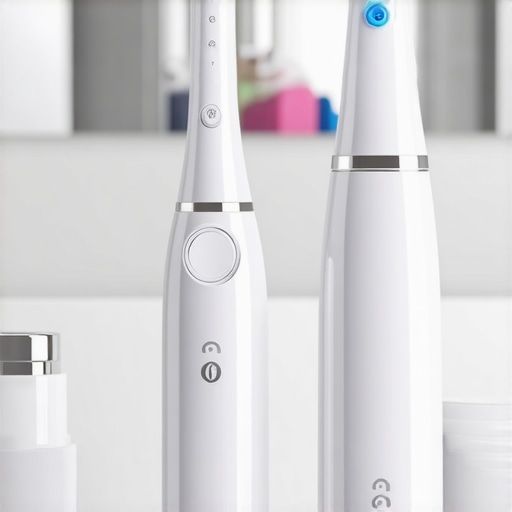
How do I keep my smile in top shape over the years? It all comes down to using the right tools and routine strategies that promote longevity and prevent issues before they start. Personally, I rely on high-quality electric toothbrushes like the Oral-B Genius series, which I find perfect for gently yet thoroughly cleaning my teeth without damaging enamel. These devices come with smart sensors that ensure I’m applying the correct pressure—something I learned is crucial to avoid gum recession or enamel erosion. Additionally, I incorporate a water flosser, such as the Waterpik Aquarius, to reach areas that traditional floss might miss, especially around crowns and braces, which are susceptible to plaque buildup if not cleaned properly.
What I Wish I Knew About Enamel Before Using Charcoal
It took a personal scare to realize that not all whitening methods are safe. I believed charcoal toothpaste was a natural miracle, but it was actually eroding my enamel over time, leading to increased sensitivity. The lightbulb moment taught me to prioritize evidence-based products over trendy solutions.
The Power of Personal Experience Over Marketing Claims
After many missteps, I learned to trust my own observations—like noticing increased sensitivity or gum irritation—rather than falling for glossy advertisements. This shift helped me become more selective and informed about the treatments I choose, emphasizing the importance of listening to your body’s signals.
The Value of Consistent, Gentle Care
Discovering that soft-bristled brushes and proper flossing techniques made a real difference boosted my confidence in routine care. I realized that small daily habits, when executed correctly, can prevent costly procedures and preserve natural teeth longer than aggressive treatments.
Resource Picks That Actually Make a Difference
Over time, I curated tools like an ADA-approved whitening toothpaste, a smart electric toothbrush, and a reliable water flosser. These have become game-changers in maintaining my smile, proving that investing in quality tools tailored to your needs pays off.
Takeaway: Empower Yourself for a Lifetime of Smiles
The biggest lesson is to stay curious, question trends, and seek professional advice tailored to your personal dental history. Your smile is worth the effort, and with the right knowledge, you can prevent many issues before they start. Ready to put these insights into action? Consult your dentist regularly and choose your dental tools wisely to enjoy healthier, happier teeth for years to come.
Where Will Your Smile Take You?
Remember, every small effort adds up. Whether it’s adopting better brushing habits or exploring modern restorative options like Invisalign advancements, your commitment today shapes your confident tomorrow. What’s the next step you’ll take to improve your oral health? Share your plans below—I’d love to hear how you’re investing in your smile’s future!