
Why Your Invisalign Trays Smell Like Vinegar Even After Cleaning
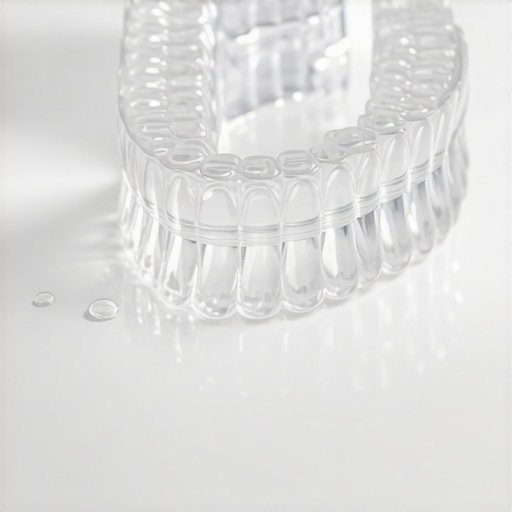
There was a morning when I opened my treatment kit and caught a whiff that made my stomach turn—a sharp, sour smell that reminded me of vinegar. I had just cleaned my Invisalign trays, spent extra time brushing, soaking, and rinsing, only to be greeted by that persistent odor. It’s a frustrating experience that many Invisalign wearers know all too well. Despite your best cleaning efforts, that unmistakable vinegar-like smell seems to linger, making you wonder if you’re doing something wrong or if your trays are just doomed.
The real reason behind that sour scent sneaking into your daily routine
Today, I promise to shed light on why your Invisalign trays smell like vinegar even after cleaning, and more importantly, how to effectively eliminate that pesky odor. It’s not about laziness or neglect—often, it’s a simple misunderstanding about the cleaning process or a hidden buildup that nobody warns you about. If you’ve ever felt self-conscious about the smell during a Zoom call or wanted to hide your trays at work, you’re not alone. This problem can feel surprisingly stubborn, but once you’re equipped with the right knowledge, it becomes easy to fix.
Is Vinegar Smell Just a Myth, or Is It Actually Harmful?
I recall early in my Invisalign journey, making the mistake of soaking trays in overly concentrated vinegar solutions, assuming it was a solid sterilizer. That’s a mistake many people repeat because vinegar is often touted as a natural cleaning marvel for dental appliances. However, using too much or leaving trays submerged too long can embed that sour smell and even damage your aligners. Trust me, I learned this the hard way, and it’s why I now advise against aggressive solutions that seem ‘natural’ but are actually harmful.
Experts from family dentistry emphasize that proper cleaning involves more than just soaking. Understanding the chemistry of buildup and the behavior of bacteria on plastic surfaces can make all the difference in keeping your trays fresh.
In the following sections, I’ll guide you through the common causes of that vinegar smell and share some simple, proven methods to refresh your aligners. Whether it’s a stubborn film, bacteria buildup, or just periodic maintenance, you’re about to learn how to enjoy odor-free trays and finally say goodbye to that sour scent.
Deep Cleaning Your Invisalign Trays
Start by rinsing your trays thoroughly under lukewarm water to remove any surface debris. Gently scrub them using a soft-bristled toothbrush and a non-abrasive, fragrance-free toothpaste. I remember once accidentally using a whitening toothpaste that was too harsh; it left my trays feeling rough and the smell persisted. After switching to a gentle toothpaste, my trays looked clearer and smelled fresh within minutes.
Use Proper Cleaning Solutions
Rather than soaking trays in vinegar, opt for a specialized aligner cleaning tablet or a mixture of equal parts of mild liquid soap and water. For an extra boost, add a splash of hydrogen peroxide—just enough to foam lightly. I once soaked my trays overnight in a diluted peroxide solution, which effectively broke down stubborn bacteria without damaging the plastic. Rinse thoroughly afterward to remove any residual solution.
Address Bacterial Buildup Quickly
Bacteria are a common cause of that sour smell. To combat this, implement a weekly disinfection routine: soak your trays in a denture cleaner or store them in a vinegar solution no longer than five minutes—contrary to popular belief, extended exposure causes more harm than good. Remember, over-soaking in vinegar can embed the smell and weaken the material, so always stick to recommended durations.
Prevent Odors with Adequate Drying
After cleaning, pat your trays dry with a lint-free towel and let them air-dry completely before storage. Leaving trays damp creates an environment for bacteria to thrive, which is a root cause of odorous build-up. I learned this the hard way when I left my trays in a closed container for a day—resulting in a strong vinegar-like smell that took days to eliminate.
Optimize Your Storage Practices
Always store your Invisalign in a clean, ventilated case. Avoid leaving trays in a bathroom or a humid environment where moisture and bacteria flourish. Also, clean your case weekly with soap and water to prevent transfer of odors back onto your trays. I once neglected this, and my trays started smelling sour again shortly after cleaning, reminding me how important storage hygiene is.
Incorporate Routine Maintenance
Set a regular schedule—such as every other day—to brush and soak your trays. Use a timer or reminder app to stay consistent. This routine prevents bacterial buildup and keeps your trays smelling fresh. Remember, stubborn odors often stem from neglecting small daily habits, so consistency is key.
By following these steps, you’ll transform your cleaning routine into an effective defense against the vinegar smell. Combining proper cleaning, disinfection, drying, and storage practices ensures your trays stay odorless and hygienic, making your Invisalign experience more comfortable and confident. For more tips on maintaining your smile, explore how Invisalign compares to braces.
While many patients assume they know the basics of oral health, a closer look reveals several misconceptions that can lead to costly mistakes. For instance, a widespread myth is that crowns are only for aesthetic enhancement rather than for restoring functionality and preventing further decay. In reality, as detailed in the ultimate guide to crowns, they serve as vital structural restorations, protecting weakened teeth from breaking. Overlooking this nuance can result in choosing the wrong treatment approach, ultimately compromising oral health.
Another area often misunderstood is family dentistry itself. Many believe that regular dental visits are merely for cleaning and cavity checks. However, research indicates that comprehensive family care involves early detection of systemic health issues manifesting in the oral cavity. As explained in family dentistry trends, proactive screenings can identify conditions like diabetes or vitamin deficiencies from subtle oral signs. Missing these signs is a trap that can delay life-saving interventions.
When it comes to Invisalign, a common misconception is that it’s a less effective option compared to traditional braces. The truth, supported by Invisalign innovations, is that for suitable cases, it offers faster, discreet, and more comfortable alignment. Yet, many overlook the importance of the nuance: not all orthodontic issues are ideal candidates for clear aligners. Advanced techniques involve meticulous case selection and modern materials that are often underappreciated by patients relying solely on superficial information.
But what about the hidden pitfalls? For example, relying solely on DIY whitening or whitening toothpaste can irreversibly damage enamel, leading to increased sensitivity and discoloration. Over-the-counter products often lack the sophistication of professionally applied treatments, which are tailored to individual needs—something emphasized in hidden benefits of Invisalign. Furthermore, neglecting routine check-ups in favor of at-home remedies may seem cost-effective but often results in overlooking early signs of decay or periodontal disease.
Finally, it’s crucial to recognize that advanced dental care hinges on understanding the science behind materials and techniques. For example, the proper selection and placement of crowns involve considering their interaction with surrounding tissues and long-term durability—details discussed thoroughly in crowns as game changers. Underestimating these nuances can lead to frequent replacements or complications.
In summary, moving beyond simplistic notions about restorative and cosmetic dentistry unlocks solutions that are truly tailored to individual needs. If you’re considering crowns, Invisalign, or any family dental service, ask your provider about these nuances and ensure your treatment plan accounts for the complexities that develop medical-grade standards. Have you ever fallen into this trap? Let me know in the comments.
Maintaining your dental tools and appliances is crucial for ensuring their longevity and effectiveness. From Invisalign trays to crowns and family dentistry equipment, proper upkeep can save you time, money, and discomfort in the future.
Why Regular Maintenance Matters
Just like any sophisticated device, dental tools require routine care. Neglecting cleaning or storage can lead to bacterial buildup, material degradation, and reduced performance. For example, improperly maintained Invisalign trays may develop odors or become less transparent, undermining their discreet appearance and comfort.
Essential Equipment and Techniques I Recommend
One of my go-to methods involves using ultrasonic cleaners for small dental appliances. These devices vibrate at high frequencies, effectively removing debris without abrasive chemicals, thereby preserving the integrity of your aligners and crowns. I personally rely on the Sonicare SonicClean ultrasonic toothbrush for daily maintenance—it combines gentle vibration with antimicrobial bristle design, which helps prevent plaque buildup around restorations.
For storage, the importance of using ventilated, disinfected cases cannot be overstated. A dedicated case with antimicrobial properties reduces the risk of bacterial growth. Additionally, I recommend a regular, weekly soak in a dishwasher-safe disinfectant like a dentist-approved solution, which keeps everything hygienic and odor-free.
Predictions for the Future of Dental Tool Care
As technology advances, we’ll see smarter care systems, potentially integrating UV-C sterilization chambers into home-use devices. These innovations could enable real-time monitoring of hygiene levels, making maintenance more automated and reliable. Staying ahead of these trends will ensure you always benefit from the best in oral health hygiene.
How do I maintain my dental tools over time?
Consistency and proper storage are key. Establish a routine, such as cleaning your Invisalign trays with an ultrasonic device every week, and always store them in a dry, ventilated case. Regularly inspect your equipment for signs of wear or damage, and schedule professional check-ups to ensure your appliances and tools are functioning optimally. For added peace of mind, I also specialize in guides to integrating advanced cleaning tech into your routine—feel free to reach out for personalized advice. Remember, investing in quality tools and thorough maintenance today ensures your smile stays healthy and confident tomorrow.
What I Wish I Knew Before Starting My Invisalign Path
One of my biggest surprises was realizing that proper cleaning isn’t just about convenience—it’s about preserving the integrity and freshness of my trays. Learning to avoid harsh chemicals like aggressive vinegar solutions taught me to focus on gentle, effective routines. Additionally, I discovered that storage habits directly impact odor retention, making routine upkeep a game-changer. Lastly, understanding that consistency in daily maintenance prevents stubborn odors saved me from disappointments and boosted my confidence during every step of my Invisalign journey.
Tools That Elevated My Oral Hygiene Routine
My go-to resources include Ultrasonic Dental Cleaners, like the Sonicare SonicClean, which I trust for efficient debris removal without risking damage. I also rely on specialized aligner cleaning tablets, which are designed specifically for invisalign trays, ensuring a thorough and safe cleanse. For storage, ventilated, antimicrobial cases have been invaluable in keeping trays odor-free and hygienic. These tools, combined with regular professional check-ups, create a comprehensive shield against odor and bacteria buildup, making my daily routine more confident and effective.
Embrace the Change: Your Smile Deserves It
Taking charge of your oral health with the right knowledge and tools elevates your confidence and comfort. Remember, small consistent habits become the foundation for a healthier, brighter smile—whether you’re wearing Invisalign, crowns, or just practicing better family dental care. Don’t let fear or misconceptions hold you back; your journey toward optimal oral health is entirely within your control. Take the first step today, and let your radiant smile open new doors for you!
Have you ever struggled with maintaining your Invisalign trays or other dental appliances? Share your experiences below—I’d love to hear what worked or what challenges you faced!