
Why Your Gums Hurt When You Have a Cold
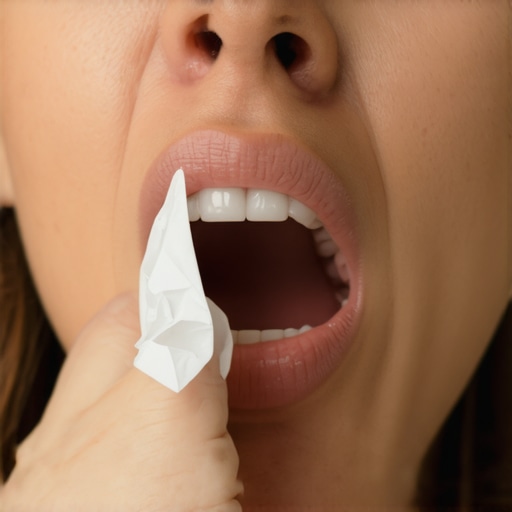
I remember the day I finally connected the dots—my gums throbbing every time I caught a cold. At first, I thought it was just another minor annoyance, something I’d ignore and hope it went away. But as the months passed, those painful gum episodes became a frustrating pattern, making me question my oral health and even causing me to dread those sniffles and sore throats more than usual. Have you ever experienced something similar? That lightbulb moment when you realize your body’s signals are trying to tell you something more than just a seasonal bug?
Why Your Gums Signal More Than Just Illness When You Catch a Cold
In my journey through dental mysteries, I discovered that sore, tender gums during a cold aren’t just a coincidence. Our immune system, when compromised, can make your mouth more vulnerable, especially if you already have underlying issues like gum recession or slight inflammation. The common cold can intensify these problems, leading to increased sensitivity, pain, or even bleeding. Interestingly, studies show that during a cold, increased inflammation in the body can exacerbate gum problems, revealing how interconnected our health really is. According to the American Academy of Periodontology, systemic infections or illnesses can aggravate pre-existing gum conditions, making your mouth feel like it’s under attack.
Moreover, post-nasal drip and mouth breathing during colds can dry out your gums, leading to discomfort and sensitivity. This happened to me constantly—dryness, soreness, and a tingling sensation that made every sip of hot tea painful. It’s also worth noting that some over-the-counter cold remedies contain ingredients that can dry out your mouth, worsening gum soreness.
But here’s the good news: recognizing this connection is the first step. When I started paying attention to these signals, I realized that maintaining good oral hygiene, staying hydrated, and being cautious with medication could make a significant difference. If you’re nodding along, you’re not alone—many of us face this struggle.
Are you tired of suffering through colds with the added misery of gum pain? If so, keep reading. I’ll guide you through practical, simple steps to protect your gums during cold season, so you can breathe easier and smile brighter.
Is All This Really Worth the Fuss? The Skeptic’s Viewpoint
I admit, I was skeptical at first—thinking, “It’s just a cold, how bad can it be for my gums?” But then I remember a mistake I made early on: neglecting my oral health because I associated gum pain solely with brushing habits or flossing mistakes. That oversight delayed my recovery and made the pain worse.
Trust me, understanding the reasons behind your gum discomfort is worth it. It can prevent discomfort from turning into serious issues like gum infections or recession. If you’ve ever brushed off this problem, I encourage you to reassess—because there’s more going on beneath the surface.
If you’re interested in how other dental issues can compound during illness, you might find [this article on dental health trends](https://familydentistpro.com/family-dentistry-trends-improving-oral-health-for-all-ages) insightful. Now, let’s move on to the actual steps you can take today to safeguard your gums during your next cold.
Maintain Gentle Oral Hygiene During Illness
When fighting a cold, it’s tempting to skip brushing or brush aggressively, thinking it might be easier. However, gentle brushing twice a day with a soft-bristled toothbrush is crucial to prevent further irritation and promote healing. I remember a time I was so weakened by a cold that I almost skipped brushing, but I decided to be diligent. The result was a noticeable reduction in gum soreness after just two days of gentle care.
Use Targeted Mouth Rinses to Soothe Gums
In my experience, rinsing with a medicated or saltwater solution can significantly reduce inflammation. Mix half a teaspoon of salt in a cup of warm water and swish for 30 seconds, then spit. Doing this twice daily helped me manage gum tenderness and prevent infection. Be cautious not to overuse mouthwashes containing alcohol, as they can dry out your gums further and worsen discomfort.
Stay Hydrated to Combat Dryness
Dehydration during a cold can dry out your mouth and gums, leading to increased sensitivity. I found that sipping water regularly throughout the day kept my mouth moist and my gums healthier. Consider using a humidifier in your room if the air is dry, which can also aid in keeping your oral tissues hydrated.
Adjust Your Diet for Sensitive Gums
Consuming soft, non-acidic foods reduces stress on sore gums. I switched to smoothies and soups, which were easy to swallow and gentle. Avoid hot, spicy, or acidic foods that can exacerbate irritation. This simple change not only eased pain but also helped maintain proper nutrition during recovery.
Manage Cold Medications to Prevent Dry Mouth
Many over-the-counter cold remedies list dry mouth as a side effect. If you’re taking such medications, pair them with saliva substitutes or sugar-free gum to stimulate saliva production. I learned this the hard way when my gums became increasingly sore; using saliva boosters alleviated dryness and improved comfort.
Limit Mouth Breathing
Nasal congestion often causes mouth breathing, which dries out gums. Using a saline spray or nasal decongestant can help maintain nasal airflow. During my last cold, when I managed to reduce mouth breathing, I noticed less gum dryness and discomfort. If you find that mouth breathing persists, consult a healthcare professional.
Seek Professional Help When Necessary
If gum pain worsens or persists beyond the cold, consult your dentist promptly. For instance, during a particularly severe cold, I ignored minor gum bleeding, which then developed into a small infection. Regular dental checkups and timely intervention can prevent minor issues from becoming serious problems.
By integrating these practical steps into your routine, you can shield your gums from cold-induced distress. Remember, consistent and gentle care makes the biggest difference—so don’t overlook even small discomforts, as they are signals your body needs attention.
Many people assume that maintaining good oral health is as simple as brushing twice a day and visiting the dentist annually. However, this superficial approach often leads to misconceptions and overlooked pitfalls. For instance, while family dentistry covers routine care, the nuances of teeth alignment and restorative options like crowns or Invisalign require a deeper understanding to avoid costly mistakes. One common myth is that all dental restorations are interchangeable; in reality, choosing between crowns and veneers depends on specific needs, which can significantly impact your long-term oral health. For example, crowns offer durability for damaged teeth, whereas veneers primarily improve aesthetics. Learn more about these differences in [Crowns vs. Veneers — Which Is Better for Your Smile?](https://familydentistpro.com/crowns-vs-veneers-which-is-better-for-your-smile-cure-at-429-pm).
Another misconception revolves around Invisalign treatments. Many believe that Invisalign is only for minor misalignments, but recent advances have expanded its use to complex cases. Yet, not understanding the nuances of Invisalign’s limitations can lead to ineffective results. To avoid this trap, consult a specialist who can tailor your treatment plan, comprehend the latest innovations, and ensure optimal results—details of which are discussed in [Invisalign Innovations — The Future of Family Dentistry](https://familydentistpro.com/invisalign-innovations-the-future-of-family-dentistry-revealed-at-1137-am).
One advanced mistake I often see is patients neglecting the impact of diet and habits on restorations and alignment appliances. For example, consuming hard foods or neglecting proper cleaning can compromise crowns or Invisalign trays, leading to premature failure or discomfort. Stay vigilant—proper maintenance and understanding of material limitations are essential.
Speaking of maintenance, many overlook the importance of regular check-ups beyond cleaning appointments. Regular examinations can detect issues like minor cracks or misalignments early, saving you from more invasive procedures later. This is especially critical with complex restorations or orthodontic devices, which require precise monitoring.
From my experience, the biggest pitfall is complacency—underestimating the importance of personalized dental care tailored to your unique anatomy and lifestyle. Advances in modern dentistry, such as custom crowns and clear aligners, have transformed how we approach oral health, but only if used correctly. For comprehensive insights into safe practices and cutting-edge treatments, I recommend exploring [The Ultimate Guide to Crowns for a Healthier Smile](https://familydentistpro.com/the-ultimate-guide-to-crowns-for-a-healthier-smile).
So, here’s a crucial question for you: Are you aware of the subtle nuances that could be sabotaging your oral health journey? Don’t miss out on expert advice—ask your dentist about the latest options suited to your needs. And remember, ordinary habits can become pitfalls if you’re not informed. Have you ever fallen into this trap? Let me know in the comments.Maintaining optimal oral health over the long term requires the right tools and methods tailored to your unique needs. Personally, I rely on a combination of high-quality ultrasonic toothbrushes, targeted antimicrobial rinses, and digital tracking apps to keep my family’s smiles bright and healthy. For example, I swear by the Sonicare DiamondClean toothbrush, not just for its superior plaque removal but also because its sonic technology reduces gum inflammation more effectively than manual brushing, especially when combined with personalized brushing habits learned via its companion app. Using a timer and pressure sensor helps prevent aggressive brushing that could damage gums or restorations like crowns or veneers.
In addition, I integrate professional-grade water flossers, such as the Waterpik Sonic-Fusion, which combines flossing and brushing in one device. This approach ensures that even tight spaces and hard-to-reach areas receive thorough cleaning, helping to prevent periodontal issues and maintain the integrity of crowns or Invisalign trays.
Beyond hardware, I utilize specialized software like Dentrix Ascend to keep track of dental appointments, restorations, and treatment plans. This digital oversight helps catch early signs of problems, like micro-cracks in crowns or early signs of decay around implants, before they escalate.
Looking ahead, the trend leans toward smart dental devices integrated with AI to analyze your brushing patterns and provide real-time feedback, potentially reducing reliance on manual techniques. This personalization can lead to better adherence and improved outcomes over time.
How do I maintain these tools and my oral health routine over time? Regularly replace toothbrush heads every three months, keep devices clean and dry after use, and consult with your dentist for personalized adjustments or upgrades. For instance, I schedule bi-annual professional cleanings and checkups, which seamlessly complement my at-home regimen. To deepen your understanding, consider reviewing [family dentistry trends](https://familydentistpro.com/family-dentistry-trends-improving-oral-health-for-all-ages), which highlight emerging technologies shaping future care.
If you’re ready to elevate your routine, I encourage trying a smart sonic toothbrush combined with a digital tracking app—these are game-changers for consistent and effective maintenance. Remember, the key to long-term success lies in integrating advanced tools with disciplined habits, ensuring that your oral health remains resilient through life’s challenges.
Lessons Learned From My Dental Journey That Nobody Tells You
One of the biggest surprises I encountered was realizing how interconnected my overall health was with my oral health, especially during illnesses like colds. I used to think that gum discomfort was just an annoyance, but I discovered it can be a signal of deeper issues that, if ignored, could lead to more severe problems. Another lesson was the importance of tailored dental treatments—what works for one person might not suit another, highlighting the value of personalized care. Lastly, I learned that proactive habits, such as gentle hygiene and regular checkups, aren’t just routine—they’re essential shields protecting your smile against unexpected setbacks.
Tools and Resources That Transformed My Perspective on Family Dentistry
I’ve come to trust a few key tools and sources that have made a real difference. For comprehensive understanding of restorative options, The Ultimate Guide to Crowns offers invaluable insights into choosing durable restorations. For clarifying misconceptions about modern orthodontics, Invisalign Myths is a must-read, helping you make informed decisions. Additionally, I follow Family Dentistry Trends articles to stay updated on the latest technological advances enhancing patient care. These resources empower me to advocate better for my dental health and that of my loved ones.
Your Smile’s Future Starts Now—Don’t Wait to Make a Change
Remember, your oral health is a lifelong journey, not a one-time fix. Taking proactive steps today—such as adopting gentle, consistent hygiene routines and seeking personalized professional advice—can make a profound difference in maintaining a healthy, confident smile. Every small effort compounds over time, leading to brighter, stronger teeth and healthier gums. So, why not start now? Your future self will thank you for the commitment to keep your smile radiant and resilient for years to come. What’s one change you’re ready to make to protect your smile today? Let me know below.