
Why Your Floss Keeps Shredding Between the Same Two Teeth
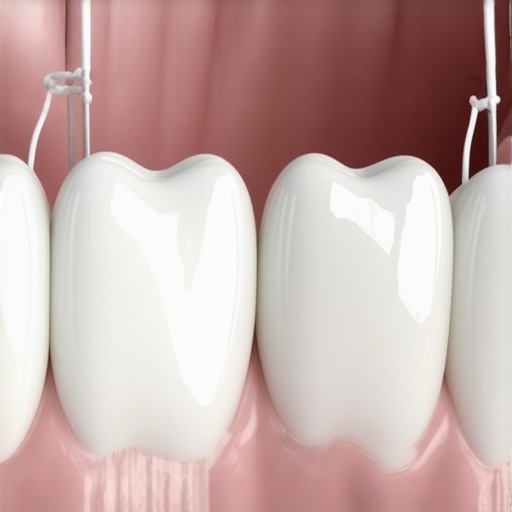
Have you ever found yourself frustrated, staring at a piece of floss torn in half just as you reach those tricky spots between your teeth? I’ve been there—feeling defeated, wondering what I was doing wrong. It’s that sinking feeling when you think, “Is my floss cursed?” or worse, “Am I damaging my teeth?” I remember one evening, after yet another frustrating floss session, I had a lightbulb moment. It wasn’t my technique. It was a common mistake many of us make early on that causes floss to shred repeatedly, especially between the same two teeth. And let me tell you—once I cracked that code, my flossing routine became smoother, and my gums healthier.
So, today I want to share with you why your floss keeps shredding in that stubborn spot and, more importantly, how you can put an end to it for good. Because trust me, successful flossing isn’t about brute force or the fanciest floss—it’s about using the right technique and tools tailored to your unique dental landscape.
What’s Really Causing Your Floss to Tear
Is Your Floss Technique or the Floss Itself to Blame?
Follow the Correct Flossing Motion
The most common mistake is using a sawing motion, which puts excessive stress on the floss fibers, causing them to shred. Instead, gently slide the floss between your teeth using a C-shaped curve, hugging each tooth’s side, and glide it up and down without force. I once tried this method after reading a tip and noticed that my floss no longer tore at that stubborn molar space, leading to less irritation and healthier gums.
Use the Right Length and Type of Floss
Start with about 18 inches of floss; wind most of it around your middle fingers, leaving an inch or two to work with. This ensures you’re not reusing dirty sections. Opt for waxed floss if you have tight contacts or rough edges, as it glides more smoothly without catching on jagged surfaces. I experimented with both styles when I switched to waxed floss, and the smoother glide made a noticeable difference in preventing shredding.
Adopt Proper Flossing Technique for Challenging Spots
In tight areas or where crowns are present, patience is key. Gently thread the floss, avoiding force that can tear the fibers or damage restorations. Using a floss pick can help reach tricky back teeth more comfortably. I recall struggling with a crown in the molar region, but switching to a floss pick gave me better control, ensuring thorough cleaning without damaging my restorations.
Be Gentle Around Restorations and Crown Margins
Crowns and veneers have margins that can be sensitive or prone to tearing floss if handled roughly. When flossing around crowns, use a light touch and move the floss slowly. Think of it like polishing jewelry gently—firm enough to clean, gentle enough to avoid damage. I learned this after noticing a slight pink line near my crown, which indicated I might be applying too much pressure.
Stay Consistent and Replace Floss Regularly
Dirty, worn-out floss loses its strength and can shred more easily. Change your floss daily or after every three sessions to prevent weakening fibers. Consistency in your technique reinforces better habits, reducing shredding. I kept a small container of fresh floss in my bathroom, which helped me stay disciplined and prevent reuse of frayed threads, maintaining optimal cleanliness and floss integrity.
Incorporate Floss Alternatives When Needed
If traditional floss continues to shred despite proper technique, consider alternatives like interdental brushes or water flossers. They can access corners that are hard to reach and provide gentle cleaning without tearing. I eventually switched to a water flosser for my braces, and it significantly reduced floss shredding, especially in crowded areas.
Remember, mastering these techniques transforms flossing from a chore into an effective, pain-free step in your oral health routine. Proper flossing not only cleans between teeth but also protects your gums and restorations, preserving your smile’s integrity.
When it comes to dental restorations like crowns or orthodontic options like Invisalign, many believe these solutions are straightforward fixes. However, beneath the surface lies a web of misconceptions that can hinder long-term oral health. Let’s dig deeper into these nuances that even some dental enthusiasts overlook.
One pervasive myth is that crowns are a quick, one-size-fits-all solution for damaged teeth. In reality, the success of a crown depends heavily on choosing the right type and understanding the nuances of placement. For instance, many assume that all crowns are equally durable, but porcelain-fused-to-metal crowns often offer better support for molars subjected to heavy chewing. To ensure longevity, consulting with a specialist about the specific needs of your tooth can make a significant difference. For more insights on how to select the best crown, check out our detailed guide on [choosing the right crown](https://familydentistpro.com/choosing-the-right-crown-expert-advice-for-long-lasting-results).
Similarly, there’s a common misconception about Invisalign being only for minor teeth misalignment. While it’s true that Invisalign offers discreet treatment, advanced cases with significant crowding or bite issues may require more complex interventions. Overlooking this can lead to prolonged treatment times or subpar results. Some believe that Invisalign trays work independently, but in fact, proper aligner wear and advanced planning with a professional are crucial for optimal outcomes. To understand which orthodontic option best fits your situation, explore [Invisalign vs. braces](https://familydentistpro.com/invisalign-vs-braces-which-solution-fits-your-lifestyle).
In the realm of family dentistry, many assume that routine cleanings alone ensure lifelong oral health. While cleaning is essential, it’s only part of the puzzle. Neglecting factors like diet, fluoride exposure, and early detection of issues can lead to preventable cavities and gum disease. Furthermore, some believe that fillings or sealants last forever, but they wear down over time, increasing the risk of future problems. Regular check-ups and personalized care plans are vital to avoid these pitfalls. For comprehensive family health strategies, visit [top oral health tips for your family’s bright smiles](https://familydentistpro.com/top-oral-health-tips-for-your-familys-bright-smiles).
Diving even deeper, advanced practitioners recognize that patient education about the nuances—like how restorations interact with your bite or how orthodontics shift jaw dynamics—is key to long-term success. For example, improper crown margins can lead to decay if not correctly fitted, emphasizing the importance of choosing experienced professionals. Additionally, understanding the limits of each treatment modality helps prevent overconfidence in DIY fixes or oversimplified solutions.
Remember, thorough knowledge and careful planning are your best defenses against common mistakes. Incorporate expert insights from sources like [the ultimate guide to crowns](https://familydentistpro.com/the-ultimate-guide-to-crowns-for-a-healthier-smile) to refine your approach. Have you ever fallen into this trap? Let me know in the comments. Staying informed ensures your smile remains healthy and radiant for years to come.
Keeping It Working: Essential Tools for Dental Maintenance
Maintaining your oral health over time requires more than just regular brushing and flossing. Investing in the right tools can make a significant difference in long-term results. Personally, I swear by my ultrasonic toothbrush; its deep cleaning capability reaches beyond manual brushing, effectively reducing plaque and preventing tartar buildup. Brands like Sonicare or Oral-B have models equipped with timers and pressure sensors, ensuring you brush adequately without damaging your gums.
Beyond your toothbrush, I recommend using interdental brushes tailored to your specific gaps. These small, cone-shaped tools easily access tight spaces and are gentler than toothpicks, which can sometimes damage gums. For instance, the GUM Proxabrush is excellent because its durable bristles adapt to curved spaces, enhancing cleaning effectiveness without risking injury.
Why Regular Maintenance Is Non-Negotiable
Long-term oral health isn’t just about daily routines—scheduled professional cleanings and checkups are vital. My practice emphasizes the use of low-radiation digital X-rays, which detect issues before they become painful or costly. Modern dental tools like cavity detection dyes or laser cavities scanners allow for early intervention, preserving your tooth structure. According to the American Dental Association, routine examinations combined with advanced diagnostic tools can extend the lifespan of restorations and prevent minor problems from escalating.
Predicting Future Trends in Dental Care
Advancements like AI-powered diagnostics and 3D printing are revolutionizing how we approach dental treatment, making customization faster and more precise. Yet, the core of successful long-term care remains consistent—using high-quality tools and maintaining disciplined hygiene routines. As these technologies evolve, combining them with proven techniques will optimize patient outcomes.
How do I maintain crowns, Invisalign, and family dentistry tools over time?
Proper maintenance starts with specialized cleaning devices. For crowns, I recommend gentle interdental brushes and non-abrasive cleaning pastes to prevent staining or surface wear. Invisalign trays require regular scrubbing using a soft-bristled toothbrush and avoiding harsh chemicals to prevent discoloration—research suggests that overusing whitening agents can weaken aligners, so stick with recommended cleaning solutions. Family dentistry tools, like fluoride rinse or antibacterial mouthwashes, support overall health by reducing bacteria buildup. For detailed guidance, see our comprehensive oral health tips.
Ensure you schedule biannual checkups so your dentist can inspect restorations and aligners, replacing any worn or damaged components promptly. Remember, diligent daily care combined with professional oversight fosters durable results and avoids costly repairs. Embrace preventative strategies, and your smile will thank you for decades to come. Want to explore the latest innovations? Check out how crowns can elevate your confidence or consider consulting with a specialist about personalized maintenance routines tailored for your needs.
What I Wish I Had Known Before Starting My Dental Transformation
- I underestimated how crucial personalized care is—every smile is unique, and so should be the approach. Ignoring this led me to unnecessary setbacks until I found expert guidance.
- The importance of patience with innovations like Invisalign became clear—things don’t always go perfectly the first time. Embracing adjustments and trusting specialists made a huge difference in my confidence and results.
- I learned that maintaining my dental tools and restorations is a continuous journey—proper cleaning routines and regular checkups prevent surprises and prolong the life of crowns and aligners.
Gear Up with My Favorite Resources for Dental Success
- The Ultimate Guide to Crowns — This comprehensive resource opened my eyes to material options and long-term care, helping me choose the perfect crown for durability and aesthetics. Check it out for detailed insights.
- Invisalign Innovations in 2025 — Staying updated with the latest tech helped me understand how these aligners are evolving. I trust this source for cutting-edge trends and practical tips to optimize treatment.
- Family Dentistry Trends — Regular reads from this site keep me informed about new technologies and techniques tailored for all ages, ensuring my family’s oral health stays top-notch.
Your Smile’s Future Starts Today
Embarking on a crown or Invisalign journey is more than just a cosmetic upgrade—it’s an investment in your long-term health and confidence. With the right knowledge, tools, and mindset, your dental transformation can be smooth and rewarding. Remember, each step you take today paves the way for a healthier, brighter tomorrow. Don’t wait to start making positive changes—your future smile will thank you for it.
Has there been a moment in your dental care experience where a piece of advice or a resource made all the difference? Share your story below—I’d love to hear it!
,