
Why your gums are turning dark around the edge of a dental crown
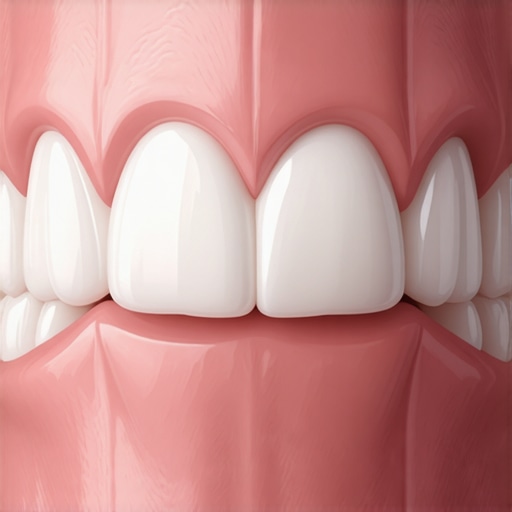
It was a typical Tuesday morning when I caught a glimpse of my reflection and noticed something unsettling—dark discoloration around the edges of my dental crown. My heart sank. I had trusted that crown to restore my smile and confidence, yet here I was, facing an unexpected dilemma that made me question my oral health.
That lightbulb moment made me realize how common this issue is and how easily it can be overlooked or mistaken for something minor. But let me tell you, it’s more significant than it appears at first glance. Darkening gums around a crown can be a sign of underlying problems that, if ignored, could lead to more serious dental issues down the line.
So, today, I want to share what I discovered about why your gums might be turning dark near your dental restorations and, more importantly, how you can address it effectively. If you’ve noticed similar changes and wondered whether it’s just a cosmetic concern or something more, this post is for you. Trust me, understanding your situation can make all the difference in maintaining a healthy, confident smile.
What’s Cause for Concern When Gums Darken Around Crowns?
Is This Normal or a Sign of Trouble?
Initially, I feared it was just staining or pigmentation—something that might fade over time. However, I soon learned that darkening gums aren’t always benign. In some cases, it can indicate tissue recession, inadequate crown fit, or even infection. Early on, I made the mistake of dismissing it as a harmless cosmetic issue, but that delay could have been costly.
Practicing good awareness helped me realize that noticing color changes around dental work warrants a professional evaluation. I discovered that if left untreated, darker gums could result in bone loss or persistent infections, jeopardizing the stability of the crown and overall oral health. For reliable information, consult trusted sources like [the American Dental Association](https://www.mouthhealthy.org/en/az-topics/g/gum-disease). Their insights emphasize the importance of timely attention to gum discoloration.
If you’re facing this problem, don’t wait until it worsens. The good news is, with proper care and professional guidance, you can restore your gum health and preserve your crown’s integrity. Next, let’s look at common reasons behind this discoloration and how to identify whether it’s a minor issue or something that needs urgent intervention.
Inspect and Identify the Root Cause
Begin by examining whether the darkening is isolated or spreading. I remember when I first noticed some pigmentation—using a mirror in good lighting helped me see the extent clearly. If the discoloration extends beyond the gum line or is accompanied by swelling or bleeding, it’s a sign that professional evaluation is necessary.
Schedule a Professional Dental Evaluation
Immediately book an appointment with your dentist through their contact page. During the visit, the dentist will assess the crown and surrounding tissue, checking for infections, tissue recession, or fitting issues. Think of this as bringing your car to a mechanic at the first sign of engine trouble—preventing more significant damage later.
Maintain Optimal Oral Hygiene
Adopt Proper Brushing and Flossing Techniques
Use a soft-bristled toothbrush and gentle strokes around your crown to avoid irritating your gums. Floss carefully beneath and around the crown, ensuring no plaque accumulates that could cause inflammation or discoloration. I once learned this by watching a tutorial, but the key is gentle, consistent care—like polishing a delicate sculpture every day.
Incorporate Antimicrobial Mouthwash
Rinsing with an alcohol-free antimicrobial mouthwash reduces bacterial load, preventing infection and aiding healing. I added this step into my routine after my dentist advised it, and I noticed a decrease in gum inflammation within a week.
Address Staining and Discoloration
If staining from foods or drinks is the culprit, professional cleaning by your dentist can remove surface stains. Additionally, avoid staining agents like coffee, tea, or red wine around your crown area. Think of it like cleaning a white shirt—you need the right stain remover and some patience.
Consider Cosmetic and Restorative Options
For persistent discoloration or cosmetic concerns, discuss with your dentist the possibility of replacing or upgrading your crown with options like crowns that blend seamlessly with your natural teeth. I found that learning about how crowns enhance confidence helped me understand the importance of a tailored solution.
Prevent Future Issues
Maintain regular dental check-ups to catch problems early. Also, practice good oral habits—like avoiding biting on hard objects that can compromise the crown and keeping an eye on any new changes, so you act swiftly when needed. Remember, proactive care saves both your smile and your peace of mind.
By following these steps, you can effectively manage dark gums around your crown, supporting long-term oral health and maintaining your radiant smile. If you want to explore more about how crowns can transform your dental health, visit this detailed guide.
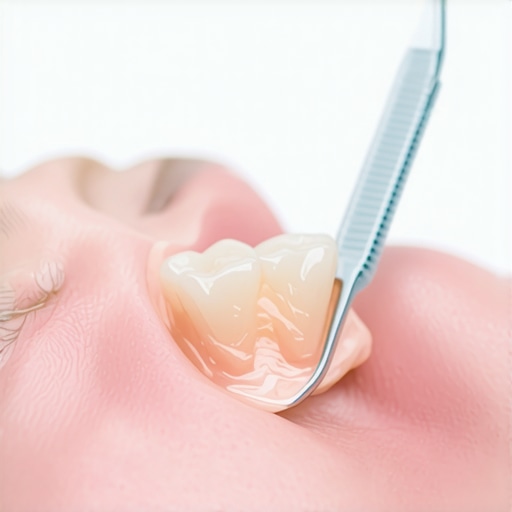
Many dental misconceptions circulate in the realm of family dentistry, often leading patients toward suboptimal choices. A common myth is that all dental restorations, like crowns, are one-size-fits-all solutions. In reality, selecting the wrong type or material of crown can compromise long-term health and aesthetics. For instance, preferring veneers over crowns without understanding their differences can result in unnecessary enamel removal and durability issues. Experts emphasize choosing customized restorations to ensure longevity and natural appearance—see these comparative insights.
Another widespread mistake involves underestimating the nuances of Invisalign technology. Many believe it’s just orthodontic aligners, but recent innovations reveal features like SmartTrack materials and compliance indicators that significantly enhance treatment outcomes. Overlooking these advancements can cause patients to settle for outdated solutions, prolonging treatment and increasing costs. Staying informed about such innovations is crucial; explore the latest in Invisalign holds.
Regarding oral health, a prevailing misconception is that regular brushing alone suffices for healthy gums. However, advanced issues such as hidden bacterial reservoirs under restorations or within periodontal pockets often require specialized cleaning techniques, like deep scaling and root planing. Failure to address these nuances can lead to persistent periodontal disease, threatening both natural teeth and implants. Regular dental check-ups enable detection and management of these subtle problems, as discussed in modern family dentistry insights.
Are All Crowns Created Equal? The Hidden Factors That Matter
It’s tempting to think that all crowns serve the same purpose, but in truth, the material choice and mastery of the dental professional make a difference. Poorly fitted crowns can cause microleakage, leading to recurrent decay and discoloration over time. Moreover, the expertise involved in understanding occlusion—the way your upper and lower teeth align—determines not just function but also comfort. For durable, natural-looking results, consulting specialists with a proven track record is advisable, as highlighted here.
Similarly, with Invisalign, not all aligner systems are equal. Some providers use generic appliances that lack the advanced features of top-tier systems, reducing efficiency and comfort. Recognizing the importance of technological sophistication can prevent long treatment durations or relapses after therapy completion. Research-backed benefits of the latest systems are detailed in this feature-rich overview.
In essence, understanding the nuanced differences in dental materials, technologies, and practitioner expertise can significantly impact your health and satisfaction. Too often, patients fall into traps of superficial fixes or outdated approaches that compromise outcomes. Like in any specialized field, digging beneath the surface uncovers the strategies that truly serve your best interests. Don’t just accept the status quo—question your options and seek evidence-based advice. Have you ever fallen into this trap? Let me know in the comments!

Maintaining dental restorations like crowns and straightening solutions such as Invisalign requires the right tools and a disciplined routine. Personally, I rely on a few specialized items that go beyond basic brushing and flossing, ensuring long-term success and health. One essential is an interdental brush—like the TEPE Interdental Brush—which I find invaluable for cleaning around crowns and in hard-to-reach spaces. Its slender, tapered design allows me to remove plaque efficiently without damaging soft tissues, reducing the risk of darkening or gum recession over time.
Investing in a sonic toothbrush, such as the Sonicare DiamondClean, has been a game-changer. Its oscillating-rotating technology provides superior plaque removal compared to manual brushing, which is crucial in preserving crown margins and preventing issues that may lead to discoloration or decay. I recommend pairing this with a fluoride-rich toothpaste to strengthen enamel and protect against sensitivity, especially after restorations.
Electric flossers, like the Waterpik Water Flosser, are another tool I swear by. They are excellent for dislodging food particles around veneers, crowns, and Invisalign aligners, areas where traditional floss might struggle or cause irritation. Regular use of such devices can prevent biofilm buildup, which often causes staining or gum irritation, extending the longevity of restorative work.
Beyond tools, utilizing software-assisted reminders for routine check-ups can help maintain your smile’s health. I use a calendar app to set periodic appointments, aligning with modern family dentistry practices that emphasize preventative care—see this guide for more about tech-driven oral health strategies.
Looking ahead, the trend in dental maintenance points toward smarter, connected devices that can monitor oral health in real-time. Imagine toothbrushes that track plaque levels or aligner trays with embedded sensors providing feedback—technology that will make keeping up with dental health more precise and less cumbersome. Embracing these innovations now can give you a head start in preserving your investment in oral health and appearance.
How do I maintain my dental restorations over time?
The key is a combination of high-quality tools and consistent habits. Always use soft-bristled brushes and gentle techniques around delicate areas, and supplement brushing with interdental cleaners. Incorporate advanced devices like sonic toothbrushes or water flossers into your routine, and stay proactive with regular dental visits. For those with Invisalign or crowns, this approach helps prevent issues like staining, discoloration, or even micro-leakage that can compromise long-term results. If you’re interested in upgrading your routine, consider trying the Waterpik Water Flosser—it’s a simple step to enhance your oral hygiene and protect your investment in a healthier smile. For comprehensive guidance tailored to your needs, visit this resource.
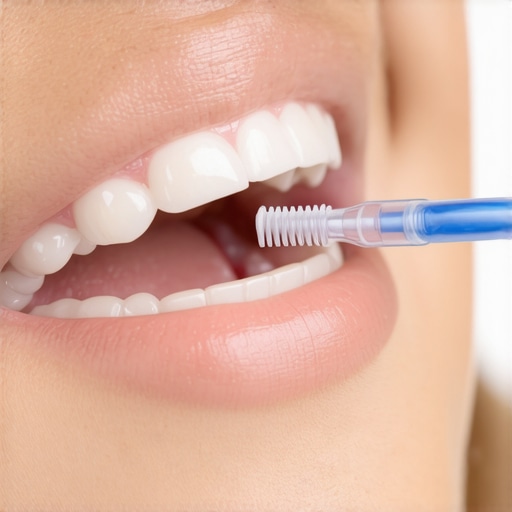
Investing in high-quality tools and integrating modern techniques can dramatically extend the life of dental restorations and Invisalign treatments. Stay ahead by exploring emerging technologies and adopting a routine that emphasizes precision and consistency. Your future self will thank you for making these smart choices today.
The Hardest Lesson I Learned About Invisalign and Crowns That Changed Everything
One of my most eye-opening experiences was realizing that cosmetic improvements aren’t just about appearance—they’re deeply connected to health and long-term stability. I used to focus solely on the aesthetic side of Invisalign and crowns, but I discovered that neglecting underlying issues can lead to costly repairs and discomfort later.
Why Trusting the Wrong Advice Can Cost You More Than Money
Early in my journey, I believed all dental options were equally effective. That misconception led me to choose generic solutions that didn’t fit my specific needs. Learning to seek personalized, expert guidance made me appreciate the importance of choosing the right materials and practitioners—it’s not just about quick fixes but lasting results. For assistance with selecting the best options, I recommend exploring professional advice tailored to your needs.
My Eye-Opener About Preventive Care and Its Impact
Regular check-ups and diligent home care became game-changers once I understood their role in preventing issues like gum discoloration and crown leaks. Adopting smart tools like a sonic toothbrush or an interdental brush significantly reduced my visits for repairs—saving me both money and stress. Embracing these habits proved that proactive care is truly the best investment in your smile’s future.
Curated Resources That Elevated My Confidence
- The Ultimate Guide to Crowns for a Healthier Smile: This comprehensive resource deepened my understanding of material choices and maintenance tips.
- Invisalign Innovations: Staying updated on the latest advancements helped me optimize my treatment plan.
- Family Dentistry Secrets: Insights from expert blogs exposed me to the benefits of modern tech and personalized care.
Believe in Your Power to Transform Your Dental Health
Taking charge of your dental journey is empowering. With the right knowledge, trusted tools, and a proactive mindset, you can maintain a healthy, confident smile for years to come. Remember, each small step adds up to big, lasting results. Why not start today? Your future self will thank you for every confident smile you nurture now.