
Why Your Gums Bleed Only When You Use an Electric Toothbrush
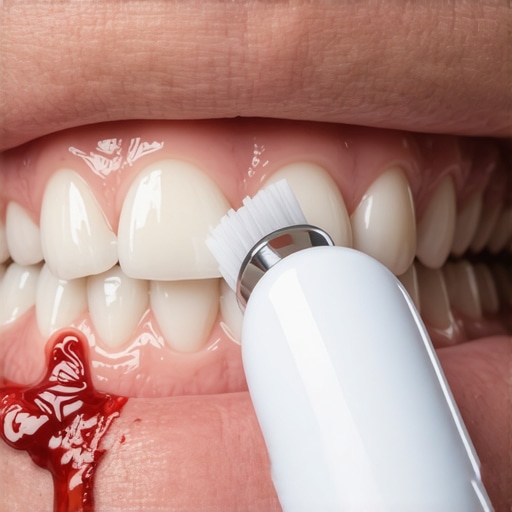
I remember the first time I noticed my gums bleeding while I was brushing with my new electric toothbrush. It was a sharp, unexpected sting that made me pause mid-brush, wondering if I was doing something wrong. After years of regular brushing without any issues, this sudden bleeding felt like a red flag I couldn’t ignore. Little did I realize, this small incident would lead me down a path of discovering underlying dental concerns I didn’t even know existed.
Facing the Unexpected: When Your Electric Toothbrush Triggers Bleeding
Have you ever started using a new toothbrush and noticed your gums bleed only when you switch to an electric one? It’s frustrating, alarming even. The good news is, you’re not alone, and there are understandable reasons behind this phenomenon. Many folks, myself included, initially jump to conclusions—thinking it’s just rough brushing or perhaps a sign of something more serious. But often, it’s a signal from your mouth about underlying issues that need attention. Today, we’ll explore what could be causing your gums to bleed exclusively when you brush with an electric toothbrush and how to address the problem effectively.
Is Your Electric Toothbrush Actually Causing Damage? The Skeptic’s Question
A common concern I had early on was whether my electric toothbrush was simply too harsh or causing harm. In fact, I made the mistake of thinking that a more powerful brush would clean better and that the bleeding was just a temporary side effect. Turns out, that misconception could have led me to neglect more serious dental issues. Studies suggest that hard or improper brushing can indeed irritate gums, but bleeding only with an electric brush often hints at other problems, like gum disease or enamel sensitivity. If you’re wondering whether your tools could be part of the problem, it’s worth checking out insights from trusted dental sources and consulting with your dentist.
Understanding the root cause is essential before jumping to any conclusions. For more comprehensive tips on maintaining healthy gums while using your electric toothbrush, visit our guide on [top oral health tips](https://familydentistpro.com/top-oral-health-tips-for-your-familys-bright-smiles). Next, let’s look at some common reasons why your gums might react this way and how you can start addressing them today.
Adjust Your Brushing Technique for Sensitive Gums
Start by switching to a softer electric toothbrush head that doesn’t apply too much pressure, much like choosing a gentle brush for a delicate painting. I remember the first time I experimented with a soft-bristled head after noticing bleeding—initially, my gums felt more comfortable, and the bleeding subsided within days. Hold the toothbrush at a 45-degree angle to your gums and use gentle, circular motions. Avoid pressing hard, which can traumatize your gum tissue, similar to how pressing too hard on a paintbrush can damage the canvas. If you notice persistent bleeding, revisit your technique by reducing pressure and increasing brushing time with light strokes.
Evaluate Your Oral Hygiene Products and Their Role
Choose toothpaste formulated for sensitive gums, which contains ingredients like potassium nitrate or stannous fluoride, akin to applying a soothing balm before a workout. I once switched to a toothpaste designed for gum health after my gums bled despite careful brushing; this change made a noticeable difference. Additionally, consider using an electric toothbrush with adjustable speed settings. A lower setting reduces vibration intensity, much like lowering the engine throttle on a motorcycle to prevent jerky movements. Testing different products can help identify what products work best for your oral conditions and minimize irritation.
Implement Proper Flossing and Mouth Rinsing Routines
Floss daily using gentle techniques, such as wrapping the floss around your fingers and sliding it carefully between teeth. I once struggled with bleeding during flossing until I learned to relax my grip and avoid snapping the floss—this prevented gum trauma similar to how I gentleened my grip when handling fragile glass. Follow up with an alcohol-free, antibacterial mouthwash to reduce plaque and soothe inflamed tissues, like applying a cooling gel after a workout. Consistent rinsing removes debris and bacteria that can worsen gum inflammation, which might be contributing to bleeding episodes.
Schedule a Professional Dental Evaluation
If bleeding persists beyond a week despite these adjustments, don’t delay visiting your dentist. Think of your oral health as a complex machinery—sometimes, underlying issues like gum disease or micro-cracks need professional repair, just like a mechanic tools into a worn-out engine. During your appointment, ask about periodontal assessment and whether conditions such as gingivitis or early periodontitis might be responsible. To prepare, keep a symptom diary noting when bleeding occurs and any changes you’ve made, facilitating an efficient diagnosis.
Optimize Your Overall Oral Care Routine for Long-Term Health
Regular dental visits, combined with diligent home care, form the foundation of healthy gums. Incorporate daily interdental cleaning and consider using an electric water flosser, which acts like a high-pressure garden hose for your gums—dislodging plaque from hard-to-reach areas. As I adopted a comprehensive routine, my gums showed significant improvement, and bleeding became a rare occurrence. Remember, maintaining consistent oral hygiene habits is akin to tending a garden—regular care yields the best results in preventing issues before they escalate.
While many believe that dental care is straightforward—brushing regularly, visiting the dentist twice a year—there are nuanced misconceptions that can lead to long-term issues. Many assume that all crowns are the same or that Invisalign solutions are only for cosmetic correction, but the reality involves intricacies that only dental experts fully grasp. For example, selecting the right type of crown isn’t just about aesthetics; it’s about understanding materials, precision, and longevity, which are often overlooked. An improperly chosen crown can lead to discomfort or even the need for retreatment, emphasizing the importance of consulting specialist resources like [this comprehensive guide](https://familydentistpro.com/the-ultimate-guide-to-crowns-for-a-healthier-smile).
A common myth about Invisalign is that it’s only suitable for minor crowding or esthetic adjustments. However, advanced cases requiring complex movements can be effectively managed with Invisalign when planned correctly—something that general perceptions tend to underestimate. Moreover, many believe that Invisalign trays are just plastic aligners to wear, neglecting the importance of attachment points—small but critical features that ensure proper tooth movement. Understanding these hidden nuances can dramatically improve results, as supported by studies highlighting the importance of attachment placement in treatment success.
In family dentistry, there’s a misconception that the dentist’s role is limited to fixing teeth when problems arise. In reality, proactive preventive measures—such as personalized oral health routines and early intervention—are key to avoiding more extensive procedures later. Regular check-ups, personalized hygiene instructions, and understanding individual patient risk factors are vital components many overlook. For instance, younger patients may have misconceptions about the importance of early orthodontic assessments, which can be addressed by educating families about recent trends in [improving oral health for all ages](https://familydentistpro.com/family-dentistry-trends-improving-oral-health-for-all-ages).
The ‘oops’ many fall into is assuming that dental restorations or orthodontic treatments are one-size-fits-all and neglecting the importance of tailored approaches. An ill-fitted crown or an improperly applied Invisalign attachment can cause discomfort, inefficiency, or damage, setting off a cycle of repairs. For example, neglecting to evaluate occlusion properly can lead to bite issues post-treatment. Experts warn that such nuances are often missed without thorough assessment. A pertinent study published in the Journal of Prosthodontics emphasizes that custom-fit restorations are critical for durability and patient comfort.
Finally, a sophisticated question often asked by practice owners or keen patients is: “How do subtle differences in material choice and technique influence the long-term success of crowns and Invisalign treatments?” The answer involves understanding the biomechanical properties of materials, the precision of placement, and the importance of ongoing maintenance. Visiting educational resources like [this detailed article on crowns](https://familydentistpro.com/why-crowns-are-a-game-changer-in-restorative-dentistry) can shed light on these subtle yet significant factors.
Recognizing these common misconceptions and nuances in family dentistry and orthodontics can significantly impact your oral health journey. Are you aware of other hidden details that could be affecting your dental care? Share your thoughts or experiences in the comments!Maintaining your dental restorations, orthodontic treatments, and overall oral health requires the right tools and consistent upkeep. In my practice and personal routine, I prioritize equipment and methods that ensure longevity and optimal performance. For example, I swear by the Waterpik Water Flosser because it effectively disrupts plaque buildup in hard-to-reach areas, especially around crowns and braces, reducing the risk of decay and inflammation. Its pulsating stream mimics professional cleanings and is gentle enough for daily use, which is essential for maintaining crown margins and implant sites. Additionally, I recommend using a sonic toothbrush like the Philips Sonicare DiamondClean because its high-frequency vibrations deliver superior plaque removal without excessive force, protecting sensitive restorations over time. Regularly replacing brush heads every three months ensures maximal efficacy, preventing bacteria accumulation that can compromise long-term results.
On the software side, digital patient records and appointment reminders through platforms like Dentrix have streamlined my practice’s workflow, ensuring timely maintenance checks and patient follow-ups. These systems help track treatment timelines—such as crown longevity or Invisalign plan progress—and remind patients of routine visits before issues escalate.
Personally, I integrate ultrasonic cleaning devices for in-office maintenance of tools and sometimes at home to keep my dental devices free of biofilm. This approach echoes professional recommendations from experts like Dr. Gordon Christensen, who emphasizes meticulous hygiene of dental appliances to prevent microbial colonization that can lead to secondary caries or periodontal problems.
Looking ahead, I predict that as technology advances, tools combining IoT connectivity with real-time monitoring—such as smart toothbrushes with app integrations—will become standard, providing continuous feedback on brushing technique and wear patterns on restorations. This personalization will empower patients and practitioners to adjust care routines proactively.
So, how do I maintain these tools effectively? Regularly inspect your equipment for signs of wear or malfunction, clean and disinfect according to manufacturers’ instructions, and schedule professional maintenance when necessary. For instance, scheduling quarterly professional cleanings and equipment checks helps prevent minor issues from turning serious. Remember, a well-maintained tool minimizes the risk of damage to your crowns, implants, or aligners and ensures that your oral health journey stays on track.
If you want to optimize your maintenance routine further, try integrating a high-quality ultrasonic cleaner into your regimen—it’s a game-changer in preventing bacterial buildup on dental appliances and tools. For more detailed insights, consult our comprehensive guide on choosing the right crown [here](https://familydentistpro.com/choosing-the-right-crown-expert-advice-for-long-lasting-results). Need personalized advice or assistance? Feel free to reach out via our contact page to discuss the best maintenance practices for your specific needs.
Lessons That Transformed My Approach to Family Dentistry
One of the toughest lessons I learned was that not all dental issues are immediately visible or obvious. Sometimes, a simple symptom like bleeding gums can hide deeper problems like micro-cracks or early-stage periodontal disease. Recognizing the subtle signs prevented my condition from worsening and taught me the importance of listening to my body. Additionally, I discovered that trusting a one-size-fits-all solution isn’t effective; each patient, or in my case, each family member, requires personalized care tailored to their unique needs. Finally, I realized that ongoing education about oral health innovations, such as the latest in crowns or Invisalign technology, keeps both practitioners and patients ahead of problems and empowers us to maintain vibrant, healthy smiles for life.