
Why your jaw hurts more during stressful weeks

I remember a particularly brutal Tuesday last November. The deadlines were piling up like a game of Tetris gone wrong, the kids were coming down with the flu, and I was surviving on lukewarm coffee. I sat down to finally eat a piece of toast, and bam—a sharp, throbbing zing shot right through my jaw. I actually dropped my sandwich. At first, I panicked and thought I had a massive cavity or a failing filling, but the truth was much simpler and, frankly, a bit more annoying. I was literally clenching my teeth so hard that my facial muscles were screaming for mercy. It was a classic case of stress-induced jaw tension, a problem I see so many of my neighbors struggling with lately. Today, I want to help you figure out exactly what that dull ache in your jaw really means during stressful weeks and how to stop the cycle before you end up needing major restorative work.
Your Jaw is the Pressure Valve for Your Life
We tend to think of stress as something that stays in our heads, but our bodies are much more literal. When you are worried about a presentation or a family crisis, your brain sends signals to your muscles to prepare for a fight. Since you probably aren’t actually fighting a saber-toothed tiger, that energy has to go somewhere. For many of us, it goes straight to the masseter muscle—the strongest muscle in your body relative to its size. I made the huge mistake early on of assuming I just needed better toothpaste, but I was ignoring the fact that I was grinding my molars into dust while I slept. If you have ever felt like your teeth are ‘too tall’ in the morning, you are likely part of the 10% of adults who suffer from sleep bruxism. In fact, according to the American Dental Association, bruxism can exert up to 250 pounds of force on your teeth, which is more than enough to cause long-term damage to your enamel and jaw joints. This is why it is so important to learn the move to stop your teeth from grinding during a stressful day before the pain becomes a permanent fixture of your morning routine.
Is this actually a dental problem or just in my head?
It is easy to dismiss jaw pain as ‘just stress,’ but the physical toll is very real. You might start wondering if how to tell if that dull ache is a cavity or sinus pressure is the real mystery, but if the pain is localized right at the hinge of your jaw, it’s a structural issue caused by tension. Have you ever woken up with a headache that feels like a tight band around your forehead? If so, tell me—have you noticed your jaw clicking more when life gets hectic? I want to know if you’re feeling this right now, because catching it early is the difference between a simple night guard and needing a family dental care plan that involves complex repairs. We are going to dive into the specific ways you can retrain your mouth to relax, even when your schedule is anything but peaceful.
Keep Your Lips Together and Your Teeth Apart
The most effective tool I have ever used to fight jaw pain isn’t a fancy gadget or an expensive prescription; it is a simple mental mantra: lips together, teeth apart. Your teeth should only actually touch when you are chewing or swallowing. Every other second of the day, there should be a tiny, relaxed gap between your upper and lower arches. Last year, when I was particularly overwhelmed, I started putting small red sticker dots on my laptop and my car’s dashboard. Every time my eyes hit a dot, I did a ‘jaw check.’ I was shocked to find I was clenching like a vice while doing something as mundane as reading an email. This awareness is the first step toward maintaining oral health with modern techniques that focus on behavior as much as biology. By keeping that space between your teeth, you give your masseter muscles a chance to power down.
Stop Fighting Your Pillow Every Night
If you wake up with a dull ache or a morning headache, your subconscious is likely taking out your daily frustrations on your molars while you sleep. You need a physical barrier. A custom-fit night guard acts like a shock absorber for your jaw joints, preventing the teeth from interlocking and grinding. I used to think the generic ‘boil and bite’ versions from the drugstore were good enough until I realized they were so bulky they actually triggered my chewing reflex, making the pain worse. A professional guard is slim and keeps your jaw in a neutral position. Once you get one, you have to keep it pristine to avoid bacterial buildup, so learning the easiest way to clean a night guard that has turned yellow or cloudy is essential for keeping your breath fresh and your gums healthy.

Repair the Damage Before It Spirals
Sometimes, the clenching has already done its dirty work before you even realize there is a problem. I had a neighbor come to me recently who had ground down her back molars so severely that her bite felt ‘off,’ which caused even more muscle tension as her jaw struggled to find a comfortable resting place. We used high-quality ceramic crowns to restore the height of her teeth and take the pressure off her joints. If you find yourself in this situation, you might notice that how to stop your new crown from feeling too high when you chew is a common concern during the initial adjustment period. These restorations are more than just cosmetic fixes; why crowns are a game changer in restorative dentistry is because they stabilize the entire structure of your mouth, allowing your muscles to finally relax.
Align Your Smile to Lower the Tension
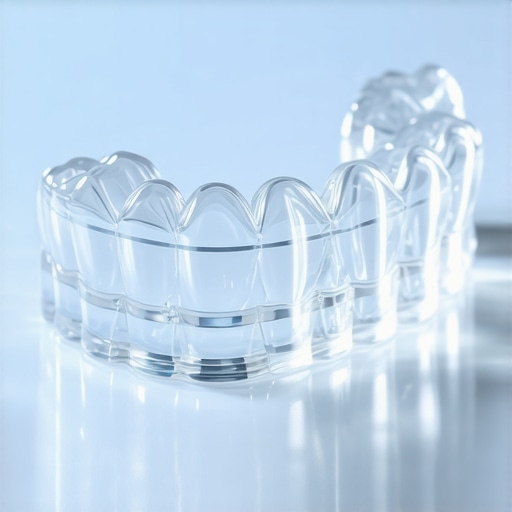
If your teeth are crowded or crooked, your jaw has to work overtime to find a stable position. This constant ‘searching’ by your muscles leads to chronic fatigue and that deep, localized ache. This is where modern alignment solutions become a health necessity rather than just a vanity project. Exploring the hidden benefits of Invisalign for family dental care reveals that straighter teeth often lead to a much more relaxed jaw joint. When your bite is perfectly aligned, the muscles don’t have to fight to keep things in place. Interestingly, the clear aligner trays can also act as a temporary daytime guard, providing a smooth surface that discourages clenching while you are focusing at work or dealing with a hectic schedule.
A Crown Won’t Protect You From Lazy Flossing
One of the biggest misconceptions I encounter in my chair is the belief that a dental crown is a suit of armor. People think that because the porcelain can’t decay, the tooth is safe forever. In reality, the most vulnerable part of your restoration is the ‘margin’—the tiny line where the crown meets your natural gum line. If you allow plaque to build up there, bacteria will migrate under the crown, leading to decay that is incredibly difficult to detect until it is too late. This is often the reason your crown smells bad when you floss around it, and it is a major red flag that the seal has been compromised. According to a study published in the Journal of Oral Rehabilitation, the primary cause of crown failure isn’t the material breaking, but rather recurrent caries at the margin due to poor hygiene. You have to clean a crowned tooth even more diligently than a natural one to ensure you are truly maintaining oral health with modern techniques.
Why do my aligners feel tighter on some days than others?
If you are using clear aligners, you might notice a strange phenomenon: some days the trays slide right on, and other days they feel like a vise grip. Many patients panic and think their teeth are shifting backward, but why your invisalign trays feel tighter on some days than others often comes down to micro-inflammation or even your hydration levels. A common ‘oops’ factor I see is patients trying to force a tray that isn’t seating correctly. If you force it, you risk ‘tracking’ issues where the tooth stops moving with the plastic entirely. This is one of the many invisalign myths debunked—it isn’t just about wearing the trays; it is about the precision of the fit. Have you ever fallen into the trap of thinking a tighter tray always means better progress? Let me know in the comments.
Don’t Ignore the ‘High’ Spot on Your New Restoration
When you get a new crown or filling, your brain is hyper-aware of the change. However, there is a specific trap to avoid: thinking you will just ‘get used to’ a bite that feels slightly off. If a restoration is even a fraction of a millimeter too tall, every time you swallow (which you do about 2,000 times a day), you are hammering that tooth into the socket. This leads to ligament inflammation and can eventually cause the tooth to die or the crown to fracture. Knowing how to stop your new crown from feeling too high when you chew starts with an immediate follow-up appointment for a bite adjustment. It is a five-minute fix that prevents months of phantom pain. We often discuss why crowns are a game changer in restorative dentistry, but they only work if the engineering of your bite is perfectly balanced. Straighter teeth and balanced bites are the true foundations of long-term comfort.
Stop fighting with traditional string floss
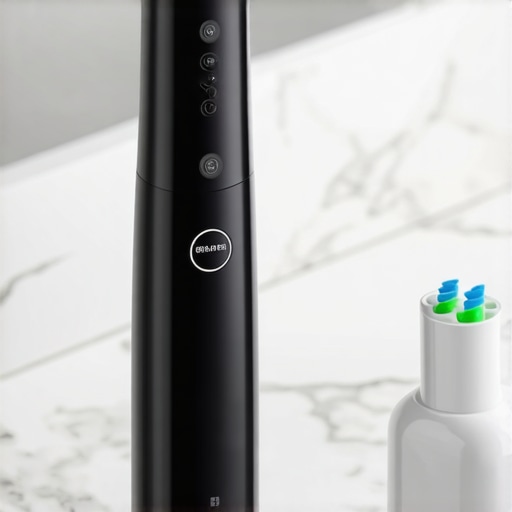
I’ll be honest with you: even as someone obsessed with dental health, I used to dread flossing my back molars where I have a couple of crowns. The contact points are so tight that the string frequently shreds, leaving me frustrated. That changed when I invested in a high-quality cordless water flosser. It’s a game-changer for anyone maintaining oral health with modern techniques because it uses pulsating water to clear the gingival sulcus—the tiny pocket between your gum and your tooth. If you have crowns or a bridge, this is non-negotiable. It’s the only way to ensure you aren’t dealing with the reason your crown smells bad when you floss around it, which is usually a sign of trapped bacteria that a standard string just can’t reach. If your teeth are overlapping, you need the best strategy for flossing when your teeth are tightly crowded to prevent decay from sneaking up on you.
How do I maintain my dental work over the next decade?
The secret to longevity isn’t just what happens in the dentist’s office; it’s the professional-grade maintenance you do at home. I personally use an ultrasonic cleaner for my night guard and aligners every single morning. According to clinical studies by Dr. Gordon Christensen’s Clinicians Report, patients who use a water flosser for their bridges and crowns show a significant reduction in gum inflammation compared to those using traditional floss alone. This vibration method is particularly effective for how to clean the gunk out of your invisalign aligners without scratching the material. If you are serious about choosing the right crown expert advice for long-lasting results, you must treat your restorations like high-precision instruments. This means avoiding abrasive toothpastes that dull porcelain and mastering how to keep your aligners clear while drinking tea by using the right cleaners.
Why your smartphone will soon be your primary dental hygienist
Looking ahead, the most exciting shift I see in family dentistry trends improving oral health for all ages is the rise of AI-driven remote monitoring. We are already seeing companies develop apps that allow you to take high-resolution photos of your teeth, which software then analyzes for tracking errors. This is the heart of invisalign innovations the future of family dentistry revealed at 1137 am. Instead of waiting months to find a problem, your phone will alert you the moment your trays aren’t seating correctly. It is moving us from a reactive model of care to a proactive one. My advice? Start today by picking up a water flosser and an ultrasonic cleaner; your future self will thank you for the thousands of dollars saved in repairs. Go ahead and look up a well-reviewed ultrasonic pod online right now—it is the single best investment you can make for your restorative dental work this year.
3 Realities About Stress and Your Smile That I Learned the Hard Way
I used to think I could out-brush a bad clenching habit, but your teeth simply aren’t designed to be under 24/7 pressure. First, the ‘wait and see’ approach usually leads to a cracked molar rather than a miracle recovery. Second, your jaw muscles have a ‘memory’; if you clench all day, they won’t magically relax just because you hit the pillow. Finally, even the most expensive crowns are at risk if you don’t address the underlying tension. Protecting your investment means acknowledging that maintaining oral health with modern techniques requires a focus on the mind-body connection and proactive muscle relaxation.
The 4 Non-Negotiables for My Restorative Care
To keep my smile stable, I rely on a few specific tools that go beyond the basic toothbrush. An ultrasonic cleaner is my top pick for how to clean the gunk out of your invisalign aligners without causing micro-scratches that trap bacteria. I also swear by a cordless water flosser to reach the margins of my dental work where traditional string might shred. For those investigating the hidden benefits of Invisalign for family dental care, adding a high-quality pH-balanced mouthwash helps prevent the dry mouth that often leads to enamel erosion. Lastly, a simple guided breathing app can do more for your jaw tension than a decade of ibuprofen.
Take Back Control of Your Daily Comfort
You don’t have to accept a tight jaw or morning headaches as your new normal. By implementing these small changes—from the ‘lips together, teeth apart’ rule to investing in professional-grade hygiene tools—you are setting the stage for a lifetime of pain-free smiles. Your journey into the world of modern family dentistry is about more than just fixing holes; it is about building a foundation of wellness that stands up to the pressures of life. #IMAGE_PLACEHOLDER_E# Have you ever noticed your jaw tightening during a specific task like driving or checking your inbox? Let me know your ‘clench trigger’ in the comments below!