
Why your mouth feels dry right after using mouthwash
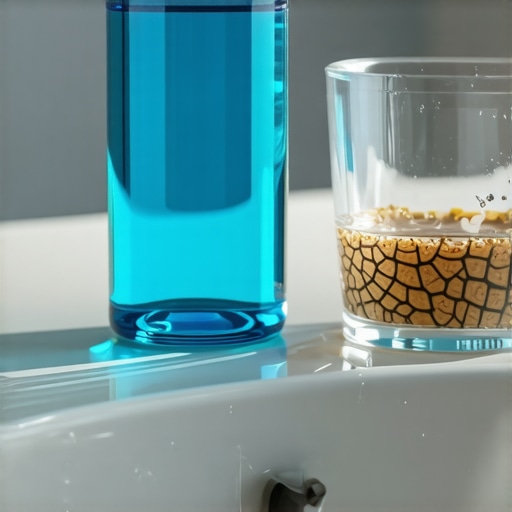
I remember standing in front of my bathroom mirror, eyes watering from the intense “cool mint” sting of a popular mouthwash, thinking I was doing my gums a huge favor. I’d spit it out, chest puffed with pride, only to find that five minutes later, my mouth felt like it was filled with cotton balls. It was a frustrating cycle—trying to be proactive about my oral health but ending up with a tongue that felt like sandpaper. If you’ve ever wondered why that “fresh” feeling disappears so fast, leaving you parched, you aren’t alone. Today, I’m going to share exactly why this happens and how I finally stopped sabotaging my own saliva production while still keeping my breath under control.
That Clean Feeling Should Not Feel This Parched
For the longest time, I was convinced that if a mouthwash didn’t make me wince, it wasn’t killing the “bad guys.” I made the classic mistake of reaching for the highest alcohol content I could find, thinking it was the gold standard for maintaining top oral health tips for your family’s bright smiles. In reality, I was basically stripping my mouth of its natural defenses. It turns out that many traditional rinses contain high percentages of ethanol. According to research cited by the American Dental Association, alcohol is a known desiccant, which is just a fancy way of saying it sucks the moisture right out of your oral tissues. This is often the primary culprit behind the truth about alcohol-based mouthwashes and chronic dry mouth. When you dry out your oral cavity, you’re actually inviting the very bacteria that cause bad breath to move back in and set up shop.
Is it actually possible for mouthwash to make your breath worse?
It sounds completely counterintuitive, doesn’t it? You use a product to freshen up, but it ends up making your mouth feel dry even when you drink plenty of water. The skepticism is real—I spent months thinking I just had “naturally dry” breath. But once I realized that my choice of rinse was the problem, everything changed. If you don’t address this, you might even find that your child’s breath smells even after they brush because they are following your lead with the wrong products. Have you ever felt like your mouth was drier after rinsing than before you even started? I’d love to hear if you’ve noticed a specific brand that leaves you feeling like you’ve been wandering the Sahara. Setting the stage for a better routine involves looking past the marketing and understanding the chemistry happening on your tongue.
Flip the bottle and look for the hidden irritants
The very first thing I did to reclaim my moisture was a complete pantry purge. If you see ethanol or high percentages of alcohol at the top of the list, that bottle is effectively a desert in a plastic container. You want to look for mouthwashes that use essential oils or cetylpyridinium chloride (CPC) if you need that antibacterial punch without the dehydration. This simple swap is the foundation of the truth about alcohol-based mouthwashes and chronic dry mouth. I remember one specific Tuesday morning when I finally swapped my ‘industrial strength’ blue rinse for a gentle, xylitol-based version. I expected my breath to be terrible by noon, but the opposite happened—because my mouth wasn’t bone-dry, my natural saliva kept things fresh all day.
Stop rinsing the second you finish brushing
This was the hardest habit for me to break. We’ve been conditioned to brush, rinse, and go. However, toothpaste contains concentrated fluoride that needs time to sit on your enamel to actually work. When you follow up immediately with a mouthwash—even a good one—you’re washing away that protective barrier. I started waiting at least 30 minutes between brushing and rinsing. This is one of the most overlooked top oral health tips for your family’s bright smiles. If you rinse too soon, you aren’t just drying out your tissues; you’re weakening your teeth’s defense against cavities.
Reach for the salt shaker when your gums feel inflamed
Before you go out and buy a dozen ‘soothing’ rinses, look in your kitchen. I’ve found that nothing beats a simple saline solution for immediate comfort. Use about half a teaspoon of salt in a cup of warm water. 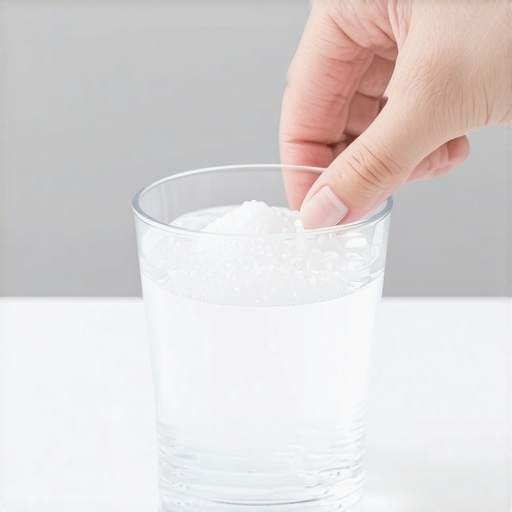 It doesn’t just kill bacteria through osmosis; it balances the pH levels in your mouth. This is the ultimate saltwater rinse hack for immediate gum relief that I use whenever I feel a canker sore or a bit of sensitivity creeping in.
Protect your expensive dental work from a desert environment
If you have hardware in your mouth, dry mouth isn’t just uncomfortable—it’s a risk to your investment. I noticed that when my mouth was dry, my tongue would catch on the edges of my dental work more often. If you have a restoration that feels off, it might be due to tissue irritation caused by dryness. For instance, if you’ve ever wondered why your new crown tastes like burnt sugar, it’s often because bacteria are congregating in the absence of saliva. The same goes for aligners; a dry mouth makes them feel sticky and gross. Learning how to keep your invisalign trays clear without buying expensive cleaners is much easier when your natural oral environment is hydrated and healthy. Focus on keeping the pH balanced, and you’ll find that your breath, your comfort, and your dental work all last significantly longer.
Natural teeth aren’t actually pure white
Most people walk into a dental office demanding a Hollywood-bleached smile, but as a seasoned observer of dental trends, I’ve seen this backfire frequently. If you over-whiten, you risk losing the natural translucency of your enamel, which is actually the reason your teeth look gray instead of white in certain lighting—it’s called the ‘translucency effect.’ True expertise in family dentistry trends improving oral health for all ages means understanding that a healthy, youthful look often involves slightly warmer shades near the gum line.
Why do some Invisalign users develop black triangles suddenly?
This is an advanced concern I often hear about from people midway through their treatment. It isn’t a failure of the technology, but rather a biological result of moving teeth that were previously crowded. When teeth overlap for years, the papilla (the little triangle of gum tissue) doesn’t have room to grow. Once the teeth straighten, a small gap appears. Understanding how to fix the black triangle gaps that appear after braces or clear aligners involves advanced techniques like IPR (interproximal reduction) or bonding. A study in the Journal of Clinical Orthodontics highlights that adult orthodontic patients are significantly more prone to these ‘gingival embrasures,’ which is why it’s vital to look past the marketing and address invisalign myths debunked what you need to know today.
Don’t ignore that tiny ‘thud’ when you bite down
One of the biggest mistakes patients make with new restorations is ‘toughing it out’ for a few weeks. If you feel like your bite is off by even a hair, you are dealing with a ‘high spot’ that can throw off your entire temporomandibular joint. This is a common nuance when choosing the right crown expert advice for long-lasting results. For instance, why your new zirconia crown feels taller than your other teeth is usually due to the material’s extreme density—it doesn’t have the slight ‘give’ of natural tooth structure. 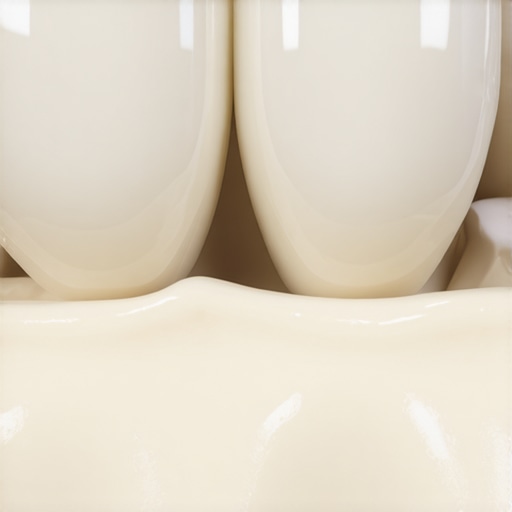 If left unadjusted, this tiny discrepancy can lead to tooth mobility or even a fractured root.
Is your cleaning routine actually staining your aligners?
Here is the ‘oops’ factor most people miss: the microscopic porosity of the aligner material. Many people assume they can use their regular toothpaste to scrub their trays, but the abrasives in common pastes create tiny scratches. These micro-scratches are exactly why your invisalign trays are turning yellow even with regular cleaning—they become a magnet for coffee pigments and bacteria. Instead of more force, you need better chemistry. When you’re managing complex top oral health tips for your family’s bright smiles, you realize that the most expensive cleaners aren’t always better than simple, gentle solutions like a specialized soak. Furthermore, mastering family dentistry secrets maintaining oral health with modern techniques involves recognizing that what works for natural enamel can be destructive for dental porcelain or medical-grade plastics. Have you ever fallen into the trap of over-cleaning and accidentally ruining your dental work? Let me know in the comments below!I’ve spent years experimenting with every gadget on the market, and I’ve learned that the ‘gadget’ is only as good as the technique behind it. If you’ve ever felt like your gums were a bit tender after a deep clean, you know that transition period is vital for long-term stability. Using a water flosser transformed my gum health, but most people give up because they end up soaking their bathroom mirror and their shirt. Here is the trick to using a water flosser without making a total mess: keep your head low, lips slightly parted, and let the water flow out naturally into the sink instead of trying to swallow it. This tool is a lifesaver if you have crowns or bridges where traditional floss struggles to reach. However, don’t be surprised if your gums throb after you use a water flosser for the first time; it’s usually just the increased blood flow to tissues that haven’t been properly stimulated in a while.
How do I keep my crowns and aligners pristine for the next decade?
Long-term maintenance isn’t about scrubbing harder; it’s about mechanical precision and chemical balance. For my natural teeth and crowns alike, I swear by a sonic toothbrush with a built-in pressure sensor. It’s too easy to cause recession by being over-eager, so I always revisit the truth about soft vs hard toothbrushes for xreceding gums to ensure I’m not doing more harm than good to my enamel. When it comes to the technical side of restorative work, research in the International Journal of Prosthodontics notes that the ‘marginal fit’ of a crown—the tiny junction where the porcelain meets the natural tooth—is the most common failure point for secondary decay. To protect this area, I use a high-fluoride rinse specifically at night, after all cleaning is done. This is one of those family dentistry secrets maintaining oral health with modern techniques that prevents bacteria from sneaking under your expensive work. 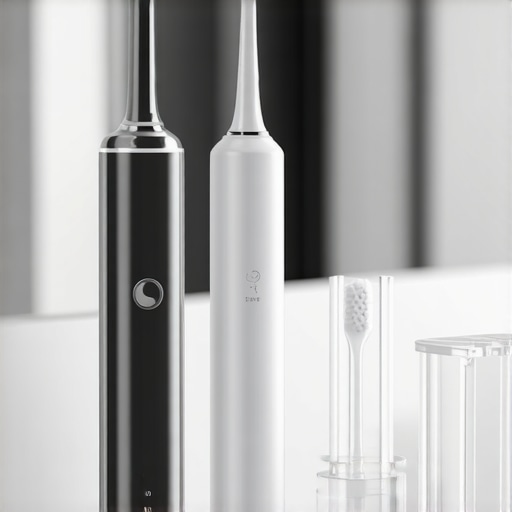
The future of your smile is digital and personalized
I predict that within the next five years, we won’t just be visiting the dentist for ‘checkups’—we’ll be using smartphone-attached intraoral cameras to send weekly scans to our providers for AI analysis. This shift is already beginning with invisalign innovations the future of family dentistry revealed at 1137 am, where machine learning helps track tooth movement in real-time through patient apps. This level of precision is why the ultimate guide to crowns for a healthier smile now emphasizes digital planning over traditional goopy impressions. If your aligners feel like they aren’t quite gripping or seating correctly, I highly recommend you learn how to seat stubborn invisalign trays using the munchie technique. It’s a game-changer for ensuring your treatment stays on track and your roots move safely. My challenge to you: tonight, instead of just rushing through your brush, spend an extra two minutes specifically focusing on the gumline of your restorations with a water flosser—it’s the single best way to ensure you aren’t back in the chair for a replacement in five years.I remember standing in front of my bathroom mirror, eyes watering from the intense “cool mint” sting of a popular mouthwash, thinking I was doing my gums a huge favor. I’d spit it out, chest puffed with pride, only to find that five minutes later, my mouth felt like it was filled with cotton balls. It was a frustrating cycle—trying to be proactive about my oral health but ending up with a tongue that felt like sandpaper. If you’ve ever wondered why that “fresh” feeling disappears so fast, leaving you parched, you aren’t alone. Today, I’m going to share exactly why this happens and how I finally stopped sabotaging my own saliva production while still keeping my breath under control.
That Clean Feeling Should Not Feel This Parched
For the longest time, I was convinced that if a mouthwash didn’t make me wince, it wasn’t killing the “bad guys.” I made the classic mistake of reaching for the highest alcohol content I could find, thinking it was the gold standard for maintaining top oral health tips for your family’s bright smiles. In reality, I was basically stripping my mouth of its natural defenses. It turns out that many traditional rinses contain high percentages of ethanol. According to research cited by the American Dental Association, alcohol is a known desiccant, which is just a fancy way of saying it sucks the moisture right out of your oral tissues. This is often the primary culprit behind the truth about alcohol-based mouthwashes and chronic dry mouth. When you dry out your oral cavity, you’re actually inviting the very bacteria that cause bad breath to move back in and set up shop.
Is it actually possible for mouthwash to make your breath worse?
It sounds completely counterintuitive, doesn’t it? You use a product to freshen up, but it ends up making your mouth feel dry even when you drink plenty of water. The skepticism is real—I spent months thinking I just had “naturally dry” breath. But once I realized that my choice of rinse was the problem, everything changed. If you don’t address this, you might even find that your child’s breath smells even after they brush because they are following your lead with the wrong products. Have you ever felt like your mouth was drier after rinsing than before you even started? I’d love to hear if you’ve noticed a specific brand that leaves you feeling like you’ve been wandering the Sahara. Setting the stage for a better routine involves looking past the marketing and understanding the chemistry happening on your tongue.
Flip the bottle and look for the hidden irritants
The very first thing I did to reclaim my moisture was a complete pantry purge. If you see ethanol or high percentages of alcohol at the top of the list, that bottle is effectively a desert in a plastic container. You want to look for mouthwashes that use essential oils or cetylpyridinium chloride (CPC) if you need that antibacterial punch without the dehydration. This simple swap is the foundation of the truth about alcohol-based mouthwashes and chronic dry mouth. I remember one specific Tuesday morning when I finally swapped my ‘industrial strength’ blue rinse for a gentle, xylitol-based version. I expected my breath to be terrible by noon, but the opposite happened—because my mouth wasn’t bone-dry, my natural saliva kept things fresh all day.
Stop rinsing the second you finish brushing
This was the hardest habit for me to break. We’ve been conditioned to brush, rinse, and go. However, toothpaste contains concentrated fluoride that needs time to sit on your enamel to actually work. When you follow up immediately with a mouthwash—even a good one—you’re washing away that protective barrier. I started waiting at least 30 minutes between brushing and rinsing. This is one of the most overlooked top oral health tips for your family’s bright smiles. If you rinse too soon, you aren’t just drying out your tissues; you’re weakening your teeth’s defense against cavities.
Reach for the salt shaker when your gums feel inflamed
Before you go out and buy a dozen ‘soothing’ rinses, look in your kitchen. I’ve found that nothing beats a simple saline solution for immediate comfort. Use about half a teaspoon of salt in a cup of warm water. It doesn’t just kill bacteria through osmosis; it balances the pH levels in your mouth. This is the ultimate saltwater rinse hack for immediate gum relief that I use whenever I feel a canker sore or a bit of sensitivity creeping in.
Protect your expensive dental work from a desert environment
If you have hardware in your mouth, dry mouth isn’t just uncomfortable—it’s a risk to your investment. I noticed that when my mouth was dry, my tongue would catch on the edges of my dental work more often. If you have a restoration that feels off, it might be due to tissue irritation caused by dryness. For instance, if you’ve ever wondered why your new crown tastes like burnt sugar, it’s often because bacteria are congregating in the absence of saliva. The same goes for aligners; a dry mouth makes them feel sticky and gross. Learning how to keep your invisalign trays clear without buying expensive cleaners is much easier when your natural oral environment is hydrated and healthy. Focus on keeping the pH balanced, and you’ll find that your breath, your comfort, and your dental work all last significantly longer.
Natural teeth aren’t actually pure white
Most people walk into a dental office demanding a Hollywood-bleached smile, but as a seasoned observer of dental trends, I’ve seen this backfire frequently. If you over-whiten, you risk losing the natural translucency of your enamel, which is actually the reason your teeth look gray instead of white in certain lighting—it’s called the ‘translucency effect.’ True expertise in family dentistry trends improving oral health for all ages means understanding that a healthy, youthful look often involves slightly warmer shades near the gum line.
Why do some Invisalign users develop black triangles suddenly?
This is an advanced concern I often hear about from people midway through their treatment. It isn’t a failure of the technology, but rather a biological result of moving teeth that were previously crowded. When teeth overlap for years, the papilla (the little triangle of gum tissue) doesn’t have room to grow. Once the teeth straighten, a small gap appears. Understanding how to fix the black triangle gaps that appear after braces or clear aligners involves advanced techniques like IPR (interproximal reduction) or bonding. A study in the Journal of Clinical Orthodontics highlights that adult orthodontic patients are significantly more prone to these ‘gingival embrasures,’ which is why it’s vital to look past the marketing and address invisalign myths debunked what you need to know today.
Don’t ignore that tiny ‘thud’ when you bite down
One of the biggest mistakes patients make with new restorations is ‘toughing it out’ for a few weeks. If you feel like your bite is off by even a hair, you are dealing with a ‘high spot’ that can throw off your entire temporomandibular joint. This is a common nuance when choosing the right crown expert advice for long-lasting results. For instance, why your new zirconia crown feels taller than your other teeth is usually due to the material’s extreme density—it doesn’t have the slight ‘give’ of natural tooth structure. If left unadjusted, this tiny discrepancy can lead to tooth mobility or even a fractured root.
Is your cleaning routine actually staining your aligners?
Here is the ‘oops’ factor most people miss: the microscopic porosity of the aligner material. Many people assume they can use their regular toothpaste to scrub their trays, but the abrasives in common pastes create tiny scratches. These micro-scratches are exactly why your invisalign trays are turning yellow even with regular cleaning—they become a magnet for coffee pigments and bacteria. Instead of more force, you need better chemistry. When you’re managing complex top oral health tips for your family’s bright smiles, you realize that the most expensive cleaners aren’t always better than simple, gentle solutions like a specialized soak. Furthermore, mastering family dentistry secrets maintaining oral health with modern techniques involves recognizing that what works for natural enamel can be destructive for dental porcelain or medical-grade plastics. Have you ever fallen into the trap of over-cleaning and accidentally ruining your dental work? Let me know in the comments below!I’ve spent years experimenting with every gadget on the market, and I’ve learned that the ‘gadget’ is only as good as the technique behind it. If you’ve ever felt like your gums were a bit tender after a deep clean, you know that transition period is vital for long-term stability. Using a water flosser transformed my gum health, but most people give up because they end up soaking their bathroom mirror and their shirt. Here is the trick to using a water flosser without making a total mess: keep your head low, lips slightly parted, and let the water flow out naturally into the sink instead of trying to swallow it. This tool is a lifesaver if you have crowns or bridges where traditional floss struggles to reach. However, don’t be surprised if your gums throb after you use a water flosser for the first time; it’s usually just the increased blood flow to tissues that haven’t been properly stimulated in a while.
How do I keep my crowns and aligners pristine for the next decade?
Long-term maintenance isn’t about scrubbing harder; it’s about mechanical precision and chemical balance. For my natural teeth and crowns alike, I swear by a sonic toothbrush with a built-in pressure sensor. It’s too easy to cause recession by being over-eager, so I always revisit the truth about soft vs hard toothbrushes for receding gums to ensure I’m not doing more harm than good to my enamel. When it comes to the technical side of restorative work, research in the International Journal of Prosthodontics notes that the ‘marginal fit’ of a crown—the tiny junction where the porcelain meets the natural tooth—is the most common failure point for secondary decay. To protect this area, I use a high-fluoride rinse specifically at night, after all cleaning is done. This is one of those family dentistry secrets maintaining oral health with modern techniques that prevents bacteria from sneaking under your expensive work.
The future of your smile is digital and personalized
I predict that within the next five years, we won’t just be visiting the dentist for ‘checkups’—we’ll be using smartphone-attached intraoral cameras to send weekly scans to our providers for AI analysis. This shift is already beginning with invisalign innovations the future of family dentistry revealed at 1137 am, where machine learning helps track tooth movement in real-time through patient apps. This level of precision is why the ultimate guide to crowns for a healthier smile now emphasizes digital planning over traditional goopy impressions. If your aligners feel like they aren’t quite gripping or seating correctly, I highly recommend you learn how to seat stubborn invisalign trays using the munchie technique. It’s a game-changer for ensuring your treatment stays on track and your roots move safely. My challenge to you: tonight, instead of just rushing through your brush, spend an extra two minutes specifically focusing on the gumline of your restorations with a water flosser—it’s the single best way to ensure you aren’t back in the chair for a replacement in five years.
Why My Best Dental Decisions Felt Wrong at First
- Saliva is your most powerful natural defense. I once thought a dry mouth was just a minor annoyance, but I’ve learned it is the primary cause of most dental failures. Keeping your mouth hydrated is far more important than any extra-strength whitening paste.
- Healthy teeth have character. Chasing a Hollywood-white smile often leads to translucent, graying enamel. Real confidence comes from a healthy, functional bite and understanding choosing the right crown expert advice for long-lasting results.
- Restorations are not set it and forget it. Whether it is a crown or an aligner, these pieces of hardware need a different kind of care than natural teeth. Chemistry and pH balance matter far more than scrubbing force.
The Few Things Actually Worth Your Money
If you are looking to upgrade your routine without wasting cash, I suggest focusing on three specific pillars. First, a reliable water flosser with adjustable pressure is non-negotiable for keeping your gums firm. Second, I recommend looking into specialized dental nutrition to understand how your diet affects your enamel. Finally, always keep a stash of high-quality xylitol mints to stimulate saliva when you are on the go. These small investments are how how invisalign transforms family dentistry in 2025 into a proactive journey. When you transform your smile how crowns boost oral health confidence, you are making a long-term commitment to your self-esteem.
Small Changes Create a Lifetime of Confidence
I know it feels like a lot to track, but you do not have to overhaul your entire bathroom cabinet tonight. Start by swapping that harsh mouthwash for a simple saline rinse or a gentle alternative, and wait thirty minutes after brushing before you rinse. These tiny adjustments are the true family dentistry secrets maintaining oral health with modern techniques that actually preserve your enamel. By prioritizing your mouth’s natural environment, you are ensuring that your smile stays vibrant and your family dentistry needs are met with ease for decades to come. Have you ever noticed that your mouth feels drier after using certain dental products? I would love to hear your experiences in the comments below!