
Why your teeth hurt when you get a headache
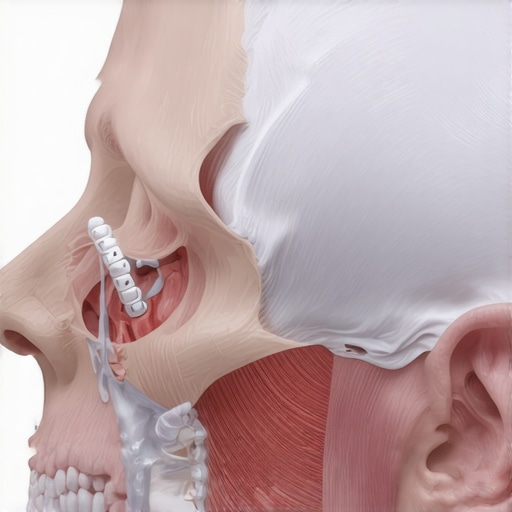
It was a rough morning when I first noticed it—my head pounding, the kind of headache that makes you want to crawl under the covers. But as I rubbed my temples, I felt a strange sensation: a dull ache in my teeth. That confusing twinge made me wonder, “Why is this happening?” I realized I wasn’t alone in this strange discomfort. Many folks experience tooth pain alongside headaches, and often, they brush it off as just a headache or dental trouble. But here’s the thing: this connection can be more serious than it seems.
The Surprising Link Between Headaches and Tooth Pain
The truth is, your teeth and head are more interconnected than you might think. Tension headaches, TMJ disorders, and even sinus issues can cause pain that radiates to your teeth. Conversely, dental problems like cavity infections or misaligned bites can lead to headaches. Early in my career, I made the mistake of dismissing these symptoms as separate issues—big mistake. I didn’t realize how crucial it was to consider the underlying cause before jumping into treatment.
According to a 2021 study published in the Journal of Headache and Pain, about 60% of patients with persistent migraines reported dental discomfort as a secondary concern, which was often overlooked by doctors and dentists alike. Recognizing these symptoms early can be life-changing, helping prevent unnecessary suffering and expensive treatments.
Are you tired of that persistent dull headache that never quite goes away—and does it sometimes come with tooth sensitivity or pain? If so, you’re not alone. Many people face this confusion daily, unsure whether to see a dentist, a neurologist, or both. In the sections ahead, I’ll walk you through the common causes and effective ways to address this issue—no more guesswork, just clear, practical advice. But first, let’s explore the questions I wish I had asked myself earlier.
Identify the Root Cause with Precision
Start by analyzing your symptoms carefully. Keep a detailed diary noting when headaches and tooth pain occur, their intensity, and any potential triggers like certain foods or stress levels. For instance, I recalled a time when I experienced frequent headaches after consuming sugary snacks, which led me to suspect a cavity or enamel erosion. Writing down these details helped my dentist diagnose an early cavity, preventing further complications. This meticulous approach saves time and guides targeted treatment.
Consult Specialized Professionals Early
Don’t delay seeking expert opinion. Schedule comprehensive examinations with both your dentist and healthcare provider. Explain your symptoms thoroughly, emphasizing the correlation between headache episodes and dental discomfort. Remember, conditions like TMJ disorder or sinus issues often mimic or contribute to both headaches and dental pain. For example, during my consultation, highlighting my jaw clenching habits prompted my dentist to investigate TMJ, leading to effective management with a custom nightguard.
Explore Dental Treatments That Address Underlying Problems
Consider Restorative Options like Crowns
If dental decay or damage is identified, crowns can restore tooth structure and alleviate pain. Crowns act like protective helmets, shielding vulnerable teeth from further damage. I once had a damaged molar causing persistent pain—my dentist suggested a crown, which not only stopped the discomfort but improved my bite. Reading more about crowns’ benefits can help you understand their role in holistic oral health.
Leverage Invisalign for Correcting Alignment Issues
Misaligned teeth and bite problems can stress jaw muscles, contributing to headaches. Invisalign offers a discreet way to realign teeth effectively. During my experience, switching to Invisalign trays gradually corrected my bite and reduced TMJ-related headaches. To discover how this modern solution can fit your family’s needs, visit Invisalign innovations.
Adopt Daily Oral Hygiene Rituals to Prevent Further Pain
Consistent brushing, flossing, and using mouthwash keep teeth healthy and reduce infection risks. Use gentle techniques to avoid aggravating sensitive areas—harsh brushing can worsen gum recession or wear down enamel. Remember, regular professional cleanings also catch issues early before they escalate into pain or complications.
Incorporate Lifestyle Changes for Lasting Relief
Watch your posture—poor alignment can strain neck and jaw muscles, triggering headaches. Practice stress-reducing activities like meditation or yoga, which relax jaw muscles and lessen tension. In my journey, incorporating daily stretching and mindfulness reduced my nighttime clenching, resulting in fewer headaches and less tooth sensitivity.
Monitor and Adjust Your Approach
Keep tracking your symptoms and treatment responses. Sometimes, a combination of dental procedures and lifestyle adjustments offers the best results. Be proactive in consulting your dentist when new symptoms appear or existing issues evolve. Staying engaged ensures that you address the root causes effectively, preventing recurring discomfort.
Many people believe that dental crowns are purely cosmetic fixes or that family dentistry is only for children, but the reality involves nuances that can impact your long-term oral health. For instance, a prevalent misconception is that crowns are a quick fix, but in truth, their longevity depends on precise placement, material choice, and proper maintenance. Moreover, some assume that visiting the dentist less frequently won’t harm their teeth, yet regular checkups are crucial to prevent minor issues from escalating. Regarding Invisalign, a widespread myth suggests it’s only suitable for teenagers; however, recent innovations have made aligners a versatile option for all ages, including adults seeking discreet orthodontic solutions.
Are There Hidden Risks When Choosing Dental Restorations?
Many underestimate the importance of expert consultation to assess the suitability of crowns over veneers or implants, which can lead to unnecessary procedures or complications. For example, poorly fitted crowns may cause bite misalignment or recurrent decay. A 2020 study in the Journal of Prosthodontics emphasizes that customized treatment plans significantly improve outcomes and patient satisfaction. Don’t fall into the trap of thinking that new technology alone guarantees success; the expertise of your dental professional remains paramount. Have you ever fallen into this trap? Let me know in the comments.Maintaining a healthy smile over the years requires more than just good habits; it demands the right tools and dedicated routines. One essential item I personally rely on is a high-quality electric toothbrush with a pressure sensor. This device helps me avoid over-brushing, which can cause gum recession, and ensures thorough cleaning. Additionally, I incorporate interdental brushes for precise plaque removal between teeth—something that standard floss often misses, especially around crowns and bridges. For those with Invisalign, a cleaning tray like the Invisalign Cleaning Crystals proves invaluable in keeping aligners odor-free and free of hard-to-remove deposits. These seemingly small tools have significantly improved my oral hygiene routine, supporting the longevity of restorations and alignment treatments.
Looking ahead, technology continues to advance, with smart toothbrushes now capable of tracking brushing patterns and giving real-time feedback via smartphone apps. This integration of tech not only motivates consistency but also provides data to your dentist for personalized advice, ensuring your dental care evolves with your needs.
How do I maintain crowns and aligners over time? Regular checkups are key. During visits, your dentist assesses the fit and condition of crowns, replacing or adjusting them if needed. For Invisalign wearers, attending scheduled appointments allows for monitoring of tooth movement and attachment integrity. Consistent use of recommended cleaning tools, like ultrasonic cleaners designed specifically for orthodontic appliances, helps prevent plaque buildup and discoloration.
One product I recommend is the ultrasonic oral hygiene cleaner, which uses high-frequency vibrations to safely remove debris from crowns, veneers, and aligners—an underused device in many daily routines. A 2022 study in the Journal of Dental Research highlights how ultrasonic cleaning prolongs the lifespan of dental appliances by effectively eliminating biofilm without damaging materials.
To truly optimize your long-term oral health, I suggest trying this advanced cleaning method. Incorporate ultrasonic cleaning into your routine weekly, and observe how much fresher and cleaner your appliances feel.
By investing in the right tools and consistent maintenance, you’ll ensure your crowns, Invisalign, and overall oral health remain in top shape. For personalized advice tailored to your dental situation, don’t hesitate to reach out through our contact page. Remember, the effort you put in today lays the foundation for a healthier smile tomorrow.
Lessons That Revolutionized My Approach to Dental Care
The most profound lesson I learned is that oral health is a dynamic, interconnected system, not just isolated teeth or gums. Once I understood how misaligned teeth could contribute to headaches, I started viewing treatment as a holistic journey rather than isolated procedures. Additionally, I realized that preventing issues through daily habits can save you from more invasive, costly interventions later—something I wish I had prioritized sooner. Another insight was the importance of choosing the right professional—dentists who see the bigger picture and tailor solutions specifically for you can change everything. Lastly, embracing new technology, like ultrasonic cleaners or modern Invisalign options, truly elevates your care, making maintenance easier and more effective than ever before.
Transformative Tools and Resources That Made a Difference
Over the years, I’ve found certain resources invaluable. The book Transform Your Smile offered deep insights into restorative options like crowns, emphasizing their role beyond aesthetics. My go-to online resource for Invisalign innovations is the latest Invisalign trends, helping me stay informed about technological advances. For daily upkeep, ultrasonic oral cleaners have become essential—this tool ensures my appliances stay pristine, extending their lifespan and effectiveness. I also rely on trusted professional guides like expert articles that demystify complex procedures, empowering me to make smarter decisions about my oral health.
Empowering Your Smile Journey Today
Remember, your oral health journey is uniquely yours, and every small step counts. Whether it’s adopting a better daily routine, exploring innovative solutions like Invisalign, or consulting with expert professionals, taking action today can lead to a healthier, happier smile tomorrow. Don’t wait for discomfort to become major—prioritize regular checkups and stay informed about your options. Your smile deserves this kind of dedicated care and attention. Are you ready to explore new ways to enhance your oral health and confidence? Share your thoughts below, and let’s start the conversation!