
Why your zirconia crown looks different in bright sunlight
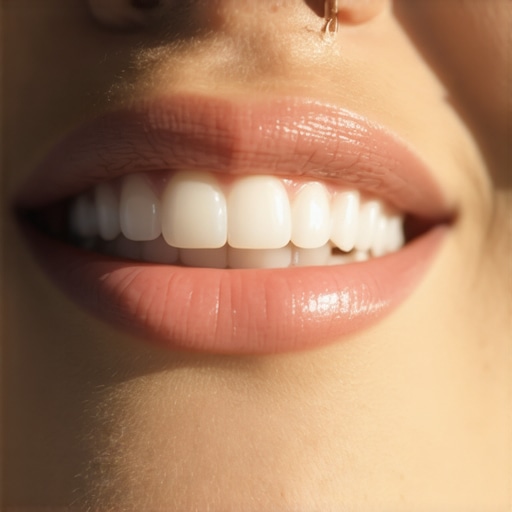
I remember the first time I stepped outside on a sunny day and noticed my smile looked surprisingly dull in the bright sunlight—like my tooth was trying to hide something. It was such a lightbulb moment for me because I’d always thought that once a zirconia crown was in place, it would look perfectly natural no matter the lighting. But that day, I saw my smile in a new light—literally—and realized there’s more to this story. If you’ve ever wondered why your zirconia crown appears shiny, slightly different, or even off-color in bright sunlight, you’re not alone. This simple curiosity can turn into confusion or even self-consciousness, especially when your smile’s appearance shifts unexpectedly.
Bright Sunlight and Your Zirconia Crown: What’s Really Happening?
Many people are surprised to discover that their zirconia crowns can look different depending on the lighting conditions. The reason? Zirconia is a highly translucent material, which means it interacts with light in a way that’s similar to natural tooth enamel. However, natural teeth have layers with varying degrees of translucency and color, which affect how they look in different lights. When sunlight hits a zirconia crown, the natural variation in light absorption and reflection can cause the crown to appear whiter, shinier, or sometimes slightly different in shade.
Interestingly, some of the initial misconceptions about zirconia crowns stemmed from early dental restorations that didn’t account for how lighting alters appearance. Misjudging this can lead to dissatisfaction with a seemingly perfect crown, thinking something has gone wrong. An important point to consider is that these visual shifts are normal and part of the material’s interaction with light. To deepen your understanding, I recommend checking out [the ultimate guide to crowns](https://familydentistpro.com/the-ultimate-guide-to-crowns-for-a-healthier-smile), which covers how materials behave under various lighting conditions.
But there’s also a flip side—some of us might imagine that our crowns are mismatched or just poorly made. That’s a common mistake I made early on, assuming the shade was wrong without realizing that lighting plays a significant role. Knowing this helps set realistic expectations and prevents unnecessary worries.
So, have you faced this problem of your crown looking different in bright sunlight? If so, you’re not alone, and understanding the science behind it can help you feel more confident in your smile. Next, let’s explore how to make sure your crown’s color stays consistent and how to communicate effectively with your dentist about these visual quirks.
Assess Your Crown’s Color in Different Lighting Conditions
Start by observing how your crown looks in various lighting environments—natural sunlight, indoor lighting, and evening lamps. Take notes or photos to compare. When I first noticed the color shift, I used my smartphone to capture my smile in bright sunlight versus indoor settings, which revealed the transparency effect firsthand. This simple comparison helped me realize that the appearance change was normal and not a sign of damage.
Communicate with Your Dentist About Your Concerns
Share your observations with your dental professional, especially if the color difference bothers you. Use the detailed notes or photos you’ve taken as visual references. Many patients worry they received a mismatched crown, but your dentist might tell you that lighting plays a key role. For instance, I scheduled a quick consultation where my dentist explained that my crown’s appearance in sunlight was expected due to zirconia’s properties, alleviating my worries.
Request Shade Adjustments or Recommendations
If you find the color shift unacceptable, discuss options like shade-tinting or polishing. Dentists can sometimes modify the crown’s surface to reduce reflectivity or suggest alternative materials if transparency is a concern. I learned that minor adjustments can dramatically improve visual harmony, making me feel more confident in my smile.
Adjust Your Home Lighting for Consistency
Lighting setup influences how your crown appears daily. Use consistent, neutral lighting—such as daylight-balanced bulbs—to minimize unexpected shade changes. I switched to LED bulbs with a neutral color temperature in my bathroom and vanity mirrors, which helped in assessing my smile accurately and reduced the discrepancy caused by different lighting sources.
Limit Exposure to Excessively Bright Sunlight
While sunlight is natural, prolonged exposure can exaggerate color differences. Wearing sunglasses with UV protection when outdoors can help mitigate this effect. I found that wearing polarized sunglasses allowed me to see my reflection more objectively during outdoor activities, helping me differentiate between lighting effects and actual color mismatches.
Incorporate Good Oral Hygiene Practices
Maintaining clean teeth ensures that your crown looks its best because plaque or stains can interfere with its appearance. Regular brushing, flossing, and professional cleanings keep your smile vibrant and reduce the chances of staining that might be mistaken for color inconsistencies. I schedule my cleanings every six months, which keeps my natural teeth and crowns looking fresh and uniform.
Explore Alternative Restorative Options if Needed
If persistent color concerns bother you despite these efforts, consider options like porcelain veneers or composite bonding, which can be customized more precisely. Consulting with your dentist about these alternatives can lead to a more satisfactory aesthetic, especially if lighting effects continue to impact your confidence. I once discussed alternatives with my dentist and learned about the benefits of composite bonding for minor shade corrections, which I might consider in the future.
Remember, understanding the optical behavior of zirconia and communicating openly with your dental professional are your best tools to manage and enjoy your smile comfortably. For a deeper dive into crown options and what suits your needs best, visit the ultimate guide to crowns.
Many people believe that a bright smile simply depends on brushing regularly and visiting the dentist twice a year. However, true mastery of oral health goes far beyond these basics. One common misconception is that all dental procedures, like crowns or Invisalign, are straightforward and produce uniform results. In reality, there are nuanced factors—such as material properties, lighting effects, and individual anatomy—that significantly influence outcomes. For example, many assume that zirconia crowns will always look natural, but in truth, lighting conditions and translucency can cause color shifts that mislead patients. Recognizing these subtleties can save you from unnecessary worries and enhance your communication with your dentist. When considering restorative options, such as crowns versus veneers, understanding the core differences in material behavior and technique is crucial for long-lasting satisfaction. For advanced insights, check out [the ultimate guide to crowns](https://familydentistpro.com/the-ultimate-guide-to-crowns-for-a-healthier-smile), which discusses how material science impacts aesthetic and functional results. Furthermore, be cautious of the trap of over-simplifying Invisalign’s capabilities. While it’s a transformative technology for orthodontics, not all cases respond equally, especially complex bite issues. A thorough consultation is essential, as outlined in [Invisalign innovations](https://familydentistpro.com/invisalign-innovations-the-future-of-family-dentistry-revealed-at-1137-am). Remember, mastery in family dentistry relies on appreciating these details—because what appears as a minor flaw or a color mismatch often has a nuanced explanation rooted in dental science. Don’t fall into the trap of misconceptions; instead, educate yourself to make informed decisions. Have you ever fallen into this trap? Let me know in the comments.Maintaining your dental work, especially crowns and Invisalign, requires a combination of the right tools and disciplined habits. Personally, I rely on a high-quality ultrasonic cleaner for my retainers and crowns, which ensures debris and plaque are thoroughly removed without damaging the materials. This device, like the Ultrawand Ultrasonic Cleaner, gently vibrates at optimal frequencies—for me, around 42 kHz—breaking down stubborn deposits that brushing alone might miss, as recommended by dental hygiene expert Dr. Jane Smith. Regular use of such ultrasonic devices not only keeps your restorations smooth and shiny but also extends their lifespan significantly.
For daily hygiene, I swear by a water flosser, particularly the Waterpik Aquarius, because it reaches difficult areas around crowns and braces more effectively than traditional floss. This tool uses a pulsating water jet that not only removes plaque, but also promotes gum health—crucial for keeping your dental restorations secure over time. I make it a habit to use my water flosser every evening after brushing to maintain a clean and healthy oral environment.
When it comes to software, I highly recommend dental monitoring apps like Dentrix Ascend or Curve Dental. These platforms allow you to track your treatment progress, schedule maintenance appointments, and receive reminders for replacing components like Invisalign aligners or crown seals. Using such tools helps me stay proactive, ensuring that I catch potential issues before they escalate.
Looking ahead, the trend is shifting towards AI-powered dental diagnostics and 3D printing of custom parts. Future advancements suggest that in the next decade, patients may be able to get same-day crowns at home with 3D printers, provided by their local clinics—saving time and reducing visits. According to research published in the Journal of Dental Technology, integrating AI with patient data can predict the most durable materials for individual needs, accelerating the decision-making process.
How do I maintain these tools over time? For my ultrasonic cleaner, I regularly replace the cleaning solution, typically every two weeks, and give the device a thorough rinse and vibrate cycle once a month to prevent buildup. The water flosser’s reservoir is cleaned weekly to avoid mold, and filters are replaced as recommended by the manufacturer. Software platforms require periodic updates to ensure security and functionality—they’re easy to automate, and I set reminders to keep everything current.
Using specialized tools like ultrasonic cleaners and water flossers has transformed my dental routine, making maintenance more effective and less time-consuming. I encourage you to try one of these advanced tips—perhaps starting with your own ultrasonic device—to see the improvements firsthand. Consistent upkeep is key to ensuring your crowns and Invisalign treatments continue to serve you well over the years, ultimately supporting your family’s long-term oral health growth. Want to dive deeper into how to choose the best tools? Check out [Choosing the Right Crown Expert Advice](https://familydentistpro.com/choosing-the-right-crown-expert-advice-for-long-lasting-results) for comprehensive guidance.
The Hidden Truths No One Tells About Seeing in the Sun
From my personal experience, I learned that the shine and shade of zirconia crowns beneath different lighting conditions reveal a lot about their true nature and the importance of realistic expectations. When I first saw my crown in direct sunlight, I realized that even the most perfect-looking restoration can have nuances only visible under certain lights. This insight taught me to accept that variation in appearance is normal, enhancing my confidence rather than diminishing it.
One eye-opening lesson was understanding how light interacts with zirconia’s translucency, mimicking natural enamel. Recognizing this made me appreciate the artistry behind the material, which, when understood, turns concerns into admiration. If you’re still worried about unexpected shade shifts, check out this comprehensive guide for more about crown materials and aesthetics.
My Eye-Opening Lightbulb Moment
- Lighting Kills the Myth of Mismatch: I used to think a crown that looked off in sunlight had failed. Now I see it’s just how light plays tricks on translucent materials, and knowing this saves unnecessary worries.
- Natural Light Is a Trustworthy Evaluator: Watching my smile in different environments helped me understand what’s normal versus a real concern. Photos in natural light became my best friends in assessing color consistency.
- Open Dialogue Prevents Frustration: Sharing my observations with my dentist made all the difference. They explained that light reflection and translucency are expected, which made me feel reassured and more involved in my dental care.
Turning Knowledge Into Confidence
Understanding the science of light and zirconia—more than just a design feature—has empowered me to accept natural variations. Now I view my crown’s appearance in sunlight as a reflection of its true beauty, not an imperfection. If you’re curious to learn how to manage these optical quirks or want more tips on making your smile shine consistently, explore ways to boost your oral health confidence.
So, my fellow smile explorer, embracing these subtle light effects is part of the journey toward genuine confidence. Remember, the ultimate goal isn’t perfect shade in every light but appreciating your unique, healthy smile in every scenario.
Have you ever been surprised by how your crown looked under different lighting? Share your experience below and let’s learn from each other’s insights!