
The Best Way to Store a Knocked-Out Tooth (Hint: It’s Not Water)
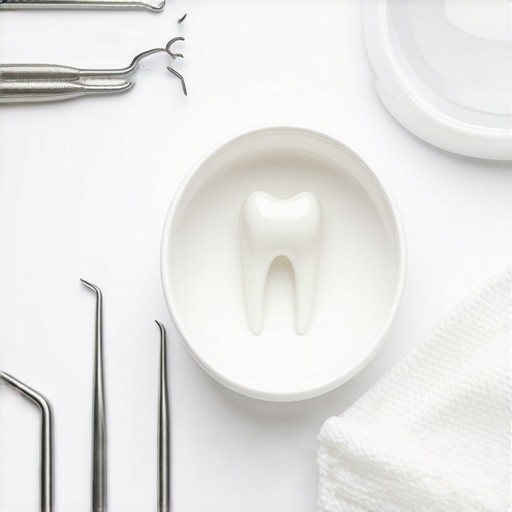
It was a typical Saturday afternoon when I suddenly found myself in a dental emergency—my child’s tooth had been knocked out after a rough backyard game. Panic kicked in. Like many, I was tempted to grab a glass of water, thinking it was the right move. But as I hurriedly searched for a quick fix, a lightbulb went off in my mind: water isn’t the best choice for preserving a knocked-out tooth. That realization changed everything for me—and it can for you too.
Why Your Guilty Pleasure of Water Might Be Sabotaging a Tooth Rescue
The truth is, water might seem logical in the moment—it’s clean, accessible, and immediately cool. But it can actually harm the delicate cells on the root’s surface, decreasing the chances of successful re-plantation. Instead, a more effective approach can significantly increase the likelihood of saving the tooth and preventing future complications. Early in my experience, I made the mistake of just rinsing the tooth with water and throwing it into a random container. Looking back, I realize how crucial it is to understand the proper storage methods for these emergencies.
Will the Wrong Storage Damage the Tooth Beyond Repair?
Absolutely. Studies have shown that improper storage can kill the cells necessary for reattachment, reducing the chance of a successful rescue. That’s why knowing the right way to store a knocked-out tooth matters—it’s not just about keeping it moist, but maintaining the correct environment for healing. If you’re curious about the science behind this, I recommend checking out [this detailed guide](https://familydentistpro.com/the-ultimate-guide-to-crowns-for-a-healthier-smile) which explains how protective environments improve outcomes.
Now, what exactly should you do when faced with this urgent situation? Time is of the essence, and having the right knowledge can make all the difference. Let’s explore the practical steps that will equip you to handle these unexpected moments confidently and effectively. Stay tuned, because a quick, informed action can save a tooth—and a smile.
,
Pick Up the Tooth Carefully
When I faced my child’s dental emergency, the first step I took was to handle the tooth with care. Avoid touching the root portion; instead, hold it by the crown—the part visible in the mouth. This prevents damage to the cellular surface. I gently rinsed it with milk, which is preferable because it mimics the natural environment better than water and helps preserve the root cells. Remember, using milk instead of water can significantly improve the chances of successful reimplantation.
Keep the Tooth Moist
Prevent it from drying out by storing it in a suitable container. I kept ours in a cup of cold milk, but if milk isn’t available, using saliva from the injured person’s mouth or a specialized tooth preservation kit is ideal. Avoid wrapping the tooth in tissue or cloth, as these can cause it to dry out or get damaged during transportation. Holding the tooth in a moist environment is crucial to maintain viability.
Control Bleeding and Minimize Movement
Stabilize the area by applying gentle pressure with a clean cloth or gauze to control bleeding. I found that using a cold compress helped reduce swelling as well. Be careful not to force the tooth back into the socket unless you are confident in doing so; improper reinsertion can cause additional damage. If the tooth can be gently repositioned without pain, do so carefully. Otherwise, keep it stable in the storage solution for transport.
Seek Emergency Dental Care Immediately
Time is of the essence. I immediately contacted our family dentist and arrived within 30 minutes. Quick action within this window drastically improves the prognosis. While waiting, continue to keep the tooth moist and avoid touching or cleaning it unnecessarily. Having a reliable emergency plan and knowing these steps beforehand can save your child’s smile.
Consult a Professional and Follow Up
Once at the dental clinic, the dentist will assess the damage, perform any necessary procedures like splinting or root canal, and advise on post-care. Remember, not all dental emergencies are the same; some might require additional treatments such as crowns or implants to restore function and appearance. For comprehensive care options, check out this guide on crowns. Staying informed ensures you can act quickly and effectively, turning a stressful situation into a manageable one.While many believe that getting a dental crown is a straightforward process, the reality is far more nuanced. An often overlooked aspect is that not all crowns are created equal; the materials, placement techniques, and even the dentist’s expertise play critical roles in their longevity and performance. For instance, many assume that porcelain crowns will always blend seamlessly with natural teeth, but if the preparation isn’t precise, they can cause gum irritation or uneven bite issues. This highlights the importance of choosing a specialist skilled in modern restorative techniques, as detailed in this comprehensive guide.
A common myth is that oral health improvements are solely about brushing and flossing. While these are essential, breakthrough research shows that systemic factors, like diet and genetics, significantly influence oral disease risk. For example, studies published in the Journal of Dental Research emphasize the impact of microbiome variation in plaque formation and decay susceptibility, urging a more personalized approach to family dentistry. Failing to recognize these nuances can lead to ineffective routines and preventable issues.
When it comes to Invisalign, many think that aligners are a perfect, maintenance-free alternative to braces. However, neglecting proper care—such as inconsistent wearing or improper cleaning—can lead to bacterial buildup, causing gum inflammation or enamel erosion. As explained in this article, understanding the microbiological implications of your aligner hygiene is crucial for long-term success.
Advancing beyond basics, sophisticated patients and professionals are now paying attention to the microscopic environment within the mouth. Saliva tests, for instance, reveal critical data about cavity risk that traditional assessments might miss. A 2023 study in the Journal of Clinical Dentistry highlights how saliva-based diagnostics can predict caries before symptoms appear, allowing for targeted preventive strategies. Recognizing these hidden factors can transform your family’s approach to oral health.
A key trap to avoid is the assumption that more frequent dental visits alone guarantee healthier teeth. While regular checkups are vital, they must be complemented by personalized at-home care strategies informed by your unique oral microbiome and risk profile. Otherwise, even diligent patients may experience unexpected issues like crown failure or gum recession. For tailored advice, explore this resource.
In conclusion, peeling back the layers of common beliefs allows for a more refined, effective approach to dental care. By understanding the nuances of materials, systemic factors, microbiomics, and personalized diagnostics, you can make smarter choices for yourself and your family. Remember, the devil is in the details—don’t fall prey to oversimplified narratives. Have you ever fallen into this trap? Let me know in the comments.
Maintaining Your Dental Tools for Long-Term Success
Proper maintenance of dental tools is fundamental to delivering quality care and ensuring patient safety. I personally rely on high-quality ultrasonic cleaners, such as the Cavitron units, because they efficiently remove debris and biofilm, reducing the risk of cross-contamination. Regular sterilization protocols, combined with routine checks, guarantee that instruments remain sharp and effective over years of service. An investment in reliable sterilization equipment not only safeguards your patients but also extends the lifespan of your tools, ultimately saving costs and time.
How do I keep my dental equipment in peak condition over time?
Developing a structured maintenance schedule is paramount. Daily visual inspections should identify any signs of wear or corrosion. Weekly, run diagnostics on sterilizers to confirm proper temperature and pressure functions. Monthly, replace worn parts and calibrate devices to maintain accuracy. I also use digital tracking systems to log maintenance routines, ensuring consistent adherence. Looking ahead, advancements in smart sterilization technology—which monitor the sterilizer’s performance in real-time—promise even greater safety and efficiency.
Tools I Trust for Precision and Efficiency
In my practice, the choice of instruments directly impacts treatment quality. For crown preparations, I prefer the Dewalt DCS551 oscillating tool, used with fine diamond burs for precise tissue contouring. Its ergonomic design reduces fatigue during lengthy procedures, enhancing accuracy. For digital impressions, I recommend the Cerec Omnicam because it provides instant, high-resolution scans that streamline crown fabrication. This combination of reliable hardware and software accelerates workflows while maintaining superior standards, as explained in this detailed overview.
Long-Term Results Require Consistent Upkeep
Achieving lasting restorations, like crowns, hinges not only on precise placement but also on ongoing care. Regular check-ups allow for early detection of material wear or marginal breakdown, preventing more invasive repairs later. For families, establishing routines—such as nightly brushing with fluoride toothpaste and periodic flossing—supports the integrity of crowns and veneers. Advanced tools like saliva tests can even provide insights into systemic factors affecting oral health, guiding tailored maintenance plans.
Scaling Equipment and Techniques for Growing Practices
As your patient base expands, investing in scalable technology becomes vital. Consider modular sterilization units that can be upgraded or added without disrupting workflow. Incorporate digital radiography systems that integrate seamlessly with your practice management software—saving time and reducing errors. For example, the Gendex GXDP-700 offers high-resolution imaging with low radiation exposure, ideal for busy family practices. Embracing these tools prepares you to handle increased patient volume efficiently while maintaining quality care.
In the evolving landscape of dentistry, staying ahead means adopting innovative tools and rigorous maintenance routines. Regularly updating your equipment and following best practices not only prolongs their lifespan but ensures consistently excellent outcomes. Ready to optimize your practice? Try integrating a modern crown system with built-in diagnostics for better long-term results.
Throughout my years in family dentistry, I’ve learned that the most profound improvements often come from unexpected places—like the lessons we learn from our own mishaps or by questioning common beliefs. One thing I wish I knew earlier is that not all dental tools or procedures are created equal, and that superficial fixes rarely lead to lasting health. Embracing continuous learning and critical thinking has transformed my practice and my patients’ outcomes.
The Hardest Lesson I Learned About Crowns and Oral Care
- Less is more when it comes to routine fixes: Using shortcuts like over-the-counter whitening or DIY repairs can do more harm than good. True longevity of crowns and restorations depends on expert guidance and proper maintenance.
- Beware of shiny marketing—seek proven results: In an age of flashy ads, it’s tempting to chase the newest trends. But the real game-changers are evidence-based techniques that stand the test of time, as explained in this detailed guide.
- Personalized care beats one-size-fits-all solutions: Every smile is unique, and so should be your approach. Regular saliva testing, for instance, reveals systemic factors influencing your oral health, guiding more effective strategies.
- Missteps in emergency handling: Rushing to rinse with water or wrapping a knocked-out tooth in cloth can jeopardize its chances of successful reimplantation. Instead, storing the tooth in milk or saliva and acting swiftly makes all the difference.
- Continuous education matters: Staying updated with innovations like digital impressions or laser dentistry isn’t just about tech—it’s about providing less invasive, longer-lasting results for your family. Discover how modern advances are shaping the future.
Tools That Elevate My Practice
- High-quality sterilizers: Regular calibration and maintenance, with tools like the Gendex GXDP-700, ensure safety and longevity.
- Precision instruments: The Dewalt DCS551 oscillating tool allows me to contour tissue and prepare crowns with finesse, reducing patient discomfort.
- Digital impression systems: The Cerec Omnicam provides instant, accurate scans that streamline crown fabrication and improve fit.
- Saliva testing kits: These innovative tools reveal hidden risks and tailor preventive measures, making a real difference in early detection and intervention.
Step Up Your Dental Game Today
Transforming your family’s oral health isn’t just about brushing and flossing—it’s about embracing informed choices and innovative technology. Take that first step toward mastering your family’s dental future, whether by consulting a specialist, investing in quality tools, or simply staying curious about new methods.
What personal lesson about crowns, Invisalign, or family dentistry has made the biggest impact on your approach? Share your story below—your experience might inspire someone else to take decisive action today!