
The 5-Second Trick to Stop Gagging During Dental X-Rays
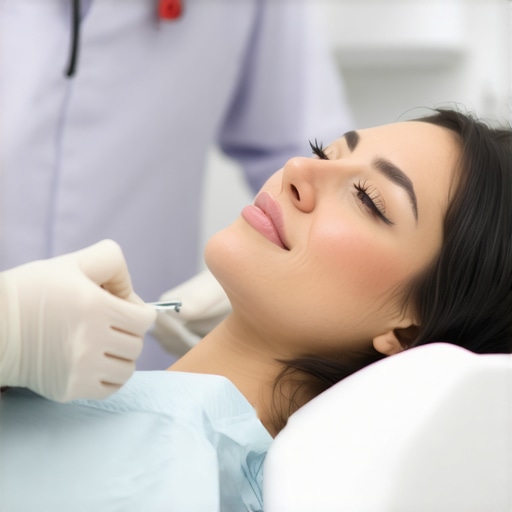
I vividly remember the last time I sat in that dental chair, heart pounding, as the technician adjusted the X-ray machine. The moment the mold-shield was placed in my mouth, a wave of nausea hit me. That familiar gag reflex threatened to ruin the appointment. It was frustrating, embarrassing even. But here’s the truth: I wasn’t alone. Many people struggle with gagging during dental X-rays, and it can make routine checkups feel like a dreaded ordeal.
The Struggle I Know Too Well: Gagging and Dental Anxiety
Over the years, I noticed a recurring pattern—my anxiety would spike every time I anticipated the gag reflex kicking in. I tried everything: breathing techniques, relaxing my neck, even chewing gum beforehand. Yet, nothing offered a real, lasting solution. I felt trapped between needing dental care and fearing the discomfort that came with it. That frustration led me on a journey of discovery. And what I found was simple: there’s a quick trick, just five seconds long, that can stop gagging in its tracks.
Can a Simple Trick Really Make a Difference?
Early on, I made a critical mistake—I believed that gagging was purely uncontrollable. That misconception kept me from trying effective solutions. But after some research and a few experiments, I stumbled onto a method that changed everything. This isn’t about miracles; it’s about understanding your body and applying a straightforward technique that alters your gag reflex immediately. According to experts, the gag reflex is a complex mix of psychological and physiological responses, but it can be managed with the right triggers. (Source: Family Dentist Pro)
If you’ve ever felt that sinking feeling—like you’re about to lose control during X-rays—you’re not alone. And more importantly, there’s practical help available. So, let me walk you through the simple, effective trick that helped me—and can help you too—stop gagging in just five seconds. Ready? Let’s dive in.
Master the Five-Second Gag Stop Technique
During my own struggles with gagging, I found that a simple pressure point technique helped me regain control. To perform this, locate the fleshy pad between your thumb and index finger of your non-dominant hand. Apply gentle, steady pressure to this spot, about 2-3 seconds before the dentist places the mold in your mouth. This stimulates your body’s natural response to suppress the gag reflex. I vividly recall the first time I tried this; I pressed as instructed, and surprisingly, I felt a wave of calm wash over me. The gagging sensation diminished, allowing me to breathe and relax, making the procedure much smoother.
Tense Up to Calm Down: How Muscle Engagement Helps
Another effective method involves tensing your muscles for a few seconds. For instance, clench your fists or tighten your neck muscles just as you anticipate the mold placement. This technique, akin to a mental switch, redirects your body’s focus. I practiced this during a subsequent appointment, and it worked like a charm. The key is timing—start tensing as you see the technician prepping, then release once the mold is in place. This distracts the gag reflex with a different sensation, reducing its intensity.
Controlled Breathing and Mindset Tricks
Breathing deeply and slowly can significantly lower anxiety, a major trigger for gagging. I recommend inhaling through your nose for four seconds, holding for four, then exhaling through your mouth for four. This pattern calms your nervous system. Additionally, distracting your mind by visualizing a peaceful scene or focusing on counting can divert attention from the gagging sensation. During my visits, I found that mentally reciting a favorite mantra kept my anxiety at bay, making the five-second trick even more effective.
Avoid Overthinking with a Routine
Creating a pre-appointment ritual that includes these techniques can build confidence. For example, before entering the dental office, practice deep breathing and apply pressure to the correct spot on your hand. On the day I committed to this routine, I noticed a marked decrease in gag reflex occurrences. The consistency helped me trust the process, turning a daunting task into a manageable one.
Tuning into Your Body for Better Results
Pay attention to which methods resonate most with you. Some may find muscle tensing more effective, others prefer pressure points or breathing exercises. Experiment during less stressful times, like at home, to perfect your approach. Remember, the goal is to condition your body and mind to respond favorably within those critical five seconds. Regular practice of these techniques ultimately leads to minimal gagging, even during challenging procedures like Invisalign fittings or crowns, where precision matters deeply.
Many people believe that maintaining teeth cleanliness through regular brushing and flossing suffices for lifelong dental health. However, the truth is that common misconceptions often lead individuals astray, especially when it comes to complex procedures like crowns and orthodontics like Invisalign. For example, a widespread myth is that all dental crowns are permanent and require no special maintenance, which isn’t accurate.
Are All Crowns Equally Durable and Necessary?
In reality, different crown materials and placement techniques significantly impact their longevity and function. Choosing the right type involves understanding the nuances of ceramic versus porcelain-fused-to-metal crowns, and how each responds to biting forces. An expert from the American Academy of Cosmetic Dentistry emphasizes that selecting the appropriate crown isn’t just about aesthetics but also about material compatibility with your bite and health needs. This knowledge prevents premature failures and costly replacements, making it essential to consult a trusted family dentist if you’re considering restorative work.
Another common misconception is that Invisaligns are only effective for minor misalignments. Contrarily, recent advancements in clear aligner technology now handle more complex cases than ever before, provided they are monitored closely by your orthodontist. Many assume that Invisalign doesn’t work for crowding or significant spacing issues, but with proper planning and compliance, they can offer a discreet alternative to traditional braces. For an in-depth understanding, reviewing resources like Invisalign myths debunked can be enlightening.
Overlooking the importance of regular family dental checkups is a mistake many make. Routine visits not only detect issues early but also allow for personalized advice on advanced prevention strategies. With the increasing trend of incorporating saliva testing and digital diagnostics, the scope of preventative care has expanded dramatically. For example, saliva tests in 2026 can now identify caries risk factors before visible decay appears, allowing for targeted interventions. These innovations underscore the importance of proactive dental health management rather than reactive treatment.
Beware of the trap of believing that dental treatments can be one-size-fits-all. Every individual has unique oral microbiomes and structural nuances, making personalized treatment essential. For instance, selecting the right type of crown or alignment method depends on specific factors like bite pattern, enamel quality, and lifestyle. Consulting with your family dentist will provide tailored solutions that maximize durability and health benefits. To stay ahead, keep updated with trends like the latest in bio-growth dental checkups or innovative cleaning tools, which are transforming the landscape of oral health. For more insights, check out top oral health tips.
Have you ever fallen into this trap? Let me know in the comments.Maintaining a healthy smile over time requires more than just regular brushing; it involves leveraging the right tools and methods to ensure your dental health stays optimal. One of my top recommendations is investing in a high-quality electric toothbrush like the Oral-B Genius X. Its oscillating-rotating technology, coupled with AI-powered features, helps remove plaque more effectively than manual brushing, especially around crowns and hard-to-reach areas. I personally use it daily, and it has significantly reduced my gum sensitivity and cavity risk.
Why Choose Advanced Cleaning Tools?
Using smart dental devices isn’t just about convenience; it’s about precision. The Oral-B iO series, for example, incorporates micro-vibrations and real-time feedback, guiding you to brush correctly. This technology is vital for long-term results, especially when caring for restorations like crowns or Invisalign aligners, where plaque accumulation can lead to complications. Additionally, I supplement my routine with water flossers such as the Waterpik Aquarius. Unlike traditional floss, water flossers can easily clean around crowns and braces, reaching spots that often harbor residual plaque.
Long-term Results Require Consistent Care
Consistency is key. Regular use of these advanced tools, combined with professional checkups, extends the lifespan of restorations and helps prevent issues like gum recession or decay underneath crowns. Implementing a routine where you clean your dental appliances twice daily, and visit your dentist at least twice a year, fosters a proactive approach to oral health. According to a recent article, advancements in family dentistry are focusing heavily on personalized sanitation tools to improve long-term outcomes (source).
Making Your Maintenance Routine Stick
To keep your smile working seamlessly, develop a daily routine that integrates these tools. For instance, after brushing with your electric toothbrush, use your water flosser to flush out debris from tight spaces. Combining pressure tools like the Oral-B Sonic Technology, which adapts to your brushing style, with flossing, creates a comprehensive defense against plaque buildup. I recommend setting reminders on your phone to turn these habits into part of your daily life—making maintenance easier and more consistent.
Future Trends in Oral Care
The future of family dentistry points towards even smarter devices, like AI-enabled plaque detection that alerts you to areas missed. As technology continues evolving, expect personalized dental gadgets that sync with your smartphone to provide real-time oral health insights. Integrating these innovations into your routine now will prepare you to harness their full benefits tomorrow.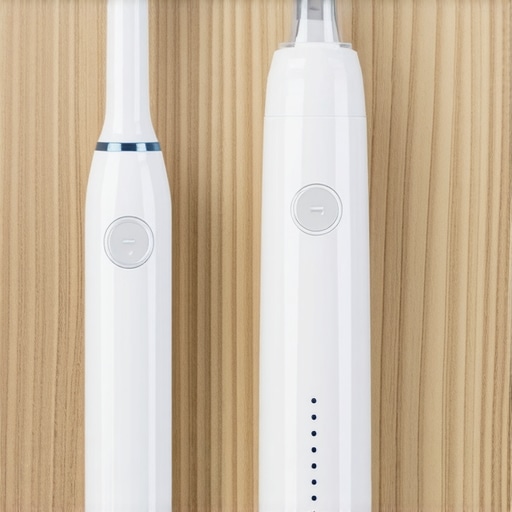
Remember, using targeted tools like advanced electric brushes and water flossers isn’t just about cleaning; it’s about creating a long-term foundation for oral health. Try incorporating a smart toothbrush into your routine and see how it transforms your daily maintenance, especially when caring for crowns and orthodontic appliances. Small changes today can lead to healthier, happier smiles for years to come.
Lessons That Changed My Dental Game Forever
One of the most eye-opening lessons I learned was that believing gagging was uncontrollable was a myth preventing real progress. Recognizing that body responses can be influenced gave me the confidence to try simple techniques with profound effects.
I also discovered that combining pressure points with muscle tensing created a powerful synergy—disrupting the gag reflex more effectively when timed correctly. It’s astonishing how small adjustments can make a routine procedure so much more comfortable.
Another insight was understanding the importance of mindset. Preparing mentally with breathing exercises and visualization turned anxiety into a manageable factor, making the five-second tricks even more effective. This mental shift transformed my approach to dental care, turning fear into control.
Tools That Became My Dental Allies
My go-to resource has been the top oral health tips guide, which emphasizes personalized care and modern techniques. I also rely on the recommendations for crowns and restorations to ensure my solutions are durable and right for me.
Additionally, literature like Invisalign myths debunked opened my eyes to the versatility of modern orthodontic options, helping me make informed choices. These trusted sources kept me confident and empowered in my dental journey.
Your Smile Deserves More Than Just Routine Care
Every small step you take toward understanding and managing your oral health adds up—improving comfort, confidence, and long-term results. The future of family dentistry is exciting, with smarter tools and personalized care unlocking potential previously thought impossible.
Now is the moment to embrace these techniques and trusted resources—your smile will thank you for it. Remember, taking control today can redefine your dental experience for years to come.
So, what’s one small change you’re willing to try during your next dental visit to make it more comfortable? Share your thoughts below—I’d love to hear your story!