
Why Your Crown Feels Sharp to Your Tongue

I’ll never forget the moment I felt that unexpected, stabbing sensation on my tongue after getting a new dental crown. It was like a tiny needle constantly pricking me, making my daily routine uncomfortable and frustrating. I thought, “Did I hurt my tongue? Is this normal?” It’s shocking how such a small adjustment in your mouth can feel so disruptive. That experience made me realize I wasn’t alone—many folks face this weird, sharp feeling that seems to come out of nowhere.
Uncovering the Hidden Cause of Your Sharp Crown Sensation
In my journey to understand this discomfort, I discovered that a common culprit is the crown’s edge habitually brushing against the tongue. This often happens if the crown isn’t perfectly shaped or positioned, leading to that irritating sharpness. What’s more, many overlook the fact that these minor discrepancies can trigger ongoing irritation or even sores, affecting your comfort and confidence. But here’s the good news: with some expert adjustments, you can bid farewell to that nagging prickly feeling and regain your natural, smooth oral experience.
Is Your Crown Really a Problem, or Is It All in Your Head?
Early on, I made the mistake of dismissing the sharpness as just part of the healing process. But ignoring it only prolonged my discomfort. Expert advice suggests that if your crown feels excessively sharp or causes persistent tongue irritation, it’s worth having a dental professional evaluate the fit and finish. In fact, studies show that poorly fitting crowns are among the leading causes of oral discomfort after restorative procedures (source: Family Dentist Pro). So, don’t brush off the warning signs—address them early to avoid bigger issues down the line.
Now, let’s explore how to make those tiny adjustments that can transform your comfort level and restore your smile’s natural feel. If you’ve ever faced this pesky problem, keep reading—we’re about to fix it together.
Adjusting the Crown for a Comfortable Fit
Start by scheduling an appointment with your dentist to evaluate the crown’s alignment. When I experienced this myself, I brought a mirror to observe the crown’s height and edges. Your dentist will use specialized tools, akin to a sculptor refining a sculpture, to smooth out any sharp edges or high spots. They might gently file or polish the crown’s edge to prevent it from irritating your tongue.
Identify the Problem Areas
Use a clean mirror and a piece of dental floss to feel the crown’s surface and edges. If you notice any rough or jagged parts, these are likely causing the discomfort. Remember, the goal isn’t perfection in appearance but comfort during daily activities.
Interim Relief Strategies to Reduce Discomfort
While waiting for your dental appointment, you can try some at-home fixes. Rinse your mouth with warm salt water to soothe inflamed tissues. Applying dental wax or silicone putty over the sharp spot can provide temporary relief, similar to applying a cushion over a rough edge. Be cautious and avoid swallowing the material.
Softylating the Tongue to Minimize Irritation
Gently rubbing the tongue with a soft cloth or using a mild, non-abrasive mouthwash can help desensitize the area over time. This technique is like training your skin to be less reactive to minor irritants.
Choosing the Right Dental Professional for Long-Term Success
Ensure your dentist is experienced in crown adjustments. An expert can precisely modify your crown, similar to a master tailor fitting a suit, ensuring it sits perfectly without irritating your tongue or gums. If you’re unsure, consider visiting a specialist or seeking recommendations via advice on choosing the right crown expert.
Preventing Future Crown Discomfort
Regular check-ups are vital. A well-fitted crown that aligns with your bite reduces not only discomfort but also prevents issues like uneven wear or gum irritation. Also, maintaining excellent oral hygiene reduces the risk of inflammation around the crown, akin to keeping your garden free of weeds, ensuring your dental work remains healthy and comfortable over time.
By actively engaging with your dental care—be it through precise adjustments, proper at-home habits, or consulting experts—you can transform your oral experience from uncomfortable to seamless. Remember, small tweaks today can lead to a lasting, pain-free smile tomorrow.
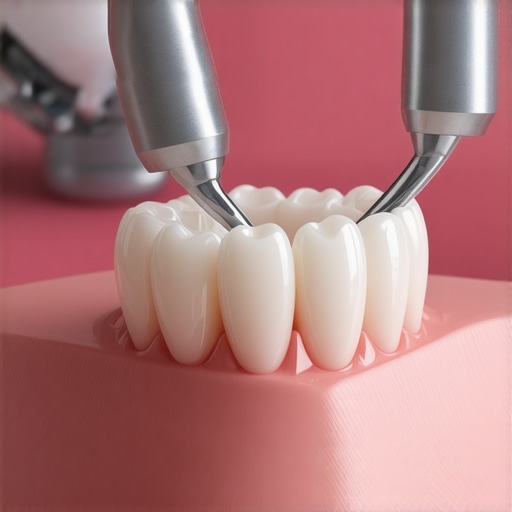 Many patients assume that once their dental procedures like Invisalign or crowns are completed, their oral health concerns vanish. However, this neglects a critical nuance: the importance of ongoing maintenance and understanding the complexities behind these treatments. A common myth is that crowns and aligners are set-it-and-forget-it solutions, but in reality, they require careful attention to detail to prevent issues such as misalignments or premature wear. Experts warn that neglecting the subtle signs of improper fit or hygiene can lead to long-term problems that compromise the investment you’ve made in your smile.
One trap many fall into is misjudging the durability of dental restorations. For instance, many believe that all crowns are equally long-lasting, but materials and application techniques vary significantly. Choosing the right professional, such as a specialist with extensive experience in crown placement, can make a crucial difference. To ensure longevity, it’s vital to consult resources like this guide on selecting a crown expert that emphasizes precision and expertise.
Why do some Invisalign trays stain or turn cloudy despite good hygiene?
Some assume that maintaining oral cleanliness alone prevents Invisalign trays from discoloration. However, advanced studies show that material composition and cleaning routines play pivotal roles. Using improper cleaning agents or neglecting tray maintenance can cause clouding, which may reduce the trays’ effectiveness and aesthetics. Incorporating recommended cleaning methods, like enzyme-based solutions, can prolong clarity and functionality. For detailed advice, explore this article on common Invisalign issues.
Moreover, many underestimate the importance of regular check-ups for their dental restorations. It’s not just about fixing problems when they become painful but about spotting subtle signs of wear or misfit early. For example, a crown that feels slightly loose or an Invisalign tray that no longer fits snugly might seem minor but can signify underlying issues that, if overlooked, can lead to tooth decay or gum infection. Routine evaluations with an experienced dentist, like those recommended here, help mitigate these risks and preserve your oral health long-term.
Another layer of complexity lies in understanding how these treatments interact with overall oral health habits. Over-aggressive brushing or poor flossing can damage your crowns or irritate tissues, undermining your results. A balanced approach, supported by expert advice, ensures that your investment continues to pay dividends. Check out these top oral health tips to learn more about sustaining your new smile.
In conclusion, the misconception that dental procedures are standalone fixes is a trap that can lead to costly complications. Instead, view your oral health as a dynamic system where ongoing vigilance and informed choices are essential. Stay proactive, consult qualified dental professionals, and educate yourself about the subtle nuances—your future self will thank you. Have you ever fallen into this trap? Let me know in the comments.
Maintaining the results of your dental treatments like Invisalign or crowns requires more than just good intentions—it’s about using the right tools and methods to ensure durability and health over time. One of my top recommendations is investing in a high-quality electric toothbrush, such as the Philips Sonicare DiamondClean. I personally use this device because its sonic technology effectively cleans hard-to-reach areas, preventing plaque buildup that can compromise crowns or cause gum issues. Its oscillating brush heads and customizable modes make it suitable for sensitive areas around dental restorations, reducing the risk of damage or discomfort. Additionally, I incorporate a water flosser like the Waterpik Aquarius into my daily routine. The pulsating water stream reaches beneath braces and around crowns more reliably than traditional floss, ensuring thorough cleaning without damaging delicate work. For maintaining Invisalign trays, I recommend enzyme-based cleaning solutions such as these specialized cleaners. They not only eliminate odor-causing bacteria but also prevent cloudiness and discoloration, keeping trays transparent and effective. Regular use of a tongue scraper like the Orabrush is equally important, as it helps reduce bacteria that can lead to plaque accumulation and bad breath. For tracking your oral health progress, consider using smartphone apps like Dental Monitoring, which syncs with your dental provider for real-time updates and personalized advice. Looking ahead, the trend in dental technology points toward AI-powered devices that can analyze your brushing and flossing habits, providing instant feedback and tailored recommendations—something I believe will become standard within the next few years. If you aim to keep your restorations like crowns and Invisalign working effectively, I encourage you to start with a quality electric toothbrush, as it forms the foundation for good oral hygiene. Don’t wait—try a Sonicare or similar device today and see the difference in your long-term oral health. For more detailed guidance on maintaining your dental work, check out these top oral health tips. Remember, consistent care and the right tools are your best allies in preserving that beautiful smile.
What I Wish I Knew About Dental Comfort Early On
- Trusting that a perfect crown automatically means comfort is a mistake; even well-placed crowns can cause irritation if not properly finished. It took my own experience to realize that small adjustments could make a huge difference.
- Ignoring persistent tongue sensations might save time now, but often leads to bigger problems later. Recognizing warning signs early is key—don’t brush off discomfort that lingers beyond the initial healing phase.
- Professional expertise truly matters. A skilled dentist who understands the nuances of crowns and Invisalign can save you from long-term discomfort. Do your research before settling on a provider—resources like this guide helped me find the right specialist.
- At-home care is more than just brushing; using the right tools—like gentle mouthwashes and instruments—can extend the life of your dental work and prevent irritation. Incorporating these habits turned my experience around.
- Regular check-ups are crucial. Even after placement, staying alert to subtle changes can prevent discomfort from becoming a bigger issue. A quick visit often saves a lot of trouble down the line.
Tools That Make a Real Difference
Investing in quality dental tools transformed my oral care routine. The top oral health tips I adopted included an electric toothbrush like the Sonicare DiamondClean, which ensures thorough cleaning without damaging delicate crowns, and a water flosser such as Waterpik Aquarius, capable of reaching tricky spots around restorations. For Invisalign trays, enzyme-based cleaners from this resource kept my trays clear and odor-free—boosting confidence and effectiveness. Additionally, a soft tongue scraper helps reduce bacteria, contributing to overall comfort and freshness. These tools aren’t just conveniences—they’re essential allies in maintaining a healthy, pain-free smile.