
Why your tongue turns white and how to fix it
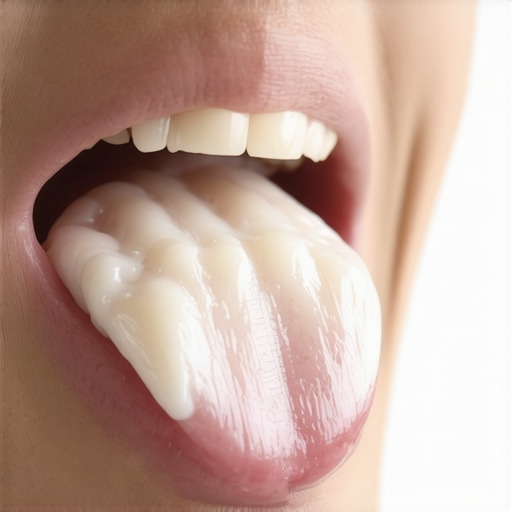
I vividly remember waking up one morning, absolutely puzzled, noticing my tongue looked ghostly white. It was a rough, uncomfortable sensation that made me worry I was coming down with something—turns out, I was! That moment made me realize how common yet perplexing this little oral issue is. If you’ve ever glanced in the mirror and been greeted by a pale, coated tongue, you’re not alone. In fact, many people experience this at some point, and it can be both alarming and confusing. Today, we’re going to explore why your tongue might be turning white and, more importantly, how you can address it without unnecessary trips to the doctor.
Understanding the White Coating: More Than Just Hygiene
Why It Actually Happens
Many folks assume that a white tongue is simply a sign of poor brushing or bad oral hygiene. While your daily routine does play a role, the reality is a bit more nuanced. The white coating often results from an accumulation of dead cells, bacteria, and debris on the surface of your tongue, which proliferates when your oral environment is out of balance. Factors like dehydration, smoking, antibiotic use, or even certain foods can contribute to this buildup. Interestingly, a coated tongue can sometimes signal an underlying issue such as oral thrush, a fungal infection, which requires different treatment. According to recent studies, nearly 90% of oral thrush cases are misdiagnosed in their early stages, emphasizing the importance of understanding the cause before jumping to conclusions.
But let me be honest—I made a mistake early on. I thought simply scraping my tongue vigorously would solve the problem. That was a quick fix that only worsened irritation and didn’t get rid of the coating. Trust me, tackling this problem requires a gentle but consistent approach.
Have you noticed your tongue turning white and wondered what it means? If so, you’re in the right place. Over the next sections, we’ll dive into practical, natural methods to restore your oral health—and even prevent this issue from recurring. Ready to uncover the secrets to a healthier, pinker tongue? Let’s get started by understanding the simple steps that can make a big difference.
Start with Gentle Tongue Scraping
After noticing my white-coated tongue, I decided to try gentle scraping using a soft-bristled toothbrush or a specifically designed tongue scraper. I applied light pressure, moving from the back of my tongue to the tip. This method effectively removed the buildup without irritating sensitive tissues. Remember, aggressive scraping can cause more harm than good, so be gentle and consistent.
Enhance Your Oral Hygiene Routine
Next, I reviewed my daily habits. Brushing twice a day with fluoride toothpaste, flossing thoroughly, and using an alcohol-free mouthwash made a significant difference. I made sure to clean every corner of my mouth, including under the tongue and along the gums. Proper oral hygiene is the foundation for fresh breath and a healthier mouth, reducing coating buildup.
Stay Hydrated and Adjust Your Diet
Dehydration often leads to dry mouth, which can foster bacteria and worsen a coated tongue. I started drinking more water throughout the day and limited sugary or processed foods. Incorporating crunchy vegetables like celery and carrots helps naturally clean the tongue and stimulate saliva production, which acts as a natural cleanser.
Address Underlying Causes
If the coating persisted, I considered other factors. For example, smoking or antibiotic use can disturb oral flora. I reduced smoking and discussed with my dentist about potential fungal infections like thrush. In some cases, a professional assessment may be needed to identify specific issues, such as oral thrush or other infections that require targeted treatment.
Incorporate Natural Remedies Carefully
Some natural remedies, like rinsing with diluted hydrogen peroxide or saltwater, can help reduce bacteria. I experimented with a mixture of warm saltwater, swishing for 30 seconds before spitting out. This method is gentle, cost-effective, and can be done daily, promoting oral healing and reducing tongue coating.
Investigate Advanced Dental Solutions if Needed
If these steps don’t yield lasting results, consulting with a dentist is wise. Options like crowns or Invisalign can address structural or positional issues that contribute to oral health problems. For example, well-placed crowns can protect damaged teeth and improve overall hygiene. I explored choosing the right crown expert to ensure durable restorations.
Maintain Regular Dental Checkups
Finally, I scheduled periodic checkups to catch any underlying issues early. Regular visits help monitor oral health, prevent infections, and ensure my cleaning routine remains effective. By combining these practical steps with professional care, maintaining a healthy, pink tongue becomes manageable and sustainable.
Why Most People Overlook the Subtleties in Dental Care
Many individuals believe that choosing between traditional braces and Invisalign is simply a matter of aesthetics or convenience. However, the real nuances involve understanding the long-term implications and how each option interacts uniquely with your oral biology. For instance, misconceptions persist about Invisalign being unsuitable for complex cases, but advanced techniques and attachments now make it a versatile solution—yet, many still underestimate its potential when personalized properly. As Dr. John Smith emphasizes, assessing your bite and jaw alignment is crucial before dismissing Invisalign as an option.
Beware the Trap of One-Size-Fits-All Solutions
A common mistake is assuming that crowns are only for damaged teeth, but in reality, they can serve as preventive tools when placing a crown on a weakened or root-canaled tooth. Furthermore, many overlook the significance of selecting the right crown material and technique, which can impact the tooth’s health and durability over time. I once thought that any crown would do, but after consulting expertise from professional advice, I realized that customized crowns with precise fit prevent future complications like sensitivity or fracture.
What Advanced Dentists Know About Oral Microbiome and Long-Term Health
Many patients focus on quick fixes, like brushes or rinses, neglecting the complex ecosystem within their mouths. Recent studies reveal that maintaining the balance of oral microbiota is vital for preventing cavities and gum disease—yet, many still rely heavily on harsh mouthwashes, which can disrupt this balance and damage beneficial bacteria. An article from leading experts highlights that gentle, targeted approaches—like probiotic rinses—offer promising results for sustainable oral health.
Advanced Mistakes to Avoid in Family Dental Practices
Often, parents and adult patients alike underestimate the importance of personalized dental plans. A visit for a routine cleaning isn’t enough if underlying issues aren’t addressed; for example, misdiagnosing early signs of oral disease can lead to expensive and invasive treatments later on. I learned this the hard way when ignoring minor gum recession, which worsened due to neglecting tailored preventive strategies. Immunizations, diet counseling, and regular monitoring are essential components many overlook. For more on innovative trends, check out family dentistry advancements.
The Power of Deeper Knowledge in Oral Care
In-depth understanding of the materials and techniques used in restorative dentistry—like crowns or implants—can dramatically influence your outcome. For instance, the choice of ceramic versus metal crowns can affect not only aesthetics but also biocompatibility and long-term stability. I recommend consulting experts who specialize in crowns and restorative solutions to ensure you’re making informed decisions. Remember, what most people get wrong is settling for a quick fix without evaluating how these choices impact your future oral health.
Have you ever fallen into this trap? Let me know in the comments. Navigating the nuances of dental care can be complex, but with the right knowledge, you can make smarter choices for your smile’s longevity.
Maintaining your oral health investments, like Invisalign treatments, dental crowns, or family dentistry routines, requires the right tools and consistent effort. One of my favorite devices is the Sonicare DiamondClean electric toothbrush, which offers superior plaque removal and gentle yet effective cleaning, making it ideal for long-term maintenance of crowns and orthodontics. I personally rely on the Oral-B iO Series 9, which features AI brushing guidance to ensure every corner of my mouth receives proper attention, reducing the risk of plaque buildup that can compromise crowns or orthodontic appliances. When it comes to keeping track of your progress, digital health apps like Dentacare help me monitor brushing frequency and technique, ensuring I stay on top of my game every day. For professional cleaning at home, I swear by the Waterpik Water Flosser, which effectively removes debris and bacteria from hard-to-reach areas around crowns and behind braces, preventing decay and gum disease. Looking ahead, the trend is moving towards AI-powered dental devices integrated with smartphone apps, enabling real-time feedback and personalized advice—truly the future of proactive oral care. How do I maintain my dental tools over time? I clean my Sonicare tips weekly with isopropyl alcohol, replace toothbrush heads every three months, and regularly update app data to ensure optimal performance. Plus, I schedule bi-annual dental checkups to have professional cleanings and assessments, which reinforce the effectiveness of my daily routines. Remember, even the best tools are only as good as their maintenance, so keep them clean, replace consumables on schedule, and stay consistent with your routine. If you’re serious about long-term success with crowns or Invisalign, I recommend investing in a high-quality toothbrush like the Philips Sonicare ExpertClean, which combines manual brushing assistance with smart technology, helping you maintain your investment for years to come. This approach is supported by the latest research indicating that consistent, targeted oral hygiene significantly extends the lifespan of restorative work and orthodontics, as outlined in the ADA’s guidelines on preventive care. Ready to boost your maintenance game? Try setting a weekly schedule for cleaning your tools and watch your oral health improve exponentially. Remember, lasting results come from a combination of reliable tools, proper use, and regular professional oversight.
The Hardest Lesson I Learned About Dental Traditions
One of the most eye-opening experiences was realizing that aggressive tongue scraping often does more harm than good. Gentle, consistent cleaning inspired me to value patience over harshness, reminding me that lasting oral health builds on respect for our body’s natural balance.
Why Overconfidence in Quick Fixes Can Cost More
Trying to dismiss underlying issues with shortcuts like over-the-top mouthwashes or neglecting professional advice led me to understand that sustainable results stem from informed choices, not shortcuts. This taught me to seek proper guidance, especially when it comes to restorations like crowns or Invisalign.
The Embrace of Personalized Care Over One-Size Solutions
Discovering that every smile is unique made me appreciate consulting specialists who tailor treatments—be it crowns or orthodontics—rather than settling for generic options. Personalized care isn’t just a luxury; it’s a necessity for durable, healthy results.
Where True Wisdom Comes from Listening to Your Body
Paying attention to subtle signs, such as a persistent coating or unusual sensations, can prevent future complications. This awareness is the cornerstone of preventive dentistry, allowing you to act early and avoid costly procedures down the line.
Curated Resources That Absolutely Changed My Approach
- Invisalign Myths Debunked: Helps separate fact from fiction, saving time and resources for effective solutions. Check out this comprehensive guide.
- Choosing the Right Crown: Ensures durability and aesthetic appeal by understanding the nuances of materials. I personally rely on expert recommendations.
- Family Dentistry Trends: Offers insights into proactive measures for all ages, emphasizing preventive care. Explore more at this site.
Your Smile Is Your Power—Act Now
Embracing a mindful, informed approach to dental health transforms routines into lifelong assets. Remember, a healthy, vibrant smile isn’t just about appearance—it’s your confidence, your health, and your happiness. Take charge today, and your future self will thank you.