
The reason your jaw feels stiff after a long dental appointment
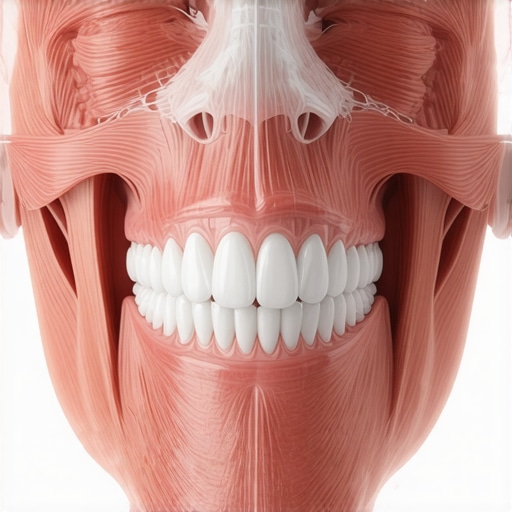
I remember the first time I sat in the dental chair for a long procedure and suddenly, my jaw started aching fiercely afterward. It was like I’d been clenching it tightly all day, even though I hadn’t. That stubborn stiffness caught me off guard—why does this happen after seemingly routine visits? I thought it was just part of the process, but it turns out, there’s more to this discomfort than I initially realized.
Unraveling the Mystery: Why Your Jaw Gets Stiff After Dental Visits
Many people experience jaw stiffness or pain following dental appointments, especially those involving extensive work like crowns, Invisalign adjustments, or deep cleanings. This isn’t just a coincidence—it’s often related to how your jaw muscles respond to the intervention. During procedures, your jaw is frequently held open for extended periods, which can stretch and overwork the muscles that aren’t used to that kind of strain. Additionally, anxiety or imperfect positioning can contribute to unnecessary tension, making your jaw feel sore and stiff afterward.
Ever Wondered if It’s Just Temporary or Something More?
Early in my career, I made the mistake of dismissing this stiffness as just side effects. However, neglecting proper jaw relaxation techniques or not informing my dentist about persistent soreness led to longer recovery times. Trust me—understanding the cause can save you from unnecessary discomfort and even prevent issues like temporomandibular joint (TMJ) problems down the line. According to research, about 15% of people experience TMD symptoms triggered or worsened by dental treatments, so awareness is key to avoiding chronic issues.
If you’ve ever left a dental office feeling like you’d just finished a strenuous workout, you’re not alone. The good news is, with some simple strategies, you can reduce that post-appointment stiffness and protect your jaw health for future visits. Next, let’s explore practical ways to prevent and alleviate this common but manageable problem.
,
Relax Your Jaw Immediately After Procedures
Think of your jaw muscles as a rubber band stretched during dental work. To prevent lingering stiffness, gently massage your jaw muscles with your fingertips, moving in circular motions for 2-3 minutes. This helps increase blood flow and eases muscle tension. When I had a deep cleaning last month, I applied gentle massage right after and noticed the soreness diminished faster than usual.
Apply Cold and Warm Treatments
Start with Cold Compression
Place a cold pack or ice wrapped in a cloth on your cheek for 15-minute intervals to reduce swelling and numb pain. I kept a bag of frozen peas handy during my last crown placement, which minimized post-procedure swelling significantly.
Follow with Warm Compress
After the first 24 hours, switch to a warm compress to relax tight muscles. Use a warm towel or heating pad on low heat for 15 minutes. This alternating approach mimics a soothing massage, decreasing stiffness and promoting healing.
Practice Gentle Jaw Opening Exercises
Engage in controlled mouth-opening movements to maintain mobility. Open your mouth slowly as if yawning, hold for 5 seconds, then close. Repeat 10 times. When I did this after Invisalign adjustments, I felt increased flexibility and less discomfort over the next few days.
Maintain Proper Posture During Dental Visits
Ensure your head and neck are well-supported to prevent unnecessary muscle strain. Sit upright and avoid slouching. If you’re anxious or prone to clenching, inform your dentist—techniques like sedation or stress management can help prevent excessive tension.
Strategically Use Over-the-Counter Pain Relievers
Consider taking ibuprofen or acetaminophen as needed, following dosage instructions. These medications reduce inflammation and provide relief, especially for extended procedures such as crown replacements or Invisalign adjustments. Always consult your dentist if pain persists beyond a few days.
Communicate with Your Dentist About Persistent Discomfort
Don’t hesitate to share your ongoing symptoms. Sometimes, improper bite alignment or poorly fitted restorations can cause muscle imbalance. For example, a misfit crown might require adjustments, which can be guided by insights from resources like this article on crowns. Addressing issues early can prevent chronic TMJ problems and ensure long-term comfort.
Incorporating these practical steps can significantly lessen jaw stiffness following dental visits. Remember, your muscles respond well to gentle care and proactive communication. Every patient’s experience is unique—adjust these techniques to what feels most effective for you, and never hesitate to seek professional advice for ongoing issues.
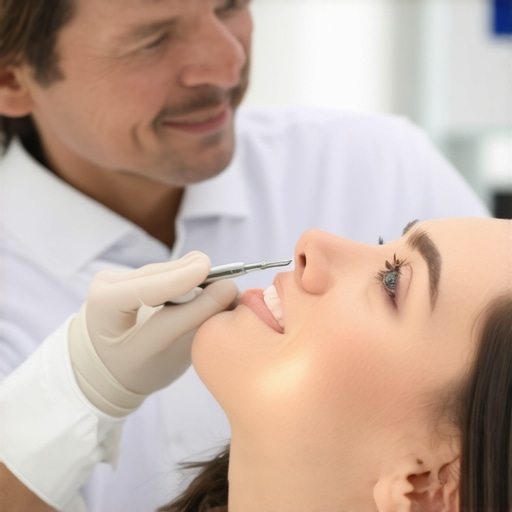 Many patients believe that choosing the most popular dental solution guarantees the best outcome, but in my experience, this isn’t always the case. For example, Invisalign is often hailed as the ultimate straightening method, yet some overlook its limitations for complex cases. While it’s true that Invisalign offers a discreet alternative to traditional braces, expecting it to correct severe bite issues without proper case selection can lead to prolonged treatment and dissatisfaction. Myths also surround crowns, with many thinking all crowns are equal. However, not all crowns are made from durable, long-lasting materials or placed by experts who understand nuances like occlusion and fit. As shown in this guide, selecting an experienced crown specialist significantly impacts your restoration’s longevity. An advanced consideration often overlooked is the significance of addressing underlying causes rather than just the symptoms. For instance, patients receiving crowns for cracked teeth may ignore ongoing bruxism, which can fracture the new restoration if not managed properly. A common trap is to treat the visible issue without exploring the underlying biomechanics. According to the American Academy of Cosmetic Dentistry, failure to identify and address parafunctional habits can cause recurrent fractures or crown failure see more about night-time discomfort. When it comes to oral health overall, people tend to focus solely on brushing and flossing but neglect the importance of comprehensive assessments that consider the health of supporting tissues and jaw alignment, which play a crucial role in the success of restorations. Advanced practitioners recommend integrating diagnostics like bite analysis and TMD screening into routine visits, preventing complications before they develop.
Are your dental restorations and health strategies truly aligned with your long-term goals?
Neglecting these nuances can lead to recurrent problems, discomfort, and even the failure of expensive treatments. Be cautious of shortcuts or assumptions—your smile’s health and your investment in it deserve careful, expert attention. Want to learn more about making informed decisions? Visit this article to understand common Invisalign myths or explore the comprehensive guide on crowns. Remember, the devil’s in the details—your diligent approach can save you from costly re-treatments and improve your smile’s lasting beauty. Have you ever fallen into this trap? Let me know in the comments.
Maintaining the results of your dental treatments, whether it’s Invisalign, crowns, or family dentistry, requires more than just regular brushing and flossing. Invest in the right tools to ensure your oral health stays optimal over time. One game-changer I personally rely on is the Soniclear Elite by Philips. This electric toothbrush uses sonic technology at 33,000 strokes per minute, effectively disrupting plaque and reaching hard-to-access areas, especially around crowns and braces. Its antimicrobial brush head and customizable modes make it ideal for sensitive areas needing gentle yet thorough cleaning. For a deeper clean, I incorporate the water flossers like Waterpik, which easily remove debris between teeth, reducing the risk of decay and gum disease without damaging delicate restorations.
How do I maintain my dental tools over time?
Proper maintenance extends the life of your devices and keeps your oral health at its best. Rinse your electric toothbrush heads thoroughly after each use, replacing them every three months or sooner if frayed. For water flossers, descaling regularly prevents mineral buildup, which can harbor bacteria. I recommend using a vinegar solution once a month for descaling, following the manufacturer’s instructions. Sterilize removable parts by soaking in a denture cleaning solution or warm soapy water to prevent bacterial growth. An often overlooked aspect is the quality of consumables — always opt for fluoride toothpaste mild enough for restorative areas but strong enough to prevent cavities and enamel erosion, aligning with what I recommend based on studies such as this expert review.
Long-term results also depend on scheduling regular check-ups with your dentist. These visits allow for professional cleanings and early detection of issues that might undermine your restorations. Think of your dental tools as extensions of your hand; taking care of them ensures they work effectively when you need them the most.
Scaling your oral health routine for growth
As your needs evolve—perhaps with new crowns, braces, or Invisalign—you’ll want to adapt your tools and techniques accordingly. For example, after receiving crowns, I recommend using interdental brushes designed for tight spaces to prevent plaque buildup around margins. Innovations like tongue scrapers are also gaining popularity—they help reduce bacteria in the mouth that can affect overall health and stain restorations. Staying informed about emerging tools, like AI-powered oral health apps that track and remind you about hygiene routines, is the future I believe will revolutionize long-term care. According to family dentistry trends, integrating technology with regular professional care optimizes outcomes.
Start implementing one advanced tip today—try replacing your standard toothbrush head with a sonic one and see how much fresher your mouth feels after just a week. Remember, consistent care with the right tools isn’t just about maintaining your current smile; it’s about enhancing it for years to come.
3 Surprising Truths That Changed My Approach to Dental Health
- Not all solutions fit every smile: I used to think that popular treatments like Invisalign or crowns worked perfectly for everyone. Real experience taught me that understanding your unique anatomy and needs is crucial—what’s ideal for one person might not suit another.
- Underlying habits matter more than surface fixes: Addressing only the visible issue, like a cracked tooth or misaligned bite, without considering habits like bruxism or clenching can lead to recurring problems. Preventive measures and patient education made a huge difference in outcomes.
- Even expert care requires patient involvement: Trusting your dentist is essential, but being proactive—asking questions, reporting discomfort, and following aftercare advice—cements long-term success and prevents minor issues from escalating.
Tools That Elevate My Dental Routine and Why I Swear By Them
- Sonicare DiamondClean Smart toothbrush: Its deep-cleaning power and intelligent features help maintain restorations and prevent plaque buildup, especially around crowns and implants.
- Waterpik Water Flosser: For interdental cleaning and avoiding debris accumulation between restorations, I find this device indispensable—it’s gentle yet thorough.
- Dental mirror with LED light: Spotting issues early during daily checks keeps small problems from turning into costly repairs.
- Probiotic mouthwash: Supporting a balanced oral microbiome helps reduce inflammation and supports overall oral health, benefiting even the most complex restorations.
Take Charge of Your Smile Today and Embrace Your Power
Understanding the nuances of dental restorations and jaw health isn’t just for professionals—it’s empowering for everyone committed to their oral well-being. With targeted care and a curious mindset, you can significantly improve your comfort, longevity of treatments, and confidence. Your journey toward a healthier, happier smile begins now—start small, stay consistent, and celebrate each milestone along the way.
What is the one dental habit you’re ready to change to protect your smile for the long term? Share below—I’d love to hear your story!