
Why your teeth look yellow even though you use whitening strips
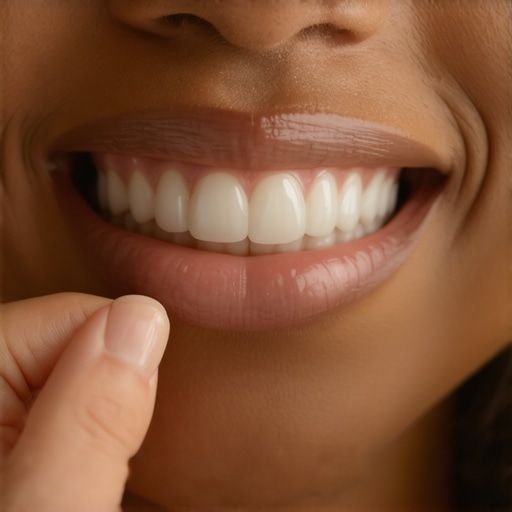
I remember the morning I stared into the mirror, frustrated. I had been faithfully using those popular whitening strips for weeks, expecting a radiant, Hollywood smile. But instead, my teeth looked the same—maybe even duller. That lightbulb moment hit me hard: why isn’t my whitening routine working? Chances are, you’re in the same boat, feeling disappointed after seemingly no results. If you’ve ever wondered why your teeth remain stubbornly yellow despite diligent use of whitening strips, you’re not alone. This blog post will explore the common reasons behind this frustrating problem and how to genuinely brighten your smile without endless trial and error.
Unmasking the Reasons Your Teeth Stay Yellow
First, let’s talk about why those strips might not be delivering on their promises. Many assume that these over-the-counter products are a quick fix, but the reality is a bit more complex. Factors like surface stains, the inner color of your teeth, and actual enamel health play significant roles. It’s like trying to bleach a coffee stain on a wall without cleaning the wall first—you’re missing a vital step. Plus, if you have intrinsic discoloration or other dental issues, whitening strips might not be enough. Sometimes, the problem isn’t your routine but what’s beneath the surface.
Is whitening really worth the hype?
Initially, I thought that simply slathering on whitening strips was the magic solution. I made the mistake of overlooking the importance of consulting with a dental professional. Trust me, that was a rookie error. Early on, I didn’t realize that using the wrong product or overusing strips could damage my enamel or lead to sensitivity. For personalized advice, many find that professional treatments or at-home options recommended by your dentist, like veneers or crowns, could be more effective. Curious? Check out how crowns and veneers can transform your smile for the long term over at this guide.
Let’s dive deeper into what you really need to know to achieve a whiter, healthier smile—beyond just the hype of whitening strips.
Prep Your Teeth for Whitening Success
Begin with a professional cleaning to remove plaque and surface stains. I once booked a cleaning before trying at-home whitening—I noticed my results improved significantly because the whitening products could target the underlying enamel more effectively. Use a soft-bristled toothbrush and gentle floss to clear debris that can hinder whitening. Think of this as preparing a canvas before painting—clean surface yields better results.
Choose the Right Whitening Method
Assess whether over-the-counter strips are sufficient or if professional whitening from your dentist is necessary. If the stains are stubborn or intrinsic, options like custom trays or in-office treatments might be more effective. I once attempted store-bought whitening strips, but after consulting my dentist, I learned that customized trays would target my specific stains better. Check out these guides for professional options.
Enhance Enamel Health for Lasting Brightness
Use Enamel-Strengthening Products
Implement remineralizing toothpaste with fluoride or calcium to strengthen enamel, making teeth less porous and more receptive to whitening. I noticed my teeth became less sensitive after switching to desensitizing toothpaste combined with fluoride rinse. Think of enamel like a protective armor—keeping it strong boosts longevity of whitening effects.
Limit Stain-Causing Foods and Drinks
Reduce intake of coffee, red wine, or dark berries during your whitening cycle. After I cut back on coffee and used a straw for dark drinks, I saw subtle improvements over weeks, demonstrating the importance of dietary adjustments.
Maintain Results with Oral Hygiene
Consistent brushing twice daily and flossing prevent new stains. Incorporate whitening toothpaste if recommended. I set a reminder to brush after meals; this tiny habit kept my smile brighter longer. Remember, oral health is foundational—regular visits to your family dentist help reinforce your efforts.
Regular Professional Monitoring
Schedule checkups every six months to evaluate the whitening’s progress and address any issues such as sensitivity or new stains. I once thought I could just do it alone, but periodic professional advice kept my teeth healthy and bright without damage.
Address Specific Challenges
If intrinsic discoloration persists, discuss options like veneers or crowns with your dentist. These procedures are akin to giving your teeth a fresh, cosmetic facelift—providing a long-lasting smile transformation. Consider crowned teeth for especially stubborn cases.
By applying these concrete steps, you turn your whitening routine into a comprehensive plan that promotes not just whiter teeth, but healthier ones too. Remember, consistent care and professional guidance are key to lasting results.
Reconsidering the Gold Standard: Why Most Beliefs About Family Dental Care Are Misleading
Many assume that visiting the dentist regularly automatically guarantees optimal oral health. However, this oversimplification overlooks critical nuances. For instance, the popular belief that all dental crowns are interchangeable isa misconception. In reality, choosing the type of crown—be it porcelain, metal, or zirconia—requires understanding their unique properties and suitability for different cases. According to experts, improperly selected crowns can lead to complications like chipping or interference with bite functionality. For in-depth insights, check out this guide on crown selection.
Invisible Dangers: Are Invisalign Trays Truly Risk-Free?
Many believe Invisalign is a completely safe alternative to braces, but this narrative ignores some overlooked issues. For example, improper wear or cleaning of aligners can create breeding grounds for bacteria, potentially leading to cavities or gum inflammation. Additionally, the misconception that Invisalign can fix all alignment issues might cause patients to delay necessary traditional orthodontic treatments. Recent studies highlight that without professional oversight, reliance solely on Invisalign can result in suboptimal results or even complications, as documented by orthodontic research in this article. Have you ever fallen into this trap? Let me know in the comments.
Secrets Your Dentist Might Not Tell You About Oral Hygiene
Contrary to common advice, brushing twice daily isn’t always enough. Recent advances emphasize the importance of adjuncts like antimicrobial rinses and customized flossing techniques to target specific issues like plaque buildup near crowns or bridges. Moreover, overzealous brushing can wear down enamel or cause gum recession—especially around restorations—that many overlook. For example, some practices use high-tech tools to monitor oral health more comprehensively. Discover innovative techniques in this detailed article. Are you practicing all the right habits? Share your routines below.
Maintaining your dental improvements over time requires the right equipment, consistent care, and a proactive approach. One of my top recommendations is investing in a high-quality electric toothbrush, such as the Philips Sonicare DiamondClean. I personally use this model not only for its superior plaque removal but also for its built-in timers that ensure I brush long enough in each quadrant, promoting comprehensive cleaning. Its sonic technology actively dislodges debris deep within gum pockets, which manual brushes often miss, making it a vital tool in my long-term oral health regimen.
How do I maintain my orthodontic appliances like Invisalign over time?
Keeping Invisalign trays effective and odor-free involves more than just regular brushing. I wear biodegradable cleaning crystals designed specifically for aligners—these help eliminate bacteria and prevent staining without risking damage to the material. Additionally, I always store trays in a sterilized case when not in use, which minimizes cross-contamination. According to recent research, proper cleaning routines for aligners are essential to prevent oral infections, with expert advice emphasizing these practices.
Regarding crowns and veneers, I recommend regular checkups with your dentist every six months, especially focusing on any signs of wear or minor chipping. Modern digital scanning tools allow for precise monitoring of the restoration’s integrity, making maintenance more straightforward. Exploring options like zirconia crowns, which offer durability and aesthetic appeal, can significantly enhance your long-term results. For in-depth information, take a look at this guide.
Scaling your dental routine for bigger results
To ensure your oral health investments stand the test of time, consider incorporating an antimicrobial rinse into your daily routine. I’ve found chlorhexidine-based rinses particularly effective for controlling bacterial buildup around restorations and gums, especially during times when I notice minor inflammation. Moreover, staying vigilant about dietary habits—limiting sugary or acidic foods—can prevent accelerated wear and discoloration, saving you money and discomfort in the long run. As the trend towards holistic longevity continues, integrating advanced tools like digital plaque scanners is likely to become the norm, enabling real-time monitoring of your oral health status.
Don’t wait until problems arise—start applying these maintenance strategies today. Try using an ultrasonic cleaner for your retainers once a month; this simple step can drastically improve hygiene and prolong the life of your appliances. Modern dental care isn’t just about immediate results but fostering a sustainable system that keeps your smile healthy and radiant for years to come. Remember, consistent use and professional oversight are your best allies in maintaining beautiful, functional teeth. To explore more about the latest in family dentistry tech, visit this article.
My Biggest Wake-Up Call About Smile Makeovers
One of the most eye-opening lessons I learned was that not all whitening methods suit everyone. After trying multiple over-the-counter options, I realized that persistent intrinsic stains and enamel health played a bigger role than I initially thought. Personal experience taught me that professional consultation is crucial before jumping into treatments, saving me time, money, and discomfort. This insight reshaped my approach and can do the same for you—understanding your unique dental needs makes all the difference.
Essential Tools That Transformed My Dental Routine
Investing in quality tools like a sonic electric toothbrush and a digital plaque scanner has been a game-changer. These devices not only enhance cleaning efficiency but also provide real-time feedback on oral health, enabling proactive care. Trusted resources like this article offer deeper insights into integrating modern tech into your routine—trust me, embracing innovation keeps your smile resilient and radiant.
Taking Action: A Personal Promise to My Smile
My journey reinforced that consistency and professional guidance are the keys to lasting oral health. Regular checkups, tailored treatments, and enhanced hygiene habits have restored my confidence. I encourage you to start small—perhaps with a professional cleaning or trying out a new flossing technique—and build from there. Remember, your smile is a lifelong asset; nurture it with knowledge, care, and a proactive mindset. Your turn—what’s one dental habit you’re ready to improve? Share below, and let’s support each other in achieving brighter, healthier smiles.