
Why Your Gums Bleed Only When You Use an Interdental Brush
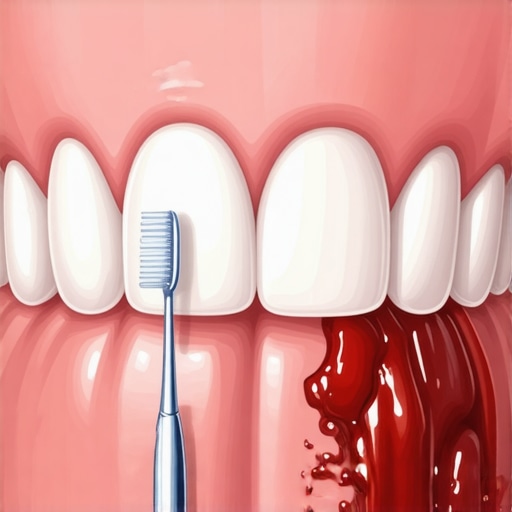
Have you ever found yourself in the bathroom, eyes watering as you gently slide an interdental brush between your teeth, only to be met with unexpected bleeding? I vividly remember the first time I experienced this—thinking I must have done something wrong or that my gums were simply too sensitive. That lightbulb moment was eye-opening and, honestly, a bit concerning. It made me question whether I was doing more harm than good each time I reached for that tiny tool meant to improve my oral health.
The Mystery Behind Bleeding Gums Only When Using Interdental Brushes
Here’s the thing—bleeding gums during interdental cleaning isn’t uncommon, especially if you’re new to it or if your gums are already compromised. And trust me, I learned this the hard way. I used to think that bleeding was a sign to stop immediately, assuming I was causing damage. But after some research and consulting with my family dentist, I realized that this bleeding often signals underlying issues—like early gum disease or improper technique—not necessarily a problem with the brush itself. In fact, using an interdental brush can be a game-changer for oral health if done right. I want to share what I’ve discovered so you don’t have to go through the same confusion and worry.
Is Bleeding During Interdental Cleaning Actually Dangerous?
Early on, making a crucial mistake, I ignored the bleeding, thinking it would pass on its own. Turns out, that might have been counterproductive. Bleeding gums can be a sign that your gums are inflamed or infected—it’s like your body’s way of signaling trouble. The good news? Proper technique, gentle pressure, and regular care can make a huge difference. One research study even suggests that gentle interdental cleaning can reduce gingivitis and prevent the progression of periodontal disease (source). So, don’t dismiss the bleeding as normal—view it as a prompt to reevaluate your approach. Over the years, I’ve learned that the key is patience and learning the right method, which I’ll guide you through.
If you’ve faced this problem, you’re not alone. Many people experience bleeding when they first start incorporating interdental brushes into their routine. The important part is understanding why it happens and how to address it effectively. Keep reading, because in the next sections, I’ll show you step-by-step how to prevent bleeding and keep your gums healthy without fear or confusion. And remember, a healthier smile starts with knowing your mouth better.
Perfect Your Technique with Gentle, Controlled Movements
One common mistake is pressing too hard or moving the interdental brush aggressively. I recall a time I tried to clean a tight space quickly, only to end up bleeding. Instead, gently insert the brush at a 45-degree angle and use a back-and-forth motion, like polishing a delicate surface. This minimizes gum trauma and helps acclimate your gums to the cleaning process. Remember, patience beats force—your goal is to clean without irritating your tissues.
Choose the Right Brush Size and Shape
Using a brush that is too large or too small can cause damage or ineffective cleaning. I initially used an oversized brush, which scratched my gums, leading to bleeding. After consulting top oral health tips, I realized that selecting the proper diameter—usually smaller than the width of the interdental space—is crucial. Test different sizes until you find one that fits snugly without forcing or discomfort. This ensures thorough cleaning while protecting your gums from unnecessary trauma.
Practice the Correct Insertion Technique
Imagine trying to slip a key into a lock—if you force it, it might bend or break. Likewise, gently slide the brush into the interdental space without forcing. When I first learned this, I would twist or push hard, which caused bleeding and discomfort. Now, I slowly insert the brush at the gum line, ensuring it fits naturally. This approach prevents tissue injury and promotes healthy gum response over time.
Maintain Consistent, Gentle Pressure
Applying too much pressure is a surefire way to trigger bleeding. I used to press down like I was scrubbing a pan, but that only irritated my gums. Instead, focus on a light touch—think of brushing a baby’s soft cheek. By relaxing your grip and using gentle firmness, you reduce the risk of trauma. Regular, gentle cleaning is more effective and promotes healing, especially if your gums are already sensitive or inflamed.
Incorporate Routine and Patience
When I started, I found that forcing my gums to adapt too quickly caused more bleeding. The key is consistency—practice daily, gradually increasing your comfort level. Over time, your gums strengthen and become less prone to bleeding. Remember, this isn’t a race—think of it like building muscle; steady progress yields sustainable results. Stick with the routine, and your mouth will thank you.
Spotlight on Post-Cleaning Care
After cleaning, rinsing your mouth with a mild saltwater solution can soothe irritated tissues. I experienced minor bleeding during initial sessions, but rinsing helped reduce inflammation. Avoid harsh mouthwashes with strong alcohol content, which can dry and irritate gums further. Proper aftercare supports healing and reinforces your technique, making bleeding less likely over time.
Implementing these steps has transformed my interdental cleaning experience. Instead of fear or discomfort, I now see it as a beneficial part of maintaining healthy gums. Remember, mastering this technique takes patience and practice, but the payoff—a bright, healthy smile—is well worth the effort.
Many people assume that brushing more vigorously results in cleaner teeth and healthier gums, but in reality, aggressive brushing can lead to gum recession and increased sensitivity. A common myth is that Invisalign compromises oral health because it traps bacteria; however, proper hygiene around aligners actually promotes better periodontal health when correctly managed. An often-overlooked nuance is the importance of customizing treatment plans—what works for one patient might not suit another, especially concerning crowns and restorative procedures. For example, choosing the wrong crown material or size without considering occlusion can cause bite issues or premature wear (check here for comprehensive guidance). One trap to avoid is neglecting routine dental visits under the misconception that modern procedures eliminate the need for regular checkups; even technological advances can’t replace the importance of professional oversight. Advanced cases require tailored solutions, not a one-size-fits-all approach, which is why consultation with an experienced dentist is crucial. Interestingly, some believe that family dentistry merely handles children’s teeth, but in fact, it encompasses holistic care for all ages, emphasizing preventative strategies that benefit entire households (learn more here). So, when considering treatments like crowns or Invisalign, look beyond surface benefits—understand the nuances and pitfalls that can affect long-term success. Have you ever fallen into this trap? Let me know in the comments.
Choosing the Right Tools for Long-Term Success
Maintaining your oral health isn’t just about daily habits; the tools you select play a pivotal role in ensuring lasting results. I personally recommend investing in a high-quality electric toothbrush, like the Philips Sonicare DiamondClean. Its sonic technology delivers up to 62,000 brush strokes per minute, which effectively disrupts plaque without the need for heavy brushing, reducing gum irritation and bleeding. Additionally, I use interdental brushes with a smaller diameter, such as TePe soft-tip variants, which I find significantly more comfortable and gentle on sensitive gums compared to traditional floss. These brushes are perfect for cleaning tight spaces, especially after crown placement or Invisalign treatment, where precision matters.
Smart Software and Apps Make a Difference
Beyond physical tools, digital technology enhances consistent care. I use the Brush DJ app which timers my brushing sessions and prompts me to switch areas, ensuring comprehensive coverage. The app’s gentle reminders keep me on track, especially when busy schedules tempt us to cut corners. In my opinion, integrating such technology not only sustains motivation but also provides valuable feedback on technique, ensuring you get the most out of your routine.
Regular Maintenance and Equipment Longevity
Maintaining your tools is as vital as using them correctly. I recommend replacing your electric toothbrush head every three months—using a worn brush diminishes cleaning efficacy and could irritate your gums. Disinfect interdental brushes periodically by soaking them in a mixture of water and hydrogen peroxide, which I do weekly, to prevent bacterial buildup. Keep your aligners or crowns clean with specific cleaning agents—like Retainer Brite—designed for dental appliances. Proper maintenance extends the life of your tools and ensures they continue to perform at their peak, reducing the risk of issues such as bleeding or improper cleaning.
Scaling with Advanced Treatments
As your oral health progresses, you might consider professional tools like laser periodontal therapy, which targets bacteria deep within gums with minimal discomfort. These treatments complement your daily efforts, promoting healing and healthy tissue over time. I foresee a future where smart oral care devices embedded with sensors can monitor plaque levels in real-time, providing personalized feedback via smartphone—making maintenance even more proactive and precise.
How do I maintain my tools over time?
To keep your tools working effectively, establish a routine of regular inspection, cleaning, and timely replacement. For example, check electric toothbrush heads weekly for signs of wear and replace them every three months. Disinfect interdental brushes regularly to prevent bacteria buildup, and store all equipment in a dry, sanitary place. Following manufacturer guidelines and incorporating routine professional cleanings ensures your tools serve you well over the long term. This kind of diligent maintenance maximizes the benefits of your oral care regimen, especially when combined with the latest innovations like invisalign advancements or crown longevity strategies. For comprehensive guidance on crowns, check out this detailed resource. Start practicing these habits today—your future self will thank you for it.
Reflecting on my journey through dental health, I realize that some of the most profound lessons came not from textbooks, but from real-world experiences and honest setbacks. These insights unveil a side of oral care often overlooked but crucial for lasting results, especially within family dentistry and restorative procedures.
What I Wish I Knew When I Started Healing My Gums
The first time I saw blood during interdental cleaning, my instinct was to stop immediately. It took a series of trial and error, along with expert advice, to understand that bleeding can signal early gum disease that needs gentle attention—not fear. Discovering this was a pivotal lightbulb moment in my oral health routine, emphasizing patience and proper technique over force.
Another lesson was the importance of tailored tools. Using the wrong size or shape of interdental brushes or crowns can inadvertently cause damage or discomfort. Learning to select the right tools for my unique mouth reminded me that personalized care is key—something I now recommend heavily, especially for families managing diverse dental needs.
Practices That Transformed My Approach to Dental Wellness
Incorporating regular professional checkups alongside diligent home care created a synergy I hadn’t appreciated before. Procedures like laser therapy or crown placement work best when integrated into a comprehensive plan that considers individual habits and risks. Staying informed through trusted sources like top oral health tips has helped me stay ahead of potential issues, reinforcing the idea that active involvement is essential for long-term success.
Understanding that family dentistry isn’t just for kids changed my perception entirely. It’s a holistic approach suitable for all ages, emphasizing prevention and education. This perspective transformed how I view my own oral health, realizing that consistent habits protect loved ones too, fostering a healthier, happier household.
Beyond the Routine: Innovative Tools and Habits
Adopting smarter tools, like electric toothbrushes and app-guided timers, elevated my cleaning routine. Complementing these with high-quality interdental brushes, I found a recipe for success that minimizes bleeding and maximizes comfort. Maintenance of these tools, like replacing or disinfecting regularly, ensures ongoing effectiveness—something I now prioritize as part of my family’s health regimen.
Embracing these lessons has reaffirmed my belief that achieving optimal oral health is a dynamic, personalized journey. It’s not about perfection but consistent progress, patience, and embracing new knowledge as technology and research evolve. This approach has empowered me to face dental care confidently, knowing that each small step contributes to a lifetime of smiles.
What I Learned in the Shadows of Self-Doubt
- Malpractice with aggressive brushing often leads to more harm than good—gentle, mindful movements are the real heroes.
- The myth that Invisalign traps bacteria is just that—a myth; proper hygiene around aligners is vital for health, not a reason to avoid treatment.
The Tools That Changed My Family’s Smile Game
- Philips Sonicare DiamondClean—trustworthy for effective, gentle cleaning, reducing bleeding and discomfort.
- Invisalign technology updates—for discreet, effective orthodontics aligned with my family’s busy life.
- Retainer Brite—keeping aligners and crowns sanitized, prolonging their integrity and performance.
- The comprehensive crown guide—for understanding when and how crowns can be a game-changer for restorative confidence.
Believe in Your Power to Reclaim Your Smile
Every step you take towards healthier gums, brighter teeth, and confident family smiles is an investment in your future. Embrace the lessons learned, try new trusted tools, and remember that progress often begins with patience and curiosity. Your journey in oral health and family dentistry is uniquely yours—make it one filled with hope, action, and the joy of seeing everyone smile with pride.