
Why Your Invisalign Trays Stay Cloudy No Matter How Much You Scrub
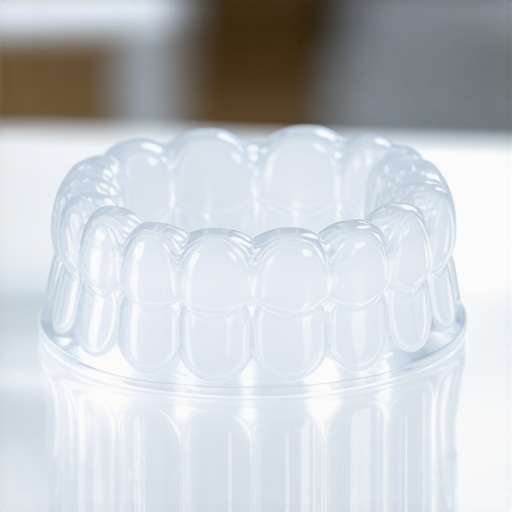
I remember the first time I stared at my reflection, puzzled by that stubborn fog clouding my Invisalign trays. No matter how vigorously I scrubbed or how many cleaning solutions I tried, the cloudiness refused to budge. It was like an unbreakable film, turning my once-clear aligners into foggy masks I dreaded wearing. That moment was a lightbulb for me—something wasn’t right, and I knew I wasn’t alone in this struggle.
Unlocking the Mystery of Cloudy Invisalign Trays
Many Invisalign wearers face this perplexing issue. You invest in treatment, follow instructions diligently, yet still find your trays clouding up faster than you can keep them sparkling. It’s frustrating, especially when you’ve dedicated time and effort to maintaining your oral health and appearance.
But here’s the thing: the culprit isn’t just negligence or poor cleaning habits. Sometimes, it’s a combination of factors, including your cleaning routine, the materials used in your trays, and even your lifestyle choices. Interestingly, a study by the American Dental Association highlights that improper cleaning methods can contribute to bacterial buildup, leading to cloudy, stained, or discolored aligners—an issue that’s more common than you might think.
So, what are we missing? How can you achieve that crystal-clear look again? In the sections ahead, I’ll guide you through practical, experience-based solutions to banish cloudiness and keep your Invisalign trays looking pristine. If this has been a battle you’re familiar with, stay tuned—you’re about to discover straightforward ways to reclaim clarity.
Ready to dive into the details? Let’s get started on understanding why your trays cloud up and what you can do about it.
Master the Art of Proper Cleaning Techniques
First, always rinse your aligners with lukewarm water immediately after removal; this prevents plaque from hardening. Use a soft-bristled toothbrush dedicated solely to your trays—never use your regular toothbrush—to gently scrub all surfaces. When cleaning, think of your aligners like a delicate piece of jewelry—gentle handling preserves clarity. I once accidentally used a stiff brush, which scratched the surface and worsened cloudiness, but a gentle scrub with a dedicated brush improved the transparency in days.
Choose the Right Cleaning Solutions
Over-the-counter denture cleaners are effective, but avoid harsh chemicals like bleach or alcohol-based rinses, which can degrade the material. Instead, opt for specific Invisalign cleaning crystals or a mixture of hydrogen peroxide and water—one part peroxide to three parts water—soak trays for 15 minutes. I remember soaking my trays in a peroxide solution, which dissolved the foggy film successfully, restoring their clarity without damage. Regular, proper soaking minimizes bacterial buildup that causes cloudiness.
Implement Consistent Maintenance Routines
Set a daily schedule: rinse right after removal, brush gently, and soak overnight. Consistency prevents buildup that leads to clouding. Just like caring for a prized family heirloom, routine maintenance prolongs the clarity and lifespan of your aligners. I found that after sticking to a routine, my trays stayed crystal clear, making me more confident during my meetings.
Manage Lifestyle Factors Affecting Clarity
Limit foods and drinks that cause staining, such as coffee, tea, or red wine. Drinking beverage through a straw reduces direct contact. Avoid smoking, which can stain both teeth and aligners, turning them yellowish and cloudy. I once tried drinking coffee without a straw, which led to noticeable clouding; switching to a straw kept my trays looking fresh longer. Hygiene improvements complement cleaning routines and maintain transparency.
Address Persistent Cloudiness Promptly
If cloudiness persists despite good practices, consult your dental professional. They may recommend professional cleaning or examine your trays for damage. Remember, untreated bacterial buildup can lead to discoloration that’s harder to reverse. As with any dental concern, early action saves time and preserves your smile’s beauty, and visiting your dentist regularly helps catch issues early. For a deeper understanding of how Invisalign improves family dental care, explore this guide.
Many individuals assume that dental treatments like crowns and Invisalign are straightforward, but misjudgments and misconceptions can undermine their effectiveness. One common myth is that all dental crowns are alike, leading many to opt for cheaper options without understanding the nuances that affect durability and health outcomes. In reality, the choice of material—whether porcelain, ceramic, or metal—can significantly impact longevity and compatibility with your natural tissue, as detailed in this comprehensive guide. A subtle yet crucial mistake is neglecting the importance of precise fitting; even minor discrepancies can cause bite issues or plaque accumulation, increasing risks of decay and gum disease.
Are Invisalign attachments necessary or just a marketing gimmick?
Many believe attachments are optional, but they actually serve a vital role in achieving complex movements, especially for rotations and vertical adjustments. Removing these prematurely or skipping routine check-ups to avoid extra visits can lead to compromised results. An advanced mistake revolves around improper cleaning of aligners, which often results in clouding and bacterial buildup, affecting both oral health and appliance performance. As highlighted in this article, understanding proper hygiene practices is essential for maintaining clarity and hygiene.
Some assume that Invisalign is just a cosmetic fix, but its ability to correct bite issues can prevent jaw pain, tooth wear, and TMJ disorders, which are often overlooked. Moreover, many underestimate the importance of the family dentist’s role; regular checkups and personalized advice help prevent complications that could jeopardize long-term health. For example, untreated misalignments or crown misfits can escalate into more invasive procedures, emphasizing that prevention and early intervention are key strategies.
To optimize your dental health journey, it’s essential to collaborate with experienced professionals who understand these subtle but impactful nuances. Do you have experience with overlooked details in dental care? Share your story in the comments or visit us for personalized advice. For deeper insights into how crowns and Invisalign can transform your oral health, explore this resource. Remember, understanding what many overlook can save you time, money, and discomfort in the long run.Maintaining the integrity of dental restorations, Invisalign, and overall oral health demands more than just routine brushing. Investing in the right tools ensures longevity and optimal results. For example, I personally swear by the Sonicare DiamondClean Smart electric toothbrush because its multiple cleaning modes and pressure sensors help prevent gum recession while effectively removing plaque, especially around crowns and bridges. Its app integration offers real-time feedback, making it easier to stick with proper technique. Additionally, I recommend using a water flosser like the Waterpik Aquarius, which simplifies interdental cleaning, particularly for those with dental appliances, reducing plaque buildup that can cause clouding or staining. These tools address common hazards like bacterial accumulation, which can compromise both crowns and Invisalign trays. As the trend moves toward smarter, more proactive oral care, integrating such devices with professional guidance can significantly improve long-term outcomes. To stay ahead, I suggest experimenting with these advanced tools and observing how they enhance your routine; doing so could be the key to healthier, more durable dental work. Curious about how to integrate these into your daily routine? Reach out through our contact page for personalized advice.
What I Wish I Knew When I Started Invisalign
One of the most eye-opening lessons was realizing that consistent, gentle cleaning is critical—more than just brushing, it’s about dedicating time to proper soakings and avoiding harsh chemicals. I once thought rinsing was enough, but professional-grade solutions made a real difference. Over-cleaning or using the wrong products can harm your trays and obscure their clarity, a mistake I paid for with days of foggy aligners. Additionally, I learned that lifestyle habits—the foods I chose to indulge in and how often I drank coffee—directly impacted the transparency of my Invisalign trays. Making mindful choices kept my aligners clearer longer, boosting my confidence.
Tools That Transformed My Dental Routine
After experimenting, I discovered that investing in a dedicated soft-bristled toothbrush and a water flosser significantly improved my oral health. The Sonicare DiamondClean Smart toothbrush helped me maintain plaque-free crowns and prevent staining, while the Waterpik made interdental cleaning effortless, reducing bacterial buildup around my aligners and crowns. These tools not only kept my teeth healthy but also preserved the clarity of my Invisalign trays, proving that smart investments pay off in long-term results.
Keep Moving Forward, Your Bright Smile Awaits
Remember, taking control of your oral health journey is empowering. By understanding the nuances that many overlook—like proper cleaning routines, lifestyle impacts, and advanced tools—you can ensure your Invisalign experience is both effective and satisfying. Your commitment today sets the stage for a healthier, more confident smile tomorrow. Don’t hesitate to seek personalized advice; check out this guide to further your understanding of how Invisalign can truly transform your family’s dental health. Your next step might be simpler than you think—start implementing these lessons and watch your smile shine brighter.