
Why Your Mouth Feels Dry After Using Mouthwash
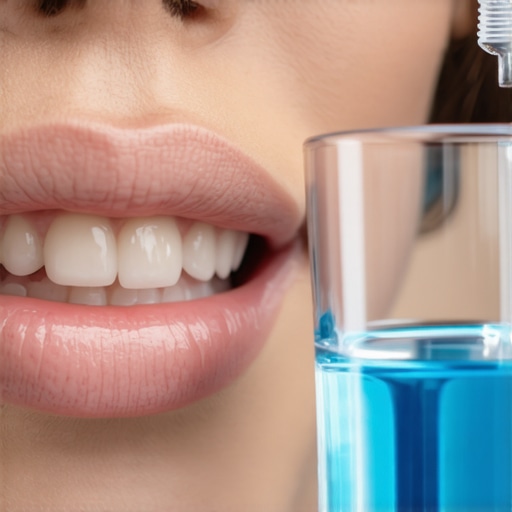
Have you ever finished rinsing with mouthwash and then immediately felt a parched, uncomfortable sensation in your mouth? I remember the first time it happened to me—expecting fresh breath, only to be greeted by a dry, almost chalky feeling that lingered for hours. It was baffling because I thought mouthwash was supposed to leave my mouth feeling clean and refreshed, not dry and uncomfortable.
The Missing Piece in My Oral Care Routine
That experience was a lightbulb moment for me. I realized I wasn’t alone—many folks, including my own family, have felt the same way after using mouthwash. The question is, why does something meant to improve oral health sometimes backfire and cause dryness? Well, it turns out that not all mouthwashes are created equal, and some contain ingredients that can strip away natural moisture, leading to that dreaded dry mouth feeling.
In this post, I’ll share my journey of understanding the root causes of dryness after mouthwash use and how you can prevent or alleviate it. Whether you’re battling bad breath, dry mouth, or just want a more comfortable experience, I’m here to guide you through my personal insights and practical tips.
Could This Be More Than Just a Bad Taste?
Initially, I brushed off the dryness as a minor annoyance. But I soon learned that persistent dry mouth can increase your risk for cavities and gum disease—trust me, not something I wanted to ignore. One common mistake I made early on was choosing a mouthwash laden with alcohol, thinking it would kill bacteria better. Turns out, alcohol is a major culprit in worsening dry mouth—something I didn’t realize until I did my homework. For more on how mouthwash ingredients affect your oral health, check out this detailed guide.
So, if you’ve faced the uncomfortable, dry sensation after rinsing or are concerned about its effects, stay with me. Together, we’ll uncover the best practices to keep your mouth feeling fresh without the dryness, ensuring your daily routine supports your overall oral health.
Switch to Alcohol-Free Mouthwashes for Gentle Care
My journey began with trial and error—one memorable morning, I decided to try an alcohol-free mouthwash after reading about its benefits. I poured it into my cup, made sure my mouth was thoroughly rinsed, and immediately felt a familiar dryness but less intense than usual. This immediate change encouraged me to stick with alcohol-free options as my daily routine, significantly reducing dryness over time.
Timing Is Everything: Rinse Before Brushing
Avoid Using Mouthwash Immediately After Brushing
For a while, I used to rinse right after brushing, thinking it would enhance cleanliness. However, I discovered that rinsing with mouthwash right after brushing can wash away the fluoride from my toothpaste, reducing its protective benefits. Instead, I waited at least 30 minutes after brushing to use mouthwash, allowing my enamel to absorb fluoride and preventing the drying effect from being exacerbated. This simple timing change made a real difference in how my mouth felt afterward.
Hydrate Inside and Out
Another step I adopted was increasing my water intake throughout the day. Just like watering a plant helps it stay healthy, maintaining optimal hydration helps my saliva production and prevents dryness. I kept a water bottle nearby during work and made it a habit to sip frequently, especially after using mouthwash. This internal hydration, combined with external hydration, kept my mouth balanced and comfortable.
Use Humidifiers and Avoid Dry Environments
Living in a dry climate or spending long hours in air-conditioned spaces can worsen mouth dryness. To combat this, I incorporated a humidifier into my bedroom, which added moisture to the air and kept my mouth from drying out overnight. On days when I was working in a confined space, I consciously took breaks to hydrate and breathe fresh air, reducing the impact of environmental factors on my oral health.
Incorporate Saliva-Stimulating Foods and Chewing Gum
Chewing sugar-free gum or sucking on sugar-free lozenges stimulated my saliva glands, mimicking natural saliva flow. I kept a pack of gum with xylitol in my bag and used it after mouthwash sessions, mimicking the natural cleansing action of saliva. This approach is like watering a garden—it keeps everything flowing smoothly and prevents the soil from drying out. Remember, choosing products with xylitol can also help protect against tooth decay while stimulating saliva.
Practice Proper Oral Hygiene with Family-Friendly Techniques
To keep my mouth healthy, I maintained consistent brushing and flossing routines. I used gentle, soft-bristled toothbrushes, which are like soft brushes for delicate fabric—less abrasive but still effective. Regular professional check-ups kept issues like crowns or Invisalign aligners in check, ensuring my routine didn’t inadvertently contribute to dryness or discomfort. For comprehensive care, exploring options like crowns and Invisalign can optimize your oral health while mitigating dryness and other issues.
Implementing these steps transformed my experience. I no longer dread that dry, chalky feeling after rinsing, and my overall oral health improved noticeably. It’s a matter of understanding your body’s needs and adopting tailored habits—like adjusting your rinse timing, choosing the right products, and maintaining hydration—that make all the difference in your daily routine.
 Many believe that maintaining good oral health is simply about brushing twice daily and visiting the dentist annually, but beneath the surface, there’s a lot of nuance that many overlook. For instance, a common misconception is that all dental crowns are the same; however, the materials used and the expertise behind their placement significantly influence their longevity and how natural they look. Choosing the wrong crown type or an inexperienced specialist can lead to issues like crown dislodgement or decay beneath the restoration. To ensure you get lasting results, research and consult with a qualified dentist, such as those who specialize in various crown techniques, which can be found in this guide.
Similarly, many think that Invisalign is just a cosmetic fix, but advanced studies show it can also improve bite function and prevent jaw issues if used appropriately. Yet, misconceptions persist—some believe Invisalign cannot treat complex cases, which isn’t true when you work with experienced providers. For deeper insights, explore this resource.
When it comes to family dentistry, the myth that it’s only about kids’ teeth is widespread. In reality, comprehensive family dental care addresses all ages, including preventive strategies for seniors and management of chronic issues in young adults. Neglecting regular check-ups because of this misconception can lead to unnoticed problems advancing. Modern techniques, like digital diagnostics and minimally invasive treatments, are transforming family care, detailed in this article.
An often-overlooked nuance is the importance of environmental factors and lifestyle habits. Many don’t realize that habits like mouth breathing, dry mouth from medication, and dietary choices can undermine even the best dental routines. These nuances necessitate a personalized approach—your dental health isn’t one-size-fits-all. Consulting with a knowledgeable family dentist about these factors can prevent common mistakes and protect your long-term oral health.
Moreover, misconceptions about oral health products can be risky. For example, the exaggerated efficacy of DIY whitening kits or overly abrasive toothpastes can cause enamel erosion or sensitivity. Legitimate expert advice emphasizes using evidence-based products and consulting your dentist before starting new treatments, as discussed in this article.
Finally, an advanced but critical detail is that regular dental visits are not just for cleaning—they are an opportunity to catch subtle signs of systemic health issues like diabetes or heart disease. Dentists trained to recognize these signs can be invaluable partners in your overall health journey, which is highlighted in comprehensive family care overviews.
Have you ever fallen into this trap? Let me know in the comments. Remember, understanding these hidden nuances can make a significant difference in your oral health and confidence.Maintaining your oral health over the long term requires more than just regular brushing and flossing; it involves using the right tools and adopting effective methods that support your unique dental needs. One of my go-to tools is a high-quality sonic toothbrush, like the Philips Sonicare DiamondClean. I personally prefer it because it offers superior plaque removal, gentle gum stimulation, and a built-in timer to ensure an optimal two-minute brushing session. Its sonic vibrations reach deep between teeth and along the gumline, making it significantly more effective than manual brushes in maintaining their health. For those with crowns or Invisalign, choosing a toothbrush with softer bristles helps prevent unnecessary wear or damage, aligning with recommendations from experts in restorative dentistry.
Visual aids can be a game-changer too. I always recommend a good dental mirror with LED lighting, which allows you to inspect hard-to-see areas—keeping an eye on potential issues like plaque buildup or early signs of recession. Regular professional evaluations, like those described in the comprehensive guide on crowns, ensure that any underlying problems are caught early before they escalate. Investing in a water flosser, such as the Waterpik, has been invaluable for me, especially around dental restorations. Its pulsating water cleans between teeth more thoroughly than traditional floss, especially when used with specific techniques honed over years of practice.
How do I maintain these tools to ensure continued effectiveness? I clean my sonic toothbrush head weekly with isopropyl alcohol to eliminate bacteria and replace it every three months, which aligns with manufacturer advice and clinical studies highlighting the importance of fresh brush heads for optimal oral hygiene. Similarly, the water flosser tips are rinsed and stored dry to prevent mold or bacteria buildup. Regularly checking the integrity of these tools prevents breakdowns that could compromise cleaning quality.
Looking ahead, the trend in oral health tech is moving toward smarter, connected devices. Imagine a toothbrush that syncs with an app to provide real-time feedback on your brushing technique or detects early signs of gum recession—features I believe will become standard in the next few years. Staying current with these innovations enables a proactive approach to maintaining your smile.
If you’re serious about long-term results, I encourage trying out a sonic toothbrush with customizable settings and integrating a water flosser into your routine. These tools, combined with professional guidance, form a robust defense against dental issues and help scale your oral health efforts efficiently. Remember, consistent maintenance today paves the way for your smile’s health tomorrow. For more advanced techniques and personalized advice, explore the latest family dentistry innovations and stay ahead in your oral care journey.
The Hidden Lessons I Never Heard in Dental School
One of the most eye-opening lessons I learned is that not all dental crowns are created equal—materials and placement techniques profoundly impact their longevity. Discovering this made me more mindful when choosing a dentist, emphasizing expertise over price. Additionally, I realized that Invisalign isn’t just for minor teeth adjustments; it can address complex bite issues when handled by experienced specialists. Lastly, I learned that young children’s early dental visits set the stage for lifelong oral health—timing matters more than many realize. These insights transformed my approach from surface-level care to a deeper understanding of true dental health.
Tools and Resources That Elevate My Smile Game
My ultimate toolkit includes a Sonicare DiamondClean toothbrush for superior plaque removal, as I trust its proven cleaning power. I rely on a Waterpik water flosser for effective interdental cleaning, especially around crowns and braces. For learning, I turn to this authoritative guide on dental crowns that helped me grasp material differences and care tips. Additionally, this resource about Invisalign innovations keeps me updated on latest advances. Having trusted, evidence-based tools empowers me to maintain my smile effectively.
Take Charge of Your Oral Health Today
Your journey toward a confident, healthy smile doesn’t end here. Armed with insider knowledge and dependable tools, you can make smarter choices that truly support your oral health story. Remember, consistent care, the right products, and proactive professionals are your best allies. I encourage you to seek personalized advice from your family dentist, explore new technologies, and see your smile transform over time. Your future self will thank you for the efforts you put in today. Don’t let misconceptions hold you back—embrace the knowledge and start making impactful changes now.
What’s the one change you’re excited to try out first? Let me know below!
,