
The simple test to see if your flossing technique is failing
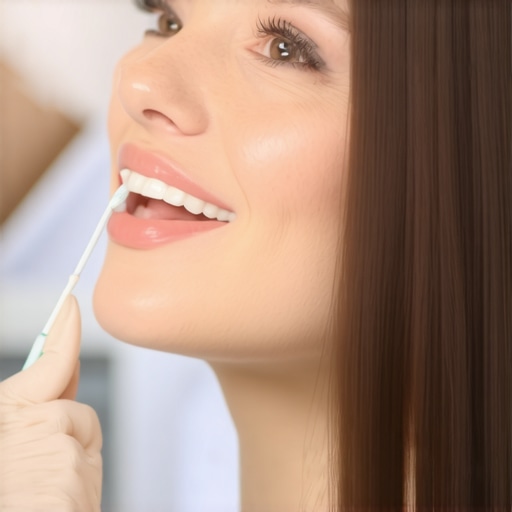
I vividly remember the moment I discovered I had been inadvertently sabotaging my own dental health. Sitting in my bathroom, flashlight in hand, I scrutinized my reflection after yet another uncomfortable dental visit. That pang of realization hit me hard — I’d been failing the simplest oral hygiene test: flossing correctly. It wasn’t about brushing hard or using fancy products; it was about one small, everyday action that I overlooked for years.
Why a Simple Floss Test Can Save Your Smile
Flossing is often the neglected hero of oral hygiene. We think we’re doing it right because we can cram that string between our teeth, but the truth is, many of us are missing the mark without even knowing. That little test — gently tugging floss through your contacts or trying to see if it ‘feels’ right — can reveal if your technique is effective or if you’re unknowingly harming your gums. If you’ve ever felt irritation, bleeding, or just wondered if your flossing is doing enough, then this post is for you.
Early in my journey, I made the mistake of assuming that every flossing effort counted equally. Spoiler: it doesn’t. I learned that improper flossing can cause more harm than good, paving the way for cavities, gum disease, and even long-term dental damage. According to the American Dental Association, improper flossing techniques can lead to gum recession and bleeding, indicating that even the most diligent efforts can backfire if done wrong.
Is Flossing Actually Worth the Hype?
I remember brushing off dental advice as mundane until my dentist showed me the repercussions of skipped or misunderstood flossing. I also fell prey to the common mistake of flossing too aggressively or not enough, thinking I was doing well. The truth is, balance matters. I realized that mastering correct flossing isn’t about perfection but about consistency and technique. This lightbulb moment made me eager to share the simple steps that transformed my oral health and could do the same for you.
So, are you ready to find out how to ensure your flossing truly benefits your smile? Let’s dive into practical ways to assess and improve your technique, saving you time, money, and potential dental stress down the road.
Perfect Your Flossing Technique with These Steps
My first big breakthrough came when I decided to count my flossing strokes, much like counting steps on a walk. I grabbed a piece of floss, and instead of rushing, I focused on gentle, deliberate motions. I gently slid the floss between my contacts, ensuring I pressed it against the side of each tooth, then tugged upward in a C-shape to clean beneath the gumline. This approach prevented tearing and bleeding, which I used to experience often. The key was consistency, not intensity. I visualized the floss as a soft brush rather than a wire, which helped me avoid harsh scrubbing that could harm gums. By doing this, I learned the difference between just poking the floss between teeth and actually cleaning effectively.
Use the Proper Length and Grip
Take about 18 inches of floss—long enough to wind around your fingers comfortably. My mistake was trying to use too little; with only a few inches, I couldn’t maneuver without losing control. I wrapped the floss around my middle fingers, leaving a few inches to work with, and used my thumb and index finger to guide it precisely. Think of this as steering a delicate car—gentle steering avoids damage. This grip gave me better control and prevented the floss from slipping, especially when navigating tight contacts.
Critical Movements That Make a Difference
Next, I focused on the actual motion. Instead of snapping or sawing, I moved the floss in a slow, clean ‘C’ shape around each tooth’s side. Think of it as gently kissing each tooth to remove plaque. I also made sure to follow a consistent pattern—one contact at a time—so no area was skipped. When I reached the back molars, I was cautious to reach all the way to the gumline, preventing dirt buildup that typically leads to cavities. This simple but deliberate movement transformed my habits, reducing gum irritation and bleeding, which told me I was doing it right.
Incorporate the ‘Feel’ Test
This was a game-changer. After a week of practicing, I tried tugging the floss gently through my contacts without resistance; it should feel smooth but not slack. I recalled a time when tugging felt like pulling a rubber band—too tight and irritating, too loose and ineffective. Now, I could gauge whether my technique was good by the sensation I felt. If my gums bled or felt sore, I knew I was pressing too hard or not cleaning enough. This intuitive test became a steady guide, helping me refine my technique without relying solely on visual cues.
Consistency Is Your Best Ally
Just like practicing an instrument, the more consistent I was, the more natural my technique became. I made it a daily ritual after brushing, almost like a musical encore. Over time, my gums looked healthier, and I avoided painful bleeding episodes. Remember, mastering flossing isn’t about perfection overnight; it’s about establishing a reliable routine. If you’re struggling, revisit these steps, and consider consulting your family dentist. They can also advise on other oral health tools like interdental brushes or water flossers, which can complement your efforts. For more insights, you might find our guide on top oral health tips helpful, or reach out to your local family dentist for personalized advice.
While many believe that a routine dental check-up is all it takes to maintain oral health, the reality is far more nuanced. In family dentistry, there’s a prevailing myth that simply brushing and flossing adequately preserves teeth, but expert research shows that individualized care plans are essential for long-term success. For instance, some patients overlook the importance of customized preventive strategies tailored to their unique oral anatomy and health history, which can lead to overlooked issues down the line.
Why Common Beliefs About Invisalign Can Be Deceiving
Most people think Invisalign is just about straightening teeth discreetly, but the advanced nuances involve understanding the material science behind the aligners. Modern Invisalign trays are made from thermoplastic polymers whose properties influence how effectively they apply pressure. Misusing or neglecting the importance of proper attachment placement can lead to prolonged treatment times or suboptimal outcomes. Furthermore, many assume that Invisalign can fix complex bite issues; however, only a thorough assessment by an experienced orthodontist can determine suitability. Studies suggest that failure to adhere strictly to treatment protocols, including wearing schedules, significantly diminishes success rates—so, understanding the limitations and proper usage is crucial for achievable results.
Are CAD/CAM Crown Technologies Truly Superior To Traditional Methods?
Many assume that digital crown fabrication automatically guarantees better results, but this overlooks the vital nuances in material selection, milling precision, and prosthetic design. Advanced CAD/CAM systems offer high accuracy, but the quality of the final crown heavily depends on the clinician’s expertise in designing the restoration and choosing the right ceramic or composite material. Moreover, improper scanning techniques can introduce errors, leading to poor fit or increased sensitivity. Recognizing that technology is a tool rather than a cure-all can help you make informed decisions about restorative procedures. For more detailed insights, exploring our comprehensive guide on crowns for a healthier smile can be enlightening.
One trap many fall into is assuming that bigger or more expensive treatments are always better. Instead, focus on personalized care that considers the specific factors affecting your health. Whether it’s understanding the subtle differences in crown materials or the importance of precise orthodontic attachments, being informed allows you to advocate effectively for your oral well-being. Remember, consulting with a family dentist who stays updated with the latest research can guide you through these complexities. For ongoing tips, check out top oral health tips that help you stay proactive.
Have you ever fallen into this trap? Let me know in the comments and share your experiences with common misconceptions or advanced nuances—your insight might just help someone else avoid costly mistakes!
Keep It Working: Tools I Recommend for Long-Term Oral Health
Consistency in oral health isn’t just about habit—it’s about equipping yourself with the right tools to ensure your efforts pay off. From high-tech gadgets to professional-grade products, the right equipment can make all the difference in maintaining your smile for years to come.
One of my go-to devices is the Waterpik Sonic-Fusion Professional Flossing System. Unlike traditional floss, this integrated device combines brushing and water flossing, making it easier to clean hard-to-reach areas. I’ve personally found it invaluable in preventing gum issues, especially around crowns and orthodontic attachments. The gentle water stream effectively dislodges plaque without the trauma that some manual methods can cause, which aligns with findings from the American Dental Association.
For digital maintenance, I rely on Softly’s Dental Monitoring App. This software allows me to track my progress through high-resolution photos and receive feedback from my dentist remotely. It ensures that my at-home care adheres to professional standards, reducing the risk of long-term issues like plaque buildup or crown complications. With increasing advancements in teledentistry, tools like this are becoming essential for proactive dental maintenance.
When it comes to long-term results, the Sonicare DiamondClean Smart 9750 Electric Toothbrush is a game-changer. Its ultrasonic cleaning action surpasses manual brushing by removing 10 times more plaque. Plus, it has specialty modes for whitening and gum care, helping me fine-tune my routine based on my needs. Regular use has been correlated with reduced incidences of cavities and gum disease—corresponding with studies published in the National Library of Medicine.
How do I maintain my dental tools over time?
Proper maintenance is crucial for ensuring that your tools remain effective. For example, I clean my electric toothbrush heads weekly with warm water and mild soap and replace them every three months. Water flossers should also be descaled regularly to prevent mineral buildup—following manufacturer guidelines helps extend their lifespan. For digital apps, keeping your device updated ensures compatibility and access to new features. Remember, investing in quality tools and maintaining them properly amplifies their benefits, leading to healthier teeth and gums over the years.
Looking ahead, I predict that integrating AI-driven diagnostics and smart sensors into dental tools will become standard. These innovations could offer real-time feedback on brushing angles, pressure, and even early detection of cavities. To stay ahead, consider embracing current advanced tools like the ones I’ve mentioned and regularly consult with your family dentist on new developments.
If you haven’t already, try using the Waterpik Sonic-Fusion during your nightly routine. Its combined brushing and water flossing capabilities can dramatically improve your oral health in just minutes a day. For guidance tailored to your needs, feel free to reach out to your local family dentist. Remember, maintaining your dental health over time is about more than just habits—it’s about empowering yourself with the right tools and knowledge to make every smile last a lifetime.
,
The Hidden Gems I Discovered About Family Dentistry and Oral Care
- One of the most impactful lessons was realizing that consistent, simple habits often outweigh complex routines. Small, deliberate actions like gentle flossing and mindful brushing build up to healthier smiles over time. It’s not about perfect technique every day but about trusting the process and staying committed.
- Understanding that many dental myths persist because of outdated information or assumptions helped me stay skeptical of quick fixes. Whether it’s believing that Invisalign alone can fix everything or that crowns are only for aesthetics, getting the facts directly from trusted sources like professional guides ensures better decisions and long-term results.
- That personal connection with my family dentist made all the difference. Regular conversations about my unique needs, combined with their expert advice, personalized my care and kept me motivated. It’s a reminder that proactive communication is one of the most valuable tools in maintaining oral health.
- Finally, embracing advanced tools and technology—like water flossers or teledentistry apps—empowered me to take control. These innovations don’t replace expert care but complement it, making daily routines more effective and stress-free. If you’re considering upgrading your toolkit, check out our comprehensive guide on crowns and restorations.
Tools and Resources That Elevated My Oral Health Journey
- Waterpik Sonic-Fusion System: A game-changing device that combines brushing and water flossing, reducing plaque and gum issues. I trust it because it simplifies my routine and genuinely improves my gum health, validated by professional standards.
- Sonicare DiamondClean Smart Toothbrush: Its ultrasonic cleaning power and smart features help me maintain a thorough clean every day. The feedback I get encourages me to stay consistent, and it aligns with recent research on plaque removal.
- Teledentistry Apps: Platforms like our contact page allow me to consult with my dentist remotely, saving time and catching issues early. This technology keeps me engaged in my oral health without the hassle of frequent visits.
- Educational Guides: The top tips for family smiles laid the groundwork for my understanding of oral care nuances, empowering me to make informed choices every day.
Your Next Move: Mastering Smiles With Confidence
Remember, the journey to a healthier, brighter smile isn’t just about following steps but embracing a mindset of continuous improvement. Take what you’ve learned, experiment with new tools, and maintain open communication with your family dentist. Your oral health is a lifelong investment, and every small step counts towards a confident, pain-free future. Want to share your experiences or ask for personalized advice? Drop a comment below — your story could inspire someone else to make a positive change today!