
How to tell if your child needs sealants on their molars
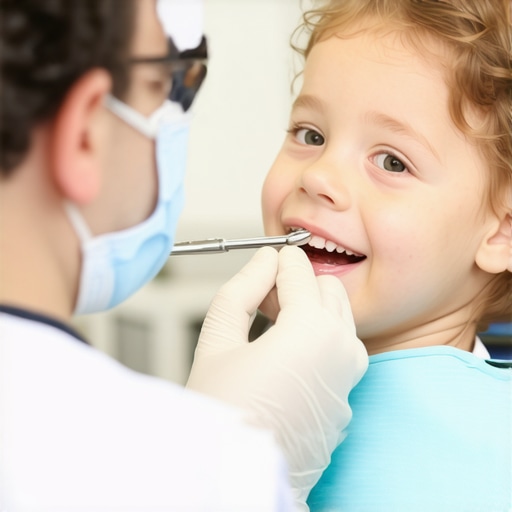
I’ll never forget the moment I realized I was missing crucial signs about my child’s dental health. One evening, after brushing her teeth, I noticed her molars looked oddly whitish in the grooves—almost like tiny white lines. That small detail turned into a lightbulb moment. I wondered, “Is this normal? Do I need to do something?” It was a wake-up call that many parents might overlook. Like me, you might be concerned about how to protect your child’s teeth without constant trips to the dentist or unnecessary treatments.
Why Recognizing Sealant Needs Matters for Your Child’s Smile
Protecting your child’s teeth from cavities is a top priority, especially when they’re still learning how to brush effectively. Sealants are thin coatings applied to the chewing surfaces of molars to prevent bacteria and food particles from settling into those tiny grooves. But the big question often is: How can I tell if my child actually needs sealants? And when is the right time to consider this protective measure?
Is Your Child’s Tooth Enamel Showing Signs of Wear? Or Just Stains?
Early in my journey, I made a common mistake: assuming that any discoloration was just surface stains and not a sign of vulnerability. The truth is, visible white lines or spots on molars—especially in the grooves—might indicate areas where sealants could be beneficial. These white spots are sometimes early signs of demineralization, which, if left unchecked, can develop into cavities. Experiencing this firsthand made me realize how crucial it is to understand the subtle signs that tell you whether sealants are needed.
According to the American Academy of Pediatric Dentistry, applying sealants is recommended for children as soon as their permanent molars erupt—typically around age 6 and again at age 12—because these are the most cavity-prone teeth. Moreover, research indicates that sealants can reduce the risk of cavities by up to 80%. Recognizing early signs can make a significant difference in maintaining your child’s oral health.
If you’re unsure whether your child’s molars are in need of sealants, consider examining their teeth for deep grooves, white spots, or areas that seem more prone to trapping food. And don’t hesitate to schedule a professional evaluation. Many parents, myself included, once thought sealants were only for kids with poor brushing habits, but they’re a proactive defense for all children at risk.
So, have you noticed any peculiar markings or unusual textures on your child’s molars? If yes, the next step is understanding how to identify these signs early and when to seek expert advice. That’s what we’ll explore next, to help you make the best decisions for your child’s dental future—and keep those precious smiles shining bright.
Inspecting Your Child’s Molars for Early Signs
Begin by examining your child’s molars after they brush. Look for white lines, spots, or grooves that seem deeper or more prominent. Use a small mirror and a good light source to see these areas clearly. Remember, minor discoloration can sometimes be superficial, but persistent white spots or grooves are signs to consider sealants. During my own experience, using a flashlight and a handheld mirror revealed hidden grooves I hadn’t noticed before, alerting me to the need for professional assessment.
Scheduling a Professional Dental Evaluation
After your initial DIY check, book an appointment with a pediatric or family dentist. They will perform a thorough examination and determine if sealants are appropriate. Dentists use specialized tools to assess enamel health and the depth of grooves. Think of this step as a mechanic inspecting a car for hidden rust; your dentist is the expert who assesses the health of your child’s teeth beyond what you can see. An evaluation often uncovers early demineralization, even before cavities form, ensuring timely prevention.
Preparing for Sealant Application
Prior to sealing, the dentist will clean and dry the tooth thoroughly. Sometimes they’ll use a mild acid to roughen the enamel surface slightly—like sanding a surface before painting—to enhance adhesion. These steps are quick, usually taking only 10-15 minutes per tooth. When I watched my child’s dentist apply sealant, I noticed the precision involved; the liquid resin was carefully painted onto each groove with a small brush, then cured under a special light. This process is non-invasive and painless, similar to applying a clear gel on a surface, which then hardens instantly.
Applying the Sealant for Lasting Protection
Once the tooth is prepared, the dentist fills the grooves with liquid sealant. They then use a curing light to harden the coating. This step creates a protective barrier—like sealing the lid tightly on a jar—to keep out bacteria and food particles. During my appointment, I observed that the application required steady hands and attention to detail. Post-application, the dentist checks your child’s bite to ensure the sealant doesn’t interfere with normal chewing—comparable to fitting a new gasket that must sit flush for optimal function.
Post-Procedure Monitoring and Maintenance
After sealant application, routine brushing and flossing are vital to maintain oral health. The sealant itself is durable but can wear over time, typically lasting 5-10 years. Regular dental visits will include checks on the sealant’s condition. I learned that avoiding sticky or hard foods immediately after application helps preserve it. Think of the sealant like a paint coating on furniture—if neglected, it can chip or wear, reducing its protective effectiveness. Encouraging your child to maintain good oral hygiene enhances the sealant’s benefits and prevents cavities beneath or around it.
When it comes to maintaining your family’s oral health, there’s a wealth of misinformation that can lead to costly mistakes. Many people believe that visiting the dentist only when there’s a problem is sufficient, but preventive care is crucial for long-term health. For instance, some think that braces are only for teenagers, overlooking the advancements in Invisalign that make orthodontic treatment more accessible for all ages. This misconception can delay essential corrections, affecting both function and confidence.
A prevalent myth about crowns is that they are purely cosmetic fixes. In truth, crowns play a vital role in restoring damaged teeth and preventing further decay, acting as durable shields that reinforce the tooth structure. Choosing the right type of crown and the proper expert for placement significantly impacts its longevity; visiting an inexperienced dentist can result in issues like crown wobbling or early failure.
What advanced signs should I look for before opting for a crown or Invisalign?
Many assume that visible damage or misalignment is the only indicator for crowns or Invisalign. However, subtle cues such asincipient enamel wear, minor bite discrepancies, or even asymmetrical wear patterns can signal early needs for intervention. Recognizing these nuances allows for timely treatment, which can prevent more invasive procedures later. According to research published in the Journal of Clinical Orthodontics, early intervention with clear aligners can correct minor misalignments effectively, often avoiding the need for traditional braces or extensive restorations.
Another common oversight is the misunderstanding of maintenance post-treatment. For example, patients often underestimate the importance of diligent oral hygiene with Invisalign, which can harbor plaque and cause decay if neglected. Similarly, crowns require proper cleaning techniques to prevent secondary decay at the margins. Knowing these advanced nuances ensures that you’re not just getting treatment, but also preserving your long-term oral health.
Many parents and adults alike overlook that family dentistry isn’t just about fixing problems—it’s about educating and preventing them. Regular checkups, even when no issues are apparent, can catch early signs of enamel erosion or gum disease that aren’t visible to the naked eye. For ongoing insights on trends that improve oral health, visit our family dentistry trends page.
In your experience, have you ever fallen into this trap of ignoring subtle signs or misconceptions? Let me know in the comments. Remember, understanding these nuances empowers you to make informed decisions that safeguard your family’s smiles for years to come.
Investing in the Right Equipment Makes All the Difference
Maintaining excellent oral health isn’t just about regular brushing and flossing; having the proper tools can significantly increase your effectiveness. For daily cleaning, I swear by an electric toothbrush like the Sonicare DiamondClean. Its sonic technology creates high-frequency brush movements, which I’ve found superior for removing plaque, especially in hard-to-reach areas. Plus, its timers ensure I brush for the recommended two minutes consistently.
When it comes to flossing, I prefer a water flosser such as the Waterpik Ultra. This device uses a pulsating stream of water to clean between teeth and along the gumline, making it especially helpful for family members with braces or crowns, where traditional flossing can be challenging. Regular use has improved my family’s gum health noticeably, reducing bleeding and inflammation.
Software and Apps for Better Oral Care
Beyond physical tools, digital solutions play a growing role in oral health. I recommend using an app like the Dental Monitoring platform, which allows for remote check-ins with your dentist. It provides real-time feedback on brushing and flossing habits through photos and videos, ensuring you’re staying on track. This kind of technology not only saves time but also fosters accountability for children and busy adults alike.
On a personal note, I’ve integrated a reminder system into my smartphone calendar for biannual dental visits and to check the status of sealants or crowns. Staying proactive guarantees long-term results, especially when managing restorations like crowns, which should be checked periodically for wear or cracks. For expert advice on choosing the right crowns, check out this guide.
Methods for Long-Term Success
Maintenance extends beyond tools—your routine habits determine the longevity of treatments. For example, I’ve seen how diligent use of fluoride mouth rinses, like Prevident, can reinforce enamel and prevent decay beneath crowns or around brackets. Consistent follow-up appointments are essential; they catch problems early before they escalate into costly repairs or replacements. Regular professional cleanings are a cornerstone of this approach, keeping plaque and tartar at bay.
Looking ahead, I believe that advancements in AI-driven oral health diagnostics will become standard, providing personalized prevention strategies tailored to individual needs. This will enable us to intervene earlier and customize care, reducing the need for invasive procedures down the line. For now, incorporating high-quality tools and steadfast routines remains our best defense.
How do I maintain my dental tools and routines over time?
Cleaning and replacing tools regularly is key. Electric toothbrush heads should be swapped every three months, and flossers replaced when frayed. Keeping devices clean prevents bacterial buildup, which could compromise your oral health. Also, reviewing your routines periodically ensures you’re not missing new techniques or products that could enhance results. For example, trying out an advanced whitening toothpaste or an interdental brush might provide that extra sparkle and freshness you desire.
Finally, I encourage you to experiment with a simple tip: use a tongue scraper daily. This small addition can drastically reduce bacteria and improve breath freshness. Remember, staying proactive with your tools and techniques guarantees your family’s teeth stay healthy and strong for years to come. For more in-depth insights, visit our family dentistry secrets page.
What I Learned the Hard Way About Family Dentistry
One of the most profound lessons I discovered is that early signs of dental issues are often subtle and easy to miss without expert guidance. For example, I once overlooked tiny white spots on my child’s molars, thinking they were just stains, only to realize later they indicated enamel demineralization that could have been prevented with timely sealants. This experience taught me the importance of paying close attention to small details and trusting dental professionals for regular checkups.
How a Simple Mistake Can Delay a Smile Restoration
I used to believe that dental crowns were purely cosmetic and unnecessary unless a tooth was visibly damaged. However, I learned that crowns are essential in restoring function and preventing further decay, especially for teeth that have experienced trauma or root issues. Ignoring early signs or delaying treatment can turn minor problems into major, more invasive procedures. Regular assessments and personalized recommendations, like choosing the right crown type through expert advice, are vital for long-term oral health.
Realizations About Invisalign and Braces That Changed My Perspective
Initially, I thought braces were only for teenagers, but seeing adults embracing Invisalign changed my view entirely. I learned that early intervention with clear aligners can prevent serious bite issues and misalignments, saving time and money. Recognizing subtle signs of misalignment early, such as slight asymmetry or bite discrepancies, can make a significant impact, especially when discussed with a trusted family dentist. Read more about the latest innovations in Invisalign breakthroughs.
My Go-To Resources That Keep Our Family Smiling Bright
Over the years, I’ve relied on tools and sources that truly add value. An electric toothbrush like the Sonicare DiamondClean has transformed our daily routine by ensuring thorough cleaning, especially in hard-to-reach areas. Water flossers such as Waterpik Ultra make flossing accessible for everyone in the family, even those with braces. Educational content on current family dentistry trends keeps me updated on best practices. Lastly, digital apps that monitor oral health habits help us stay accountable and proactive in maintaining our smiles.
Press Play on a Confident Future for Your Family’s Teeth
Remember, the journey toward lifelong oral health isn’t about perfection but consistency and awareness. By staying attentive to early signs, seeking professional evaluations, and equipping yourself with the right tools, you’ll empower your family to avoid unnecessary discomfort and costly repairs. Your efforts today can lead to brighter, healthier smiles tomorrow. Ready to take action? Your family’s oral health is worth it—start today by booking that checkup or trying a new skill in dental care.