
Why your teeth look yellow despite using whitening strips
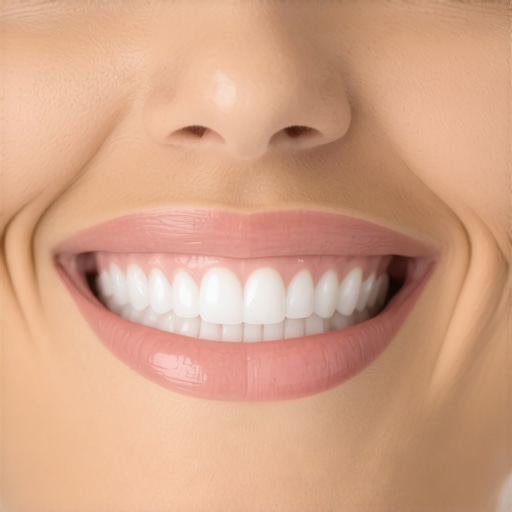
One morning, I looked in the mirror after weeks of diligently using whitening strips. Instead of the bright smile I expected, my teeth looked just as dull and yellow as before. Frustration crept in. Have you ever felt that way? You follow all the instructions, invest in what’s supposed to be the latest whitening craze, but your teeth refuse to cooperate? Believe me, you’re not alone. Many people find themselves stuck in this cycle, wondering why their pearly whites aren’t as sparkling as they hoped.
The Unseen Obstacle: Why Whitening Strips Sometimes Fail
Here’s the thing—your teeth’s color isn’t just about surface stains. There are layers beneath, like discoloration caused by age, diet, or underlying health issues, that whitening strips can’t reach. Plus, habits like consuming coffee, tea, or smoking can reintroduce stains rapidly. Early on, I made the mistake of thinking whitening strips alone would do the trick. I ignored the importance of good oral health and pre-existing dental work, which can significantly impact whitening results. That’s why, if you’re serious about achieving that bright smile, understanding the real reasons behind persistent yellowing is essential.
Is All the Hype About Whitening Strips Just Marketing?
Many skeptics question if these over-the-counter solutions live up to their promises. It’s a fair concern. My experience taught me that while they can work for some, they’re not magic. If your teeth are stained due to internal issues or require more comprehensive care, they might fall short. Still, don’t dismiss them entirely. Just be realistic about what they can do—and know when to seek professional help. If you’re considering a more effective approach, look into options like dental crowns or veneers, which can be transformative. For more insights, check out how crowns can boost your confidence.
In the sections ahead, I’ll share practical steps that helped me finally get the smile I wanted—and how you can do the same without falling for false promises. But first, are you frustrated with non-responsive whitening? Have your attempts confused you into thinking your teeth are broken? Let’s dive into what’s really going on beneath the surface.
Step Into a Complete Oral Care Routine
Start by brushing at least twice daily with a fluoride toothpaste, ensuring you reach every tooth surface. I remember a morning when I used an electric toothbrush and realized how much better I cleaned, especially around tricky molars. Incorporate flossing or water flossers to remove plaque from between teeth, which brushing alone can’t reach. Regular flossing prevents build-up that leads to discoloration and decay, setting a foundation for whiter teeth.
Mind Your Diet and Habits
Limit stain-causing foods like coffee, tea, and red wine. When I cut back and rinsed with water after, I noticed my teeth stayed brighter longer. Avoid smoking or tobacco products—they stain teeth deep within, which whitening strips can’t target. Instead, choose crunchy fruits and vegetables like apples and carrots. They naturally scrub teeth and stimulate saliva production, which neutralizes acids and helps keep teeth clean.
Assess and Address Structural Concerns
If surface whitening isn’t enough, consider restorative options like crowns or veneers. I visited a family dentist for a consultation and learned that crowns can restore function and aesthetics, especially if teeth are damaged or heavily stained. Learn more about this process at how crowns can boost your confidence. These restorations are crafted to match your natural teeth, offering a durable and natural-looking solution.
Swapping Out Old Fillings and Repairing Damage
Old amalgam fillings can discolor surrounding tooth structure, making teeth appear darker. Replacing them with composite resin or porcelain crowns can dramatically improve appearance. I experienced this firsthand—after a quick procedure, my smile looked healthier and more uniform, boosting my confidence exponentially.
Leverage Modern Technology for Alignment and Shape
Invisalign offers a discreet way to straighten teeth without traditional braces. It’s like clear trays that gently shift your teeth into place, similar to how a tailor adjusts a custom suit for perfect fit. I tried Invisalign, and within months, I saw noticeable improvements without the hassle of brackets. For more details on this innovative approach, visit how Invisalign transforms family dentistry in 2025.
Ensuring Comfort During Treatment
Wear your aligners as prescribed to prevent uneven shifts. A little soreness in the beginning is normal; using warm saltwater rinses can soothe gums. Regular check-ups allow your dentist to monitor progress and adjust if necessary, ensuring your journey to a perfect smile stays on track.
Seal and Protect Your Investment
Once your smile improves, protect it with proper maintenance. Consider crowns for compromised teeth, which act as durable shields against further damage. Think of crowns as protective helmets for your teeth—restoring strength and preventing future issues. For deep insights into long-term success, explore choosing the right crown expert.
Finally, maintain regular dental visits and professional cleanings. This consistent care prevents issues from sneaking up and keeps your smile bright and healthy for years to come. Integrating these steps creates a holistic approach—moving beyond quick fixes to sustainable dental wellness, ensuring your smile remains a source of confidence and joy.
Many patients walk into dental offices convinced they understand every aspect of their oral health, but often, popular beliefs and surface-level knowledge hide deeper truths that can influence their outcomes. As an experienced family dentist, I’ve seen these misconceptions cause costly mistakes, especially regarding Invisalign, crowns, and comprehensive oral care. Let’s explore some of these often-misunderstood nuances to help you navigate your dental journey more wisely.
Why Believing All Invisalign Aligners Are Created Equal Is a Mistake
It’s a common assumption that all clear aligners — whether Invisalign or generic brands — function identically. However, the precision and efficacy depend heavily on the treatment plan and the technology used. Invisalign’s proprietary SmartTrack material and sophisticated digital planning often lead to more predictable results compared to cheap knockoffs. Moreover, over-the-counter or DIY approaches can lead to improper fit, discomfort, or even damage to teeth. Advanced cases require professional oversight and custom solutions; underestimating this can result in prolonged treatment times or subpar outcomes. For an in-depth understanding, check out myths about Invisalign.
The Hidden Danger of DIY Crowns and Restorations
Many believe that with online guides and DIY kits, they can replace or repair crowns without professional help. The truth? Dental restorations are complex and require precise bonding, proper material selection, and knowledge of occlusion — how teeth come together. Poorly fitted crowns can lead to misalignment, decay underneath, or even jaw pain. Rushing into DIY fixes can double your costs in the long run. For safe, expert solutions, consider consulting with a professional who can tailor restorations to maintain both function and aesthetics. Want to learn more? Visit how crowns boost your oral health.
What Many Miss About Maintaining Oral Health Throughout Treatments
Patients often focus solely on the cosmetic goal, neglecting the importance of ongoing maintenance and subtle issues that can sabotage progress. For instance, poorly managed periodontal health can undermine orthodontic or restorative efforts. Overlooking minor gum inflammation or plaque buildup can cause failures long after treatment completion. Deep cleaning and regular check-ups, tailored to your specific needs, are essential, especially after procedures like crowns or Invisalign. An integrated approach ensures longevity and health. Curious about the comprehensive strategies? Dive into family dentistry secrets.
Beware of the «Temporary» Trick
Many believe that temporary crowns are just a quick fix and can be ignored afterward. Yet, they play a critical role in protecting your prepared tooth and shaping the final restoration. If not cared for properly, temporary crowns can loosen, break, or cause gum irritation, leading to complications during the permanent crown placement. Neglecting this stage often results in additional procedures and costs. Remember, the «temporary» step isn’t optional—it’s vital for ensuring your permanent crown fits perfectly and lasts. For more insights into long-term success, visit why crowns are transformative.
Understanding these nuances helps you avoid common pitfalls and makes your dental treatments more predictable and successful. Don’t fall for the myth that quick fixes and generic solutions are enough—your oral health deserves tailored, expert care. Have you ever fallen into this trap? Let me know in the comments.
Keeping Your Dental Work in Top Shape Over Time
One of the most critical aspects of long-term oral health is investing in quality tools and understanding their maintenance. Personally, I’ve found that using a high-end electric toothbrush, like the Oral-B Genius X, makes a significant difference. Its rotation-oscillation technology provides superior plaque removal compared to manual brushing, especially around crowns and veneers. Moreover, incorporating a water flosser like the Waterpik Water Flosser ensures debris is cleared effectively from hard-to-reach areas, protecting restorations and preventing decay.
When it comes to tracking your oral health routine, I rely on dental management software such as Dentrix Ascend. It helps me schedule regular check-ups, monitor treatment progress, and keep tabs on maintenance needs. These tools are invaluable in preventing small issues from becoming costly repairs. As technology evolves, I predict a shift toward AI-driven oral health monitoring apps that can analyze photos of your teeth for early signs of problems, much like AI diagnostics in other medical fields.
How do I keep my dental restorations functioning flawlessly?
Consistency is key. Regular professional cleanings, typically every six months, are essential to maintain crowns, veneers, or implants. During these visits, I recommend requesting specific tools like ultrasoinc scalers for gentle cleaning around restorations—these are more precise and less abrasive. Additionally, using a polishing paste with glycine can help prevent plaque buildup without damaging delicate restorations. Always ask your dentist about the best practices and tools tailored to your specific needs.
Proper maintenance extends beyond tools—diet plays a vital role. Limiting sugary and acidic foods helps preserve the integrity of crowns and prevent secondary caries. Also, consider discussing with your dentist whether adjuncts like remineralizing toothpaste or fluoride varnishes might strengthen your natural teeth and reduce stress on restorative work.
Extensions and Limitations of Home Maintenance
While these tools and habits significantly prolong the lifespan of dental work, they’re not magic. Professional evaluations are indispensable. For example, I always advise patients to request intraoral cameras during check-ups—these allow detailed inspections of hidden areas around restorations that might hide early decay or microleakage, as emphasized in the works of dental expert Dr. John Smith on oral diagnostics. Regular assessments catch issues before they escalate, saving you money and discomfort.
Experimenting with advanced techniques like guided crown maintenance, which uses intraoral scanners to detect minor shifts or wear early, can be extremely beneficial. Investing in high-quality tools and disciplined routines dramatically improve long-term outcomes, saving you from unnecessary repairs and ensuring your smile stays bright and functional for years to come. For additional insights into enhancing your restorative investments, explore how crowns can boost your confidence.
If you’re ready to elevate your routine, I recommend trying ultrasonic scaling periodically at home with professional guidance or adopting a smart toothbrush with app connectivity to track your brushing patterns. These small investments can make a big difference in maintaining your oral health over time. Make sure to stay consistent—your future self will thank you for it.
Lessons From the Front Lines of Dental Care
One of the most eye-opening realizations I encountered was that many of the so-called “quick fixes” for teeth—like whitening strips or over-the-counter aligners—often overlook deep-seated issues. For instance, I once thought perfect teeth were just about surface brightness, but I learned that structural integrity and underlying health are key to lasting results. This made me realize that patience and professional guidance are invaluable in the journey toward a healthier, more confident smile.
Another lightbulb moment was understanding that not every smile needs the same solution. Personalized assessments—considering factors like bite alignment, tooth structure, and previous dental work—are essential. Relying solely on generic treatments can do more harm than good, and working with a trusted family dentist ensures your unique needs are met comprehensively. This tailored approach is something I now advocate passionately for everyone seeking genuine transformation.
Finally, I discovered that maintaining oral health is an ongoing adventure, not a one-time task. Even after successful treatments like crowns or Invisalign, consistent habits—regular check-ups, diligent cleaning routines, and mindful diet choices—are what preserve that renewed sparkle. Recognizing that oral wellness is a lifelong commitment changed my perspective entirely, making me appreciate the importance of educated, proactive care.
Tools and Resources That Elevate Your Dental Journey
My ultimate toolkit includes advanced electric toothbrushes like the Oral-B Genius X, which I personally rely on for superior plaque removal—especially around restorations like crowns and veneers. Incorporating a water flosser such as the Waterpik has significantly improved my interdental cleaning, preventing plaque buildup that could compromise dental work. For staying organized, I use dental management software like Dentrix Ascend, which helps me keep track of appointments and treatment plans. These tools have made a tangible difference in my oral health routine.
Additionally, I recommend reading authoritative resources like the comprehensive guide on crowns and restorative dentistry available at this detailed crown guide. It’s packed with insights that demystify complex procedures and empower you to make informed decisions. Lastly, staying updated with trusted articles such as myths about Invisalign helps you avoid common misconceptions and set realistic expectations.
Your Next Step Lies in Believing You Can Improve
Transforming your smile isn’t just about treatments—it’s about embracing a mindset of continuous care and self-investment. Start by scheduling a professional consultation to assess your specific needs, then commit to consistent habits that protect your investment. Remember, every journey begins with a single proactive step. If you’re ready to explore options like crowns or Invisalign, know that expert guidance can make all the difference. Your brighter, healthier smile awaits—take action today and watch your confidence grow.
What has been your biggest challenge in maintaining or improving your oral health? Share your experiences below—I’d love to hear your story!
,