
How to manage tooth sensitivity after a professional cleaning

I remember the moment vividly. I had just left the dentist’s office, feeling great about finally getting that routine cleaning done. But as I sipped my hot coffee later that day, an unexpected jolt of pain shot through my teeth. It was like my smile had betrayed me. That sharp, lingering sensitivity was a wake-up call, and I knew I wasn’t alone in this experience.
Dealing with Tooth Sensitivity After Professional Cleaning: A Common Mix-Up
Many folks underestimate how common it is to experience heightened tooth sensitivity after a cleaning. It’s not necessarily a sign that something’s wrong, but it can be uncomfortable enough to ruin your day or even make you dread your next appointment. The good news? There are practical ways to manage this issue, and I’ll guide you through them, sharing what’s worked for me and others who’ve faced similar frustrations.
Is Sensitivity After a Cleaning Really Worth the Worry?
Early on, I made the mistake of panicking and overreacting. It’s easy to scare yourself into believing that something serious is happening when the discomfort lingers. But understanding the cause helps. Tooth sensitivity often stems from exposed dentin or minor gum irritation, which typically resolve quickly. According to the American Dental Association, mild sensitivity following dental procedures is normal and usually temporary.1 Yet, this doesn’t mean you should ignore it. Recognizing that this is a common reaction can save you a lot of unnecessary stress and help you take the right steps.
Have you experienced this kind of discomfort after your recent dental visit? If so, don’t worry—you’re not alone. The key now is to learn how to soothe your teeth and prevent future sensitivity. Let’s explore some tried-and-true strategies that can make a difference, starting with understanding the root causes.
Start with Gentle Oral Care Routines
After experiencing sensitivity, switch to a soft-bristled toothbrush to minimize gum irritation. Brush gently in circular motions, avoiding aggressive scrubbing, which can expose dentin and worsen sensitivity. Using toothpaste formulated for sensitive teeth can help shield exposed nerves, much like a protective glove shields your hands. When I tried switching to a sensitivity-specific toothpaste, I noticed a significant decrease in discomfort within a week, especially when I brushed after meals instead of rushing through my routine.
Optimize Your Diet and Be Mindful of Trigger Foods
Acidic foods and drinks—like citrus, vinegar, or soda—can erode enamel, intensifying sensitivity. Limit consumption of these items temporarily, and rinse your mouth with water afterward. Chewing sugar-free gum can stimulate saliva production, which acts as a natural buffer against acidity. I found that swapping my afternoon soda for water or herbal tea reduced the stabbing sensations in my teeth over time, making daily activities much more comfortable.
Implement Hot and Cold Management Techniques
Applying a cold pack or ice wrapped in a cloth to your cheek can numb the area and reduce pain temporarily. Conversely, avoid extremely hot or cold foods initially. Think of your teeth as delicate glassware; sudden temperature changes can cause microfractures or exaggerate sensitivity. I once experienced intense discomfort after a hot cup of coffee, but applying a cold compress for just five minutes eased the pain and allowed me to enjoy my morning coffee later with less worry.
Explore Fluoride Treatments and Sealants
Professionally applied fluoride varnishes or gels strengthen enamel and promote remineralization, making teeth more resistant to sensitivity. Sometimes, your dentist might recommend applying self-etching sealants or desensitizing agents to vulnerable areas. During my last visit, my hygienist applied a fluoride treatment, which provided noticeable relief. These treatments act like a plaster on a cracked wall, reinforcing fragile spots and preventing further pain.
Consider Cosmetic and Restorative Options
If sensitivity persists, restorative procedures such as placing crowns or bonding exposed dentin can provide a lasting solution. Crowns are especially effective if the sensitivity stems from cracks or significant wear, a topic I’ll delve into based on the extensive benefits of crowns in restorative dentistry. Knowing when to opt for a crown or other restorations can be daunting, but guidance from your family dentist can make this process smooth. Discover more about how crowns can transform your smile and confidence at this link.Many people assume they know the basics of dental care, but in reality, there are several nuances and misconceptions that can hinder optimal oral health. For instance, a widespread myth is that Invisalign is only for minor misalignments; however, advanced cases can sometimes benefit from this discreet option if evaluated properly. Additionally, many believe that crowns are purely cosmetic, but they play a crucial role in restoring function and preventing further damage, especially when crafted with durable materials like zirconia or porcelain fused to metal. In family dentistry, there’s a misconception that regular check-ups are only necessary when problems arise—contrast this with the evidence emphasizing preventive care for long-term health1.
Keep Your Dental Work in Top Shape with Proper Maintenance
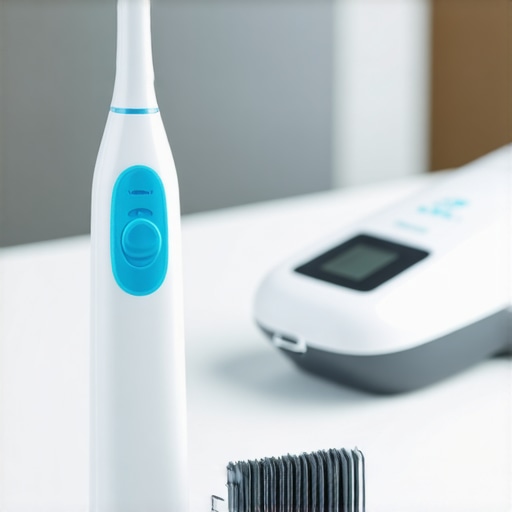
Managing your oral health isn’t just about daily brushing; it requires the right tools and strategies to ensure long-term success. From dental restorations like crowns to orthodontic options like Invisalign, using specialized equipment can make all the difference. I personally swear by high-quality ultrasonic toothbrushes, which utilize advanced vibration technology to remove plaque more effectively than traditional brushes, especially around crowns and brackets. For ongoing monitoring, I recommend digital dental scanners that allow my dentist to track subtle changes over time, reducing the risk of unexpected issues.
Essential Tools for the Family Dentist
One game-changing device I rely on is the cordless, water-powered flossers. The pulsating water stream reaches deep between teeth and around crowns, eliminating plaque without the trauma of traditional flossing. Additionally, having a set of dental mirror loupes with LED lighting helps catch early signs of decay or gum issues, facilitating preventive care. My favorite is the dual-lens headlamp, which offers precision and comfort during routine visits and home care, ensuring that no plaque buildup goes unnoticed.
Strategies for Long-Term Results
Consistency is key, but complementing that with the right products amplifies your efforts. For instance, incorporating a desensitizing gel post-invisalign treatment strengthens enamel around new aligners and prevents sensitivity. I also recommend using enzymatic mouthwashes that break down biofilms effectively, reducing the risk of cavities and gum disease. Regular professional cleanings, combined with these advanced tools, can extend the lifespan of your crowns and orthodontic appliances, as supported by recent studies indicating improved outcomes with technology-assisted maintenance1.
Scaling Up Your Oral Care Routine
If you’re considering larger restorations like crowns or improvements in orthodontics, investing in high-quality curing lights and bonding kits is essential. These tools allow for precise placement and long-lasting results, and won’t compromise the integrity of your restorations over time. As the field advances, AI-driven dental imaging software promises even greater accuracy in diagnosing and planning treatments, heralding a new era of personalized oral care.
How do I maintain my dental work over time?
To ensure your dental restorations, such as crowns, stay durable and functional, it’s crucial to adhere to a tailored maintenance routine. Regular check-ups where your dentist reviews the condition of your restorations and employs diagnostic tools like intraoral scanners can catch issues early. Brushing with an electric toothbrush equipped with customizable modes helps clean hard-to-reach areas, especially around crowns and bridges. Incorporating fluoride varnishes during professional visits strengthens your enamel, providing a protective layer against future decay. Remember, consistent care paired with the right tools not only preserves your smile but also saves you time and money in the long run. For more insights, explore our guide on crowns and their role in long-term oral health.
Lessons That Made Me Rethink My Smile Routine
One of the most surprising lessons I learned was that even routine cleanings can trigger temporary sensitivities, reminding me to always listen to my body’s signals and communicate openly with my dentist about discomforts. I also realized that preventive measures—like using desensitizing toothpaste and gentle brushing—are powerful tools that can prevent bigger issues down the line, saving both time and money. Finally, I discovered that understanding the causes of sensitivity helped me stay calm during flare-ups, transforming worry into proactive care and a more confident smile.
Tools and Resources That Changed My Perspective
I’ve come to trust the detailed guidance available at The Ultimate Guide to Crowns for understanding restorative options that suit my lifestyle. A good-quality ultrasonic toothbrush has revolutionized my daily cleaning, especially around crowns and bridges. When considering long-term care, I rely on the insights from Family Dentistry Trends to stay informed about innovative techniques and products that keep my family’s smiles bright and healthy. These resources empower me to maintain my dental health confidently and effectively.
Your Turn to Elevate Your Smile Game
Remember, managing tooth sensitivity after a professional cleaning is just one step in a lifelong journey toward oral wellness. By applying these insights and tools, you can turn discomfort into an opportunity for better care and stronger teeth. Don’t wait for problems to escalate—take charge today and enjoy the confidence that comes with a healthy, radiant smile. Your dental future is in your hands; now’s the perfect moment to make a positive change.