
Why kids shouldn’t use adult-strength mouthwash at home
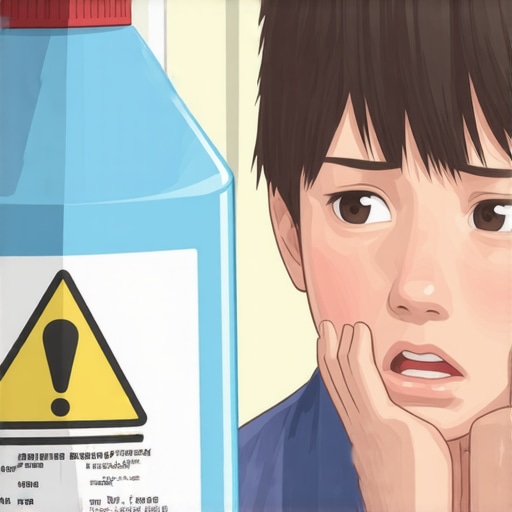
It was a rushed morning when my little one tugged at my sleeve, clutching an open bottle of mouthwash that clearly wasn’t meant for children. My heart sank—had I accidentally left it within reach? That moment was a wake-up call. I realized that, despite my best efforts to keep our home safe, I’d overlooked something crucial: the dangers of adult-strength mouthwash around kids.
Why Kids Should Steer Clear of Adult Mouthwash
As parents and caregivers, we want to do everything possible to protect our children’s health. But when it comes to oral hygiene products, things can get a bit complicated. Adult mouthwashes often contain higher concentrations of ingredients like alcohol, which can be incredibly toxic to children if accidentally swallowed. Even small amounts can cause harmful effects, including nausea, vomiting, or worse.
I used to believe that rinsing with adult mouthwash was just an extra step in the dental routine. But I made a costly mistake early on—assuming that a little sip posed no real danger. Turns out, that sip could be dangerous enough to require emergency care. According to the American Academy of Pediatrics, ingestion of mouthwash solutions with alcohol can lead to alcohol poisoning in young children, which can be life-threatening. That put my own routine into perspective.
Are Kids Really at Risk? The Truth About Mouthwash
Many parents worry about whether their child might accidentally swallow mouthwash during brushing. The truth is, young children are naturally curious and tend to swallow things they shouldn’t. This is why using adult mouthwash at home can be a risky game. I learned this the hard way when my child showed signs of nausea after a supposed “safe” rinsing.
This experience heightened my awareness and prompted me to find safer alternatives, but it also highlighted a common oversight among many families. Are you confident that your home’s setup doesn’t pose similar hidden dangers?
If you’ve ever caught your child with an open bottle or wondered whether your choice of rinse is safe, you’re not alone. The good news is, safeguarding your family’s oral health doesn’t have to be complicated. In the next sections, I’ll share practical tips and insights that help ensure your little ones are protected from accidental harm—because a safe smile is a truly happy one. Want to know how to jazz up your family’s hygiene routine? Check out top oral health tips for your family’s bright smiles to get started.
Select Child-Friendly Oral Hygiene Products
Start by choosing rinses specifically formulated for children, which lack harmful alcohol or strong chemicals. When I replaced my adult mouthwash with a child-safe alternative, I noticed my child’s curiosity didn’t lead to accidental ingestion anymore. Look for labels that say “kid-friendly” or “for children”—these are designed to be safe if swallowed in small amounts.
Secure Mouthwash Containers Properly
Use child-proof caps on all mouthwash bottles and store them out of reach, ideally in high cabinets or locked drawers. Once, I learned this the hard way when my toddler managed to open a bottle left on the bathroom counter. Installing simple childproof locks on cabinets has since been a game changer, preventing accidental access.
Label Everything Clearly
Use bright, clear labels for any mouthwashes or similar products to prevent mix-ups. I once found my teenager’s mouthwash mixed with my child’s, leading to confusion. Color-coded labels or distinct containers help everyone in the family distinguish products instantly, reducing risk.
Implement a Consistent Rinsing Routine
Teach your children to rinse with approved products and supervise their use until they master the technique. During our routine, I demonstrated how to spit out rinse without swallowing, turning it into a fun game. Consistency helps children understand boundaries and builds good habits that minimize risks.
Educate Kids About the Dangers
Explain, in age-appropriate language, why certain products are unsafe. I sat down with my child and shared how swallowing adult mouthwash could be harmful, comparing it to eating something nasty. Making safety a part of their understanding encourages cautious behavior and curiosity management.
Establish Lasting Safety Measures
Regularly inspect your home for new hazards or accessibility issues. Every few months, I review our storage practices, ensuring nothing is within reach that shouldn’t be be. Updating safety measures as kids grow is crucial to maintaining a secure environment.
For more detailed advice on protecting your family’s oral health, visit top oral health tips for your family’s bright smiles and explore options like Invisalign innovations or selecting the right dental crowns for long-lasting results. These proactive steps aim to ensure your children’s safety and foster a positive attitude towards dental care.Many people assume they fully understand oral health, Invisalign, crowns, and family dentistry, but beneath the surface lie nuanced pitfalls that can jeopardize long-term results. For instance, a common myth is that choosing the cheapest dental crowns guarantees affordability, but in reality, quality materials and proper preparation are essential for durability—skimping here often leads to costly replacements.
Are You Overlooking the Fine Print When Selecting Dental Restorations?
Studies show that improper crown fit can cause recurrent decay and gum irritation, emphasizing the importance of selecting an experienced dentist to ensure precise placement. Similarly, with Invisalign, the misconception that aligners are a passive, maintenance-free option ignores the significance of proper wear schedules. Wearing aligners for fewer hours than recommended can delay treatment and compromise outcomes. To truly benefit, understanding nuanced aspects like attachment designs and material quality is critical—reviewing Invisalign myths can help clarify these details. Regarding family dentistry, many believe routine check-ups are enough, but personalized education on at-home oral hygiene tailored to each child’s developmental stage makes a significant difference. Overlooking such nuances can lead to cavities or misaligned teeth progressing unnoticed. Furthermore, advanced mistakes include assuming that all dental practices offer the same quality, which isn’t true—credentials and specialization matter. Consulting detailed guides like Crowns for a healthier smile can help you select knowledgeable providers. Remember, the devil is in the details—whether it’s understanding the difference between porcelain and zirconia crowns or knowing why continuous flossing prevents future gum issues. Recognizing these subtleties empowers you to make informed decisions and avoid costly corrections later. Have you ever fallen into this trap? Let me know in the comments.Maintaining your dental restorations and overall oral health requires more than just regular visits to the dentist. Investing in the right tools and adopting proven methods can extend the lifespan of crowns, aligners, and other dental appliances while ensuring that your smile stays healthy and radiant over time.
How do I keep my dental restorations in top shape long-term?
One of the most impactful strategies is **using high-quality interdental brushes**. Unlike standard floss, these brushes can better clean around crowns and bridges by reaching into tight spaces that traditional floss might miss. Personally, I prefer the **Oral-B Interdental Brushes** because of their ergonomic handle and durable bristles, which help me remove plaque effectively without risking damage to my restorations.
For aligners like Invisalign, maintenance revolves around **preventing staining and bacterial buildup**. A **ultrasonic jewelry cleaner**, such as the **Simple Shine Sonic**, is a game-changer. I use mine weekly to gently clean my aligners by removing food particles and biofilm, ensuring clarity and hygiene. This tool not only prolongs the transparency of the trays but also prevents issues like bad odor, which can compromise treatment compliance.
To safeguard crowns and other restorations, I recommend **using a water flosser with customizable pressure settings**. The **Waterpik Aquarius** is my go-to because it allows gentle yet thorough cleaning around dental work, reducing the risk of decay at margins and extending the life of the restoration. Regular, careful cleaning prevents plaque accumulation that can lead to secondary decay or gum irritation.
**Digital Dental Monitoring Software** is also becoming a staple in my routine. Platforms like **Dental Monitoring** enable your dentist to track your oral health progress remotely through photographs and scans, catching potential issues early. This proactive approach minimizes the need for invasive procedures down the line, saving time and money.
Prediction-wise, the integration of **AI-powered diagnostics** and **smart cleaning devices** is poised to revolutionize how we care for our dental health, making maintenance more personalized and less effortful. Expect future developments to include **connectivity features** that automatically alert your dentist when a device detects a potential problem**.
Here’s a quick tip to optimize your tool use: incorporate **translation of plaque-disclosing products into your daily routine**. Applying a disclosing solution can help you visually identify areas where plaque is stubborn, guiding your brushing and flossing efforts for maximum effectiveness. For example, using the **Crest Pro-Health Disclosing Tablets** allows you to see immediately where your oral hygiene can improve. Give this a try to spot the trouble spots and brush and floss more thoroughly in those areas.
To keep everything functioning smoothly, remember that **consistent maintenance** is key. Regular replacement of toothbrush heads, following your dentist’s advice on cleaning routines, and scheduling periodic professional cleanings are essential steps. If you’re interested in exploring advanced tools and want expert guidance, consider connecting with a family dentistry specialist—visit contact us for personalized recommendations tailored to your specific needs.
What I Wish I Knew When Starting Our Dental Journey
- One major lightbulb moment was realizing that assuming all dental products are safe for kids can be a costly mistake. Switching to child-specific rinses not only protected my children but also fostered better habits.
- Securing all dental supplies with child-proof locks and clear labeling made a world of difference. Simple steps like these prevented countless accidental outings and confusion, saving both time and stress.
- Teaching my children about oral health safety in an engaging way turned a routine into an empowering experience. When they understood why adult mouthwash isn’t safe, they became active partners in safeguarding our home.