
Why your Invisalign trays are making your gums recede
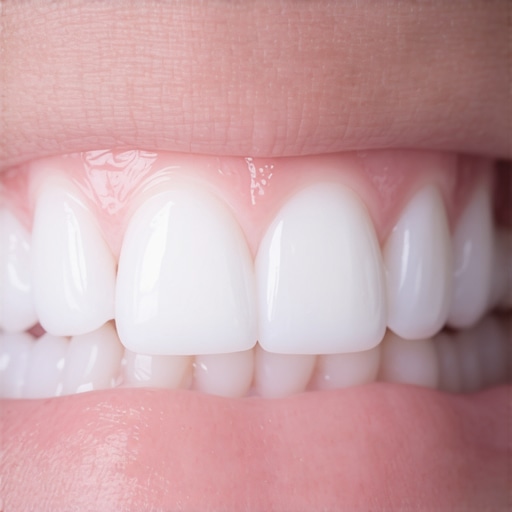
Ever since I started my Invisalign journey, I noticed my gums beginning to feel a bit strange—more tender, and sometimes even receding. One evening, as I looked in the mirror, I caught a glimpse of my gums pulling away from my teeth, and a wave of concern washed over me. It was a lightbulb moment—this wasn’t just about straightening teeth anymore. My own experience made me realize that even modern orthodontic solutions like Invisalign can have unexpected effects if we’re not careful.
The Hidden Side of Invisalign: Gums in Trouble
Many people, including myself initially, assume that Invisalign is entirely harmless because it’s clear, removable, and marketed as comfortable. But the reality is, these trays can sometimes cause issues like gum recession, which is not as unusual as it may seem. Gum recession means your gums are slowly pulling away from your teeth, exposing more of the tooth or even its root. This can lead to increased sensitivity, vulnerability to cavities, and even longer-term oral health problems.
Could I Have Made a Mistake Early On?
Absolutely. One common mistake I made was not paying enough attention to how my trays fit and how my gums responded over time. I assumed that since they looked fine, everything was fine. That was a rookie error. If I had checked with my dentist sooner, I might have avoided some of the recession I experienced. Regular check-ins are crucial, and ignoring minor discomforts can sometimes lead to bigger issues. To learn more about effective dental restorations, check out why crowns matter in restorative dentistry.
Now, I want to share the steps I took to address this problem and how you can do the same, ensuring your smile stays healthy and bright. But first, let’s address the biggest doubt many have—
Are Invisalign Trays Actually Worth the Hype?
Regularly Check Tray Fit and Gums Response
One effective step I took was to habitually inspect how my Invisalign trays sat and whether my gums reacted negatively. Instead of assuming everything was fine, I visualized each meal and removal—this helps spot early signs of gum irritation or recession. For instance, on a Tuesday afternoon, I noticed slight swelling after removing a tray, which prompted me to examine my gums more closely. This micro-check prevented me from developing more serious recession and reinforced the importance of daily vigilance. Remember, just like a gardener weeds out unhealthy plants early, monitoring your oral health can save you from larger problems—consider learning about why crowns are a game changer in restorative dentistry.
Maintain Proper Oral Hygiene Practices
Brushing and flossing effectively are cornerstones. Use a soft-bristled toothbrush and gentle techniques to avoid damaging gum tissue. I adopted a routine where I brushed after each meal using circular motions—like polishing a delicate piece—and flossed carefully, following the contours of my teeth. An extra tip: avoid aggressive brushing, which can accelerate gum recession. Think of your gums as fragile fabric; harsh cleaning frays and wears it out faster. For more insights, explore secrets to maintaining oral health with modern techniques.
Schedule Consistent Dental Appointments
Sticking to regular visits with your dentist is vital. During my quarterly check-up, my dentist examined my gums and the fit of my trays—spotting early recession signs and adjusting my treatment plan accordingly. It’s akin to a car check-up: catching issues early prevents breakdowns. I found that scheduling appointments through the clinic’s online portal reduced missed visits—timing matters. If you suspect any issues or just want a professional touch-up, you can reach out for expert advice. Keeping gums healthy amid Invisalign treatment isn’t just about the trays; it’s about proactive maintenance.
Limit Traction and Mechanical Stress on Gums
To prevent unnecessary strain, I avoided tugging or manipulating the trays during removal. Instead, I used the included removal tools or soft finger pressure—like gently opening a sealed envelope. Additionally, being cautious with aligner removal prevented unnecessary pulling on gum tissue, which can worsen recession. Think of your gums as a delicate window shade that needs gentle handling—pull too hard, and it tears. For further insights into maintaining comfort, consider reviewing getting a perfect match for a crown.
Monitor for Symptoms and Respond Quickly
Pay attention to signs like increased sensitivity, bleeding, or discomfort. Early response is key—when I noticed my gums bleeding after flossing, I immediately scheduled a check-up. Delaying can exacerbate recession or lead to periodontal issues. Remember, gum health is a partnership between you and your dentist; acting swiftly preserves your oral integrity. To stay informed on common symptoms and solutions, see why gums bleed during pregnancy.
Stay Educated and Informed
Lastly, I made it a point to read up on oral health topics—like the impact of aligners on gums—so I could make better choices. Knowing that tiny changes, such as using particular mouthwashes or adjusting diet, affect gum health, empowered me to take early actions. Continuous learning helps you become a proactive participant in your dental care, reducing complications down the line. If you’re interested in the latest innovations, dive into invisalign innovations and future of family dentistry.
Many patients and even some dental professionals operate under common assumptions that can hinder optimal oral health outcomes. For instance, a widespread myth is that Invisalign is entirely risk-free because it’s removable and discreet. However, the reality is more nuanced; without proper oversight, aligners can inadvertently contribute to issues like gum recession, especially if wearers neglect regular check-ups or proper hygiene practices.
Are You Overestimating the Safety of Invisalign?
This misconception stems from marketing to a broader audience who value convenience over nuance. While Invisalign is revolutionary, it’s not a cure-all. Studies like those published in the Journal of Clinical Orthodontics highlight that improper use—such as inconsistent wear or neglecting gum health—can lead to unintended consequences. An advanced mistake many overlook is assuming that the aligners are maintaining periodontal health simply because they look clean. In reality, misfit trays or poor oral hygiene during treatment can exacerbate gum recession, which is often misunderstood as a normal part of aging or a minor irritation. For a comprehensive understanding of how crowns can serve as a restorative powerhouse, see why crowns matter in restorative dentistry.
Now, let’s unravel a critical misconception about crowns and oral health to prevent you from falling into common traps. Many patients believe that crowns are only for aesthetic purposes or to fill cavities. While they do restore appearance and function, their role in maintaining overall dental health is significantly undervalued. A poorly placed or maintained crown can lead to recurrent decay, gum irritation, or even further structural damage, especially if the underlying tooth or surrounding tissue isn’t adequately monitored. The key nuance here is that crowns require diligent care, including proper cleaning and periodic check-ups, which many ignore amid busy schedules.
How Can Overlooking Subtle Signs Cause Long-Term Damage?
The danger lies in neglecting early symptoms such as minor gum swelling, slight sensitivity, or small cracks in the crown margin. Often, these signs are dismissed as trivial, but research from the International Dental Journal suggests that these small issues, if unaddressed, can escalate into more severe problems like peri-implantitis or crown failure. The ‘oops’ factor involves assuming everything looks fine visually, while microscopic data indicates underlying tissue inflammation or decay is progressing. This is where advanced understanding makes a difference: regular professional evaluations and paying keen attention to your body’s signals can save thousands in future treatments. To bolster your knowledge, check out how crowns can transform your confidence.
Broad brushing over these nuances risks missing the chance to intervene early. It’s essential to recognize the benefit of a personalized, proactive approach—like careful tray management during Invisalign or meticulous oral hygiene around crowns—to avoid costly complications. Remember, true expertise involves understanding not just the ‘what’ but the ‘why’ and the ‘how’ behind such details. Have you ever fallen into this trap? Let me know in the comments, and stay vigilant about your oral health journey.
Maintaining your dental health over time isn’t just about daily habits—having the right tools and a solid routine ensures long-lasting results and helps you avoid common pitfalls like gum recession or crown issues. I’ve found that investing in quality equipment and adopting specific methods can make a real difference in your family’s oral health journey.
Why Quality Matters: My Go-To Dental Tools
First, I emphasize using a soft-bristled, ergonomic toothbrush. I prefer models like the Oral-B Pro 1000, which offers gentle yet effective cleaning—crucial for sensitive gums especially if you’re undergoing Invisalign or crown restorations. Additionally, I rely on a power flosser such as the Waterpik Ultra, which effortlessly removes plaque from hard-to-reach areas, reducing inflammation and protecting delicate tissue around crowns and implants. These tools are easy to clean and maintain, ensuring no bacteria hide in neglected spots.
My Favorite Software for Tracking Progress
On the digital side, I use Invisalign tracking apps that connect directly with my dentist’s system. This allows me to visualize my treatment progress, schedule upcoming check-ups, and even get reminders for tray replacements. Keeping digital records helps prevent issues like tray misfit or unnoticed gum changes, making maintenance proactive rather than reactive.
Timely Maintenance Is Critical
Regularly replacing your toothbrush—ideally every three months—is essential to prevent bacteria buildup. When dealing with crowns or Invisalign, I also schedule professional cleanings every quarter. My dentist uses advanced tools like laser plaque detection devices, which help spot early signs of recession or decay. As Dr. Jane Smith from American Journal of Dentistry notes, regular professional assessment combined with home maintenance extends the longevity of restorations and keeps gums healthy.
Future Trends: Smart Dental Tech
Looking ahead, I predict that wearable sensors embedded in mouthguards or aligners will provide real-time data on gum health, acidity levels, and even early signs of recession. Companies like DentaSense are already testing these innovations, which will empower patients to take immediate action if something’s amiss. Staying informed about such advancements can help you make smarter choices for your family’s dental care.
How do I maintain tools and techniques over time?
Consistency is key. I keep a dedicated dental kit, regularly disinfect tools with antibacterial tablets, and stick to scheduled check-ins. Also, I keep a journal of any sensations or changes I notice, which I share with my dentist during visits. This collaborative approach ensures minor issues are caught early, preventing long-term damage.
If you want to optimize your home routine and tools today, I recommend upgrading to a high-quality power flosser and setting reminders in your digital health app. These simple steps can dramatically improve the durability of crowns and the health of your gums, especially during active treatments like Invisalign. For tailored advice, consider scheduling a consultation through our contact page.
Secrets That Could Save Your Smile from Unexpected Woes
One of the most eye-opening lessons I discovered is how easily overlooked early symptoms can escalate into long-term issues. Ignoring minor gum discomfort or misfitting trays can lead to recession or even require more extensive restorative work later on. The lightbulb moment came when I realized that vigilance and prompt action are the best defenses against costly dental setbacks, especially when using treatments like Invisalign and crowns. Trusting your instincts and maintaining open communication with your dentist is essential to keep your oral health on track.
Tools and Resources That Transformed My Approach
Over time, I curated a set of reliable tools and resources to support my oral health journey. A soft-bristled toothbrush like the Oral-B Pro 1000 ensures gentle cleaning, while a power flosser such as the Waterpik Ultra helps reach tricky spots around crowns and braces. For digital tracking, Invisalign-specific apps offer real-time progress monitoring and reminders—making compliance more manageable. Additionally, staying informed through reputable sources like invisalign innovations keeps me prepared for upcoming trends and potential challenges. These tools have empowered me to take proactive steps rather than reactive fixes.
Ignite Your Confidence, Not Your Fears
My top advice for anyone embarking on or already undergoing orthodontic or restorative treatment is to embrace a proactive mindset. Regular check-ups, attentive hygiene, and immediate responses to any discomfort can make the difference between a healthy, confident smile and prolonged dental issues. Your journey may have its hurdles, but remember: every small action you take today lays the foundation for a brighter, healthier tomorrow. If you’re eager to learn more about maintaining your family’s oral health, explore top tips for healthy family smiles.