
Why your gums bleed only when you use an electric toothbrush
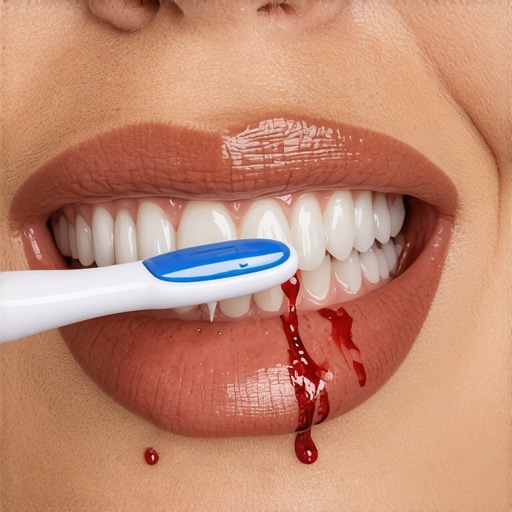
I remember the moment vividly — a quick brush before bed, and suddenly, I noticed blood on my toothbrush. Frustration mixed with concern. It had been months since I upgraded to an electric toothbrush, convinced it would make my oral care easier, only to face this unexpected issue. That lightbulb moment made me realize I wasn’t alone, and perhaps, you’re in the same boat.
Many people experience bleeding gums only when using an electric toothbrush, which can be confusing and alarming. It’s tempting to just switch back to manual brushing, but I promise, there’s more beneath the surface. Today, I want to share my journey, what I discovered, and how you can address this problem effectively.
Understanding Why Your Gums Bleed Only with an Electric Toothbrush
The first step is acknowledging that this isn’t unusual. In fact, according to the American Dental Association, gum bleeding often indicates underlying gum inflammation or early-periodontal disease — sometimes exacerbated by aggressive brushing techniques or incompatible tools such as electric brushes. My mistake early on was assuming all brushes are created equal; I used the same pressure I would with a manual brush, not realizing electric toothbrushes can actually deliver more force if you’re not careful.
The key is that electric brushes come with powerful oscillating or vibrating motions intended to clean teeth more effectively. But if you press too hard or don’t adapt your technique, you might irritate your gums, especially if they’re already sensitive. This is a common mistake I made thinking more pressure means cleaner teeth — but in reality, gentle is better.
Have you ever felt that your gums bleed only with your electric toothbrush, yet stay healthy with manual brushing? If so, you’re not alone. I’ll walk you through how to identify the root causes and what steps to take to protect your oral health.
Before we dive into solutions, it’s worth noting that I also found myself misled by some popular tips online that suggested switching brushes without understanding the underlying reasons. An early mistake I made was ignoring the importance of proper technique and not adjusting my brushing habits accordingly. For more insights on common oral health myths, check out [this article on Dental Myths](https://familydentistpro.com/invisalign-myths-debunked-what-you-need-to-know-today). Now, let’s move toward practical, effective solutions to make your electric toothbrush work for you, not against you.
Adjust Your Brushing Technique
Start by lightening your grip on the electric toothbrush. I vividly recall the first time I consciously eased up—initially, it felt almost counterintuitive, like trying to drive a manual car with less force. But within a week, my gums stopped bleeding, and my brushing became more comfortable. Hold the handle gently, letting the brush do the work, and avoid pressing down hard. Consider using the BMI method—Lighten pressure until the brush feels almost effortless, then maintain that pressure consistently. This simple tweak prevents irritation and promotes gum healing.
Learn the Correct Motion
Electric toothbrushes are designed for specific brushing patterns—usually circular or oscillating motions. Instead of scrubbing back and forth like a manual brush, move the brush slowly in small circles, covering each section of your mouth methodically. I experimented with this by dividing my mouth into quadrants—a technique recommended by [family dentistry](https://familydentistpro.com/family-dentistry-secrets-maintaining-oral-health-with-modern-techniques-at-254-pm)—and focused on one area at a time. This ensured thorough cleaning without over-agitating the gums. With consistent practice, your gums will get used to gentle, effective care.
Optimize Brush Head Choice and Maintenance
Choosing the right brush head can make a big difference. I swapped my standard head for one with softer bristles, which are gentler on sensitive gums. Regularly replacing the head—every three months—is essential to maintain softness and prevent bacteria buildup. Clean your brush head weekly with warm water and a vinegar solution to eliminate plaque and debris that may cause irritation. If your gums remain tender, try using a brush head specifically designed for sensitive gums, like those with extra-soft bristles or flexible designs.
Implement a Gentle Floss and Rinse Routine
Complement brushing with gentle flossing to remove debris between teeth—avoiding aggressive motions that could worsen bleeding. Use gentle, sliding motions rather than snap-flossing, which can damage inflamed gums. After brushing and flossing, rinse with an antimicrobial mouthwash, such as those containing chlorhexidine, to reduce bacteria that contribute to inflammation. I’ve found that consistent, gentle oral hygiene cultivates healthier gums over time, reducing bleeding episodes.
Monitor and Adjust Your Habits
Track your progress by noting days when bleeding decreases. If bleeding persists after two weeks of gentle techniques, consult your dentist—preferably one knowledgeable about family dentistry [here](https://familydentistpro.com/what-to-do-when-your-child-knocks-out-a-baby-tooth-too-early)—to rule out underlying issues like periodontal disease or damaged tissues. Remember, patience is key; healthy gums heal gradually, especially if you address bad habits like aggressive brushing or neglecting flossing.
Many assume that the field of family dentistry is straightforward, but in reality, there are nuanced misconceptions that can impact your oral health journey. One common myth is that all dental crowns are created equally; however, the choice of material and placement method significantly affects their durability and compatibility with your natural teeth. For instance, there’s a significant difference between porcelain crowns and veneer restorations, which isn’t often appreciated—more on that can be found in [this expert guide](https://familydentistpro.com/crowns-vs-veneers-which-is-better-for-your-smile-cure-at-429-pm). Many believe that Invisalign is only for cosmetic alignment, but it’s also highly effective for addressing bite issues and preventing long-term jaw problems, a point often overlooked in popular misconceptions [see more here](https://familydentistpro.com/how-invisalign-transforms-family-dentistry-in-2025).
A significant error many make is thinking that straightening teeth with aligners is solely about appearance; in fact, realignment can alleviate gum disease risks by making cleaning easier and reducing pockets that harbor bacteria. Yet, some underestimate the importance of proper attachment placement and compliance—mistakes that can compromise treatment outcomes. From an advanced perspective, understanding how microscopic forces influence periodontal tissue during orthodontic treatment can make a difference; recent studies highlight that subtle biomechanical changes can improve or hinder results. It’s vital to consider that improper aligner use or neglecting attachment positioning can lead to unintended consequences, like root resorption or gum recession.
In terms of oral health maintenance, many focus solely on brushing and flossing frequency but ignore technique nuances. For example, aggressive brushing can harm gum tissue, leading to recession and increased bleeding—an issue that’s often dismissed as a normal side effect rather than a problem to correct. Advanced patients might inquire, “Does the type of toothbrush matter beyond just soft or hard bristles?” The answer involves understanding the impact of oscillating vs. sonic brushes on plaque removal efficiency, supported by recent research [find out more](https://familydentistpro.com/top-oral-health-tips-for-your-familys-bright-smiles). Ensuring proper technique and choosing the right tools can prevent common pitfalls and promote healthier gums.
Another overlooked nuance involves the maintenance of dental work such as crowns and implants. Many think that once placed, they require little attention afterward; however, neglecting regular checkups, proper cleaning, and understanding the materials used can lead to early failure or aesthetic issues. For example, over time, porcelain crowns may darken, which is a common concern discussed in [this article](https://familydentistpro.com/why-your-porcelain-crown-looks-darker-than-your-other-teeth). Recognizing these subtleties helps in planning effective long-term care.
Finally, for advanced learners pondering treatment options, it’s essential to grasp that the decision-making process involves not just cosmetic outcomes but also functional and health considerations. For instance, choosing between crowns and veneers isn’t solely about appearance but also about structural preservation—an insight detailed in [this comparative review](https://familydentistpro.com/crowns-vs-veneers-which-is-better-for-your-smile-cure-at-429-pm). Recognizing the complexities and avoiding superficial judgments can dramatically improve treatment success and patient satisfaction.
**Have you ever fallen into this trap?** Share your experiences or questions in the comments, and let’s dig deeper into the real nuances behind protecting your family’s oral health.Maintaining your dental work and oral health effectively requires the right tools and disciplined routines. One of my top recommendations is investing in a high-quality electric toothbrush with a timer and pressure sensor—these features are essential. I personally rely on the Oral-B Genius series because the pressure sensor gently alerts me when I press too hard, preventing gum irritation. This proactive approach helps prolong the life of crowns and veneers, and keeps orthodontic appliances like Invisalign in optimal condition.
For flossing, I prefer water flossers like the Waterpik Ultra because they efficiently remove plaque from hard-to-reach areas without causing gum trauma—a common concern among my patients with sensitive gums. Regularly replacing brush heads every three months is crucial; worn bristles lose their effectiveness and can harm your gums, so set reminders. Additionally, maintaining an antimicrobial rinse like chlorhexidine (used as directed by your dentist) helps reduce bacteria and supports tissue healing, especially after crown placement or orthodontic adjustments.
Embracing digital tools can elevate your routine further. Apps like MySmilePlan or Oral-B’s Toothbrush App allow you to track brushing time, technique, and even remind you when to replace components. I’ve found that integrating technology not only reinforces good habits but also makes oral care more engaging for the whole family.
Looking ahead, advancements in ultrasonic cleaning methods and AI-based monitoring are soon expected to revolutionize at-home dental maintenance, making it more personalized and preventive. Staying informed about these developments ensures you’re ahead of potential issues.
How do I keep my dental tools effective over time?
Proper care and maintenance of your dental tools are paramount. Rinse electric toothbrush heads with hot water after each use, and store them in open-air holders to prevent mold growth. Replace toothbrush heads every three months or sooner if bristles fray; this is a simple yet vital step to ensure optimal cleaning efficiency and prevent bacteria transfer. For water flossers, descaling periodically prevents mineral buildup that could diminish performance—a tip supported by [dental equipment maintenance guidelines](https://www.ada.org/en/member-center/oral-health-topics/dental-equipment-care). Regularly inspecting your tools for wear and tear keeps your routine effective and safe.
Want to go the extra mile? Incorporate a monthly vinegar soak (diluted with water) for your water flosser to dissolve mineral deposits. Using the right tools diligently and maintaining them properly can extend their lifespan, ensuring your smile stays healthy and bright for years to come. So why not give this advanced tip a try today? Your oral health will thank you.
Lessons that Changed My Approach to Family Dentistry
One of the most surprising insights I uncovered is that gentle, consistent care beats aggressive brushing every time; applying too much pressure can cause more harm than good, especially when using family dentistry tools like electric toothbrushes. I learned that understanding the mechanics of my toothbrush—like recognizing the oscillation patterns—helped prevent gum irritation and promoted healing. Additionally, I realized that investing in tools such as soft-bristled heads or water flossers drastically improved my oral health journey, showing me that quality tools paired with knowledge make all the difference.
Tools and Reads That Transformed My Routine
The expert advice on selecting the right tools was a game-changer—especially understanding the importance of soft brush heads and proper maintenance. I highly recommend the book Smile Bright: The Modern Guide to Family Dental Care, which dives into essential techniques for home care and demystifies common misconceptions. For keeping up-to-date with advancements, I trust these recent family dentistry trends—they incorporate innovative methods that enhance routine safety and effectiveness.
Ignite Your Passion for Preventive Dental Care
Taking charge of your oral health isn’t just about the tools—it’s about mindset. If you’ve been hesitant about switching to an electric toothbrush or worried about gum bleeding, remember that progress comes with patience and informed practice. Start by easing up on pressure, embrace gentle motions, and select the right brush head—your gums will thank you. So, are you ready to apply these insider secrets and elevate your family’s dental health? Your smile deserves it.