
Why your gums turn white for a few minutes after flossing
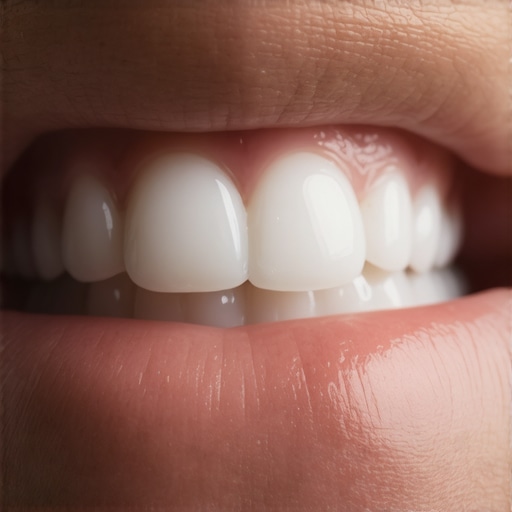
It happened again. You finish flossing, expecting a fresh, clean feeling, but instead, you’re met with an unsettling sight—your gums have turned white for a few fleeting moments. At first, I thought I was imagining things. But then I realized: this isn’t just a weird visual glitch; it’s a sign your mouth is trying to tell you something. As someone who’s navigated the ups and downs of oral health myself, I know how confusing and sometimes alarming these little symptoms can be. And believe me, I’ve been there, scratching my head and wondering if I was doing something wrong.
So, what’s really going on when your gums turn white after flossing? And should you be worried?
This question has been on my mind more times than I can count. For years, I just brushed it off as a minor irritation—something harmless or simply a reaction to my aggressive flossing habits. But over time, I learned that this brief whitening isn’t something to dismiss. It could suggest underlying issues like inflammation or sensitivity that deserve attention. Today, I want to share what I’ve discovered, tailor-made for anyone who’s ever been concerned about these sudden, brief changes in their gums.
Is Gum Whitening After Flossing Really a Red Flag?
Early on, I made the mistake of ignoring this sign. I thought it was just a temporary side effect. Turns out, that was a rookie error. According to dental health experts, whitening of the gums after flossing can be linked to increased blood flow or mild irritation—both of which are common in cases of gingivitis or minor trauma from improper flossing technique. Knowing this helped me realize that paying attention to these quick changes could be crucial for maintaining healthier gums. If you want tips on improving your flossing or guarding your gum health, check out my guide to family dentistry secrets that maintain your smile’s sparkle.
In the coming sections, we’ll delve into the reasons behind these whitening episodes and what proactive steps you can take. Whether it’s adjusting your flossing habits or seeking professional advice, understanding your gums’ signals is key. So, if you’ve ever wondered whether that fleeting whiteness is just a quirk or a warning sign, keep reading—there’s more to this than meets the eye.
Assess and Adjust Your Flossing Technique
Start by examining how you floss. Use gentle, controlled motions instead of aggressive sawing. I once hurried through flossing and noticed my gums became intensely white around the edges—this was a sign I was damaging tissue. To prevent this, glide the floss softly along the gumline, ensuring you clean between teeth without causing trauma. Consider using invisalign techniques that promote gentle alignment adjustments, which can minimize irritation.
Identify and Avoid Irritants
Check your dental products. Sometimes, certain mouthwashes or toothpaste with intense flavors or chemicals can inflame gums, making them more sensitive. Switch to milder options, especially if your gums turn white after flossing. I switched to a fluoride-free, gentle paste after noticing whitening episodes and saw my sensitivity decrease within days.
Implement Proper Oral Hygiene Habits
Adopt a consistent yet gentle routine. Brush twice daily using a soft-bristled toothbrush, aiming to minimize gum irritation. Floss every day but with deliberate care—think of it as tuning an instrument gently, not hacking at it. Proper cleaning reduces inflammation caused by plaque buildup that can make gums react abruptly during cleaning. For comprehensive methods, explore family dentistry secrets that utilize modern techniques at this resource.
Schedule Regular Dental Check-Ups
Visiting your dentist regularly is crucial. During appointments, ask for a thorough gum evaluation. Dentists can identify early signs of gingivitis or other issues that cause brief whitening episodes. I recall a visit where the hygienist used a gentle polish that immediately alleviated sensitivity I didn’t realize I had. Routine checkups also help catch problems before they escalate, keeping your gums healthy and responsive.
Maintain a Healthy Diet and Lifestyle
Prevent inflammation by eating anti-inflammatory foods—berries, leafy greens, omega-3 rich fish—and staying hydrated. Avoid sugary snacks that promote bacterial growth. I started using herbal teas with anti-inflammatory properties, which noticeably reduced my gum sensitivity episodes.
Seek Professional Advice When Necessary
If whitening episodes persist or worsen, consult your dentist promptly. They can suggest targeted treatments, such as protective coatings or identifying underlying conditions like vitamin deficiencies. For more advanced interventions, explore crowns, which can cover and protect vulnerable teeth and gums—see this guide. Early professional guidance prevents minor signs from developing into serious issues, ensuring your oral health remains robust.
By applying these concrete steps—adjusting flossing habits, avoiding irritants, maintaining proper hygiene, visiting your dentist regularly, and adopting a healthy diet—you can significantly reduce the brief whitening episodes and promote healthier gums. Remember, your mouth communicates vital signals; taking them seriously keeps your smile shining brightest.
,Many individuals assume that getting a dental crown is a straightforward process—select the right shade, and you’re good to go. However, this oversimplification often leads to misjudgments about durability, functionality, and long-term health. One common myth is that all crowns are the same, but in reality, materials like porcelain, zirconia, and metal each have nuances that affect longevity and biocompatibility. Choosing the wrong type without expert guidance can result in increased wear on surrounding teeth or complications like nerve sensitivity. It’s essential to understand that the skill of the dentist and the precision of appointment planning significantly influence outcomes; for example, an improperly fitted crown can trap food or cause gum irritation, paving the way for future problems. Explore the differences between crowns and veneers to see which option best suits your needs—visit https://familydentistpro.com/crowns-vs-veneers-which-is-better-for-your-smile-cure-at-429-pm for an in-depth comparison.
Investing in Your Smile with the Right Tools
Maintaining optimal oral health requires more than just brushing and flossing; it demands the right equipment and consistent habits. I personally rely on a combination of professional-grade tools that have proven effective over years of practice and personal use. One essential item in my routine is a Sonicare DiamondClean electric toothbrush. Its ultrasonic cleaning technology offers superior plaque removal while being gentle on gums, which I found particularly beneficial in preventing issues like sensitivity that can cause brief whitening episodes after flossing. The device’s multiple brushing modes cater to different needs, whether whitening or gum care, making it versatile and worth the investment.
Complementing my toothbrush, I use Waterpik Ultra Water Flosser—a game-changer in interdental cleaning. Unlike traditional floss, its pulsating water stream reaches deep into periodontal pockets and hard-to-clean spots, drastically reducing plaque buildup. I appreciate its adjustable pressure settings, allowing me to customize for sensitive gums, especially when I notice signs of irritation. Regular use of a water flosser not only keeps my gums healthy but also minimizes the risk of the quick whitening episodes that hint at underlying inflammation.
In terms of long-term maintenance, the Airfloss by Philips Sonicare is another tool I recommend for busy mornings. Its rapid, pressurized bursts clear away debris efficiently and make daily routine effortless. For my DIY routines and to track progress, I utilize the invisalign app, which helps monitor teeth alignment and plan professional checkups accordingly. Using these tools consistently has helped me maintain my dental health, preventing issues before they escalate into costly procedures.
How do I keep my tools in top shape over time?
Regular maintenance is key. I replace my toothbrush head every three months to prevent bacteria buildup and ensure optimal cleaning. For my water flosser, I run a vinegar rinse monthly to prevent mineral deposits and mold—simple yet effective for longevity. Investing in quality storage cases protects the devices from dust and damage, ensuring they function properly for years. Staying disciplined about these routine maintenance steps really makes a difference in preserving both the tools’ effectiveness and my oral health.
Looking towards the future, I predict a rise in smart dental devices that sync with mobile apps to provide real-time feedback and tailored recommendations. These innovations aim to make home care even more intuitive and effective, empowering users to catch issues early—like the brief whitening episodes I experienced. Trying out advanced tools and maintaining them diligently can elevate your dental routine from good to exceptional, ultimately saving money and discomfort in the long run.
If you’re ready to upgrade your oral care arsenal, start with a high-quality electric toothbrush like the Sonicare DiamondClean and incorporate a water flosser into your daily routine. These investments can drastically improve your long-term smile health and confidence. For personalized advice on integrating these tools, don’t hesitate to reach out to a professional. Your brighter, healthier smile is worth it!
Lessons I Wish I Knew About Gums and Crowns Early On
- Gums can tell stories: A sudden whiteness after flossing isn’t just fleeting—it’s a message from your mouth about underlying inflammation or trauma. Recognizing these signs early helps prevent bigger issues down the line.
- Too eager can be harmful: Aggressive flossing might seem thorough, but it can damage tissue and trigger whitening episodes. Gentle, controlled techniques are more effective and safer.
- Restoring trust in your smile: I learned that routine check-ups and proactive communication with your dentist can catch subtle signs before they escalate, saving you discomfort and cost.
- Tools make a difference: Investing in a high-quality electric toothbrush or water flosser has transformed my daily routine, making oral hygiene both easier and more effective.
- Health is holistic: Dietary choices, hydration, and lifestyle habits influence gum health significantly. A commitment to overall wellness reflects directly in a healthier mouth.
My Go-To Resources for Lasting Oral Health
- Comprehensive crown guides: For understanding how crowns can improve functionality and confidence, this resource offers expert insights that I’ve relied on.
- Family dentistry secrets: This site shares modern techniques that keep my family’s smiles bright and healthy, blending tradition with innovation.
- Invisalign tips and innovations: As someone with aligners, I trust these insights to keep my teeth healthy and aligned without discomfort.
- Expert crown advice: Selecting the right type and understanding long-term care helps me avoid pitfalls and prolong the lifespan of my restorations.
Your Bright Smile Starts Now—Take Action Today
Prompt recognition of your gums’ signals, along with consistent hygiene and professional guidance, sets the foundation for a vibrant, healthy smile. Don’t wait for issues to become urgent—embrace a proactive approach that ensures your oral health remains resilient for years to come. Remember, every small step you take today makes a difference in maintaining the beautiful smile you deserve. Ready to prioritize your gum health and explore solutions like crowns or Invisalign? Your journey to a healthier, happier smile begins now. How have you learned to read your gums’ subtle messages? Share your experiences below and join the conversation.