
Why your teeth hurt when you step out into the cold
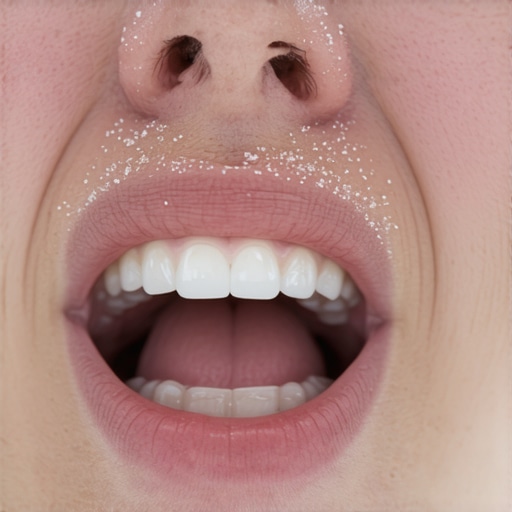
Ever stepped outside on a chilly morning, only to feel that sharp, almost stabbing pain in your teeth? I remember the first time it happened to me—one minute I was sipping my coffee, the next, a sudden jolt of discomfort shot through my front teeth whenever I braced against the cold breeze. It was jarring, embarrassing even, and I couldn’t help but wonder: why does the cold have such a power over my teeth?
What’s Going On When Cold Makes Your Teeth Hurt?
This common experience isn’t just a quirky inconvenience; it’s often a sign that something deeper is at play within your oral health. The truth is, cold sensitivity can be triggered by a variety of issues—ranging from enamel erosion to exposed dentin or even aging dental restorations. When your tooth enamel wears thin or if your gums recede, the underlying nerves in your teeth become more exposed, making them react sharply to cold temperatures. This isn’t just a minor annoyance; it can reveal underlying vulnerabilities that, if left unaddressed, might lead to more severe problems down the road.
Have You Faced This Problem and Wondered If It’s Serious?
Trust me, I’ve been there—mistakenly ignoring it, thinking it was just a temporary phase, only to discover that neglecting these symptoms can lead to more complicated dental issues. Early on, I made the mistake of trying to mask the pain with over-the-counter remedies instead of consulting my dentist. That oversight could have cost me dearly. According to the American Dental Association, persistent tooth sensitivity can be a sign of tooth decay, worn fillings, or other conditions that require professional attention. Recognizing the signs early is crucial to maintaining a healthy smile.
In this post, I’ll share the personal insights and practical steps I’ve learned to manage cold sensitivity effectively. Whether you’re experiencing this discomfort for the first time or have grown accustomed to it, understanding your body’s signals can be the first step toward relief. Ready to discover how to protect your teeth and keep that sharp pain at bay? Let’s begin this journey toward a healthier, more comfortable smile.
Identify the Root Cause Immediately
When I first experienced tooth pain from cold, I didn’t hesitate—I scheduled an appointment with my family dentist. Recognizing whether it’s enamel erosion or receding gums is crucial; a professional exam can pinpoint the cause and prevent future issues. For detailed insights, check out this comprehensive guide on dental crowns.
Master Gentle Oral Hygiene Practices
Rather than brushing aggressively and further wearing down enamel, I switched to a soft-bristled brush and a gentle technique, making sure to clean all surfaces without aggravating sensitivity. Using fluoride toothpaste strengthens enamel, protecting against further erosion. Remember, cleaning should be effective but gentle—think of it like cleaning delicate glassware.
Implement Protective Measures
I started wearing a custom mouthguard during sports and night if I gritted my teeth. These barriers shield your teeth from sudden cold exposure and mechanical stress. If you’re considering an upgrade, exploring Invisalign options can also improve bite alignment, reducing wear and sensitivity.
Adjust Your Diet to Shield Your Teeth
I reduced acidic and sugary foods that wear down enamel and cause erosion, which increases cold sensitivity. Instead, I incorporated calcium-rich foods like dairy and leafy greens to bolster my teeth’s defenses. Remember, your diet directly impacts your oral health, so choose foods that reinforce your enamel’s integrity.
Seek Professional Interventions When Necessary
If sensitivity persists despite at-home care, a dental professional can provide treatments such as dental bonding, sealing exposed dentin, or fitting crowns—like those detailed in this post about crowns. In my experience, a well-placed crown not only alleviated my sensitivity but also improved my smile’s appearance.
Maintain Regular Dental Checkups
Routine visits allow early detection of issues and reinforcement of good habits. During my visits, my dentist applied fluoride treatments that fortified my enamel further. Staying proactive is key—think of dental checkups as regular tune-ups for your vehicle, ensuring everything runs smoothly.
Use Desensitizing Products Wisely
I opted for desensitizing toothpaste containing potassium nitrate, which calms the nerves inside teeth. Applying it consistently, especially before cold exposure, made a noticeable difference. Combine this with professional advice to choose the best product for your case.
Practice Consistency and Patience
Healing takes time—initially, I was discouraged when sensitivity didn’t vanish overnight. However, sticking with these steps gradually restored comfort. Remember, consistency in your dental care routine is vital; treat it like any other health habit, and results will follow.
” alt=”A dentist demonstrating tooth sensitivity treatment to a patient” title=”Dentist explaining sensitivity treatment”/>
Why Most People Misunderstand Invisalign and Its Limitations
Many assume that Invisalign is a perfect, all-in-one solution for straightening teeth, but the truth is, it’s not suitable for every case. For advanced malocclusions or complex bite issues, traditional braces or surgical options might be more effective. Relying solely on Invisalign without understanding its limits can lead to prolonged treatment times and unsatisfactory results. A study published in The Journal of Clinical Orthodontics highlights that patient compliance and case selection are critical to Invisalign’s success. Myth busted: Invisalign is a magic wand—it’s a precise tool that works best when paired with proper case assessment and professional guidance.
Debunking the Enamel Erosion Myth in Crowns
A common misconception is that crowns are only for aesthetic purposes, but they play a vital role in restoring function and preventing further decay. Some believe that once a crown is placed, no further damage can occur; however, poor oral hygiene around crowns can lead to secondary decay, gum disease, or crown failure. The nuanced reality is that crowns require diligent maintenance and regular checkups. According to the American Academy of Restorative Dentistry, success hinges on proper placement and ongoing care, making crowns a partnership between dentist and patient rather than a quick fix.
Advantages of Family Dentistry Beyond Routine Care
Many think that family dentistry is just about routine cleanings, but modern family practices offer comprehensive services, including treatments for orthodontics, implants, and even cosmetic procedures. A key benefit is the continuity of care; your family dentist tracks your dental history across generations, enabling personalized treatment plans. Focusing only on routine visits risks overlooking early signs of systemic health issues linked to oral health, such as cardiovascular disease. The latest family dentistry techniques show that a proactive, integrated approach yields healthier families over time.
How Can Misconceptions Impact Your Oral Health?
Believing falsehoods like ‘Crowns cause more decay’ or ‘Invisalign is only for teenagers’ can lead to neglected treatments and poor outcomes. For example, some people delay essential procedures, thinking they are unnecessary or risky, which might result in more invasive interventions later. It’s crucial to consult with qualified professionals who understand these nuances and can guide you based on evidence and experience. Have you ever fallen into this trap? Let me know in the comments!
In summary, peeling back the layers of popular beliefs about Invisalign, crowns, and family dentistry reveals a complex landscape best navigated with expert advice. By recognizing these hidden nuances, you can make more informed decisions and achieve long-lasting oral health benefits.
Maintaining optimal oral health requires more than just good habits; it involves leveraging the right tools and techniques to keep your dental work in top shape. As someone dedicated to longevity in dental treatments like Invisalign and crowns, I’ve developed a set of specific strategies and recommend tools that make this sustainable. In this section, I’ll share exactly what works best for me and why these methods are crucial for long-term results.
Invest in a High-Quality Water Flosser
While traditional flossing has its place, I find that a reliable water flosser effectively cleans around crowns and marginal areas where plaque tends to accumulate. I personally use the Waterpik WP-660, which offers adjustable pressure settings. This allows me to target sensitive areas gently while maintaining overall hygiene without risking gum abrasion. Regular use of a water flosser has significantly extended the lifespan of my restorations and prevented secondary decay. For more detailed insight, check out this article on family dental care.
Use an Electric Toothbrush with a Smart Timer
I prefer an electric toothbrush with built-in timers, like the Oral-B Genius X. This ensures I brush for the full recommended two minutes, covering all quadrants evenly. The oscillating brush head provides more effective plaque removal, especially around crowns and veneers, compared to manual brushing. As I age, maintaining consistent brushing techniques becomes vital; studies have shown that technology-assisted brushing can improve oral health outcomes over time. Their effectiveness in reducing plaque aligns with recommendations found in advice on long-term maintenance.
Schedule Periodic Professional Polishings
Even with diligent home care, professional cleanings are essential. During my visits, my dentist performs ultrasonic scaling and polishing, removing stubborn tartar that home tools can’t reach. Regular appointments—every six months—prevent buildup that can compromise crowns or the integrity of my enamel. Additionally, I request fluoride treatments, which strengthen enamel and act as a barrier against acid erosion, further supporting my restorations and natural teeth. This proactive approach is supported by research in restorative dentistry best practices.
Embrace Digital Monitoring and Reminders
In today’s digital age, I use a reminder app linked to my dentist’s portal to schedule checkups and receive updates on my orthodontic progress. This seamless communication helps me stay consistent and catch any issues early. Furthermore, some practices offer digital scan tools that monitor the health of crowns and implants between visits. Keeping tabs on my dental status ensures that small problems don’t escalate, saving me time and costs in the future. The future of dental maintenance is moving toward AI-driven analysis, as explored in latest innovations in family dentistry.
If you’re serious about keeping your treatments like Invisalign and crowns working well over the decades, I encourage you to integrate a high-quality water flosser and an electric toothbrush into your routine today. These tools, combined with professional maintenance and digital management, create a comprehensive system that promotes long-lasting results. Don’t wait until plaque or damage sneaks up on you—stay ahead by making these investments now. For more tips on maintaining your restorations, check out this expert advice for crowns and start practicing a proactive approach to your oral health.
What I Wish Someone Told Me About Long-Term Dental Care
- Patience is Key: I learned that restoring confidence and comfort with treatments like Invisalign and crowns isn’t an instant fix. Consistent care and realistic expectations made all the difference in my journey.
- Listen to Your Body: That sharp cold pain was a signal, not annoyance. Recognizing early symptoms spared me from more invasive procedures later on.
- The Power of Education: Investing time to understand misconceptions—like the limitations of Invisalign—empowered me to make informed decisions rather than relying on idealized myths.
- Maintenance Matters: Regular checkups and proper home care protect your investment in dental restorations. I now see routine visits as essential rather than optional.
- Beyond Fixes, Prevention Reigns: Addressing underlying causes, such as acid erosion or gum recession, prevents future discomfort and costly procedures, reminding me that a proactive mindset pays off.
Tools and Resources That Transformed My Perspective
- Family Dentist Pro Website: For comprehensive guides on crowns and Invisalign, I trust their expert articles like this one, which bridges gaps between aesthetics and function.
- Quality Oral Care Products: Using fluoride toothpaste and a water flosser like Waterpik WP-660 has protected my restorations and kept plaque at bay.
- Professional Recommendations: My dentist’s advice on periodic fluoride treatments and professional cleanings consistently kept my smile vibrant and healthy.
- Educational Books: Titles like The Dental Care Revolution expanded my understanding of long-term oral health strategies beyond routine brushing.
Embrace Your Dental Journey Today
Taking control of your oral health with informed choices and the right tools can lead to a lifetime of confident smiles. Remember, every small step in caring for your teeth pays forward in comfort and confidence. Whether you’re contemplating your next treatment or maintaining your current restorations, your proactive attitude makes all the difference. How are you planning to elevate your dental care routine starting today? Share your thoughts below—I love hearing from fellow smile enthusiasts!
,