
The best toothbrush for people with arthritis or limited mobility
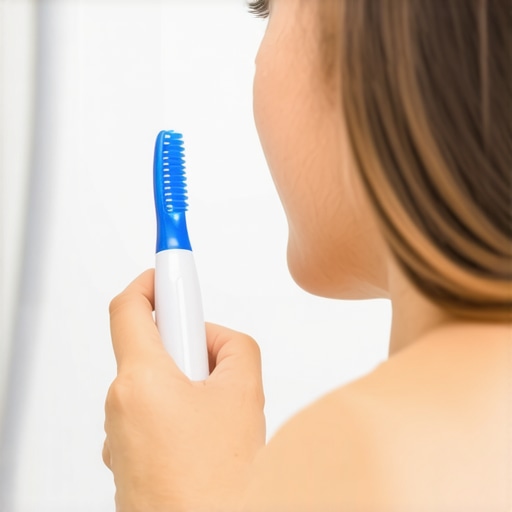
One morning, I reached for my toothbrush, only to realize I couldn’t grip it properly. My hand trembled slightly, and my fingers refused to cooperate. It was a small moment, but it hit me hard—how many people grapple daily with the simple act of brushing their teeth because arthritis, limited mobility, or other health issues make it so much harder? That lightbulb moment pushed me to explore solutions not just for myself but for anyone facing this challenge. Today, I’ll share how I discovered effective toothbrush options that transform this daily struggle into a manageable task.
Why Finding the Right Toothbrush Matters More Than You Think
Oral hygiene is a cornerstone of overall health, right? Still, for those with arthritis or limited hand dexterity, maintaining it becomes a daunting task. It’s not just about comfort; it’s about preventing cavities, gum disease, and even heart health issues. According to the American Heart Association, gum disease has been linked to heart problems, emphasizing how crucial proper oral care is for our well-being. Family dentistry trends confirm that accessible tools can make a significant difference.
But here’s the truth—many standard toothbrushes are designed with the average person’s grip in mind. For someone with arthritis, using a tiny, slippery handle can feel like trying to grasp a soap bar. Early on, I made the mistake of sticking with what I was used to, thinking it would get easier over time. Spoiler alert— that was a mistake. It only made cleaning frustrating and less effective.
So, how do we turn this around? The answer lies in tailored toothbrush options that prioritize ease of use, safety, and efficiency. Stay with me—next, we’ll explore the best types of toothbrushes that truly cater to limited mobility. Have you experienced this struggle personally? Feel free to share your story in the comments!
And remember, even the tiniest improvements in your dental routine can lead to big health benefits. Now, let’s look at how choosing the right toothbrush can redefine your daily routine.
Select the Right Tools for Your Needs
Begin by choosing a toothbrush designed for easy grip—look for larger, non-slip handles or flexible designs. I experimented with a textured grip toothbrush when I first tried this method; it took a few tries to find what felt most secure, but the difference in control was immediate.
Opt for an Electric Toothbrush with Custom Settings
Electric toothbrushes with adaptive speed and ergonomic handles can make brushing more effective and less tiring. I personally used a model with a larger handle and gentle modes, which significantly reduced discomfort during my routine.
Modify Your Grip and Brushing Technique
Use a relaxed, whole-hand grip instead of gripping tightly. Think of holding a delicate object—firm enough to control but gentle enough not to damage your palms. One morning, applying this change, I almost dropped my brush, but immediately noticed my hand fatigue decreased and my brushing improved.
Practice Controlled, Gentle Strokes
Focus on gentle circular motions rather than harsh scrubbing. I learned this the hard way when I overestimated my strength and caused gum irritation; shifting to gentle, consistent circles made a visible difference in gum health over a week.
Leverage Assistive Devices and Accessories
Consider using grip rings, foam handles, or specialized stands to stabilize the brush. I attached a silicone grip ring to my toothbrush handle, which drastically improved my control and made brushing more thorough without slipping.
Use Adaptive Toothbrushes with Built-in Features
Some toothbrushes come with built-in handles or textured surfaces, eliminating the need for additional accessories. Testing one with a wider grip helped me brush comfortably without pain or effort.
Integrate Auxiliary Dental Aids
Incorporate floss picks, interdental brushes, or water flossers suited for limited dexterity. I discovered that using a water flosser with a comfortable handle reduced the time and effort needed to maintain interdental cleanliness, especially on harder-to-reach areas.
Maintain Proper Technique for All Tools
Learn correct usage—gentle pressure, small circular motions, and thorough coverage. Watching tutorial videos helped me refine my technique, ensuring my efforts translated into healthier teeth and gums.
Establish a Consistent Routine
Set specific times each day for brushing and cleaning to build a habit. Initially, I set alarms and reminders; consistency made routine tasks feel less overwhelming, and over time, they became second nature.
Monitor and Adjust Your Approach
Regularly evaluate your comfort and effectiveness. After a week, I noticed some areas I was missing and adjusted my technique accordingly, which improved my overall oral health.
Seek Professional Guidance When Needed
Schedule regular dental check-ups and discuss your challenges with your dentist. I shared my difficulty gripping the brush during a consultation, and my dentist recommended specific tools and techniques, leading to better results.
Implementing these steps transforms the daunting task of oral hygiene into manageable, even empowering, routine. Embrace trial and error, and don’t hesitate to adapt tools or methods to fit your unique needs. For more advanced options, explore crown solutions or consider innovative technologies like Invisalign, which can further improve your family’s dental health.
Many believe that dental crowns are merely cosmetic fixes or that family dentistry is just about routine cleanings. However, these assumptions overlook nuanced truths vital to truly understanding oral health. For instance, some think crowns are a one-size-fits-all solution, but in reality, selecting the right crown involves considering material durability, aesthetics, and specific patient needs, as detailed in [this comprehensive guide](https://familydentistpro.com/the-ultimate-guide-to-crowns-for-a-healthier-smile). Furthermore, misconceptions about family dentistry often lead people to delay essential treatments, unaware that modern techniques and technologies significantly improve outcomes, as discussed in [modern family dentistry trends](https://familydentistpro.com/family-dentistry-trends-improving-oral-health-for-all-ages). An advanced mistake many make is assuming Invisalign is only for cosmetic purposes, but recent studies, like those published in the Journal of Clinical Orthodontics, reveal its effectiveness in treating complex bite issues while maintaining oral health. It’s crucial to recognize that Invisalign’s innovations, such as SmartTrack material, enhance comfort and tracking accuracy—more details are available in [Invisalign myths debunked](https://familydentistpro.com/invisalign-myths-debunked-what-you-need-to-know-today). One common trap is neglecting the ongoing maintenance of crowns and aligners, which can lead to complications like decay or gum disease; regular professional guidance, like in [this resource](https://familydentistpro.com/why-your-gums-are-bleeding-during-pregnancy), ensures longevity and health. For those considering these treatments, consulting with an experienced dentist can personalize choices, considering factors like material strength, alignment goals, and overall health. Benefits extend beyond aesthetics—properly chosen crowns and aligners can prevent future dental issues, a point often underestimated. Do you know someone who has experienced setbacks due to misconceptions surrounding dental crowns or Invisalign? Share your thoughts below! Remember, understanding the intricacies and avoiding common pitfalls can empower you to make informed decisions for lifelong oral health.Maintaining your dental tools and appliances isn’t just about hygiene—it’s about ensuring their longevity and the sustained health benefits they provide. One of my go-to techniques is using ultrasonic cleaners to deep-clean items like retainers, Invisalign trays, and even crowns. These devices use high-frequency sound waves to remove plaque and debris more effectively than manual brushing alone, preventing buildup that can compromise the fit or appearance over time. I personally use a model like the Ultrasonic Cleaner Pro, which offers adjustable cleaning cycles and a larger tank, perfect for family dental care routines. Regularly inspecting tools for signs of wear or damage is equally crucial; a chipped Invisalign tray or a worn-out crown can lead to discomfort or misalignment. Incorporating a routine check—perhaps once a month—helps catch issues early. Additionally, storing your appliances in dry, ventilated containers prevents microbial growth and material degradation. As the trend shifts toward smart dental devices, future innovations will likely include self-cleaning materials and IoT-connected tools that monitor your oral health in real-time, providing reminders for maintenance or replacement. To stay ahead, I recommend integrating routine ultrasonic cleaning sessions into your dental hygiene schedule—it’s an investment in both your appliances and your overall oral health. How do I maintain my dental appliances over time? Personally, I set monthly reminders to run ultrasonic cleaning cycles and inspect my tools for any signs of damage, ensuring they’re always ready when I need them. This simple habit saves me from costly repairs and keeps my family’s smiles shining bright. For those interested in upgrading their routine, exploring advanced cleaning methods can make a noticeable difference. Remember, well-maintained tools contribute significantly to effective oral care, preventing long-term issues related to wear and contamination. Don’t hesitate to give ultrasonic cleaning a try—it might just become your new favorite step in your dental routine. 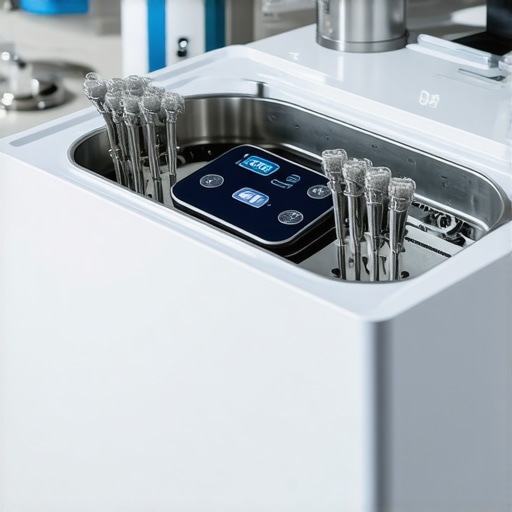
The Little Lessons That Changed Everything About Oral Care
One of the biggest revelations I had was realizing that adapting your tools isn’t just about comfort—it’s about empowering yourself to take control of your health. I learned that trial and error with grip aids, handle modifications, and different brushing techniques revealed how much easier oral care can become when tailored to your needs. Additionally, I discovered that consistent routine and seeking honest advice from professionals often make the biggest difference, transforming frustration into confidence. These lessons taught me that small, intentional changes can prevent bigger issues down the line, emphasizing the importance of patience and persistence in health routines.
Tools and Resources That Make the Difference
Personally, I swear by using a high-quality ultrasonic cleaner for my dental appliances—it keeps everything hygienic and extends their lifespan. Reading trusted guides like The Ultimate Guide to Crowns profoundly impacted how I choose restorations suited to my lifestyle, highlighting material options and long-term care tips. For staying informed about innovations like Invisalign, I turn to Latest Invisalign Technologies, which demystifies new advancements. Finally, engaging with reputable dental blogs ensures I stay aware of new trends and advice grounded in real-world experiences, helping me maintain a proactive approach rather than reactive fixes.
Your Next Step Toward Confident Smiles
Remember, embracing the right tools, trusted information, and ongoing professional guidance can turn your dental routine from daunting to empowering. Each step you take toward better oral health is a step toward greater confidence and overall well-being. So, what change will you implement today to make your dental care more effective and enjoyable? I’d love to hear your thoughts—feel free to share your experiences and questions below!
,