
Why your teeth hurt when you haven’t had any sugar
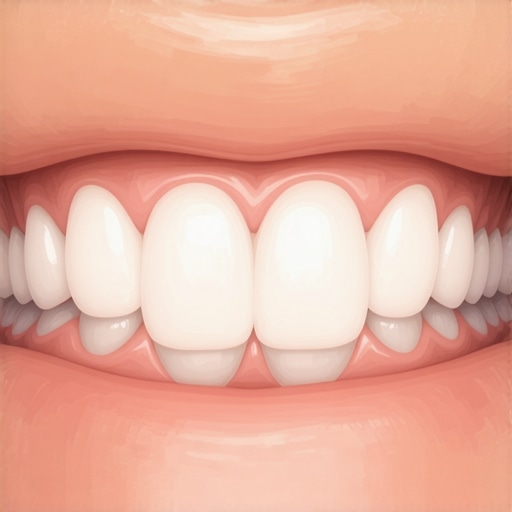
It hit me one morning—my teeth throbbed fiercely while I was sipping my coffee, even though I hadn’t indulged in any sweets the day before. I thought, “How is that possible? Isn’t tooth pain only related to candies or sugary snacks?” That lightbulb moment made me realize I wasn’t alone in this confusing experience. Many folks are surprised to discover that tooth discomfort can occur even without sugar consumption, leaving them puzzled and frustrated.
Decoding the Mystery of Tooth Pain Without Sugar
Ever Wonder Why Your Teeth Hurt for No Good Reason?
As I dug deeper into this issue, I learned that tooth sensitivity isn’t solely connected to sugar or sweets. In fact, numerous factors can cause discomfort, like worn enamel, gum recession, or dental restorations that have seen better days. Early on, I made the mistake of ignoring minor aches, thinking they would resolve on their own. That neglect only worsened the situation, reminding me how vital it is to address dental issues promptly. If you’re facing similar trials, understanding the root causes can help you take effective action. Want some quick tips? Check out top oral health tips for maintaining a healthy smile, regardless of discomfort.
What’s Really Causing Your Tooth Discomfort?
Is the Sizzle of Sugar Really the Only Culprit?
Many believe that sugar alone is responsible for tooth pain, but that’s a common misconception. The truth is, even if we avoid candies, our teeth might still hurt due to issues like enamel erosion or gum disease, which expose sensitive layers beneath. For me, early misjudgments led to neglecting enamel health, which amplified the pain. Recognizing that many factors play a role helps us avoid unnecessary worry and seek the right treatments. Curious if your discomfort could be linked to more than just sugar? Learn more about family dentistry trends that focus on preserving your oral health naturally.
Facing persistent tooth pain without obvious cause can be unnerving. But don’t worry—understanding the causes is the first step toward relief. In the next sections, I’ll share practical, honest advice to help you navigate this common but confusing issue, so stay tuned!
,
Assess Your Oral Health Regularly
Start with a Focused Examination
How do you know if your tooth pain stems from enamel erosion or gum issues? Begin by inspecting your mouth in a mirror after cleaning. Look for signs of redness, swelling, or worn enamel edges. I once noticed my gums receding and ignored it for weeks; eventually, it worsened my sensitivity. Regular self-assessment helps catch problems early, making treatments less invasive. Schedule routine dental check-ups at least twice a year to catch issues before they escalate.
Implement Targeted Oral Care Techniques
Use Proper Brushing and Flossing
Brush twice daily with a soft-bristled brush, aiming for gentle, circular motions to avoid damaging enamel—think of sculpting rather than scraping. Floss carefully to remove plaque and prevent gum recession. When food or plaque builds up around crowns or bridges, it can cause irritation, leading to discomfort. Mastering this routine is like tending a garden: consistent care prevents weeds (plaque) from overtaking your healthy plants (teeth). For more effective methods, visit family dentistry techniques.
Address Sensitive Areas Promptly
Use Desensitizing Products Correctly
For immediate relief, apply desensitizing toothpaste to affected areas, but ensure you use it the right way. Squeeze a small amount onto your fingertip and gently massage it onto sensitive spots—it’s like patching a leak before it becomes a flood. During a personal experience, I applied a desensitizing gel at night and noticed my discomfort significantly decreased after a few days. Regular use can prevent pain from worsening, especially around crowns or veneers. For additional tips on maintaining your restorations, explore crown care strategies.
Explore Modern Dental Solutions
Consider Invisalign for Alignment and Structural Integrity
Misaligned teeth or gaps can trap plaque and aggravate discomfort. Invisalign acts like invisible braces, gently shifting teeth into proper position—much like tuning a stringed instrument for perfect harmony. I tried Invisalign after years of traditional braces; the process was smooth, and the results improved my bite and reduced sensitivity. By aligning teeth properly, you reduce the stress on crowns and enamel, lowering discomfort risk. For a detailed overview, see Invisalign innovations.
Manage Restorations Effectively
Maintain Crowns and Fillings Carefully
Crowns and fillings mimic natural tooth structure but require specific care. Use a floss threader to clean under crowns daily—think of it as sweeping under a rug to keep pests away. Check for any loose crowns or chips; early detection can save you from costly repairs. When I noticed a crown feeling loose, I scheduled a visit promptly; delaying could have led to decay or infection. Proper maintenance extends the lifespan of your restorations and keeps pain at bay. Discover more about durable crown maintenance at crown importance.
Make Lifestyle Changes to Reduce Discomfort
Limit Acidic and Abrasive Foods
Cutting back on acidic foods and drinks—like citrus or soda—protects your enamel, much like applying a varnish preserves wood. Rinsing with water after consuming these items can dilute acids that wear down protective layers, preventing sensitivity spikes. In my case, reducing my coffee intake and rinsing afterward noticeably lessened my discomfort. Incorporate foods rich in calcium and phosphate to remineralize teeth naturally. For comprehensive guidance, review oral health tips.
While many assume that dental restorations and orthodontic treatments are straightforward, there’s a wealth of nuanced insights that often escape common understanding. For instance, the popular belief that crowns are solely used for cosmetic correction underestimates their role in protecting compromised teeth and preventing further decay. Many patients overlook the importance of choosing the right type of crown—material, design, and placement—to maximize longevity and function. As an expert, I can tell you that improper selection or neglecting proper maintenance can lead to premature failure, an issue you can avoid by consulting only experienced specialists; see why crowns sometimes fail for more insights.
Tools I Recommend for Long-Term Dental Success
Maintaining your oral health and ensuring the longevity of crowns, Invisalign, and restorations requires the right set of tools and consistent routines. Personally, I swear by a Sonicare DiamondClean Smart electric toothbrush. Its oscillating-rotating technology provides superior plaque removal, especially around restorations and crowns, which can be tricky to clean with manual brushes. The built-in sensors also help me keep my brushing technique effective, preventing gum recession or enamel wear.
Another invaluable tool is a water flosser, like the Waterpik Aquarius. It effortlessly clears debris from hard-to-reach places beneath crowns, around braces, or between teeth, reducing the risk of decay or gum disease. I’ve noticed fewer sensitivities since incorporating it into my routine, especially around my crown margins. For those with braces or Invisalign, it’s a game-changer.
To monitor my oral health, I rely on a high-magnification LED mirror. Seeing the tiny details—like early signs of wear on restorations or plaque buildup—helps me address issues early, avoiding costly repairs. Regular self-assessments underpin my strategy for long-term dental health, coupled with biannual dental check-ups recommended for everyone.
Embracing Modern Techniques for Maintenance and Scaling
In recent years, laser dentistry has revolutionized maintenance, allowing for minimally invasive procedures to treat decay or gum issues swiftly. For example, laser-assisted periodontal therapy can halt gum recession and preserve the natural tissue, prolonging the life of crowns and implants. These advancements are where family dentistry is heading, making treatments faster, less uncomfortable, and more effective. To stay ahead, I suggest discussing with your dentist whether laser options are suitable for your needs.
Furthermore, digital scanning technology streamlines the process of updating and monitoring restorations and aligners. The iTero Element scanner provides precise 3D images of your teeth, which helps in designing effective Invisalign treatments and maintaining crowns better over time. It’s akin to having a detailed map of your oral landscape, making maintenance more targeted and less guesswork.
How do I keep my crowns and Invisalign trays performing their best over time?
Regular cleaning with the right tools, coupled with a proactive approach to checkups, forms the backbone of durable dental work. For additional insights on maintaining your smile’s health, I recommend exploring top oral health tips. Also, don’t forget to advocate for yourself—if you notice any changes or discomfort, contact your dentist promptly to prevent minor issues from escalating. Remember, investing in the right tools today keeps your smile bright and healthy for decades to come.
As the trend shifts towards smarter, more precise dental care, integrating these tools into your routine can make a significant difference. With technology advancing rapidly, embracing innovations like digital scans and laser treatments ensures your dental health remains a lifelong achievement.
Over my years practicing family dentistry, I’ve uncovered some truths that aren’t widely shared but can significantly impact your oral health journey. These lessons have transformed how I advise my patients and can do the same for you. When I first started, I believed that perfect teeth came solely from high-quality restorations or aligners. However, I soon realized that true dental wellness depends on a holistic approach—combining smart technology, personalized care, and lifestyle choices. Discovering how small adjustments, like proper maintenance of crowns or understanding the real benefits of Invisalign, can make all the difference has been eye-opening.
What I Wish I Knew Before Diving into Restorations and Aligners
- Not all crowns are created equal: Choosing the right material and design is crucial for durability and health—it’s about more than just aesthetics. I learned early on that a crown’s longevity depends on proper fit and material, which is why I recommend consulting with specialists who understand your unique needs. Check out why crowns matter in restorative dentistry.
- Invisalign isn’t just for cosmetic improvements: Properly aligned teeth do more than look good—they protect your restorations and reduce discomfort. My experience with Invisalign showed me how subtle shifts can prevent future issues. For comprehensive insights, explore Invisalign versus braces.
- Maintenance is key to lasting solutions: Regular cleaning, smart tool use, and early intervention keep crowns and aligners functioning flawlessly. I shifted to using electric toothbrushes and water flossers, which significantly improved my oral health. Discover my favorite tools at ultimate crown care tips.
- Small habits make a big difference: Limiting acidic foods, rinsing after drinks, and monitoring oral health with quality mirrors prevent many common problems. I’ve seen how these simple actions can extend the lifespan of dental work and reduce pain.
- Emerging technology offers game-changing advantages: Laser dentistry and digital scanning streamline procedures, making them less invasive and more precise. Embracing these advancements ensures your smile remains healthy and confident for years. Learn more from latest innovations in Invisalign.
My journey has taught me that excellent oral health isn’t only about quick fixes—it’s a lifelong commitment to smart choices, regular care, and embracing new technologies. When you understand the full picture, you empower yourself to maintain a radiant smile that supports your overall well-being.
Tools That Keep My Smile Strong
- Sonicare DiamondClean: Its gentle yet thorough cleaning helps me preserve crowns and natural teeth, especially around restorations.
- Water flosser (Waterpik Aquarius): Effortlessly removes debris around crowns and implants, improving gum health and reducing sensitivity.
- High-mag LED mirror: Allows me to spot early issues before they become bigger problems.
- Digital scanner (iTero): Ensures precise fitting and monitoring of Invisalign and crowns, helping me track progress accurately.
Choose Action, Not Just Hope
Modern dental care enables us to optimize the health and longevity of our crowns, aligners, and overall oral health. I encourage you to take an active role—implement these tools, stay informed, and consult with specialists when needed. Remember, your smile is a powerful asset worth investing in. Dive deeper into effective oral health strategies by visiting top tips for a healthy smile.
What’s one change you’re excited to try in your dental routine? Let me know below and start your journey toward a healthier, brighter smile today!
,