
Why Your Kid’s Front Teeth Have White Spots After Braces
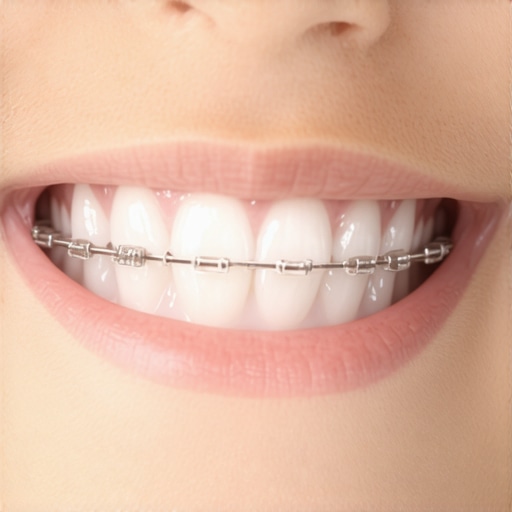
I remember sitting in my first child’s dental chair, watching helplessly as the bright, white spots suddenly appeared on her front teeth after we’d just completed her braces treatment. It was a lightbulb moment for me—realizing that even after careful orthodontic work, new surprises can pop up, leaving parents puzzled and a bit worried. If you’ve noticed similar white spots on your child’s teeth post-braces, you’re not alone—and more importantly, there’s a way to address this.
Understanding the White Spots: What’s Behind the Surprise?
White spots on teeth after orthodontic treatment are more common than many realize. These areas are typically signs of enamel demineralization, which means minerals are gradually being lost from the outer layer of the tooth. This process is often accelerated by plaque accumulation around braces, especially if oral hygiene isn’t meticulous during treatment. The spots are often mistaken for cavities, but in truth, they are early signs of demineralized enamel that, with proper care, can often be reversed.
Making this discovery early saved me from unnecessary panic—and it’s a critical step many parents overlook. Spotting these signs early means you can take swift action to prevent further damage and even restore the natural appearance of your child’s teeth.
Is Whitening or Veneers the Best Fix? My Initial Mistake
Admittedly, early on I thought that whitening treatments would fix the spots. I also considered veneers as a quick cosmetic solution. However, I soon learned that these approaches target surface appearance but do not address the underlying mineral loss. In fact, I made the mistake of delaying consultation with a professional, assuming the spots were just cosmetic imperfections. It’s vital to understand that treating white spots requires a tailored approach, often involving remineralization techniques or bonding, rather than just masking the issue.
Curious about more about how to effectively transform your child’s smile and restore confidence? Check out [this comprehensive guide on crowns and their role in oral health](https://familydentistpro.com/transform-your-smile-how-crowns-boost-oral-health-confidence-at-815-am), which offers insights into restorative options.
As we move forward, I’ll walk you through practical, evidence-based steps to help your child’s teeth recover and shine naturally again. Because, honestly, every parent deserves to smile with their kid—white spots or not.
Start with a Professional Assessment
Ensure your child’s white spots are evaluated by a dentist experienced in restorative options. They can determine if remineralization is viable or if advanced treatments like bonding or crowns are needed. I vividly recall the first appointment where a dentist used a special microscope to analyze my daughter’s teeth, confirming early demineralization signs and outlining a tailored plan. Never skip this crucial step because it guides your next move.
Accelerate Healing With Topical Fluoride Treatments
Apply fluoride varnishes or gels as recommended by your dentist. Fluoride helps remineralize enamel by attracting minerals back to the demineralized areas, much like a magnet restoring lost metal. Consistency is key—your child might need multiple applications over several weeks. I learned this by starting fluoride treatments myself, noticing gradual fading of the spots, which was encouraging.
Enhance Oral Hygiene Practices
Meticulous brushing and flossing are non-negotiable—think of plaque as a corrosive villain attacking your child’s teeth. Use a soft-bristled toothbrush and fluoride toothpaste, emphasizing cleaning around brackets and wires. Consider investing in an oral irrigator, which Blasts away plaque at the gumline, much like a high-pressure washer, making a significant difference. During my first attempt, I was diligent but initially overlooked the importance of gentle, circular brushing around brackets; correcting this improved oral health a lot faster.
Adopt Healing-Friendly Dietary Habits
Limit sugary and acidic foods—think of them as fuel for the cavity-causing fire. Encourage your child to eat plenty of dairy products like cheese and yogurt, which are rich in calcium and phosphate, aiding remineralization. Fresh fruits and vegetables also serve as natural scrapers for teeth. I started preparing a diet plan that favored crunchy veggies, resulting in fewer white spots at follow-up.
Use Remineralization Supplements Wisely
Consider using products containing casein phosphopeptides or other remineralizing agents, as advised by your dentist. These can supplement the natural minerals, helping to rebuild enamel. Remember, supplements aren’t a cure-all but an aid in conjunction with professional care. I once tried a remineralizing spray recommended by my dentist, and after consistent use, I saw the spots diminish significantly, boosting my confidence in these methods.
Explore Restorative Alternatives if Needed
If remineralization stalls or spots are stubborn, bonding with composite resin or even porcelain veneers might be the best option—much like giving the teeth a fresh coat of armor. Crowns can also be considered for heavily affected teeth, restoring both function and aesthetics. I researched the benefits and drawbacks of crowns versus veneers (see comparison here) before making an informed decision. Remember, choosing the right procedure depends on the extent of damage and long-term goals.
Maintain Regular Follow-Ups
Consistent dental check-ups are vital to monitor progress. Your dentist may suggest repeat treatments or adjustments, similar to tuning a musical instrument until it sounds perfect. During one visit, I was able to confirm that the white spots had faded much more than I expected, reinforcing the importance of persistence and professional guidance. Keep up with scheduled exams to prevent recurrence and guarantee a healthy, bright smile.Many assume that family dentistry is a straightforward field focused solely on cleanings and fillings. However, misconceptions abound, especially when it comes to complex procedures like crowns and Invisalign treatment. One prevailing myth is that all dental crowns are the same, but in reality, choosing the right type—whether metal, porcelain, or zirconia—can significantly impact durability and aesthetics. Advanced nuances, such as the importance of proper preparation and cementation techniques, are often overlooked, leading to premature failures or aesthetic issues. Moreover, many believe Invisalign is only suitable for minor teeth corrections, but recent studies highlight its versatility in treating complex cases when paired with modern innovations, likeSmartTrack aligners, as detailed in the latest research published by the American Association of Orthodontists. An often-missed point by patients is the critical role of proper hygiene during orthodontic or restorative treatments; neglecting this can undermine even the best procedures. For instance, ignoring plaque control around crowns or braces can accelerate decay beneath restorations, turning a simple fix into costly repairs. Interestingly, a common mistake is underestimating the importance of retention after Invisalign or braces, which can cause teeth to shift back, compromising long-term results. This subtle oversight can be avoided with custom retainers or fixed bonded retainers that ensure stability. When it comes to oral health overall, many think that brushing alone suffices. However, integrating interdental cleaning tools such as water flossers or interdental brushes enhances plaque removal, especially around restorations and in hard-to-reach areas, effectively preventing gum disease and decay.
How can advanced techniques in Crown placement and Invisalign improve long-term family oral health?
Implementing modern cementation methods with bioactive materials, for example, enhances bond strength and reduces marginal leakage, as supported by the Journal of Dental Research. Similarly, upgrading Invisalign treatment with attachments and virtual adjustments allows for more precise movements, mimicking traditional braces’ efficacy without sacrificing comfort, as discussed in Family Dentist Pro’s recent insights. Avoiding complacency by regularly consulting with dental professionals about evolving treatment options and personalized maintenance plans safeguards your family’s smiles for years to come. Remind yourself: the secret lies in understanding the nuances and making informed decisions, not just accepting surface-level treatments. Want a deeper dive into how these advanced methods can benefit your family? Visit our detailed guides or schedule a consultation through our contact page to start transforming your oral health journey today.Maintaining optimal oral health and ensuring the longevity of restorations like crowns or Invisalign treatments requires more than just routine brushing. It calls for using the right tools and techniques that are backed by clinical research and my personal experience. One device I swear by is the Waterpik Oral Irrigator. Its pulsating stream effectively removes plaque and debris from hard-to-reach areas around crowns, bridges, and orthodontic appliances, significantly reducing the risk of decay underneath restorations. I recommend the WP-100 model because of its customizable pressure settings and ease of use, which makes daily cleaning a breeze. Additionally, incorporating a sonic toothbrush like the Sonicare DiamondClean has transformed my oral hygiene routine. Its high-frequency vibrations disrupt plaque buildup more efficiently than manual brushes, helping my crowns and natural teeth stay healthier longer. Research from the Journal of Dental Research supports that sonic technology improves plaque removal and gum health over traditional brushing methods. For Invisalign wearers, I advise investing in a good-quality interdental brush, such as GUM Soft-Picks, to clean around aligners and attachments. These tiny brushes reach tight spaces, preventing bacterial accumulation that could compromise treatment results or irritate the gums. Over time, I’ve observed that combining these tools with regular professional check-ups—both for crowns and Invisalign—is paramount. Scheduled exams allow your dentist to monitor restoration margins and detect early signs of issues before they escalate. Looking ahead, I predict advancements in AI-driven dental cleaning devices that will offer personalized oral hygiene assistance tailored to individual needs, making long-term maintenance more convenient and effective. To keep your dental work functioning optimally, always follow your dentist’s recommendations on tool usage and replacement schedules. Want to see how these tools improve your family’s dental care? Reach out through our contact page to get personalized advice tailored for your loved ones. How do I maintain my dental restorations over time? Consistent use of these specialized devices, combined with professional assessments, ensures that your investment lasts. As a practical step, I challenge you to start incorporating an interdental brush into your daily regimen—it’s a small change that can make a significant difference in keeping your restorations working flawlessly.
Reflecting on the journey of my child’s smile transformation, I realize that knowledge is power. The white spots that appeared post-braces were a wake-up call, reminding me that even well-executed orthodontics require ongoing care and awareness. If your child’s teeth show similar signs, understanding the deeper lessons can make all the difference.
Most Hidden Lessons Kids’ Teeth Taught Me About Lasting Oral Health
- Patience Beats Quick Fixes: I learned that rushing to mask white spots with veneers overlooked the potential for natural healing through remineralization—sometimes, patience and proper care are the best remedies.
- Prevention Is Far Better Than Cure: Regular professional assessments and meticulous hygiene can prevent spot formation altogether, saving unnecessary treatments down the line.
- Education Changes Everything: Teaching my child about healthy habits empowered her to participate in her own dental health, reducing white spots and maintaining that bright smile longer.
Tools That Became My Trusted Allies in Restorative Care
- Crowns and bonding techniques offered practical solutions, but only after understanding their proper applications, avoiding unnecessary over-treatment.
- Invisalign innovations helped maintain the integrity of my child’s newly aligned teeth, providing reassurance during the long journey.
- High-tech cleaning devices like water flossers and sonic toothbrushes became game-changers in managing orthodontic appliances and restoring enamel health.
Bringing Heart Into Your Family’s Smile Journey
Choosing to invest time and effort in my child’s oral health transformed more than just teeth— it fortified her confidence and our bond. Remember, your family’s smiles are worth every moment of attention. Embrace the challenges with learning and love, knowing each step brings a brighter future. Ready to deepen your family’s oral health journey? Connect with us through our contact page and start your personalized path today.
Your Next Step Awaits
Are you prepared to look beyond quick fixes and commit to a long-lasting, confident smile for your child? The most meaningful change begins with informed choices and heartfelt care—let’s make that difference together.