
The Best Way to Handle Dental Pain While On Vacation

It was the middle of my beach holiday when I felt that sharp, fiery jolt in my mouth—an unexpected crown mishap that turned my relaxing trip into a dental emergency. Honestly, at that moment, I realized how unprepared I was to tackle dental pain away from home. If you’ve ever experienced a sudden toothache or dental mishap during a getaway, you know how quickly it can ruin your plans and turn your vacation into a stressful ordeal.
Today, I want to share my journey from panic to preparation. I’ll walk you through the best ways to manage dental pain when you’re miles away from your regular dentist, so you can keep your trip enjoyable—even when dental issues arise unexpectedly.
Why Dental Emergencies Catch You Off Guard on Vacation
Traveling is all about enjoying new experiences, relaxing, and making memories. But dental problems have a sneaky way of disrupting those plans. Whether it’s a cracked crown, sudden toothache, or a lost filling, these issues can strike at the most inconvenient moments.
Early on, I made the mistake of assuming a minor problem could wait until I returned home. That was a bad call. Dental issues don’t get better on their own, and delaying treatment often leads to more pain and expensive repairs. According to a study by the American Dental Association, dental emergencies happen more frequently during travel seasons, emphasizing the importance of being prepared.
So, what’s the secret to handling these mishaps without losing your cool or your vacation? Well, it begins with understanding some simple steps you can take right now to arm yourself against the unexpected.
If you’ve faced this dilemma—perhaps a knocked-out tooth or a sudden toothache while hiking, at the beach, or even at a wedding—know that you’re not alone. Stay tuned, because soon we’ll explore practical tips to soothe pain, temporary fixes to keep your mouth functional, and when to see a dentist—no matter where you are.
Stop the Bleeding Quickly
First, if there’s bleeding, apply gentle pressure with a clean cloth or gauze for at least 10 minutes. In my experience during a trip to the beach, I used a damp tea bag as a natural coagulant, which helped slow bleeding faster. This simple trick can be a lifesaver when you’re far from professional care.
Relieve Pain with Over-the-Counter Remedies
Use non-prescription painkillers like ibuprofen or acetaminophen to reduce discomfort. I always carry a small travel kit with these medications. For instant relief, applying a cold compress to your cheek—wrapped in a cloth—can numb the area, much like an ice pack numbs a bruise. Remember, these are temporary solutions; they buy you time until you see a dentist.
Find Temporary Tooth Protectors
If a broken or loose crown is causing sharp edges, cover it with dental wax or a piece of sugarless gum to prevent injury to your tongue or cheek. I once pressed a small gum piece over a chipped molar while hiking in the mountains. It sounds primitive, but it works remarkably well as a quick fix.
Handling Knocked-Out Teeth
If a tooth is knocked out, retrieve it carefully by the crown (the part usually visible). Rinse it gently with saliva or water—avoiding scrubbing—and store it in a container with milk or saliva. I kept my nephew’s displaced tooth moist in a cup of milk after he tripped during a family hike. This preserves the tooth’s cells and improves chances of reattachment if you reach a dentist promptly.
Identify Serious Signs That Need Immediate Help
If you notice swelling, severe pain, fever, or if the tooth is completely knocked out and you can’t replant it immediately, seek dental care as soon as possible. Waiting can lead to infections or long-term damage. Using these immediate steps effectively minimizes harm, but professional treatment is essential for lasting restoration.
Prepare a Pack for Dental Emergencies
Having a dental kit ready—containing gauze, pain relievers, a small mirror, and storage medium for knocked-out teeth—can make all the difference. Think of it as your first aid kit for teeth. During my last trip, I kept a compact kit in my backpack, which proved invaluable when a sudden toothache struck during a mountain trek.
Know Your Local Emergency Resources
Before traveling, research nearby dental clinics or hospitals. Some clinics offer 24/7 emergency services, which is critical when you’re unfamiliar with the area. When I traveled abroad, I memorized the contact details of the closest dental center listed on the hotel’s front desk, ensuring I could reach help if needed.
While many believe they understand the basics of dental care, there’s often more beneath the surface that can lead to advanced mistakes or misconceptions. For instance, countless people assume that all crowns are the same, but in reality, choosing the right type involves nuances like material compatibility and long-term durability, which are crucial for a lasting restoration. Dive into our detailed guide on crowns and avoid common pitfalls.
A frequent myth surrounds oral health: the idea that regular brushing alone suffices. However, expert research highlights that neglecting interdental cleaning and plaque removal from hard-to-reach areas significantly increases the risk of gum disease, despite good brushing habits. Embracing advanced techniques and tools can vastly improve your oral health outcomes.
Many are unaware that Invisalign isn’t just about aesthetics; its innovation in orthodontic technology allows for better control over tooth movement, reducing risks like root resorption when applied correctly. Yet, misunderstanding the proper use or delaying treatment can cause unintended consequences, emphasizing the need to stay informed.
In family dentistry, a common mistake is underestimating the importance of age-specific care. Younger patients require tailored preventive strategies, while adults benefit from restorative options that accommodate aging-related changes. Familiarizing yourself with modern family dentistry practices ensures comprehensive care for all ages.
Now, let’s explore a critical question:
Are there risks in choosing cheaper materials for crowns or orthodontics like Invisalign?
Absolutely, opting for subpar materials can compromise durability, increase sensitivity, or cause allergic reactions—issues often overlooked by patients aiming to save costs. Studies reveal that patients using cheaper materials might face higher long-term repair costs, negating initial savings. Always consult with your dentist about material options to ensure quality and safety.
**Remember**, many fall into traps like over-relying on brushing or ignoring edge cases in treatment planning. Recognizing these nuances helps you make smarter decisions, leading to healthier, longer-lasting results. Have you ever fallen into this trap? Let me know in the comments. For personalized advice or to schedule a comprehensive consultation, visit our contact page.
Keeping It Working: Tools I Recommend for Dental Maintenance
Maintaining optimal oral health over time requires more than just daily brushing and flossing; it involves investing in the right tools that support your long-term dental goals. I personally rely on a combination of advanced electric toothbrushes, interdental cleaners, and digital monitoring apps to keep my family’s smiles healthy and vibrant. An electric toothbrush with a pressure sensor, like the Philips Sonicare DiamondClean, helps prevent over-brushing that can damage enamel and gums, ensuring effective cleaning without harm. Modern techniques in family dentistry emphasize the importance of using technology to monitor and improve oral hygiene habits.
In addition, I incorporate water flossers such as Waterpik’s Sonic-Fusion, which combines flossing and brushing into a single device. This not only improves plaque removal, especially in hard-to-reach areas but also encourages consistency among children and adults alike. To track progress and set reminders for oral care routines, I use smartphone apps like Brush DJ, which makes daily maintenance engaging and effortless. These digital tools provide visual feedback, motivate better habits, and help identify areas needing extra attention.
For those with crowns, Invisalign, or orthodontic appliances, specialized tools like interdental brushes, soft picks, and interdental flossers help maintain cleaning efficacy without damaging restorations. Regularly inspecting these tools for wear and replacing them as needed guarantees their effectiveness. Using high-quality, ADA-approved products minimizes the risk of missteps that could compromise long-term results.
How do I maintain dental tools over time?
Proper care of your dental tools extends their lifespan and ensures they remain effective. Rinse toothbrush heads thoroughly after each use, and replace them every three months or sooner if bristles fray, as recommended by the ADA. Keep interdental brushes clean and dry, and replace them if bristles become worn. Digital monitoring apps benefit from regular updates to ensure accurate tracking. This ongoing maintenance supports the durability of your tools and, consequently, your oral health.
Looking ahead, I predict that integrating smart technology with dental devices will become more sophisticated, offering real-time health analytics and personalized coaching. The future of dental care is leaning toward AI-powered systems that adapt to your habits and provide tailored advice, elevating the standard of family dentistry.
Don’t wait until issues arise—proactively using these advanced tools can save you time and money in the long run. One great tip is to incorporate a water flosser into your nightly routine, especially if you have braces, crowns, or implants. Its ability to reach areas traditional floss cannot makes it a game-changer. Try it, and experience the difference in your oral health today!»}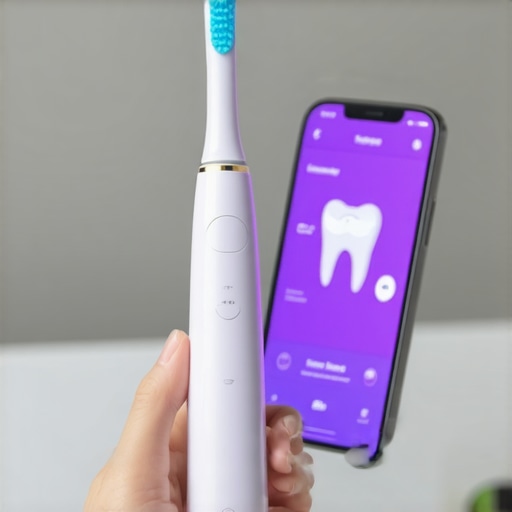 }},{
}},{
The Unexpected Gifts of Dental Mishaps During Travel
Discovering the importance of preparedness through my own experiences has reshaped how I approach travel and oral health. A sudden crown mishap wasn’t just a pain; it became a lesson in vigilance and proactive care. These moments teach us that behind every dental emergency lies an opportunity to learn something invaluable—like how to manage pain effectively or choose the right tools for emergency fixes. Embracing these lessons can empower you to handle surprises gracefully and maintain your confidence in your smile, no matter where life takes you.
My Arsenal for Dental Darings
Over time, I’ve curated a set of trusted tools and resources that make managing dental emergencies more manageable. The Philips Sonicare DiamondClean electric toothbrush helps me maintain optimal hygiene, reducing the risk of issues that could turn urgent. For quick fixes, I rely on high-quality dental waxes and interdental brushes—products I trust from brands like Waterpik and ADA-approved suppliers. These tools, combined with reliable resources like our modern family dentistry practices, form my go-to kit for safeguarding smiles during adventures. Keeping a well-stocked emergency kit and knowing where to find urgent dental care ensures you’re prepared to face anything—whether it’s a cracked filling or a lost crown.
Your Smile’s Future Starts Today
Remember, every obstacle is a stepping stone toward improved confidence and health. By adopting proactive habits, investing in quality tools, and staying informed, you can significantly reduce the stress of dental mishaps. Embrace the mindset that your smile deserves the best care—both preventive and reactive. Whether you’re planning a beach getaway or a mountain trek, make dental preparedness part of your journey, and let your adventures be filled with joy, not dental worries. Have you ever faced a dental emergency away from home? Share your story below and let’s learn from each other’s experiences.